×
×

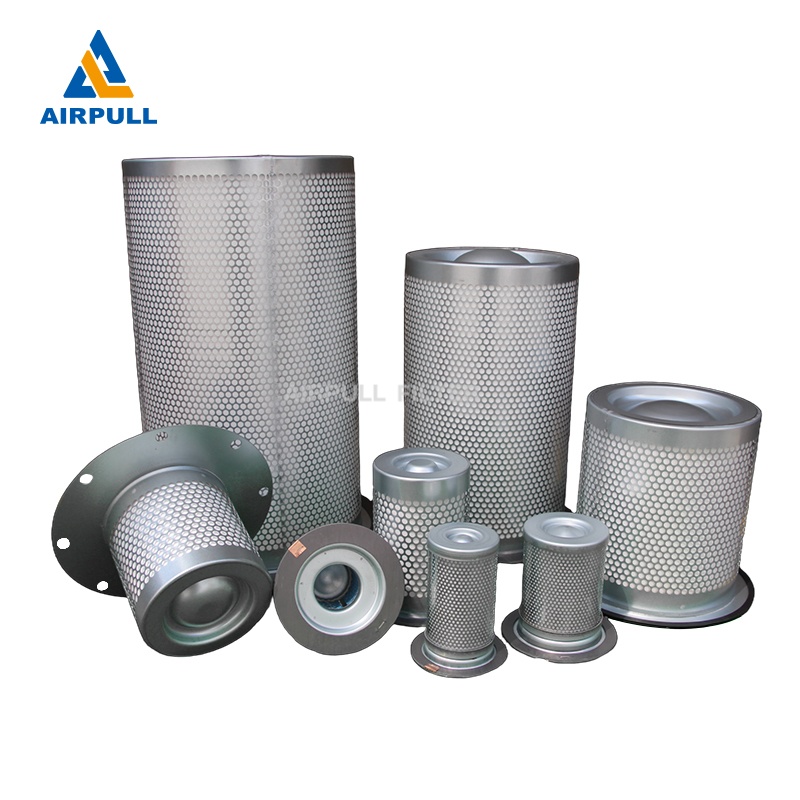
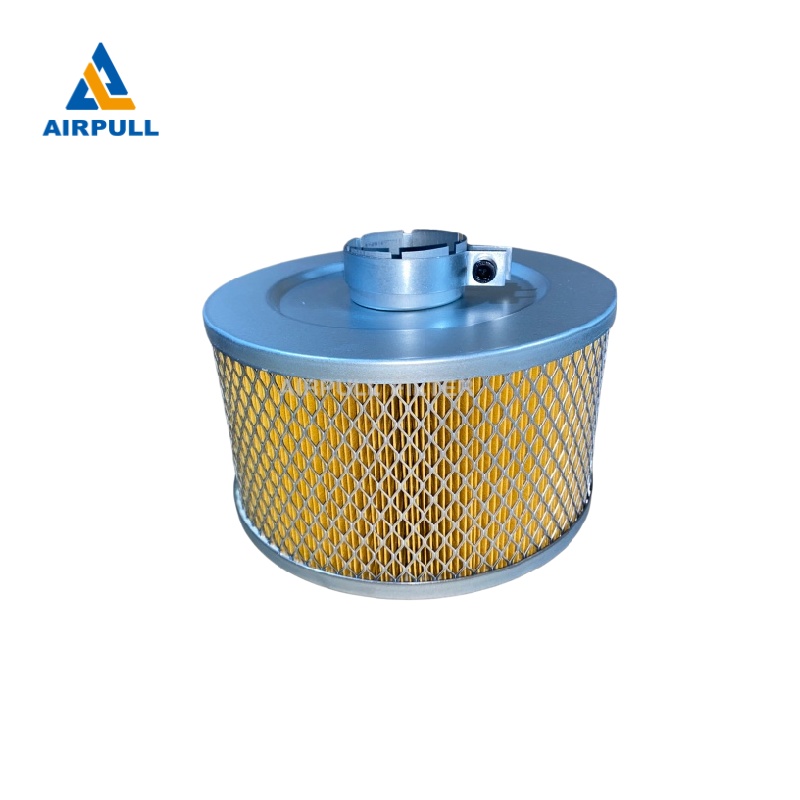
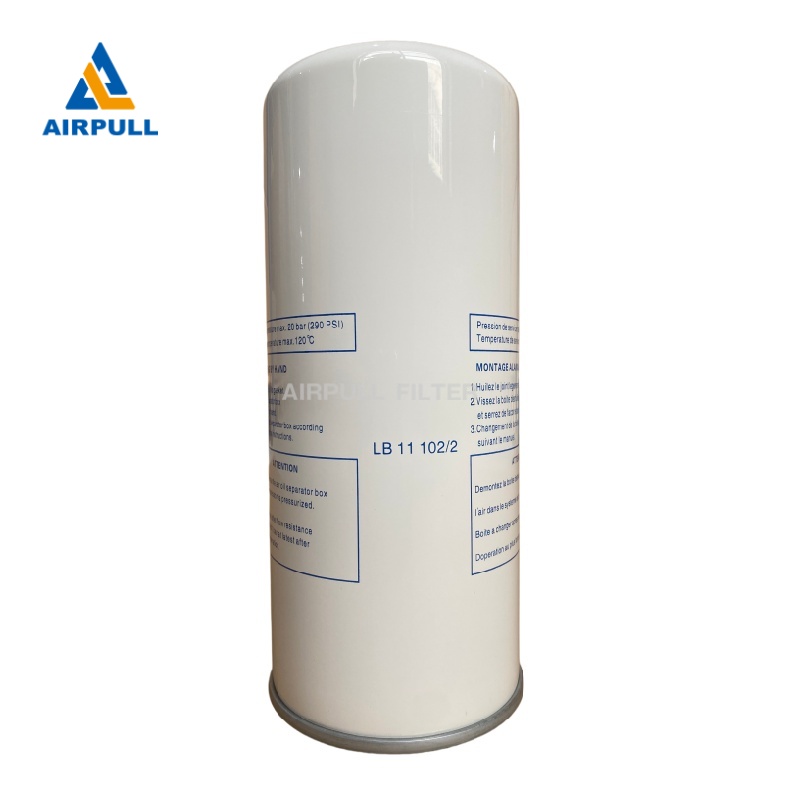
The oil separator (commonly known as the “oil separator element”) in an air compressor experiences some resistance when air first passes through the filter element upon initial use. This resistance is referred to as the “initial pressure differential.” Choosing an oil separator element with the lowest possible initial pressure differential offers numerous benefits for the air compressor parts and system. Let's break it down step by step:
This is the most direct benefit! The power consumption of an air compressor is highly dependent on discharge pressure. A simple rule of thumb: For every 0.1 bar (approximately 1.5 psi) increase in system pressure differential, motor power consumption rises by about 1%.
Reducing the initial pressure differential from 0.2 bar to 0.1 bar means the motor works less hard to produce the same compressed air pressure. For high-power compressors running long hours daily, this small pressure reduction can save enough electricity annually to significantly exceed the cost of the compressor spare parts, including the oil separator element itself.
The oil separator element sits between the compressor head and the outlet. If the pressure differential is too high, it creates “back pressure”—like gas being blocked as it tries to exit—which inevitably reduces system efficiency.
A lower initial pressure differential allows compressed gas to flow smoothly into the air receiver tank. The compressor head doesn't have to exert extra effort for “secondary compression,” resulting in increased actual delivered air volume (FAD). This is crucial for boosting the overall operational efficiency of the air compressor parts.
Typically, oil separator elements require replacement when differential pressure rises to 0.8–1.0 bar. With an exceptionally low initial differential pressure—say, just 0.1 bar—there's significantly more room for pressure to build due to impurity buildup over time. This reduces the need for frequent filter changes, naturally extending maintenance intervals.
Additionally, lower differential pressure means less stress on the oil separator element, reducing the risk of filter media damage or deformation. This enhances the filter's durability, allowing compressor spare parts to function optimally for longer periods.
When an air compressor works against resistance, it generates additional heat. Lowering the pressure differential reduces this unnecessary energy conversion into heat. This not only lowers the discharge temperature of the main unit but also protects the quality of the lubricating oil. Sealing components also last longer, reducing the need for frequent replacement.
Generally, oil separator elements with low initial pressure differentials either feature more permeable filter media or employ more rational structural designs (such as using ultra-fine glass fibers). This enables smoother airflow through the filter, facilitating the coalescence of oil droplets into larger particles for separation (known as the “coalescence effect”). The resulting exhaust air maintains residual oil content below 1–3 ppm, delivering exceptional cleanliness and ensuring reliable downstream operation of all compressor parts.
 Hot News
2026-05-18
2026-03-03
2026-01-31
2026-01-29
2026-01-22
2026-01-15

XINXIANG AIRPULL FILTER CO.,LTD provides high-efficiency air compressor filters, oil-gas separators, and industrial filtration systems. With 30+ years of expertise and 33 patents, we deliver reliable solutions for power, petroleum, and chemical industries. Global shipping to 50+ countries.
National Chemical and Physical Power Supply Industrial Park, Newqi Street, Muoye District, Xinxiang City, Henan Province
Copyright © 2026 XINXIANG AIRPULL FILTER CO.,LTD All rights reserved Privacy Policy

 EN
EN