×
×

— From Air Compressor Filters to Oil Separators and Compressor Spare Parts
Oil-injected screw air compressors are widely used in industries such as machinery, mining, chemicals, petroleum, construction, transportation, and marine applications. Because they often run continuously in demanding environments, routine maintenance is essential to ensure safe operation, high efficiency, and long service life.
For manufacturers and service providers, maintenance work is heavy and ongoing—especially during hot seasons when delayed repairs can seriously affect production. For end users, mastering standardized maintenance procedures is the key to reducing downtime and extending equipment life. This guide outlines the essential steps for on-site maintenance, covering everything from the air compressor filter to the air oil separator filter and other critical compressor spare parts.
Before starting any maintenance work:
Prepare the correct air compressor spare parts for your specific compressor model, including air filters, compressor oil filters, and oil separator elements.
Coordinate with production and confirm downtime.
Place warning signs and isolate the work area.
Shut off power completely and close the outlet valve.
Release system pressure and check all pipelines and joints for leaks or looseness.
Open the outlet valve and use remaining pressure to discharge old oil. Rotate the air end manually to drain residual oil, then close all valves.
When changing compressor oil, always use the correct compressor lube specified for oil-injected screw compressors. Never mix different oil brands or grades.
Turn the air end by hand. It should rotate smoothly. If resistance is found, remove the belt or coupling to identify whether the issue is from the air end or the motor.
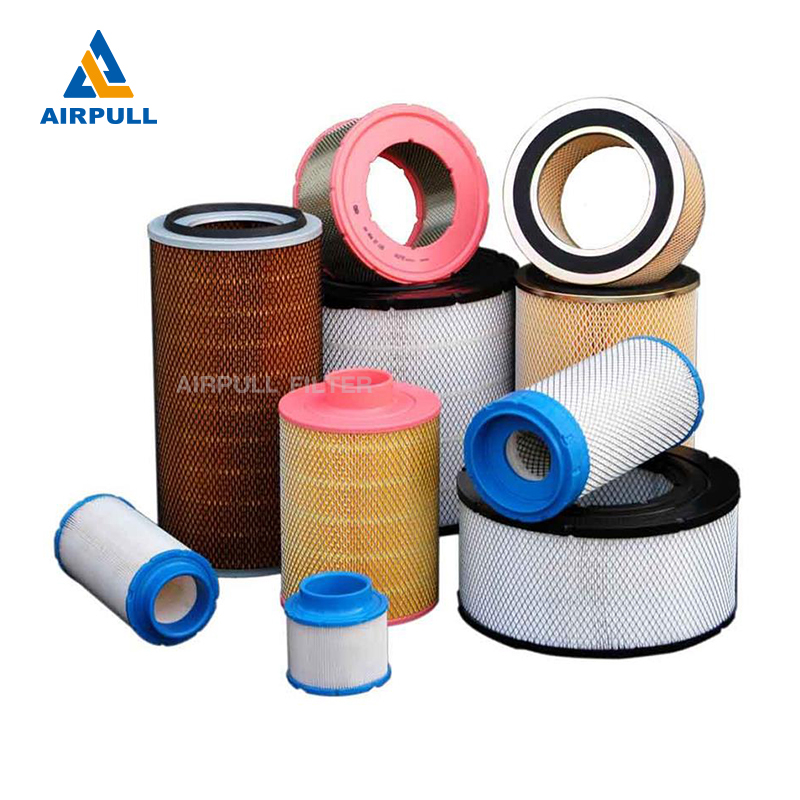
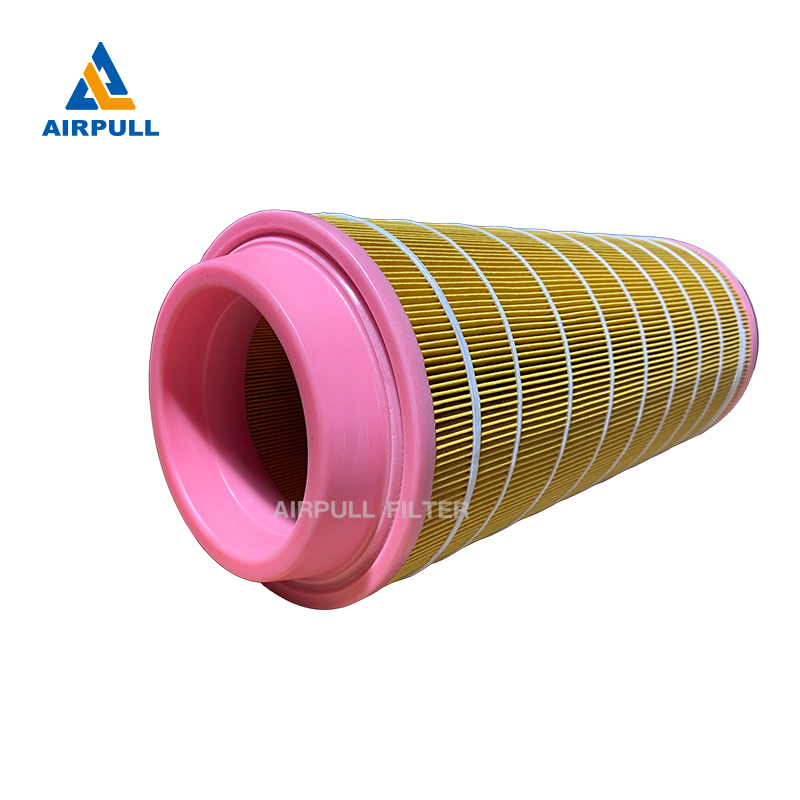
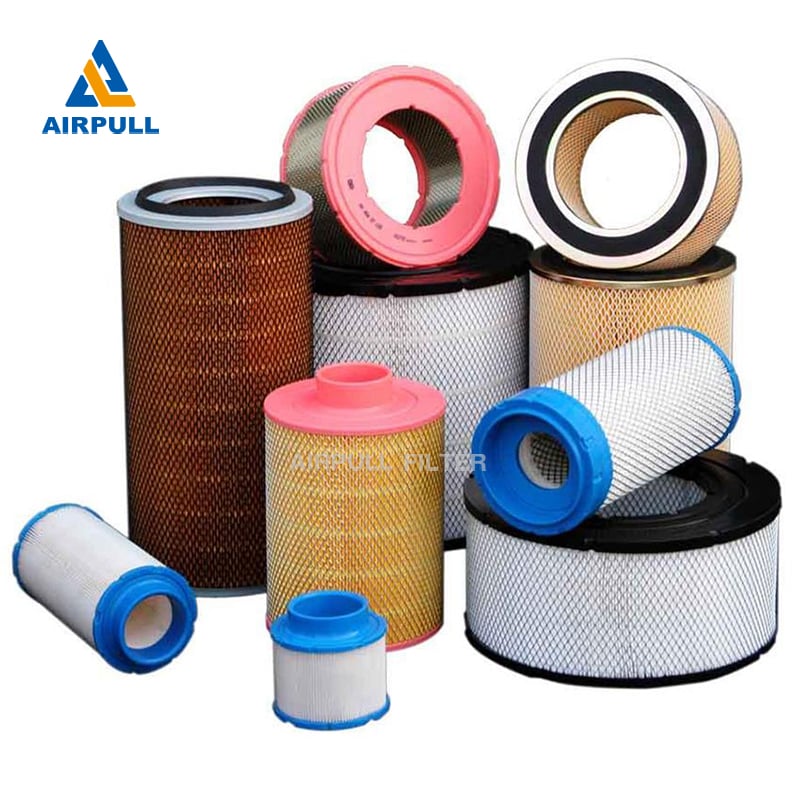
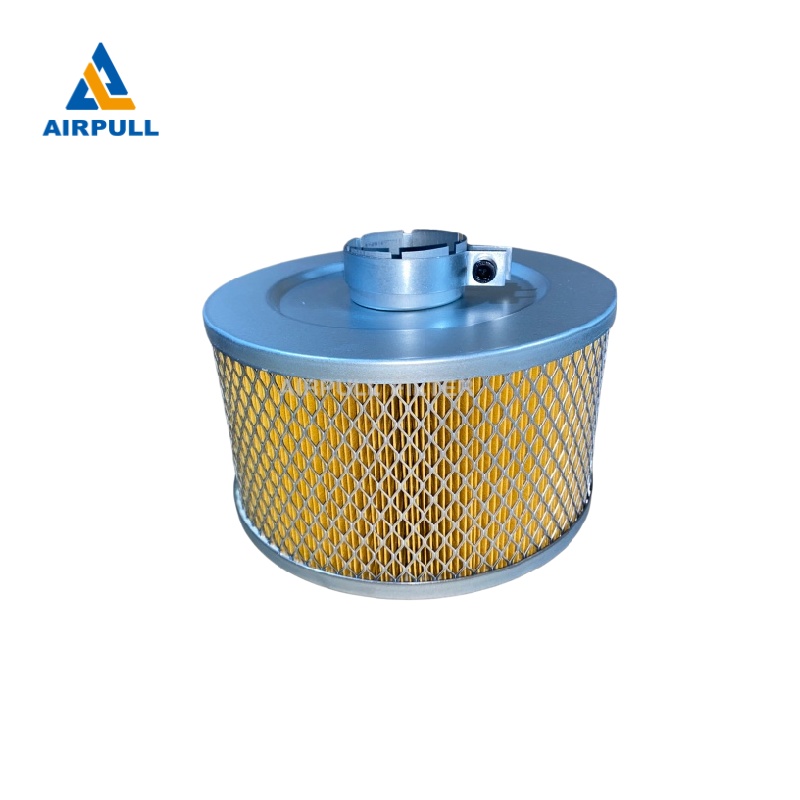
The air compressor filter ensures clean intake air and protects internal components from dust and particles.
Steps:
Remove the filter cover, take out the old element, and inspect it. Replace it if clogged, deformed, or damaged. Clean the filter housing before installing the new element.
Risks:
Dirty or low-quality filters reduce airflow, lower efficiency, and accelerate internal wear.
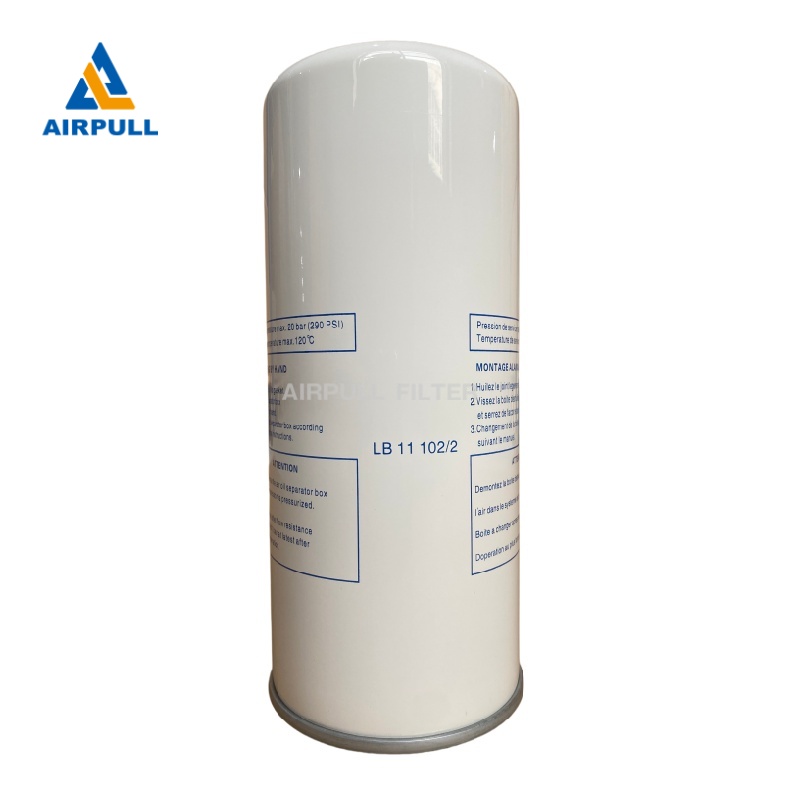
The compressor oil filter removes impurities from lubricating oil and protects bearings and rotors.
Steps:
Remove the old oil filter with a strap wrench. Clean the sealing surface, apply oil to the new gasket, pre-fill the new filter with oil, and tighten by hand plus ½–¾ turn with a wrench.
Risks:
Blocked oil filters restrict oil flow, cause overheating, and speed up oil aging.
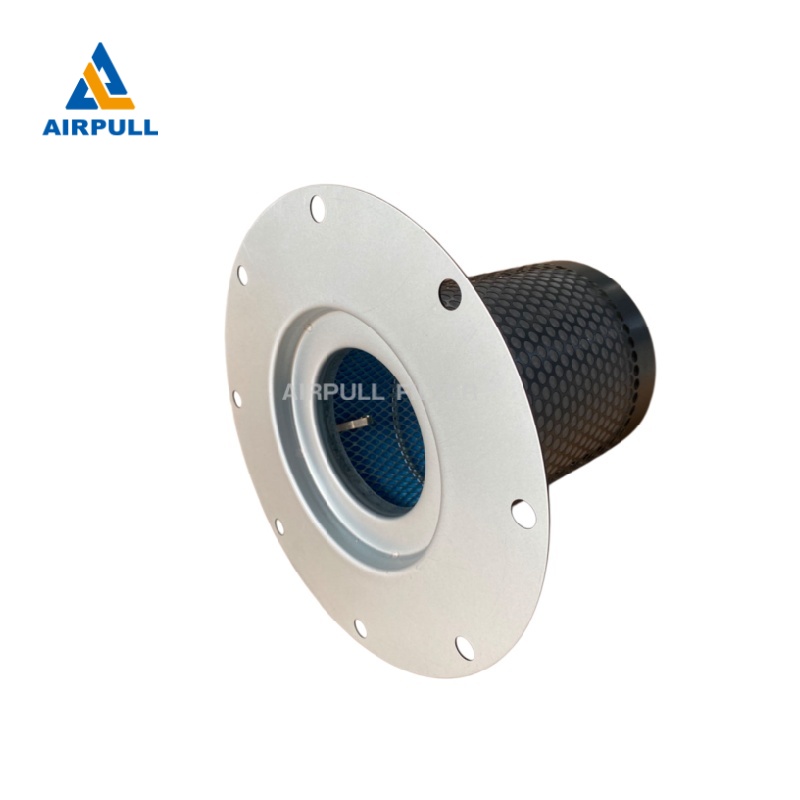
The air oil separator (also called the air oil separator filter) is critical for oil–air separation.
Steps:
Release all pressure, remove the separator cover, take out the old element, and clean the tank. Install the new air oil separator, and position the oil return pipe 3–5 mm from the bottom. Do not remove anti-static parts. Apply oil to the gasket before sealing.
Risks:
Poor oil separators cause high oil carryover and pressure drop. Long-term neglect can lead to separator rupture and oil contamination in pipelines.
Lubricating oil is the “blood” of the compressor.
Fill to the standard oil level mark.
Do not overfill or underfill.
Use only compressor lube designed for oil-injected screw compressors.
Never mix different oil brands or grades.
Check belt wear, tension, and pulley alignment. Ensure pulleys are in the same plane. Replace belts as a full set if any belt is worn. Adjust tension to the standard range.
Clean only when the unit is shut down. Blow dust from top to bottom with compressed air. Do not use metal brushes or hard tools.
After maintenance, start the compressor and monitor vibration, temperature, pressure, and motor current. Check for oil, air, or water leaks. If abnormalities appear, shut down immediately and fix them before restarting.
Routine maintenance of oil-injected screw air compressors is essential for safety, efficiency, and long service life. From replacing the air compressor filter, compressor oil filter, and air oil separator filter, to changing compressor oil, adjusting belts, and cleaning coolers—every step must follow strict standards.
With proper maintenance and high-quality compressor spare parts from a reliable air compressor spare parts supplier and professional air compressor spare parts manufacturer, compressed air becomes a safe, clean, and reliable energy source that supports stable and continuous production.
 Hot News
2026-05-18
2026-03-03
2026-01-31
2026-01-29
2026-01-22
2026-01-15

XINXIANG AIRPULL FILTER CO.,LTD provides high-efficiency air compressor filters, oil-gas separators, and industrial filtration systems. With 30+ years of expertise and 33 patents, we deliver reliable solutions for power, petroleum, and chemical industries. Global shipping to 50+ countries.
National Chemical and Physical Power Supply Industrial Park, Newqi Street, Muoye District, Xinxiang City, Henan Province
Copyright © 2026 XINXIANG AIRPULL FILTER CO.,LTD All rights reserved Privacy Policy

 EN
EN