 ×
×

As a core high-efficiency air compression device in industrial production, abnormal increases in oil consumption in screw air compressors are a common pain point for users. This not only drives up operational costs but may also trigger equipment fail...
Contact Us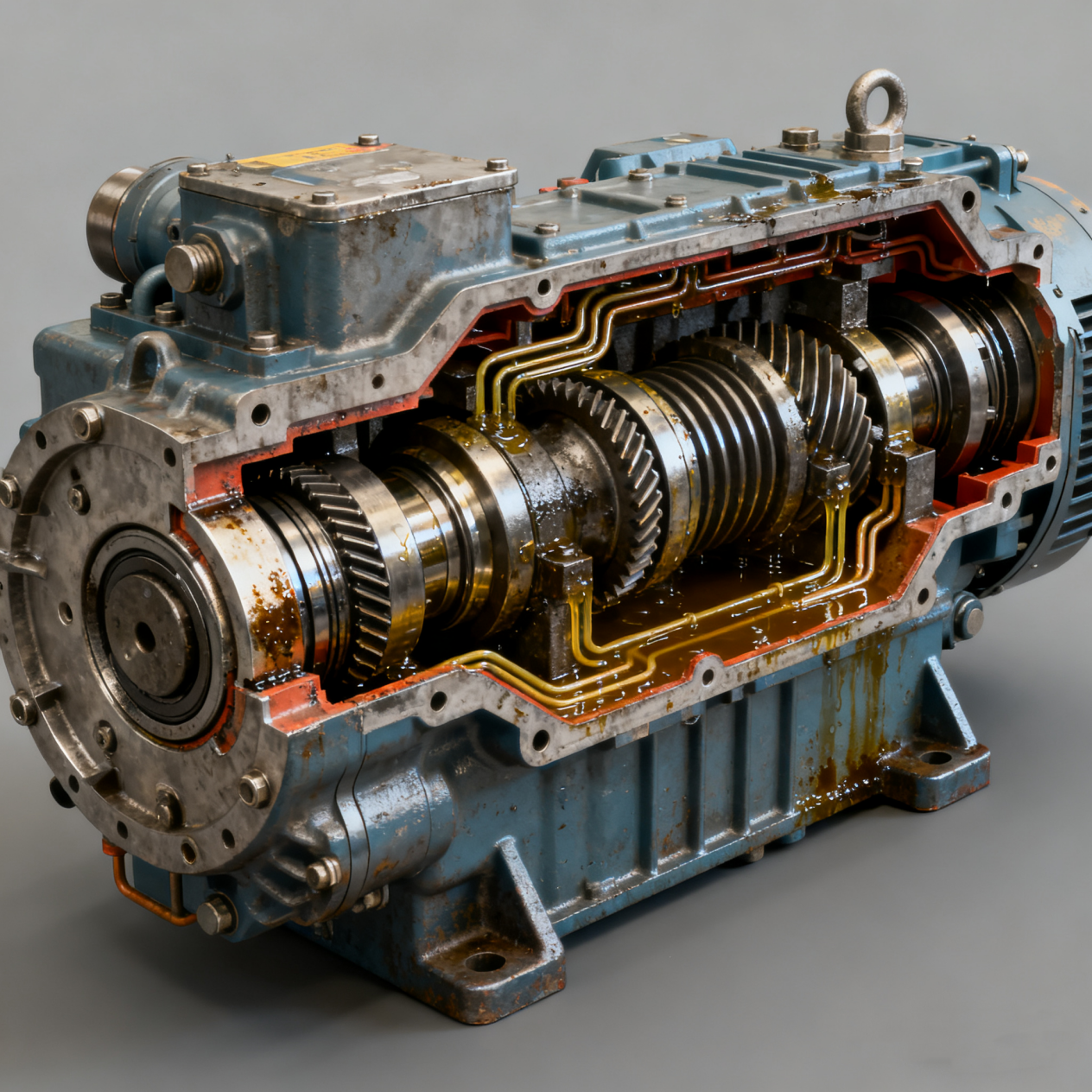
As a core high-efficiency air compression device in industrial production, abnormal increases in oil consumption in screw air compressors are a common pain point for users. This not only drives up operational costs but may also trigger equipment failures and disrupt production continuity. This article briefly analyzes the causes and provides targeted solutions for practical reference.
I. Core Causes of Increased Oil Consumption
Use of Substandard Lubricants: Non-compliant lubricants with inadequate viscosity and poor oxidation resistance fail to form effective lubricating films. This exacerbates friction and component wear, directly increasing oil consumption while potentially corroding parts and raising maintenance costs.
Oil System Leaks: Leaks (including micro-leaks) in pipelines, joints, or seals cause direct oil loss. Continuous oil replenishment is required to maintain operation, potentially triggering equipment overheating and component wear.
Oil-Air Separator Design Flaws: Improper internal baffle layout reduces oil-air separation efficiency, allowing lubricating oil to be carried away with compressed air, increasing consumption.
Oil separator element failure: Clogged, damaged, or end-of-life separator elements degrade separation performance, allowing significant oil droplets to exit with exhaust air and driving up oil consumption.
Prolonged low-pressure operation: Low-pressure conditions accelerate lubricant consumption, necessitating frequent oil replenishment while exacerbating component friction and shortening equipment lifespan.
Abnormal return oil lines: Blocked or improperly installed lines (excessive bends, excessive length) impede oil return, necessitating additional refills and increasing consumption.
Excessive lubricant filling: Oil levels exceeding markings cause excess oil to be carried out by compressed air, resulting in waste and environmental pollution.
II. Targeted Solutions
Replace with compliant genuine lubricants: Select compatible lubricants per equipment manuals. Regularly test oil viscosity and moisture content to ensure effective lubrication.
Repair oil circuit leaks: Locate leaks using professional tools or fluorescent leak detectors. Promptly replace damaged components to maintain oil circuit integrity.
Optimize oil-air separator design: Consult manufacturers for improvement plans or engage specialized agencies for upgrades to enhance oil-air separation efficiency.
Replace/Repair Oil Separator Elements: Replace failed elements immediately; opt for professional repair for minor damage to restore separation performance.
Increase Discharge Pressure: Adjust equipment parameters or replace air filters with high-efficiency models to avoid prolonged low-pressure operation and reduce oil consumption.
Redesign Oil Return Lines: Clear obstructed lines and re-plan installation layouts to minimize flow resistance and ensure smooth lubricant return.
Standardize oil filling volume: Adjust oil level to between the markings via the drain valve, then monitor and optimize after trial operation.
III. Conclusion
Increased oil consumption in screw air compressors requires comprehensive troubleshooting and targeted solutions. Users are advised to strengthen routine inspections, establish regular maintenance schedules, and select compliant parts and lubricants. This approach ensures stable equipment operation while effectively controlling costs and extending service life.

XINXIANG AIRPULL FILTER CO.,LTD provides high-efficiency air compressor filters, oil-gas separators, and industrial filtration systems. With 30+ years of expertise and 33 patents, we deliver reliable solutions for power, petroleum, and chemical industries. Global shipping to 50+ countries.
National Chemical and Physical Power Supply Industrial Park, Newqi Street, Muoye District, Xinxiang City, Henan Province
Copyright © 2026 XINXIANG AIRPULL FILTER CO.,LTD All rights reserved Privacy Policy

 EN
EN

