EN
EN


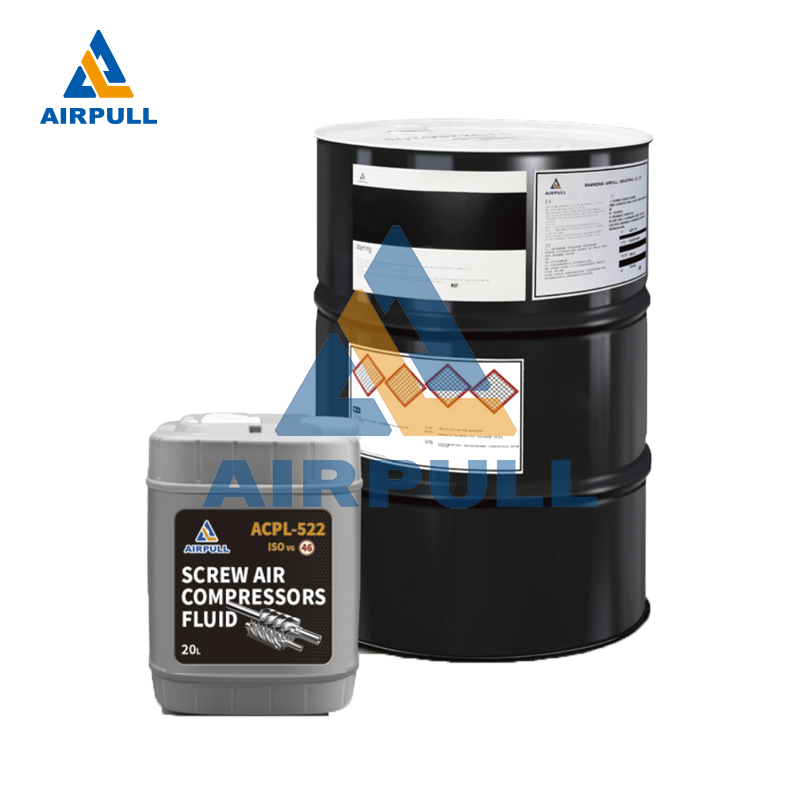
Industrial facilities worldwide rely heavily on compressed air systems to power critical operations, making screw compressor lubricating oil an essential component for maintaining optimal performance. However, many facility managers and maintenance professionals encounter recurring issues that can significantly impact equipment efficiency and longevity. Understanding these common problems and their root causes is crucial for preventing costly downtime and ensuring smooth operational continuity. The quality and condition of screw compressor lubricating oil directly influences the entire system's reliability, energy consumption, and maintenance requirements.
Oil Degradation and Chemical Breakdown
Thermal Stress and High Temperature Effects
One of the most prevalent issues affecting screw compressor lubricating oil is thermal degradation caused by excessive operating temperatures. When compressors operate under high ambient conditions or experience inadequate cooling, the oil undergoes chemical changes that reduce its protective properties. These elevated temperatures accelerate oxidation processes, leading to the formation of harmful deposits and acidic compounds that compromise equipment performance. The viscosity of screw compressor lubricating oil becomes unstable under thermal stress, resulting in either thickening or thinning beyond acceptable parameters.
Maintenance teams often observe darkening of the oil color as an early indicator of thermal breakdown. This discoloration signals the formation of carbonaceous deposits that can clog internal passages and reduce heat transfer efficiency. The chemical structure of the lubricant begins to deteriorate, losing its ability to provide adequate protection against wear and corrosion. Regular temperature monitoring and proper cooling system maintenance are essential for preventing thermal-related oil degradation issues.
Oxidation and Acid Formation
Oxidation represents another critical challenge for screw compressor lubricating oil systems, particularly in environments with high moisture content or contamination exposure. When oil molecules react with oxygen in the presence of heat and metallic catalysts, they form organic acids and other corrosive compounds. These acidic byproducts attack metal surfaces within the compressor, leading to corrosion and premature component failure. The pH level of the lubricant gradually decreases, creating an increasingly hostile environment for internal components.
The oxidation process accelerates exponentially with temperature increases, following the Arrhenius equation where reaction rates double for every ten-degree Celsius rise. Facility managers must implement proper filtration and separation systems to remove moisture and contaminants that catalyze oxidation reactions. Regular oil analysis can detect early signs of oxidation through acid number testing and infrared spectroscopy, enabling proactive maintenance interventions before significant damage occurs.
Contamination Issues and Foreign Material Ingress
Water and Moisture Infiltration
Water contamination poses a significant threat to screw compressor lubricating oil integrity, occurring through various pathways including humid ambient air, cooling system leaks, and condensation during shutdown cycles. Even small amounts of water can dramatically alter the oil's properties, reducing its load-carrying capacity and promoting microbial growth. The presence of water accelerates hydrolysis reactions that break down additive packages and base oil molecules, compromising the lubricant's protective capabilities.
Emulsification occurs when water content exceeds the oil's saturation point, creating a milky appearance that indicates severe contamination. This condition prevents proper lubrication film formation and can lead to increased friction, wear, and potential seizure of rotating components. Advanced screw compressor lubricating oil formulations include improved water separation characteristics, but proper system design and maintenance remain critical for preventing moisture infiltration.
Particulate Contamination and Debris
Solid particle contamination represents another major concern for screw compressor lubricating oil systems, originating from wear debris, external dust ingress, and manufacturing residues. These microscopic particles act as abrasive agents that accelerate wear between moving surfaces, creating a cascade effect where initial contamination generates additional debris. The size and hardness of contaminant particles directly influence their destructive potential, with particles in the 2-40 micron range being particularly damaging to precision clearances.
Inadequate filtration systems often allow harmful particles to circulate throughout the lubrication circuit, causing scoring, pitting, and surface fatigue on critical components. The accumulation of metallic debris can also catalyze oxidation reactions and promote further oil degradation. Modern filtration technologies, including multi-stage systems and bypass filtration, help maintain acceptable cleanliness levels for screw compressor lubricating oil applications. Regular particle count analysis provides quantitative data for monitoring contamination trends and optimizing filtration strategies.
Additive Depletion and Performance Loss
Anti-Wear Package Deterioration
The additive package in screw compressor lubricating oil serves multiple critical functions, including wear protection, oxidation inhibition, and foam suppression. Over time, these carefully balanced chemical compounds become depleted through normal consumption and degradation processes. Anti-wear additives, typically based on zinc dialkyldithiophosphate or other organometallic compounds, sacrifice themselves to protect metal surfaces from direct contact and adhesive wear. As these protective agents become exhausted, the risk of component damage increases significantly.
The depletion rate of additives varies depending on operating conditions, temperature exposure, and contamination levels. High-stress applications with frequent start-stop cycles tend to consume anti-wear additives more rapidly than continuous-duty operations. Regular oil analysis can monitor additive levels through elemental analysis, enabling predictive maintenance strategies that replace screw compressor lubricating oil before protective margins are compromised. Understanding additive consumption patterns helps optimize drain intervals and prevent premature equipment failure.
Viscosity Modifiers and Thermal Stability
Viscosity index improvers and thermal stability modifiers play crucial roles in maintaining consistent screw compressor lubricating oil performance across varying operating conditions. These polymer-based additives can undergo mechanical shearing under high stress conditions, permanently reducing their effectiveness. Temporary viscosity loss due to shearing is often followed by permanent degradation that cannot be reversed through normal operation. This phenomenon is particularly problematic in applications with high rotational speeds or pressure differentials.
Temperature fluctuations also stress viscosity modifier molecules, causing them to break down and lose their ability to maintain stable viscosity characteristics. The result is increased viscosity variation with temperature changes, leading to poor lubrication performance during startup or high-temperature operation. Modern synthetic screw compressor lubricating oil formulations often provide better inherent viscosity-temperature characteristics, reducing dependence on polymer additives and improving long-term stability.
System Design and Operational Factors
Inadequate Cooling and Heat Management
Poor heat management represents a fundamental issue that affects screw compressor lubricating oil performance across multiple dimensions. Insufficient cooling capacity, blocked heat exchangers, or inadequate airflow can cause oil temperatures to exceed design limits, accelerating all degradation mechanisms. The exponential relationship between temperature and oil life means that even modest temperature increases can dramatically reduce lubricant service intervals and equipment reliability.
Many facilities underestimate the importance of maintaining optimal cooling system performance, focusing primarily on compressor mechanical components while neglecting thermal management infrastructure. Fouled coolers, failed thermostatic valves, and inadequate ventilation contribute to elevated oil temperatures that compromise screw compressor lubricating oil integrity. Regular thermal imaging surveys and temperature monitoring help identify cooling system deficiencies before they cause irreversible damage to the lubricant and equipment.
Improper Oil Selection and Compatibility
Selecting the wrong grade or type of screw compressor lubricating oil for specific applications can create numerous problems that manifest as apparent oil failures. Viscosity grades that are too high or low for operating conditions result in inadequate lubrication film thickness or excessive energy consumption. Synthetic and mineral oil compatibility issues can cause additive precipitation, seal degradation, and unpredictable performance characteristics when different lubricant types are mixed.
Many facilities attempt to standardize on a single lubricant grade to simplify inventory management, but this approach often compromises performance in applications with unique requirements. High-temperature operations, extreme pressure conditions, and extended drain intervals may require specialized screw compressor lubricating oil formulations with enhanced thermal stability and additive packages. Proper oil selection requires careful consideration of operating conditions, manufacturer recommendations, and compatibility with existing system materials.
Maintenance Practices and Monitoring
Oil Analysis and Condition Monitoring
Effective oil analysis programs provide essential insights into screw compressor lubricating oil condition and help identify emerging problems before they cause equipment damage. Routine testing should include viscosity measurements, acid number determination, water content analysis, and particle counting to establish baseline conditions and track degradation trends. Spectroscopic analysis reveals wear metal concentrations and additive depletion rates, enabling predictive maintenance strategies that optimize oil change intervals.
Many organizations struggle with interpreting oil analysis results and establishing appropriate alarm limits for different parameters. Trend analysis often provides more valuable information than absolute values, as gradual changes indicate developing problems that require attention. The frequency of oil sampling should reflect operating severity and equipment criticality, with high-stress applications requiring more frequent monitoring than standard-duty operations involving screw compressor lubricating oil systems.
Drain Interval Optimization
Determining optimal drain intervals for screw compressor lubricating oil requires balancing equipment protection requirements against operational costs and environmental considerations. Conservative approaches that change oil too frequently waste resources and increase disposal costs, while extended intervals risk equipment damage from degraded lubricant performance. Oil analysis data provides objective criteria for establishing condition-based maintenance schedules that optimize both reliability and cost-effectiveness.
Operating conditions significantly influence appropriate drain intervals, with high-temperature applications requiring more frequent changes than moderate-duty operations. Contamination levels, additive depletion rates, and viscosity changes all factor into drain interval decisions. Facilities should establish clear criteria for oil replacement based on measurable parameters rather than arbitrary time-based schedules that may not reflect actual screw compressor lubricating oil condition.
FAQ
What causes screw compressor lubricating oil to turn dark or black
Dark or black coloration in screw compressor lubricating oil typically indicates thermal degradation and oxidation. High operating temperatures cause chemical breakdown of oil molecules, forming carbonaceous deposits and other dark-colored compounds. This discoloration signals that the oil has exceeded its thermal stability limits and may no longer provide adequate protection for compressor components. Immediate investigation of cooling system performance and consideration of oil replacement are recommended when significant color changes occur.
How often should screw compressor lubricating oil be changed
Oil change intervals depend on operating conditions, oil quality, and equipment design rather than fixed time schedules. Most manufacturers recommend initial intervals of 2000-8000 operating hours for mineral oils and 4000-16000 hours for synthetic formulations. However, oil analysis provides the most reliable method for determining actual replacement needs based on viscosity changes, acid formation, and additive depletion. Facilities with severe operating conditions may require more frequent changes, while moderate-duty applications might extend intervals safely.
Can different brands of screw compressor lubricating oil be mixed
Mixing different brands or types of screw compressor lubricating oil is generally not recommended due to potential compatibility issues between additive packages and base oil formulations. Even oils meeting the same specifications may use different additive chemistries that can interact unpredictably, causing precipitation, performance degradation, or seal compatibility problems. When oil changes are necessary, complete system drainage and flushing ensure optimal performance from the new lubricant. Emergency top-ups with different oils should be followed by complete oil changes as soon as practical.
What temperature range is safe for screw compressor lubricating oil operation
Most screw compressor lubricating oils perform optimally between 160-200°F (71-93°C) discharge temperature, though specific limits vary by formulation and manufacturer recommendations. Continuous operation above 220°F (104°C) significantly accelerates oil degradation and reduces service life. Synthetic formulations typically offer better high-temperature stability than mineral oils, with some grades suitable for continuous operation up to 250°F (121°C). Temperature monitoring and proper cooling system maintenance are essential for preventing thermal damage to the lubricant and equipment.