EN
EN


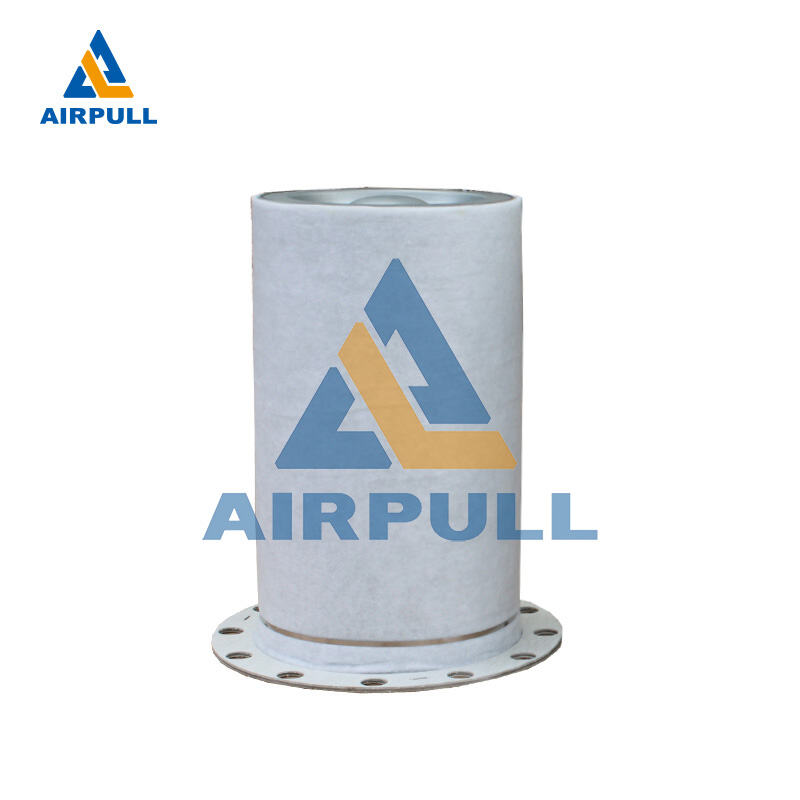
Proper maintenance of compressed air systems relies heavily on understanding the critical components that ensure optimal performance and longevity. Among these components, the air oil separator stands as one of the most vital elements, directly impacting air quality, equipment efficiency, and operational costs. Industrial facilities that neglect proper separator maintenance often face decreased productivity, higher energy consumption, and premature equipment failure.
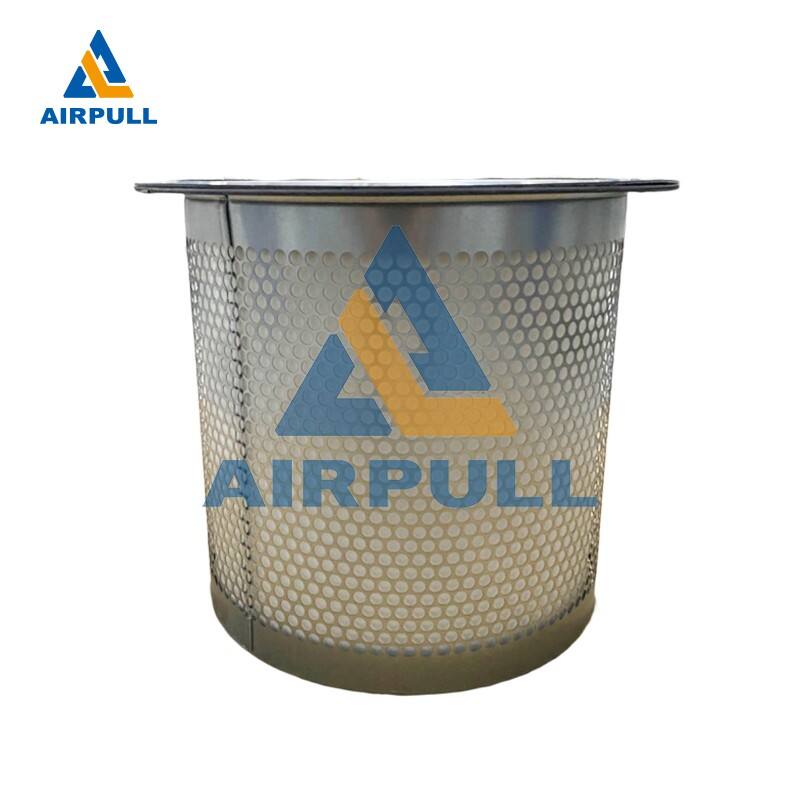
Understanding the function and maintenance requirements of separator systems enables facility managers to implement proactive strategies that minimize downtime and maximize return on investment. This comprehensive approach to separator maintenance ensures consistent air quality standards while reducing operational expenses across industrial applications.
Understanding Air Oil Separator Fundamentals
Core Operating Principles
The primary function of an air oil separator involves removing lubricating oil from compressed air streams through advanced filtration mechanisms. These systems utilize multiple separation stages, including coalescing filters and centrifugal separation chambers, to achieve high-efficiency oil removal rates. Modern separator designs incorporate precision-engineered media that captures oil droplets as small as 0.01 microns, ensuring exceptional air purity for downstream applications.
Temperature and pressure differentials play crucial roles in separator performance, with optimal operating conditions typically maintained between 160-200 degrees Fahrenheit and specific pressure ranges depending on compressor specifications. Understanding these parameters helps maintenance teams identify potential issues before they impact system performance or air quality standards.
System Integration Considerations
Effective separator integration requires careful attention to positioning, piping configurations, and compatibility with existing compressor systems. The separator must be installed downstream from the compression stage but upstream from air treatment equipment to maximize efficiency. Proper sizing calculations consider air flow rates, operating pressures, and contamination levels to ensure adequate separation capacity.
Installation specifications typically include vibration dampening measures, accessibility for maintenance operations, and appropriate drainage systems for collected oil recovery. These considerations directly impact long-term maintenance requirements and overall system reliability throughout the operational lifecycle.
Preventive Maintenance Protocols
Inspection Scheduling and Documentation
Establishing systematic inspection protocols ensures consistent separator performance while identifying potential issues before they escalate into costly repairs. Weekly visual inspections should focus on external components, including housing integrity, connection tightness, and drainage system functionality. Monthly detailed inspections involve pressure differential measurements, temperature monitoring, and oil carryover testing to verify separation efficiency.
Comprehensive documentation systems track inspection results, maintenance activities, and performance trends over time. This historical data enables predictive maintenance strategies that optimize replacement intervals while minimizing unexpected failures. Digital maintenance logs facilitate trend analysis and help establish baseline performance metrics for each separator unit.
Filter Element Replacement Guidelines
Filter element replacement represents one of the most critical maintenance activities for maintaining separator efficiency and air quality standards. Replacement intervals depend on operating conditions, contamination levels, and manufacturer specifications, but typically range from 1000 to 4000 operating hours. Monitoring pressure differential across the separator provides reliable indicators for replacement timing.
Proper replacement procedures require system shutdown, pressure relief, and careful handling of contaminated elements to prevent environmental exposure. High-quality replacement elements should meet or exceed original equipment specifications, with particular attention to filtration efficiency ratings and construction materials compatible with operating conditions.
Performance Optimization Strategies
Efficiency Monitoring Techniques
Continuous monitoring of separator performance involves tracking key performance indicators including oil carryover rates, pressure differential trends, and downstream air quality measurements. Modern monitoring systems utilize digital sensors and data logging capabilities to provide real-time performance feedback and automated alert systems for maintenance requirements.
Oil carryover testing should be conducted regularly using standardized measurement procedures to verify that the air oil separator maintains acceptable efficiency levels. These measurements typically target carryover rates below 3 parts per million to ensure compliance with air quality standards and protect downstream equipment from oil contamination.
Troubleshooting Common Issues
Identifying and addressing common separator problems requires systematic diagnostic approaches that examine multiple system variables. High oil carryover rates often indicate filter element saturation, improper installation, or excessive operating pressures that exceed design specifications. Temperature fluctuations may suggest inadequate cooling capacity or restricted airflow through separator chambers.
Pressure differential anomalies frequently point to filter element clogging, drainage system blockages, or internal component wear that compromises separation efficiency. Addressing these issues promptly prevents cascading failures that could impact entire compressed air systems and downstream production processes.
Cost-Effective Maintenance Approaches
Inventory Management Strategies
Effective spare parts inventory management balances immediate availability with storage costs while ensuring critical components remain accessible when needed. Stocking strategies should consider lead times for replacement elements, seasonal demand variations, and bulk purchasing opportunities that reduce per-unit costs without excessive inventory investment.
Establishing relationships with reliable suppliers ensures consistent access to high-quality replacement components while maintaining competitive pricing structures. Vendor partnerships often provide technical support, training resources, and warranty programs that enhance overall maintenance effectiveness and reduce total cost of ownership.
Training and Skill Development
Comprehensive training programs equip maintenance personnel with specialized knowledge required for effective separator maintenance and troubleshooting. Training curricula should cover safety procedures, proper handling techniques, diagnostic methods, and documentation requirements specific to separator systems and air quality management.
Ongoing education ensures maintenance teams stay current with evolving technologies, regulatory requirements, and best practices that improve maintenance efficiency and system reliability. Certification programs validate competency levels and demonstrate commitment to professional maintenance standards throughout the organization.
Environmental and Safety Considerations
Waste Management Protocols
Proper disposal of used separator elements and collected oil requires compliance with environmental regulations and safety protocols that protect personnel and surrounding communities. Contaminated elements typically require specialized disposal through licensed waste management facilities equipped to handle oil-saturated filtration media safely and responsibly.
Oil recovery systems enable recycling of separated lubricants when contamination levels permit reprocessing or alternative applications. These recovery programs reduce waste disposal costs while supporting environmental sustainability initiatives that align with corporate responsibility objectives and regulatory compliance requirements.
Safety Procedures and Risk Mitigation
Maintenance activities involving separator systems require strict adherence to safety protocols that address pressure relief, lockout procedures, and personal protective equipment requirements. Hot surfaces, pressurized components, and oil contamination present specific hazards that demand specialized safety measures and emergency response procedures.
Risk assessment protocols identify potential safety concerns before maintenance activities begin, ensuring appropriate precautions and emergency equipment remain readily accessible. Regular safety training updates maintain awareness of evolving safety standards and reinforce proper procedures among maintenance personnel.
FAQ
How often should air oil separator elements be replaced
Replacement intervals for air oil separator elements typically range from 1000 to 4000 operating hours, depending on operating conditions, contamination levels, and manufacturer specifications. However, pressure differential monitoring provides the most reliable indicator for replacement timing, with most systems requiring element changes when pressure drop exceeds 15 PSI across the separator. Regular oil carryover testing and visual inspections help validate replacement schedules and ensure optimal separator performance.
What are the signs of a failing air oil separator
Common indicators of separator failure include increased oil carryover rates above 3 PPM, excessive pressure differential across the unit, visible oil contamination in downstream air lines, and unusual temperature fluctuations during operation. Additional warning signs include reduced compressor efficiency, frequent moisture problems in air treatment equipment, and premature wear of pneumatic tools or equipment supplied by the compressed air system.
Can air oil separator maintenance be performed during system operation
Most air oil separator maintenance activities require complete system shutdown to ensure safety and proper access to internal components. However, routine visual inspections, temperature monitoring, and pressure differential measurements can typically be performed during normal operation using appropriate monitoring equipment. Oil carryover testing may also be conducted during operation, but element replacement and internal inspection procedures always require system shutdown and proper lockout procedures.
What factors affect air oil separator efficiency and lifespan
Several factors significantly impact separator efficiency and operational lifespan, including operating temperature and pressure conditions, air flow rates, contamination levels in the compressed air system, and quality of lubricating oil used in the compressor. Environmental factors such as ambient temperature, humidity levels, and dust contamination also influence separator performance. Proper installation, regular maintenance, and adherence to manufacturer specifications help maximize both efficiency and service life of separator systems.