EN
EN


Industrial air compressors are the backbone of countless manufacturing operations, providing the compressed air necessary for pneumatic tools, automated systems, and production processes. Among the various compressor technologies available today, rotary screw compressors stand out for their efficiency, reliability, and continuous operation capabilities. However, like any sophisticated mechanical equipment, these systems require proper maintenance to ensure optimal performance and longevity. One of the most critical maintenance aspects involves the proper selection, application, and management of screw compressor lubricating oil.
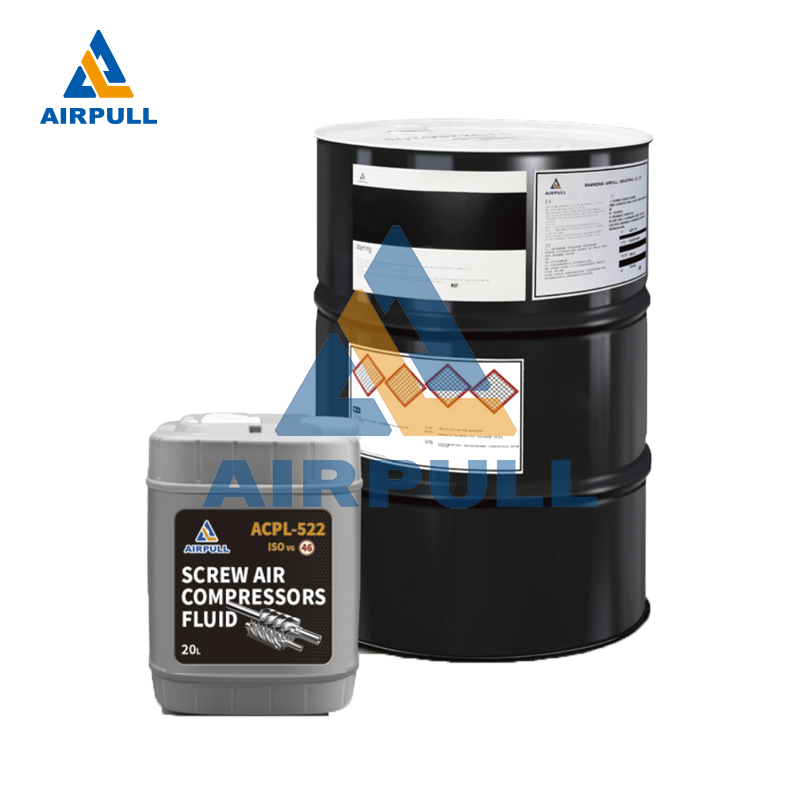
The lubricating oil in rotary screw compressors serves multiple essential functions beyond simple lubrication. It acts as a coolant, removing heat generated during compression processes, while simultaneously providing sealing between rotor elements to maintain compression efficiency. Additionally, the oil helps remove contaminants from the compression chamber and protects internal components from corrosion. Understanding these multifaceted roles is crucial for developing effective maintenance strategies that maximize equipment performance and minimize operational costs.
Modern industrial environments demand increasingly sophisticated approaches to compressor maintenance, driven by the need for improved energy efficiency, reduced environmental impact, and enhanced operational reliability. The quality and condition of screw compressor lubricating oil directly influence all these factors, making proper oil management a cornerstone of successful compressor operations. This comprehensive approach encompasses everything from initial oil selection to ongoing monitoring, scheduled replacements, and contamination prevention strategies.
Understanding Screw Compressor Oil Requirements
Oil Viscosity and Performance Characteristics
Viscosity represents one of the most important characteristics when selecting appropriate lubricating oil for rotary screw compressors. The oil must maintain proper viscosity across a wide range of operating temperatures to ensure effective lubrication, sealing, and heat transfer. Too low viscosity can result in inadequate lubrication and poor sealing, while excessive viscosity may impede oil circulation and increase energy consumption. Most manufacturers specify ISO viscosity grades between 32 and 100, with ISO 46 being the most common recommendation for standard industrial applications.
Temperature stability becomes particularly critical in applications involving variable operating conditions or extreme ambient temperatures. High-quality synthetic oils typically offer superior viscosity index ratings compared to conventional mineral oils, providing more consistent performance across temperature ranges. This stability directly translates to improved compressor efficiency, reduced wear rates, and extended service intervals. Additionally, synthetic formulations often demonstrate enhanced resistance to oxidation and thermal breakdown, factors that significantly impact oil life and system cleanliness.
The relationship between oil viscosity and compressor efficiency extends beyond basic lubrication requirements. Properly matched viscosity grades minimize internal leakage between compression chambers while ensuring adequate oil flow for cooling and cleaning functions. Regular viscosity monitoring through laboratory analysis helps identify trends that may indicate developing problems such as fuel dilution, coolant contamination, or excessive thermal stress. These early warning signs enable proactive maintenance interventions before costly equipment failures occur.
Additive Packages and Chemical Compatibility
Modern screw compressor oils incorporate sophisticated additive packages designed to enhance performance and extend service life under demanding operating conditions. Anti-oxidants prevent oil degradation caused by high temperatures and oxygen exposure, while anti-wear additives protect critical surfaces during boundary lubrication conditions. Corrosion inhibitors safeguard internal components from moisture-related damage, and anti-foam agents ensure proper oil circulation by preventing excessive foam formation during operation.
Chemical compatibility considerations become paramount when selecting lubricating oils for specific compressor models and applications. Different elastomer materials used in seals and gaskets may react adversely with certain oil formulations or additive systems. Manufacturers typically provide compatibility charts specifying approved oil types for their equipment, and deviation from these recommendations can void warranties while potentially causing seal degradation or component failure. Regular consultation with equipment manufacturers and oil suppliers helps ensure ongoing compatibility as formulations evolve.
The interaction between oil additives and system materials extends beyond simple compatibility to include long-term performance implications. Some additive systems may deposit on internal surfaces over time, while others might interact with filtration media or separation elements. Understanding these interactions enables better prediction of maintenance requirements and helps optimize service intervals. Additionally, proper additive selection can enhance oil performance in challenging environments involving moisture, contaminants, or extreme operating conditions.
Oil Monitoring and Analysis Programs
Establishing Baseline Conditions
Effective oil monitoring begins with establishing comprehensive baseline conditions for new or recently serviced compressors. This baseline should include detailed analysis of fresh oil properties, system cleanliness levels, and initial operating parameters. Key measurements typically encompass viscosity, acid number, water content, particle count, and elemental composition. These baseline values serve as reference points for tracking oil condition changes over time and identifying developing trends before they result in equipment problems.
Documentation of baseline conditions should extend beyond simple laboratory results to include operational factors that influence oil performance. Operating temperatures, pressure levels, duty cycles, and environmental conditions all impact oil degradation rates and contamination patterns. Correlating analytical trends with operational data provides valuable insights into system behavior and helps optimize maintenance schedules based on actual rather than calendar-based intervals. This data-driven approach typically results in improved reliability while reducing unnecessary maintenance costs.
Regular comparison of current oil condition against established baselines enables early detection of abnormal trends that might indicate developing problems. Gradual increases in acid number may suggest oxidation issues, while rising metal content could indicate accelerated wear. Water contamination trends might reveal seal problems or environmental ingress, while particle count increases could signal filtration system degradation. Identifying these trends early allows for targeted interventions that prevent minor issues from escalating into major failures.
Sampling Techniques and Analysis Frequency
Proper sampling techniques are essential for obtaining representative oil samples that accurately reflect system conditions. Sample ports should be located in areas with good oil circulation, typically downstream of filters but upstream of coolers where possible. Hot sampling generally provides more accurate results than cold sampling, as it ensures thorough mixing of oil components and reflects actual operating conditions. Proper sample container preparation, labeling, and chain of custody procedures help ensure reliable analytical results.
Analysis frequency should be tailored to specific operating conditions, equipment criticality, and historical performance data. High-duty applications or critical systems may require monthly analysis, while standard applications might be adequately monitored quarterly. New installations or recently overhauled systems often benefit from more frequent initial monitoring to establish operating patterns and verify proper break-in procedures. Environmental factors such as dusty conditions, high humidity, or temperature extremes may also warrant increased monitoring frequency.
The selection of analytical tests should reflect specific monitoring objectives and known failure modes for the equipment and application. Standard analysis packages typically include viscosity, acid number, water content, and wear metals, while extended packages might add particle counting, foam tendency, or specialized tests for specific contaminants. Understanding the relationship between different analytical parameters helps prioritize testing and focus resources on the most valuable diagnostic information for each application.
Preventive Maintenance Scheduling
Oil Change Intervals and Optimization
Traditional oil change intervals based solely on operating hours or calendar time often fail to account for actual oil condition and system operating factors. Modern maintenance approaches increasingly rely on condition-based strategies that extend oil life when conditions permit while enabling early changes when oil degradation accelerates. This optimization typically requires comprehensive understanding of oil performance limits, system operating conditions, and the relationship between oil condition and equipment reliability.
Factors influencing optimal oil change intervals include operating temperature patterns, contamination ingress rates, system design characteristics, and oil quality parameters. High-temperature operation accelerates oxidation and additive depletion, requiring more frequent changes, while clean operating environments and effective filtration systems may permit extended intervals. Load factor variations, start-stop cycles, and environmental conditions all impact oil degradation rates and should be considered when establishing maintenance schedules.
Economic optimization of oil change intervals involves balancing oil costs against potential equipment damage, energy efficiency losses, and unscheduled maintenance expenses. While extending oil life reduces direct lubricant costs, operating with degraded oil can increase energy consumption, accelerate component wear, and ultimately result in costly failures. Comprehensive cost analysis should consider all these factors to identify optimal change intervals that minimize total operating costs rather than simply reducing lubricant expenses.
Filter Maintenance and System Cleanliness
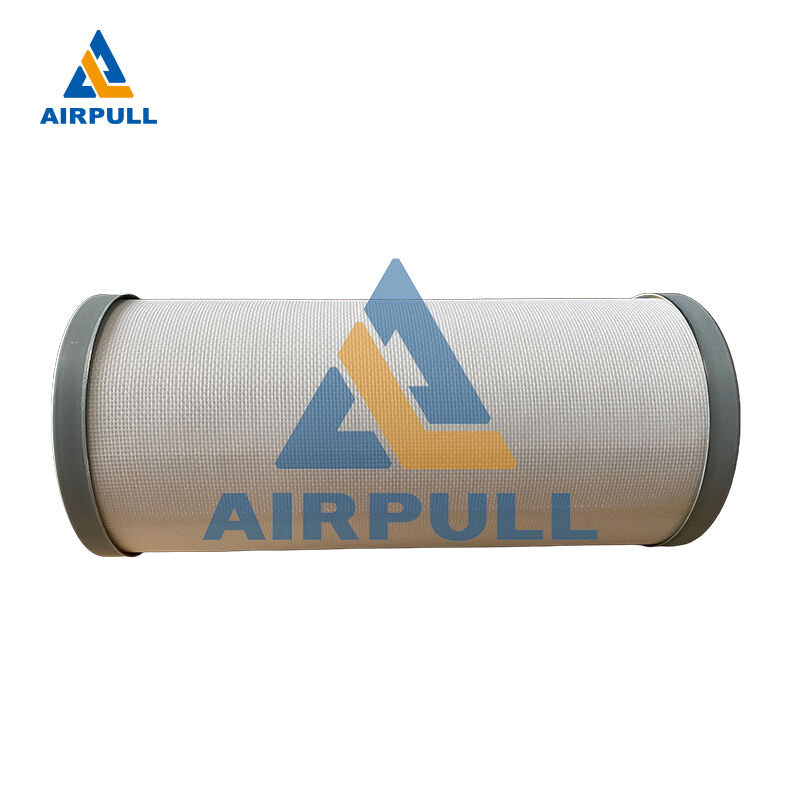
Oil filtration systems play crucial roles in maintaining screw compressor lubricating oil cleanliness and extending service life. Proper filter maintenance involves regular monitoring of pressure differentials, scheduled element replacements, and periodic system flushing to remove accumulated contaminants. Filter bypass valves should be checked to ensure they operate at specified pressures and do not allow unfiltered oil circulation during normal operation. Inadequate filtration significantly reduces oil life and increases component wear rates.
Different filter types serve specific functions within compressor lubrication systems, and understanding these roles helps optimize maintenance strategies. Full-flow filters remove larger particles and maintain basic oil cleanliness, while bypass filters provide enhanced cleaning for extended periods. Coalescers separate water from oil, and activated carbon elements can remove certain chemical contaminants. Coordinating maintenance schedules for different filter types ensures consistent system cleanliness and optimal oil performance.
System flushing procedures become particularly important during oil changes or after component failures that introduce significant contamination. Proper flushing removes degraded oil residues, accumulated deposits, and foreign materials that could contaminate fresh oil. The extent of flushing required depends on oil condition, contamination levels, and system design characteristics. Some applications may require specialized flushing fluids or multiple flush cycles to achieve acceptable cleanliness levels before introducing new lubricant.
Troubleshooting Common Oil-Related Issues
Contamination Sources and Prevention
Water contamination represents one of the most common and damaging issues affecting screw compressor lubricating oil performance. Water ingress can occur through various pathways including atmospheric moisture, cooling system leaks, or inadequate oil/air separation. Even small amounts of water can accelerate oxidation, promote microbial growth, reduce lubrication effectiveness, and cause corrosion of internal components. Prevention strategies include proper separator maintenance, effective drainage systems, and environmental controls to minimize moisture exposure.
Particulate contamination from external sources or internal wear processes significantly impacts oil performance and equipment reliability. External contaminants typically enter through inadequate air filtration, compromised seals, or maintenance procedures, while internal particles result from component wear or corrosion. Effective contamination control requires comprehensive approaches addressing both ingress prevention and contamination removal through filtration and separation systems. Regular particle count monitoring helps track contamination trends and evaluate control measure effectiveness.
Chemical contamination from process gases, cleaning solvents, or incompatible materials can severely degrade oil performance and cause equipment damage. Some chemical contaminants react directly with oil or additive components, while others may affect seal materials or promote corrosion. Prevention requires careful attention to process isolation, proper cleaning procedures, and material compatibility verification. When contamination occurs, prompt identification and remediation help minimize damage and restore normal operation.
Performance Degradation and Corrective Actions
Oil oxidation represents a natural aging process that accelerates under high temperature conditions, resulting in increased viscosity, acid formation, and deposit generation. Early stages of oxidation may be manageable through additive replenishment or blending with fresh oil, while advanced oxidation typically requires complete oil replacement and system cleaning. Monitoring acid number trends provides early warning of oxidation progression and enables timely intervention before serious problems develop.
Additive depletion occurs gradually during normal operation and accelerates under severe service conditions such as high temperatures, contamination, or excessive air exposure. Different additives deplete at varying rates, and understanding these patterns helps predict when oil performance may become inadequate. Some additive systems can be replenished through top-off procedures, while others require complete oil replacement. Regular analysis helps optimize additive management strategies and extend oil service life when possible.
Foam formation problems typically result from contamination, additive depletion, or improper oil selection for specific operating conditions. Excessive foaming reduces lubrication effectiveness, impairs heat transfer, and may cause oil carryover into compressed air systems. Identifying root causes requires systematic investigation of oil condition, contamination sources, and operating parameters. Solutions may include oil replacement, contamination removal, system modifications, or alternative oil selection depending on underlying causes.
FAQ
How often should screw compressor lubricating oil be changed
Oil change frequency depends on multiple factors including operating conditions, oil quality, and system design characteristics. Standard mineral oils typically require changes every 2000-4000 hours, while high-quality synthetic oils may extend to 8000 hours or more under favorable conditions. Condition-based monitoring through regular oil analysis provides the most accurate method for determining optimal change intervals, as actual oil condition may vary significantly from manufacturer recommendations based on specific operating environments and duty cycles.
What are the signs that compressor oil needs immediate replacement
Several indicators suggest immediate oil replacement is necessary, including significant viscosity changes, high acid numbers indicating oxidation, water contamination above acceptable limits, or excessive wear metal content. Visual indicators such as dark coloration, strong odors, or foam formation also warrant immediate attention. Additionally, operational symptoms like increased operating temperatures, reduced efficiency, or unusual noises may indicate oil-related problems requiring prompt investigation and potential oil replacement.
Can different brands of compressor oil be mixed safely
Mixing different oil brands or types is generally not recommended due to potential additive incompatibilities and performance variations. Different manufacturers use varying base oil types and additive packages that may interact unpredictably when combined. If mixing becomes necessary due to emergency situations, consultation with oil suppliers and equipment manufacturers is essential to verify compatibility. Complete system flushing and fresh oil installation represents the safest approach when changing oil brands or formulations.
What role does oil temperature play in compressor performance
Oil temperature significantly affects compressor efficiency, component wear, and oil life. Optimal operating temperatures typically range between 160-200°F, balancing effective lubrication with acceptable oil degradation rates. Excessive temperatures accelerate oxidation, reduce viscosity, and may cause thermal breakdown of oil components. Conversely, low temperatures increase viscosity, reduce flow rates, and may impair lubrication effectiveness. Proper temperature management through cooling system maintenance and operational controls helps optimize both equipment performance and oil life.