EN
EN



Industrial operations rely heavily on compressed air systems, and the performance of these systems depends significantly on proper lubrication. Selecting the right screw compressor lubricating oil is crucial for maintaining optimal equipment performance, extending operational life, and reducing maintenance costs. High-quality lubricating oils ensure smooth operation, prevent wear and tear, and maintain the efficiency of screw compressors across various industrial applications.
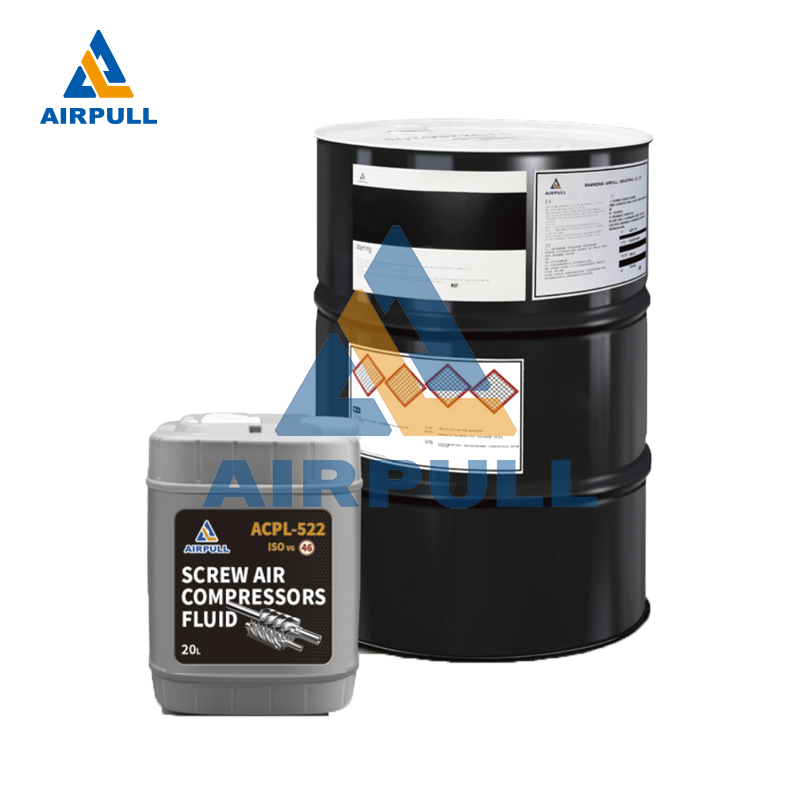
The market offers numerous brands and formulations, each promising superior protection and performance. However, understanding the differences between these products helps industrial professionals make informed decisions that impact both operational efficiency and long-term costs. Quality lubricants not only protect mechanical components but also contribute to energy savings and reduced environmental impact through improved system efficiency.
Premium Synthetic Oil Formulations
Advanced Synthetic Technology Benefits
Premium synthetic screw compressor lubricating oil formulations offer exceptional thermal stability and oxidation resistance compared to conventional mineral-based alternatives. These advanced lubricants maintain consistent viscosity across wide temperature ranges, ensuring reliable protection in demanding industrial environments. Synthetic oils typically demonstrate superior performance in high-temperature applications, reducing deposit formation and extending drain intervals.
The molecular structure of synthetic lubricants provides enhanced protection against metal-to-metal contact, reducing friction and wear in critical compressor components. This superior lubrication capability translates to improved energy efficiency, as reduced friction allows compressors to operate with lower power consumption. Additionally, synthetic formulations often exhibit better compatibility with seals and gaskets, minimizing leak potential and maintenance requirements.
Cost-Performance Analysis
While premium synthetic oils command higher initial costs, their extended service life and superior protection often result in lower total cost of ownership. These lubricants typically offer drain intervals that are two to three times longer than conventional oils, reducing both lubricant costs and maintenance downtime. The improved thermal stability also means less frequent filter changes and reduced system cleaning requirements.
Industrial facilities using premium synthetic lubricants report significant reductions in unplanned maintenance events and extended equipment life. The investment in high-quality lubrication pays dividends through improved reliability, reduced energy consumption, and lower overall maintenance costs. When evaluating different brands, consider both immediate costs and long-term operational benefits to determine the most economical choice for your specific application.
Semi-Synthetic Oil Solutions
Balanced Performance Characteristics
Semi-synthetic formulations combine the benefits of synthetic base oils with carefully selected mineral oil components, creating a balanced solution for many industrial applications. These screw compressor lubricating oil products offer improved performance over conventional mineral oils while maintaining more accessible pricing than full synthetic alternatives. The hybrid formulation provides enhanced oxidation stability and thermal protection without the premium cost associated with 100% synthetic products.
Semi-synthetic oils demonstrate excellent compatibility with various compressor designs and operating conditions. They offer good protection against wear, corrosion, and deposit formation while providing adequate performance in moderate to demanding applications. These lubricants typically feature enhanced additive packages that improve their protective properties and extend service intervals compared to conventional mineral-based products.
Application Versatility
The versatility of semi-synthetic formulations makes them suitable for a wide range of industrial compressor applications, from light-duty operations to moderately demanding environments. These oils perform well in both continuous and intermittent service cycles, adapting to varying load conditions and operating temperatures. Their balanced formulation provides reliable protection without over-engineering the lubricant for applications that do not require premium synthetic performance.
Many manufacturers design semi-synthetic oils to meet or exceed original equipment manufacturer specifications, ensuring compatibility with warranty requirements. These products often serve as excellent upgrade options for facilities currently using conventional mineral oils, providing improved performance without requiring significant changes to maintenance procedures or intervals. The enhanced protection characteristics help reduce wear rates and extend component life in existing compressor systems.
Conventional Mineral Oil Options
Traditional Lubricant Technology
Conventional mineral-based screw compressor lubricating oil products continue to serve many industrial applications effectively, particularly in light-duty or intermittent service environments. These traditional formulations utilize refined petroleum base stocks enhanced with additive packages designed to improve oxidation resistance, anti-wear properties, and thermal stability. While they may not match the performance characteristics of synthetic alternatives, quality mineral oils provide reliable protection at economical price points.
Modern mineral oil formulations incorporate advanced refining processes and additive technology that significantly improve their performance compared to older conventional products. These improvements include better thermal stability, reduced volatility, and enhanced protection against wear and corrosion. Many conventional oils now feature extended drain capabilities that approach those of semi-synthetic alternatives while maintaining cost advantages.
Economic Considerations
The primary advantage of conventional mineral oils lies in their lower acquisition costs and widespread availability. For operations with limited budgets or applications that do not justify premium lubricant costs, quality mineral oils provide adequate protection and performance. These products often represent the most economical choice for older equipment, backup systems, or applications with less demanding operating conditions.
When properly maintained and monitored, conventional screw compressor lubricating oil can deliver satisfactory service life and protection. However, they typically require more frequent changes and closer monitoring compared to synthetic alternatives. The key to success with mineral oils lies in adhering to recommended maintenance intervals and monitoring oil condition through regular analysis programs to ensure optimal performance and equipment protection.
Specialized High-Temperature Formulations
Extreme Environment Protection
Specialized high-temperature formulations address the unique challenges faced by compressors operating in extreme thermal conditions or demanding industrial processes. These advanced lubricants utilize specially selected base oils and additive systems designed to maintain stability and protection at elevated temperatures that would quickly degrade conventional products. High-temperature screw compressor lubricating oil formulations often incorporate synthetic esters or polyalphaolefins that resist thermal breakdown and oxidation.
The enhanced thermal stability of these specialized products prevents the formation of harmful deposits and sludge that can compromise compressor performance and reliability. They maintain consistent viscosity and lubricating properties even under prolonged exposure to high temperatures, ensuring continuous protection of critical components. These formulations often feature extended drain intervals despite operating in challenging conditions, providing both performance and economic benefits.
Industry-Specific Applications
Various industries require specialized lubricant formulations to address unique operating conditions and regulatory requirements. Food-grade lubricants must meet strict safety and contamination standards while providing adequate protection and performance. Chemical processing applications may require compatibility with specific gases or vapors, while marine environments demand corrosion protection and salt water resistance.
These industry-specific formulations often undergo rigorous testing and certification processes to ensure compliance with relevant standards and regulations. Selecting the appropriate specialized lubricant requires careful consideration of operating conditions, regulatory requirements, and compatibility with existing systems. Working with qualified lubricant suppliers helps ensure proper product selection and application for specific industrial requirements.
Performance Testing and Quality Standards
Laboratory Testing Protocols
Comprehensive testing protocols evaluate various performance characteristics of screw compressor lubricating oil products, including thermal stability, oxidation resistance, wear protection, and compatibility with system materials. Standard test methods such as ASTM and ISO procedures provide consistent evaluation criteria that allow meaningful comparisons between different brands and formulations. These tests simulate real-world operating conditions to predict lubricant performance and service life.
Advanced testing includes thermal stability evaluations that measure deposit formation and viscosity changes under elevated temperatures. Oxidation resistance testing determines how lubricants respond to prolonged exposure to oxygen and heat, while wear testing evaluates the protective properties under various load conditions. Foam testing ensures that lubricants will not create operational problems in systems sensitive to air entrainment.
Industry Certifications
Major compressor manufacturers often develop specific performance standards and certification programs for lubricants used in their equipment. These certifications ensure that approved products will not void equipment warranties and will provide adequate protection under specified operating conditions. Original equipment manufacturer approvals represent rigorous evaluation processes that validate lubricant performance and compatibility.
International standards organizations also establish performance criteria for industrial lubricants, providing guidelines for minimum performance requirements across various applications. These standards help users select appropriate products and ensure consistent quality across different suppliers. Understanding relevant certifications and standards helps industrial professionals make informed decisions when evaluating different screw compressor lubricating oil options.
Maintenance Best Practices
Oil Analysis Programs
Implementing comprehensive oil analysis programs maximizes the benefits of quality screw compressor lubricating oil while providing early warning of potential equipment problems. Regular sampling and laboratory analysis monitor key parameters such as viscosity, acid number, metal content, and contamination levels. These programs help optimize drain intervals, identify maintenance needs, and prevent costly equipment failures through proactive maintenance strategies.
Trending analysis data over time provides valuable insights into equipment condition and lubricant performance. Gradually increasing metal concentrations may indicate developing wear problems, while rising acid numbers suggest oxidation or contamination issues. Particle count analysis helps identify filtration system effectiveness and potential ingression of contaminants that could damage critical components.
Storage and Handling Procedures
Proper storage and handling procedures preserve lubricant quality and prevent contamination that could compromise performance. Clean, dry storage areas protect products from moisture absorption and particulate contamination. Temperature control prevents excessive heating or freezing that might affect product properties or container integrity.
Handling procedures should minimize contamination risks during transfer and application. Clean transfer equipment, proper filtration systems, and contamination control measures ensure that high-quality screw compressor lubricating oil maintains its protective properties throughout the supply chain. Training maintenance personnel in proper handling techniques prevents quality degradation and maintains system cleanliness standards necessary for optimal compressor performance.
FAQ
How often should screw compressor lubricating oil be changed
The frequency of oil changes depends on several factors including lubricant type, operating conditions, and manufacturer recommendations. Synthetic oils typically allow intervals of 4000-8000 operating hours, while conventional mineral oils may require changes every 2000-4000 hours. Regular oil analysis provides the most accurate method for determining optimal change intervals based on actual lubricant condition rather than arbitrary time periods.
What causes screw compressor oil to degrade quickly
Common causes of rapid oil degradation include excessive operating temperatures, contamination with moisture or particles, oxidation from air exposure, and chemical contamination from process gases. Poor maintenance practices such as inadequate filtration, mixing different oil types, or operating with insufficient oil levels also accelerate degradation. Identifying and addressing root causes helps maximize lubricant service life and equipment protection.
Can different brands of compressor oil be mixed
Mixing different brands or types of compressor oils is generally not recommended as it can create compatibility issues that compromise performance and protection. Different additive packages may interact negatively, reducing the effectiveness of both products. When changing oil brands, complete system drainage and flushing ensures removal of previous lubricants and prevents potential compatibility problems.
How do I select the right viscosity grade for my compressor
Viscosity selection should follow original equipment manufacturer recommendations based on operating temperature ranges and system design. Most rotary screw compressors operate effectively with ISO VG 46 or VG 68 oils, though specific applications may require different grades. Consider ambient temperatures, operating loads, and system design characteristics when selecting appropriate viscosity grades for optimal performance and protection.