EN
EN


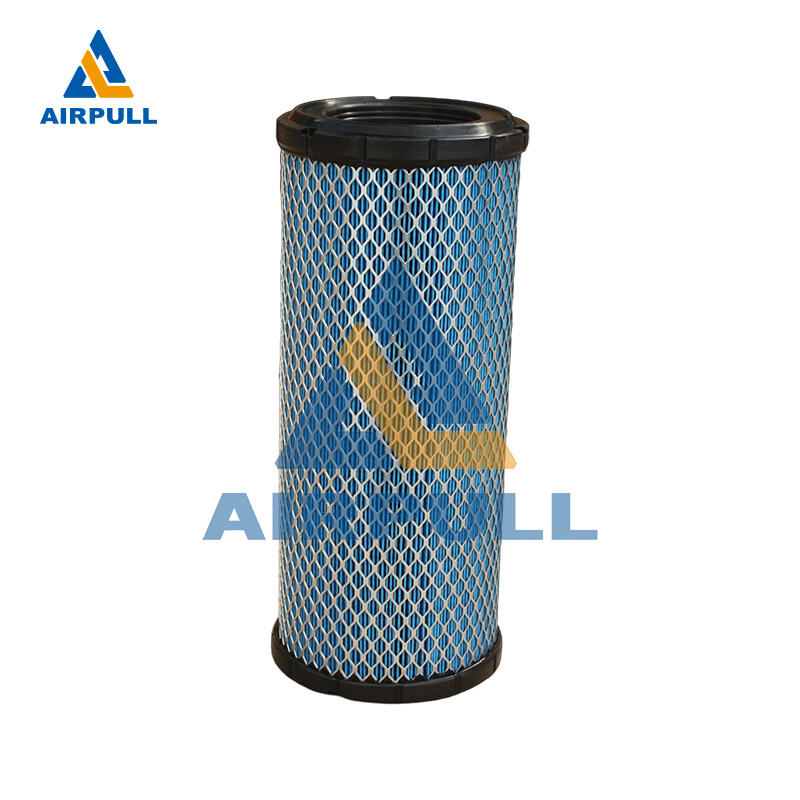
Industrial operations rely heavily on compressed air systems to power tools, machinery, and manufacturing processes. The air compressor air filter serves as the first line of defense against contaminants that can damage expensive equipment and compromise operational efficiency. When these critical components fail or become compromised, the entire compressed air system suffers, leading to costly downtime and reduced productivity.
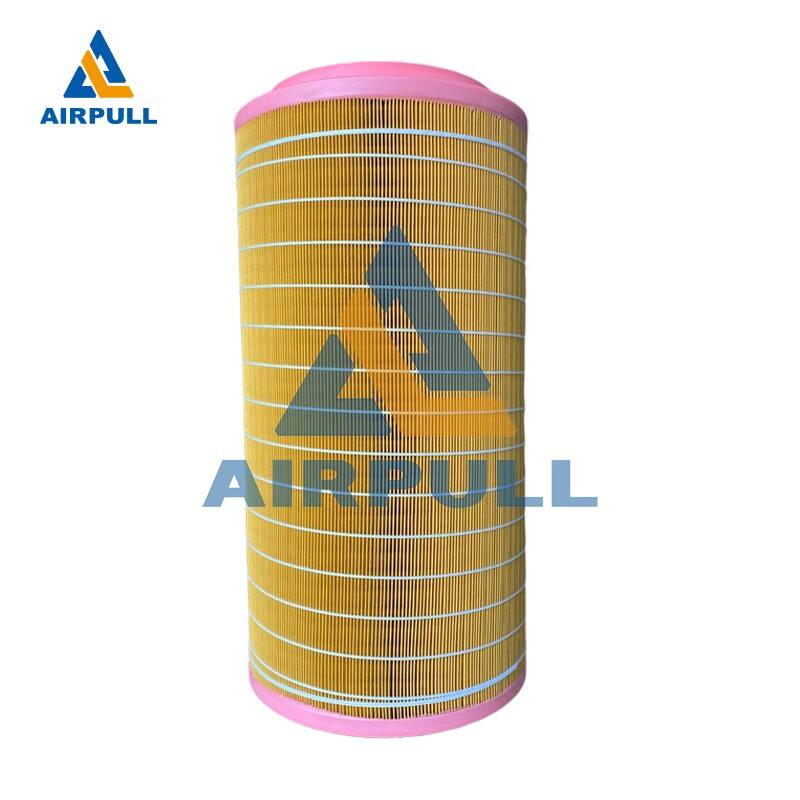
Understanding common filtration problems and their solutions empowers maintenance teams to maintain optimal system performance. Modern industrial facilities cannot afford to overlook the importance of proper air filtration, as even minor issues can cascade into major operational challenges. This comprehensive guide addresses the most prevalent air compressor air filter issues and provides practical solutions for maintaining peak system performance.
Identifying Contamination Sources in Compressed Air Systems
External Environmental Contaminants
Atmospheric air contains numerous particles that pose threats to compressor systems. Dust, pollen, and industrial pollutants enter through intake valves, creating the primary contamination burden for filtration systems. Manufacturing facilities located near construction sites, agricultural areas, or heavy traffic zones face elevated contamination levels that require more frequent filter maintenance.
Seasonal variations significantly impact contamination patterns, with spring bringing increased pollen loads and winter months introducing moisture-related challenges. Industrial environments with sawdust, metal shavings, or chemical vapors create unique filtration demands that standard filters may struggle to address effectively. Understanding local environmental conditions helps predict filter performance and replacement schedules.
Temperature fluctuations and humidity changes affect particle behavior and filter efficiency. Hot, humid conditions can cause particles to clump together, creating larger debris that may overwhelm primary filtration stages. Cold, dry environments often generate static electricity that attracts fine particles to filter surfaces, accelerating clog formation and reducing service life.
Internal System Generated Particles
Compressor operation naturally generates internal contaminants through normal wear processes. Metal particles from cylinder walls, valve components, and bearing surfaces circulate through the system, requiring effective filtration to prevent downstream damage. Oil carryover from lubricated compressors creates additional contamination challenges that impact filter performance and longevity.
Corrosion within aging systems produces rust particles that can overwhelm filtration capacity. Pipe scale, particularly in older installations, flakes off and travels through compressed air lines, creating abrasive particles that damage sensitive equipment. Regular system inspections help identify internal contamination sources before they cause widespread problems.
Carbon deposits from combustion processes in certain compressor types contribute to filtration challenges. These particles often carry acidic properties that can degrade filter media over time. Understanding the specific contamination profile of your compressor type enables better filter selection and maintenance planning.
Diagnosing Filter Performance Issues
Pressure Drop Analysis
Excessive pressure drop across an air compressor air filter indicates clogging or damage that requires immediate attention. Normal pressure drop ranges vary by filter type and flow rate, but significant increases signal reduced filtration efficiency and potential system stress. Regular monitoring with calibrated differential pressure gauges provides early warning of developing problems.
Gradual pressure drop increases typically indicate normal filter loading, while sudden changes suggest catastrophic failure or bypass conditions. Establishing baseline measurements for new filters enables accurate trend analysis and predictive maintenance scheduling. Documentation of pressure drop patterns helps identify optimal replacement intervals for specific operating conditions.
Comparing pressure drop across multiple filters in parallel installations reveals performance variations that may indicate manufacturing defects or installation problems. Uneven loading patterns suggest airflow distribution issues that require system balancing or redesign. Professional analysis of pressure drop data provides valuable insights into overall system health and optimization opportunities.
Visual Inspection Techniques
Regular visual examination reveals critical information about filter condition and performance. Discoloration patterns indicate contamination types and loading severity, while physical damage such as tears or deformation signals immediate replacement needs. Proper inspection procedures require system shutdown and safety lockout to ensure personnel protection during filter examination.
Filter pleating condition provides insight into structural integrity and remaining service life. Collapsed or damaged pleats reduce effective filtration area and allow contaminant bypass. Moisture damage appears as filter media degradation, bacterial growth, or corrosion of metal components that compromise filtration effectiveness.
Gasket and seal inspection prevents bypass conditions that allow unfiltered air to enter downstream systems. Cracked, hardened, or improperly seated seals create pathways for contamination that defeat the entire filtration process. Replacement of damaged sealing components restores proper filtration performance and protects sensitive equipment.
Implementing Effective Filtration Solutions
Multi-Stage Filtration Strategies
Progressive filtration stages provide comprehensive contamination control while optimizing filter life and cost effectiveness. Primary stages remove larger particles and debris, protecting downstream fine filters from premature loading. Secondary filtration captures smaller particles and aerosols that escape initial treatment, ensuring high-quality compressed air delivery.
Coalescing filters specifically target oil and moisture removal in applications requiring dry, oil-free compressed air. These specialized components utilize different filtration mechanisms than particulate filters, requiring separate evaluation and maintenance procedures. Understanding the specific requirements of each filtration stage enables optimal system design and operation.
Filter staging also provides redundancy that maintains system operation during maintenance activities. Properly designed systems allow individual filter replacement without complete system shutdown, minimizing production interruptions. This approach requires careful planning but delivers significant operational advantages in critical applications.
Advanced Filter Technologies
Modern synthetic filter media offers superior performance compared to traditional cellulose options. These advanced materials provide higher dirt-holding capacity, better moisture resistance, and extended service life under challenging conditions. Pleated synthetic filters maximize surface area within compact housings, improving efficiency while reducing pressure drop.
Electrostatic filtration technology captures submicron particles through electrical attraction rather than mechanical straining. These systems excel at removing fine contaminants that challenge conventional filters, providing ultra-clean compressed air for sensitive applications. However, electrostatic filters require specialized maintenance and monitoring procedures.
Membrane filtration represents the ultimate in compressed air purification, removing virtually all particles and microorganisms. These systems typically serve critical applications in pharmaceutical, food processing, and electronics manufacturing where contamination cannot be tolerated. Understanding when advanced technologies justify their higher costs enables informed system design decisions.
Preventive Maintenance Best Practices
Scheduled Replacement Programs
Systematic filter replacement based on operating hours, pressure drop limits, or calendar schedules prevents unexpected failures and maintains consistent air quality. Different applications require varying replacement frequencies depending on contamination levels and air quality requirements. Documenting replacement history helps refine schedules and predict future maintenance needs.
Inventory management ensures replacement filters remain available when needed, preventing emergency situations that might compromise air quality. Standardizing filter specifications across similar applications reduces inventory complexity while ensuring compatibility. Supplier partnerships can provide scheduled delivery programs that maintain optimal stock levels without excessive investment.
Training maintenance personnel in proper replacement procedures ensures consistent installation quality and prevents common errors. Incorrect installation can create bypass conditions or damage new filters, negating maintenance investments. Standardized procedures and quality checks verify proper installation before system restart.
System Monitoring and Optimization
Continuous monitoring systems provide real-time information about filter performance and system conditions. Modern sensors can track pressure drop, particle counts, and moisture levels to optimize maintenance timing. Automated systems reduce labor requirements while providing more consistent monitoring than manual methods.
Data logging enables trend analysis that reveals patterns invisible to periodic inspections. Long-term data helps identify seasonal variations, equipment degradation, and optimization opportunities. Professional analysis of monitoring data can suggest system improvements that reduce operating costs and improve reliability.
Regular calibration of monitoring equipment ensures accurate readings and reliable trend data. Sensor drift or calibration errors can lead to premature or delayed maintenance actions that increase costs or risk system damage. Establishing calibration schedules and procedures maintains monitoring system accuracy and reliability.
Troubleshooting Common Filter Failures
Premature Clogging Issues
Rapid filter loading often indicates upstream problems or improper filter selection for operating conditions. Inadequate pre-filtration allows oversized particles to reach fine filters, causing premature failure and increased replacement costs. System analysis may reveal opportunities for improved filtration staging or source contamination control.
Environmental changes such as construction activities or industrial process modifications can dramatically increase contamination levels beyond filter design capacity. Temporary filtration upgrades or more frequent replacement schedules may be necessary until conditions normalize. Proactive communication with facility management helps anticipate and prepare for such challenges.
Compressor maintenance issues can increase internal contamination generation, overwhelming filtration systems designed for normal wear rates. Oil carryover from worn compressor components creates additional loading that reduces filter life. Addressing root causes in the compressor system provides more effective solutions than simply increasing filter replacement frequency.
Bypass and Seal Failures
Filter bypass allows unfiltered air to contaminate downstream systems, negating filtration investments and potentially causing expensive equipment damage. Poor sealing often results from improper installation, damaged gaskets, or housing distortion from over-tightening. Regular inspection and proper installation procedures prevent most bypass conditions.
Temperature cycling can cause seal materials to harden and crack, creating bypass paths that develop gradually over time. High-temperature applications require sealing materials specifically designed for thermal cycling resistance. Understanding operating temperature ranges helps select appropriate components and predict replacement needs.
Vibration from compressor operation can loosen filter housings or damage sealing surfaces, creating intermittent bypass conditions that are difficult to diagnose. Anti-vibration mounting and regular tightening checks help prevent these issues. Proper system design considers vibration effects and incorporates appropriate mitigation measures.
FAQ
How often should air compressor air filters be replaced in industrial applications
Replacement frequency depends on contamination levels, filter type, and application requirements, typically ranging from monthly to annually. High-contamination environments may require weekly replacement, while clean facilities might achieve several months of service. Monitoring pressure drop provides the most reliable indicator of replacement timing, with most filters requiring change when pressure drop reaches 10-15 psi above initial values. Establishing baseline measurements for your specific conditions enables optimization of replacement schedules.
What causes excessive pressure drop across compressed air filters
Excessive pressure drop typically results from filter clogging due to particle accumulation, but can also indicate improper filter sizing or installation problems. Undersized filters create high face velocities that increase pressure drop even when clean. Damaged filter media or collapsed pleating reduces effective filtration area, forcing air through restricted passages. Regular monitoring helps distinguish between normal loading and abnormal conditions requiring immediate attention.
Can dirty air filters damage downstream compressed air equipment
Failed or bypassed air compressor air filters allow contaminants to reach sensitive pneumatic equipment, causing accelerated wear, seal damage, and control system failures. Abrasive particles erode valve seats and cylinder walls, while moisture promotes corrosion and bacterial growth. Oil contamination can swell seals and damage precision components in automated systems. The cost of downstream equipment damage typically far exceeds filter replacement expenses, making proper filtration maintenance economically critical.
What are the signs that indicate air filter replacement is needed
Key indicators include increased pressure drop across the filter, visible contamination on filter media, unusual odors in compressed air, and decreased performance of downstream equipment. Pressure drop measurements provide the most reliable indication, while visual inspection reveals physical damage or excessive loading. Downstream equipment problems such as erratic operation or increased maintenance requirements often trace back to inadequate filtration. Establishing regular monitoring procedures helps identify replacement needs before system performance degrades significantly.