EN
EN



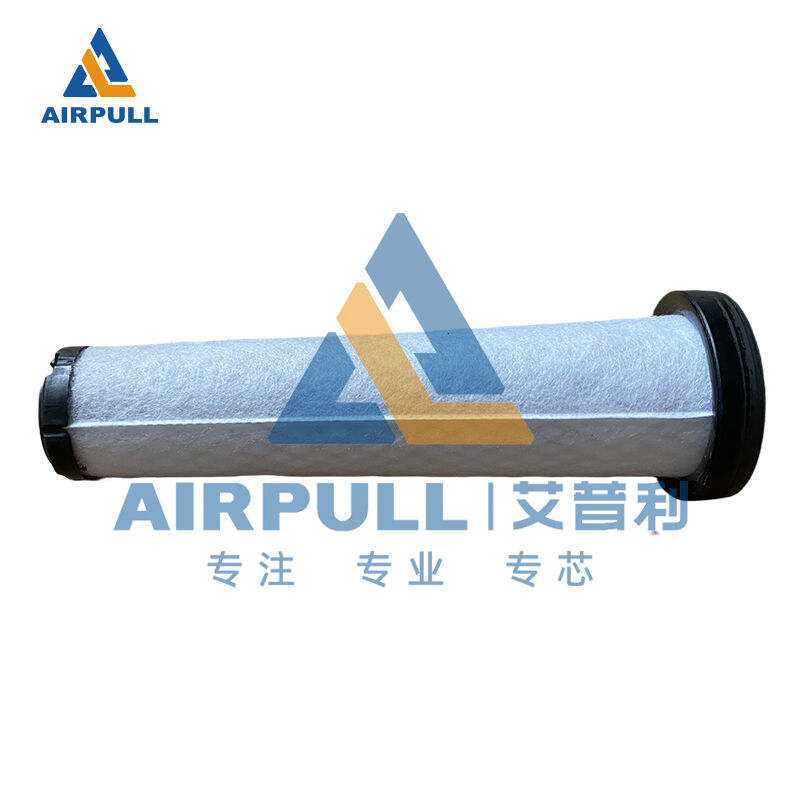
Understanding the efficiency of your air compressor air filter is crucial for maintaining optimal equipment performance and extending system lifespan. Air filtration plays a fundamental role in protecting compressor components from contamination while ensuring clean compressed air output for various industrial applications. The efficiency of these filters directly impacts energy consumption, maintenance costs, and overall operational reliability in compressed air systems.
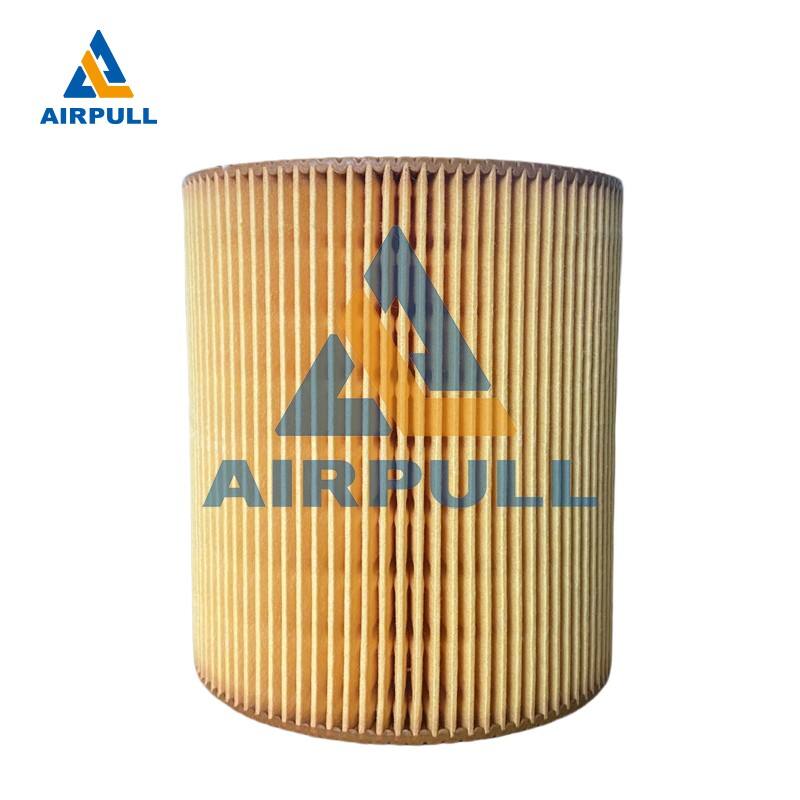
Modern industrial facilities depend heavily on compressed air systems for powering pneumatic tools, spray painting operations, and automated manufacturing processes. The quality of compressed air delivered by these systems relies significantly on proper filtration at multiple stages. Inlet air filtration prevents particulates from entering the compression chamber, while aftertreatment filters remove oil vapors, moisture, and remaining contaminants from the compressed air stream.
Filtration efficiency measurements typically follow industry standards established by organizations such as ISO and ANSI. These standards define testing protocols for measuring particle removal rates, pressure drop characteristics, and filter element durability under various operating conditions. Understanding these metrics helps facility managers make informed decisions about filter selection and replacement intervals for their specific applications.
Filter Efficiency Rating Systems
Particle Size Classification
Air compressor air filter efficiency ratings are based on particle size removal capabilities measured in microns. Standard classifications include coarse filtration for particles larger than 40 microns, fine filtration for particles between 5-40 microns, and ultra-fine filtration for particles smaller than 5 microns. Each classification serves specific applications depending on air quality requirements and downstream equipment sensitivity.
The most common rating system uses fractional efficiency curves that show removal percentages across different particle size ranges. For example, a 99.97% efficient filter at 0.01 microns indicates exceptional fine particle removal capability suitable for critical applications like pharmaceutical manufacturing or electronic component production. These ratings help engineers select appropriate filtration levels for their specific compressed air quality needs.
ISO 8573 Standards
ISO 8573 establishes international standards for compressed air purity classifications across three contamination categories: solid particles, water content, and oil content. This standard provides a universal language for specifying air quality requirements and matching filter performance to application needs. Understanding these classifications enables proper system design and filter selection for achieving desired air purity levels.
The particle classification ranges from Class 0 (most stringent) to Class 9 (least stringent), with each class defining maximum allowable particle concentrations and size distributions. For instance, Class 1 allows maximum 0.1 mg/m³ of particles sized 0.1-0.5 microns, while Class 5 permits up to 10 mg/m³ of particles sized 1-5 microns. These classifications help specify appropriate filtration efficiency requirements for different industrial applications.
Factors Affecting Filter Performance
Operating Conditions Impact
Temperature variations significantly affect filter medium performance and efficiency ratings. High temperatures can cause filter media degradation, reduced particle capture efficiency, and accelerated aging of synthetic materials. Conversely, extremely low temperatures may increase pressure drop and reduce filtration effectiveness due to media contraction and reduced airflow dynamics.
Humidity levels also influence filter performance by affecting particle behavior and media characteristics. High humidity can cause hygroscopic particles to agglomerate, potentially improving capture efficiency while simultaneously increasing pressure drop. However, excessive moisture may lead to media degradation and reduced service life, particularly in cellulose-based filter elements commonly used in intake applications.
Maintenance and Replacement Intervals
Regular maintenance schedules directly correlate with sustained filter efficiency throughout the service interval. Monitoring pressure differential across filter elements provides real-time indication of loading conditions and helps predict optimal replacement timing. Most manufacturers recommend replacement when pressure drop reaches 10-15 psi above initial clean filter measurements, though specific thresholds vary by application and filter type.
Proper installation procedures ensure maximum efficiency from new filter elements. Incorrect installation can create bypass conditions that compromise filtration effectiveness and allow contaminants to reach downstream components. Training maintenance personnel on proper installation techniques and providing clear documentation helps maintain consistent performance standards across multiple compressor systems.
Types of Air Compressor Filters
Inlet Air Filters
Inlet filters protect compressor internals from atmospheric contaminants and typically feature pleated paper or synthetic media designed for high airflow capacity with minimal pressure drop. These filters must balance particle removal efficiency with airflow requirements to avoid restricting compressor performance. Heavy-duty applications often utilize cyclonic pre-separators combined with fine filtration elements to handle extreme dust loading conditions.
Selection criteria for inlet filters include local environmental conditions, compressor capacity, and maintenance accessibility. Urban industrial locations may require higher efficiency ratings due to increased particulate concentrations, while rural installations might prioritize longer service intervals and lower maintenance requirements. Proper sizing ensures adequate filtration without creating excessive pressure drop that reduces compressor efficiency.
Line Filters and Coalescers
Downstream line filters remove oil aerosols, water droplets, and remaining solid particles from compressed air streams using specialized coalescing media. These air compressor air filter systems typically employ multi-stage designs with progressively finer filtration elements to achieve required air quality levels for specific applications.
Coalescing filters utilize specialized media that causes small droplets to combine into larger droplets that can be effectively drained from the system. The efficiency of these filters depends on proper drainage, adequate residence time, and appropriate flow velocities through the filter element. Oversized filters may reduce coalescing effectiveness due to insufficient turbulence, while undersized units create excessive pressure drop and reduced service life.
Economic Considerations
Total Cost of Ownership
Evaluating filter efficiency requires considering total cost of ownership rather than initial purchase price alone. High-efficiency filters may cost more initially but often provide lower operating costs through reduced energy consumption, extended equipment life, and fewer quality-related production issues. Calculating lifecycle costs helps justify investment in premium filtration systems for critical applications.
Energy costs represent a significant portion of compressed air system operating expenses, making pressure drop optimization crucial for economic operation. Each 2 psi increase in system pressure typically increases energy consumption by approximately 1%, making low pressure drop filter designs valuable for continuous operation applications. Balancing filtration efficiency with pressure drop characteristics optimizes both air quality and energy performance.
Productivity and Quality Benefits
Improved air quality through efficient filtration reduces production defects, equipment downtime, and maintenance costs across pneumatic systems. Clean compressed air extends component life in air-powered tools, reduces spray finishing defects, and prevents contamination in process applications. These quality improvements often justify higher filtration costs through reduced waste and improved production efficiency.
Preventing contamination-related failures in downstream equipment provides significant cost savings compared to reactive maintenance approaches. Efficient filtration protects sensitive components like pneumatic valves, cylinders, and instrumentation from premature wear and failure. Proactive filtration strategies typically show positive return on investment within the first year of implementation through reduced maintenance and replacement costs.
FAQ
How often should air compressor air filters be replaced
Replacement intervals depend on operating conditions, filter type, and air quality requirements. Inlet filters typically require replacement every 1000-2000 operating hours or when pressure drop increases beyond manufacturer recommendations. Line filters and coalescers may last 4000-8000 hours depending on contamination levels and maintenance practices. Monitoring pressure differential provides the most accurate indication of replacement timing rather than relying solely on time-based schedules.
What efficiency rating is needed for my application
Required efficiency ratings depend on downstream equipment sensitivity and air quality specifications. General shop air applications may require only 5-10 micron filtration, while precision manufacturing often demands 0.01 micron efficiency. Consult equipment manufacturer specifications and industry standards like ISO 8573 to determine appropriate filtration levels. Consider both current needs and future expansion when selecting filter efficiency ratings.
Can high-efficiency filters reduce energy costs
High-efficiency filters can reduce energy costs when they provide lower pressure drop than multiple lower-efficiency units or when they prevent system contamination that would otherwise increase operating pressures. However, extremely fine filtration may increase pressure drop and energy consumption. The key is selecting filters that balance required efficiency with acceptable pressure drop for your specific system and application requirements.
How do I measure filter efficiency in my system
Measure filter efficiency by monitoring particle counts upstream and downstream of filter elements using calibrated particle counters. Calculate efficiency as the percentage reduction in particle count across specific size ranges. Additionally, monitor pressure differential, oil carryover, and moisture content to assess overall filtration system performance. Regular testing ensures filters maintain specified efficiency ratings throughout their service life.