EN
EN


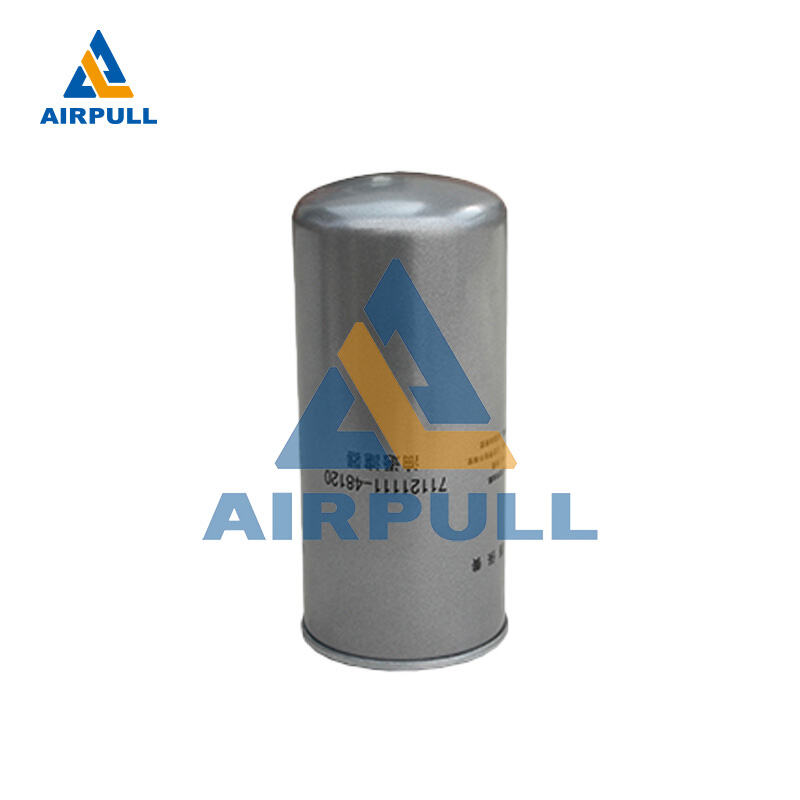
Maintaining optimal performance in industrial machinery requires careful attention to lubrication systems, where the lube oil filter plays a crucial role in protecting expensive equipment from contamination and premature wear. Industrial operators frequently encounter various challenges with their filtration systems that can lead to costly downtime, reduced efficiency, and extensive maintenance requirements. Understanding these common problems and implementing effective solutions ensures reliable equipment operation and extends the service life of critical machinery components.
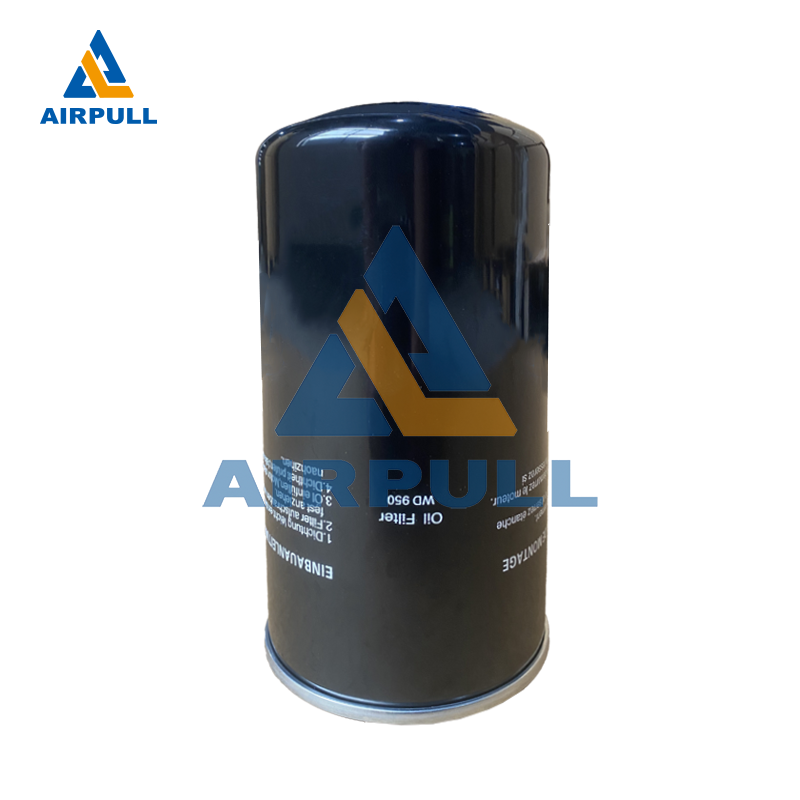
Understanding Lube Oil Filter Functionality
Primary Filtration Mechanisms
The fundamental operation of a lube oil filter involves removing contaminants from lubricating oil through various filtration media and mechanisms. These systems typically employ depth filtration, surface filtration, or magnetic separation to capture particles, debris, and other harmful substances that can damage sensitive machinery components. Modern filtration systems often combine multiple technologies to achieve superior cleaning efficiency and extend filter service intervals.
Different filter designs utilize various materials including cellulose, synthetic fibers, and metal mesh to trap contaminants of specific sizes. The effectiveness of these filtration mechanisms directly impacts oil quality, equipment protection, and overall system reliability. Understanding how these components work together helps operators identify potential issues before they escalate into major problems.
Critical Performance Parameters
Several key performance indicators determine the effectiveness of lubrication filtration systems, including flow rate, pressure differential, filtration efficiency, and dirt-holding capacity. These parameters work together to ensure adequate oil circulation while maintaining cleanliness standards required for optimal equipment protection. Monitoring these metrics provides valuable insights into filter condition and system health.
Pressure differential across the filter element serves as a primary indicator of filter loading and replacement timing. As contaminants accumulate, resistance increases, causing higher pressure drops that can affect oil flow and system performance. Regular monitoring of these parameters enables proactive maintenance scheduling and prevents unexpected failures.
Common Contamination Issues
Particle Contamination Sources
Particle contamination represents one of the most prevalent challenges affecting lube oil filter performance and overall system reliability. These contaminants originate from multiple sources including wear particles generated by machinery operation, external dirt ingress through seals and breathers, and manufacturing residues left in new equipment. Each contamination source requires specific prevention strategies and filtration approaches to maintain oil cleanliness standards.
Wear particles typically consist of metal debris generated by normal friction between moving components, while external contaminants include dust, moisture, and other environmental pollutants that enter the system through various pathways. Manufacturing residues such as machining chips, welding spatter, and assembly debris can cause immediate damage if not properly removed during initial system startup and commissioning.
Water Contamination Effects
Water contamination poses significant challenges for filtration systems, as moisture can promote oxidation, reduce lubricant effectiveness, and create conditions favorable for microbial growth. Free water, dissolved water, and emulsified water each present different removal challenges requiring specialized filtration technologies and maintenance approaches. Excessive moisture levels can overwhelm standard filtration media and necessitate additional water removal systems.
The presence of water accelerates oil degradation processes, leading to acid formation, additive depletion, and increased wear rates in protected equipment. Effective moisture control requires proper breather systems, temperature management, and specialized filtration elements designed for water separation and removal.
Filter Element Problems
Premature Clogging Issues
Premature filter clogging represents a significant operational challenge that can disrupt production schedules and increase maintenance costs substantially. This problem typically results from excessive contamination loads, inadequate pre-filtration, or improper filter sizing for the application requirements. When filters clog prematurely, bypass valves may activate, allowing unfiltered oil to circulate and potentially damage downstream components.
Several factors contribute to rapid filter loading including poor oil quality, contaminated makeup oil, inadequate storage practices, and insufficient system cleanliness during installation or maintenance. Addressing these root causes requires comprehensive contamination control strategies and proper filter selection based on actual operating conditions rather than theoretical specifications.
Media Degradation and Failure
Filter media degradation can occur due to various factors including temperature extremes, chemical incompatibility, mechanical stress, and age-related deterioration. When filtration media fails, contaminants pass through the lube oil filter unimpeded, potentially causing catastrophic damage to expensive machinery components. Early detection of media degradation helps prevent costly equipment failures and unplanned downtime.
Temperature fluctuations can cause filter media to become brittle or soft, affecting filtration efficiency and structural integrity. Chemical incompatibility between filter materials and oil additives or contaminants can lead to media dissolution, swelling, or hardening. Regular inspection and appropriate filter selection based on operating conditions help minimize these risks.
System Design and Installation Challenges
Flow Rate Limitations
Inadequate flow rate capacity represents a common design issue that can compromise filtration effectiveness and system performance. When filters are undersized for the application, high flow velocities can cause media bypass, reduced residence time, and ineffective contaminant removal. Proper sizing requires careful consideration of peak flow demands, viscosity variations, and pressure limitations throughout the operating envelope.
Flow distribution problems within filter housings can create dead zones where oil stagnates and contaminants accumulate. These areas become sources of contamination that continuously seed the clean oil stream, reducing overall system effectiveness. Proper housing design and installation practices help ensure uniform flow distribution and optimal filtration performance.
Installation and Accessibility Problems
Poor installation practices and inadequate accessibility for maintenance operations create ongoing challenges for filtration system management. Filters installed in difficult-to-reach locations often receive inadequate maintenance attention, leading to extended service intervals and reduced performance. Proper system layout during initial design phases prevents many accessibility issues and supports effective maintenance programs.
Contamination introduction during installation or maintenance procedures can overwhelm filtration capacity and cause immediate problems. Clean installation practices, proper handling procedures, and contamination control measures during maintenance activities help maintain system cleanliness and extend filter service life.
Maintenance and Monitoring Solutions
Preventive Maintenance Strategies
Implementing comprehensive preventive maintenance strategies significantly reduces filtration system problems and extends equipment life through proactive contamination control and timely component replacement. Effective programs combine regular inspections, oil analysis, pressure monitoring, and scheduled filter changes based on actual conditions rather than arbitrary time intervals. These approaches help identify developing issues before they cause system failures or equipment damage.
Condition-based maintenance utilizing oil analysis results and pressure differential monitoring provides optimal timing for filter changes while maximizing element utilization. This approach reduces waste associated with premature changes while preventing problems caused by extended service intervals. Regular training ensures maintenance personnel understand proper procedures and contamination control measures.
Advanced Monitoring Technologies
Modern monitoring technologies provide real-time insights into filtration system performance and oil condition, enabling proactive maintenance decisions and early problem detection. Continuous pressure differential monitoring, particle counters, and water sensors help operators understand system condition and optimize maintenance timing. These technologies reduce unplanned downtime and extend equipment life through improved contamination control.
Integration of monitoring data with maintenance management systems enables trending analysis and predictive maintenance strategies that optimize filter utilization and system performance. Advanced analytics help identify patterns and root causes of recurring problems, supporting continuous improvement initiatives and cost reduction efforts.
Selection and Specification Guidelines
Filter Rating and Efficiency Considerations
Proper filter selection requires understanding the relationship between filtration efficiency, flow capacity, and dirt-holding capacity for specific applications. Beta ratio specifications provide standardized methods for comparing filter performance, while efficiency ratings indicate the percentage of particles removed at specific sizes. Matching these specifications to cleanliness requirements and contamination loads ensures optimal system protection and filter utilization.
Multi-pass efficiency testing provides more realistic performance data compared to single-pass tests, as it simulates actual operating conditions where oil circulates repeatedly through the filtration system. Understanding test methods and their limitations helps specify appropriate filters for specific applications and avoid over- or under-specification that can compromise performance or increase costs unnecessarily.
Material Compatibility and Construction
Filter construction materials must be compatible with the lubricating oil, operating temperatures, and chemical environment to ensure reliable long-term performance. Incompatible materials can degrade, swell, or react chemically with oil additives, causing filter failure and potential system contamination. Proper material selection based on operating conditions prevents these problems and ensures consistent filtration performance.
Seal materials, housing construction, and media selection all require careful consideration of temperature ranges, pressure ratings, and chemical compatibility. Quality construction with appropriate materials ensures reliable service and prevents leakage, bypass, or structural failure that can compromise system protection and create safety hazards.
Troubleshooting and Diagnostic Techniques
Performance Analysis Methods
Systematic troubleshooting approaches help identify root causes of filtration problems and develop effective solutions that prevent recurrence. Performance analysis begins with establishing baseline conditions and comparing current performance to design specifications and historical data. Pressure differential trends, oil analysis results, and visual inspections provide valuable diagnostic information for problem identification and solution development.
Comprehensive diagnostic procedures include examination of used filter elements, analysis of trapped contaminants, and assessment of system operating conditions. These investigations often reveal important information about contamination sources, system problems, and maintenance practices that contribute to filtration issues. Proper documentation of findings supports continuous improvement efforts and helps prevent similar problems in the future.
Root Cause Analysis Procedures
Effective root cause analysis goes beyond addressing immediate symptoms to identify underlying factors that contribute to filtration problems. This systematic approach examines contamination sources, system design issues, operating practices, and maintenance procedures to develop comprehensive solutions that address fundamental causes rather than symptoms alone. Proper root cause analysis prevents recurring problems and reduces long-term maintenance costs.
Documentation and trending of analysis results help identify patterns and common factors that contribute to filtration problems across multiple systems or locations. This information supports development of improved specifications, procedures, and training programs that prevent similar issues and improve overall reliability and performance.
FAQ
How often should lube oil filters be replaced
Filter replacement frequency depends on contamination loads, operating conditions, and filter capacity rather than arbitrary time schedules. Pressure differential monitoring provides the most reliable indicator for replacement timing, with most filters requiring change when differential pressure reaches 15-25 psi above clean levels. Oil analysis results and visual inspection of used elements help optimize replacement intervals and identify system problems that may require attention.
What causes filters to clog prematurely
Premature clogging typically results from excessive contamination loads caused by poor oil quality, inadequate system cleanliness, contaminated makeup oil, or system design issues. Environmental contamination through faulty breathers, worn seals, or poor storage practices also contributes to rapid filter loading. Addressing contamination sources and implementing proper contamination control measures prevents premature clogging and extends filter service life significantly.
Why do some filters bypass unfiltered oil
Filter bypass occurs when pressure differential across the element exceeds bypass valve settings, typically 25-35 psi above clean pressure drop. This safety feature prevents filter rupture and maintains oil flow during emergency conditions, but allows unfiltered oil to circulate when filters become overloaded. Proper maintenance timing prevents bypass activation and ensures continuous filtration protection for downstream equipment components.
How can water contamination be prevented in oil systems
Water contamination prevention requires proper breather systems with desiccant dryers, effective seal maintenance, temperature control to prevent condensation, and proper storage of makeup oil in sealed containers. Regular moisture monitoring through oil analysis helps detect water ingress early, while specialized water removal filters or centrifuges can remove existing contamination. Maintaining reservoir temperatures above dew point and using quality breathers significantly reduces water contamination problems.