EN
EN


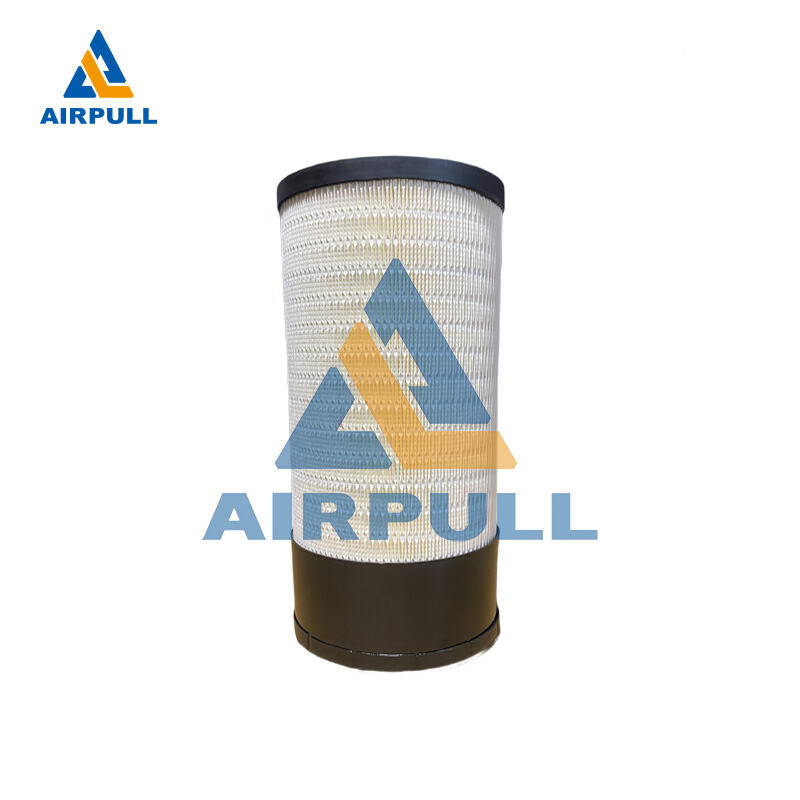
Maintaining your air compressor's filtration system is crucial for optimal performance, longevity, and operational efficiency. A properly functioning air compressor air filter protects your equipment from contaminants while ensuring clean, high-quality compressed air output. Regular maintenance of these critical components prevents costly downtime, reduces energy consumption, and extends the overall lifespan of your compressor system. Understanding the fundamentals of filter maintenance empowers facility managers and technicians to implement effective preventive care strategies.
Understanding Air Compressor Filter Systems
Types of Air Compressor Filters
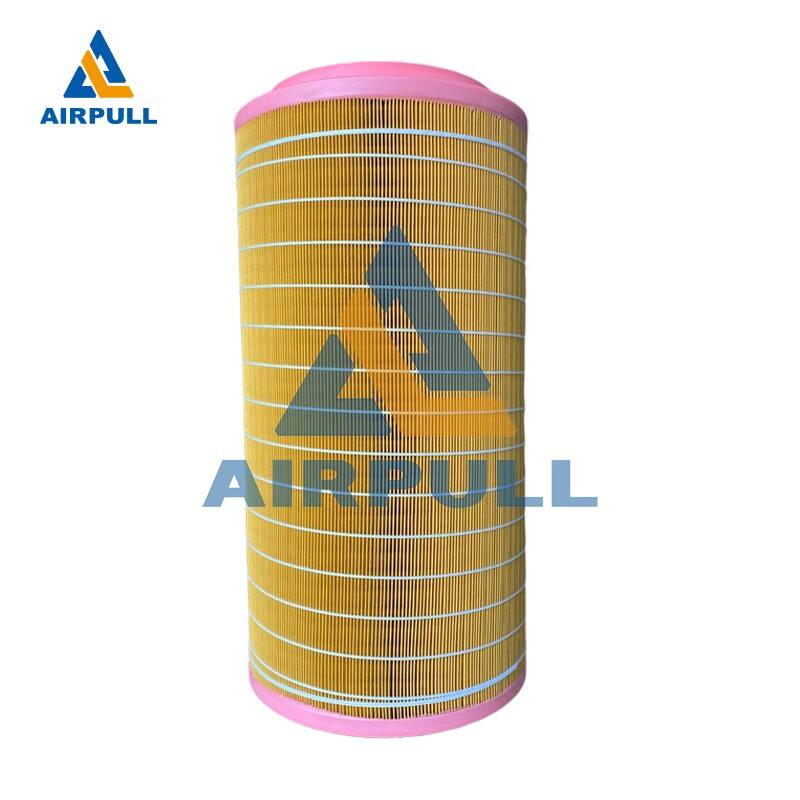
Modern air compressor systems incorporate multiple filtration stages to ensure comprehensive air treatment. Primary intake filters remove large particles and debris from ambient air before compression begins. Secondary filters target smaller contaminants that escape initial filtration, while precision filters capture microscopic particles and oil vapors. Each filter type serves a specific purpose in maintaining system cleanliness and protecting downstream equipment from contamination damage.
Intake filters typically feature pleated paper or synthetic media designed to capture dust, pollen, and larger airborne particles. These filters operate at atmospheric pressure and require regular inspection to prevent restriction buildup. Oil separation filters remove lubricating oil from compressed air streams, preventing contamination of pneumatic tools and processes. Understanding these different filter functions helps technicians develop appropriate maintenance schedules for each component.
Filter Media and Construction Materials
Filter media selection significantly impacts performance characteristics and maintenance requirements. Cellulose-based materials offer cost-effective filtration for standard applications but require frequent replacement in dusty environments. Synthetic media provides superior durability and extended service intervals while maintaining consistent filtration efficiency throughout the operating cycle. Glass fiber elements deliver exceptional fine particle removal but demand careful handling during maintenance procedures.
Advanced filter constructions incorporate multiple media layers to optimize particle capture across varying size ranges. Progressive density designs feature coarser outer layers that protect finer inner media from premature loading. Metal mesh pre-filters extend service life by removing large contaminants before they reach primary filtration media. These sophisticated designs require specific maintenance approaches to preserve their engineered performance characteristics.
Maintenance Scheduling and Inspection Protocols
Establishing Effective Maintenance Intervals
Proper maintenance scheduling depends on operating conditions, environmental factors, and application requirements. Dusty industrial environments necessitate more frequent filter changes compared to clean office building installations. High-duty cycle applications with continuous operation require closer monitoring than intermittent-use systems. Temperature variations and humidity levels also influence filter loading rates and replacement timing decisions.
Pressure differential monitoring provides objective data for determining optimal replacement intervals. Installing differential pressure gauges across filter elements enables condition-based maintenance rather than arbitrary time-based schedules. Most manufacturers recommend replacement when pressure drop reaches specified thresholds, typically between 10-15 psi for intake filters. Recording pressure readings during routine inspections helps establish site-specific maintenance patterns and optimize replacement timing.
Visual Inspection Techniques
Regular visual inspections reveal filter condition indicators that differential pressure measurements might miss. Discoloration patterns indicate contamination types and loading characteristics specific to your operating environment. Uniform darkening suggests normal dust loading, while localized staining may indicate housing leaks or improper sealing. Torn or damaged filter media requires immediate replacement regardless of pressure differential readings.
Housing condition assessment during filter changes prevents future contamination issues. Cracked housings or damaged sealing surfaces allow unfiltered air to bypass the air compressor air filter element entirely. Gasket deterioration creates similar bypass conditions that compromise system protection. Thorough housing cleaning during maintenance removes accumulated debris and prevents cross-contamination of new filter elements.
Filter Replacement Procedures and Best Practices
Safe Replacement Protocols
Implementing proper safety procedures during filter replacement protects personnel and prevents system contamination. System shutdown and depressurization eliminate safety hazards associated with compressed air energy. Lockout/tagout procedures prevent accidental system startup during maintenance activities. Personal protective equipment including safety glasses and gloves provides protection from contaminants and sharp filter housing edges.
Controlled removal techniques prevent debris from entering the compressor system during filter changes. Sealing the inlet opening immediately after filter removal prevents contamination ingress. Using clean work surfaces and proper handling methods maintains new filter cleanliness until installation. Proper disposal of used filters follows environmental regulations and prevents workplace contamination from accumulated particles and oils.
Installation and Sealing Verification
Correct filter installation ensures optimal performance and prevents bypass conditions that compromise system protection. Verifying proper orientation according to flow direction markings prevents reverse installation that reduces filtration efficiency. Gasket positioning and compression must meet manufacturer specifications to maintain effective sealing. Over-tightening can damage sealing surfaces while insufficient compression allows contamination bypass.
Post-installation verification procedures confirm proper installation and system integrity. Visual inspection of gasket compression and housing alignment identifies potential sealing issues before system startup. Initial pressure differential readings establish baseline measurements for future condition monitoring. Gradual system pressurization allows detection of any installation problems before full operational pressure is achieved.
Troubleshooting Common Filter Issues
Identifying Premature Filter Loading
Unusually rapid filter loading indicates environmental or system problems requiring investigation and correction. Excessive dust generation from nearby construction or industrial processes accelerates filter contamination beyond normal expectations. Inadequate pre-filtration allows large particles to reach downstream elements designed for finer particle removal. System leaks can draw contaminated air into the compressor through unintended pathways.
Oil carryover from upstream compressor components can saturate air compressor air filter elements and reduce their effective service life. Worn piston rings or valve components increase oil consumption and contamination levels throughout the system. Temperature-related oil viscosity changes affect separation efficiency and may require operational adjustments. Monitoring oil consumption rates helps identify developing problems before they cause severe filter loading.
Addressing Bypass and Leakage Problems
Filter bypass conditions compromise system protection and require immediate attention to prevent equipment damage. Damaged housing components create air pathways that circumvent the filtration process entirely. Worn or missing gaskets allow contaminated air to mix with filtered air downstream of the filter element. Improper filter installation can create gaps that enable bypass flow around the filter media.
Systematic leak detection using soap solutions or ultrasonic equipment locates bypass pathways for effective repair. Housing crack repair or replacement restores structural integrity and eliminates bypass flow paths. Gasket replacement using manufacturer-approved materials ensures proper sealing characteristics and longevity. Regular inspection of housing fasteners prevents loosening that can create bypass conditions over time.
Performance Optimization and Efficiency Improvements
System Design Considerations
Optimizing air compressor air filter system design improves overall efficiency and reduces maintenance requirements. Proper sizing ensures adequate filtration capacity without creating excessive pressure losses that increase energy consumption. Oversized filters provide longer service intervals and reduce replacement frequency, while undersized elements create restriction and performance problems. Matching filter specifications to actual operating conditions optimizes both performance and cost-effectiveness.
Multi-stage filtration systems distribute contamination loading across multiple elements and extend overall system life. Primary coarse filters remove large particles before they reach expensive high-efficiency elements. Progressive filtration stages reduce loading on downstream components and improve overall system efficiency. Proper stage sequencing maximizes contamination removal while minimizing pressure losses and operating costs.
Environmental Controls and Protection
Implementing environmental controls reduces contamination exposure and extends filter service life significantly. Weather protection shields intake filters from rain, snow, and direct sunlight that can degrade filter media and reduce efficiency. Proper intake positioning avoids contamination sources and reduces filter loading from nearby dust-generating activities. Indoor installations benefit from controlled environments that minimize temperature variations and humidity exposure.
Pre-filtration systems using washable or cleanable elements reduce loading on downstream air compressor air filter components. Cyclone separators remove large particles and moisture droplets before air reaches primary filtration elements. Screen guards protect filters from large debris while allowing normal airflow patterns. These protective measures significantly reduce maintenance requirements and extend filter replacement intervals.
FAQ
How often should air compressor air filters be replaced?
Air compressor air filter replacement frequency depends on operating conditions and environmental factors. Clean office environments may require changes every 6-12 months, while dusty industrial settings might need monthly replacements. Monitor pressure differential across filters and replace when readings exceed manufacturer recommendations, typically 10-15 psi for intake filters. Establish site-specific maintenance schedules based on actual operating experience rather than arbitrary time intervals.
What are the signs that an air compressor filter needs immediate replacement?
Several indicators suggest immediate air compressor air filter replacement is necessary. Excessive pressure differential readings beyond manufacturer specifications indicate severe restriction. Visible damage such as tears, holes, or collapsed media requires immediate attention. Contamination in compressed air output, unusual system noises, or increased energy consumption also signal filter problems requiring prompt replacement to prevent equipment damage.
Can air compressor filters be cleaned and reused?
Most standard air compressor air filter elements are designed for single-use applications and should not be cleaned for reuse. Paper and synthetic media can be damaged by cleaning attempts, reducing filtration efficiency and potentially causing media failure. However, some washable pre-filters and metal mesh elements can be cleaned according to manufacturer instructions. Always verify cleaning suitability and follow proper procedures to maintain filtration performance.
What happens if air compressor filters are not maintained properly?
Poor air compressor air filter maintenance leads to numerous operational problems and increased costs. Clogged filters create pressure restrictions that increase energy consumption and reduce system capacity. Contamination bypass damages downstream equipment including valves, cylinders, and pneumatic tools. Premature compressor wear, increased oil consumption, and system failures result from inadequate filtration. Regular maintenance prevents these issues and ensures reliable, efficient operation.