EN
EN


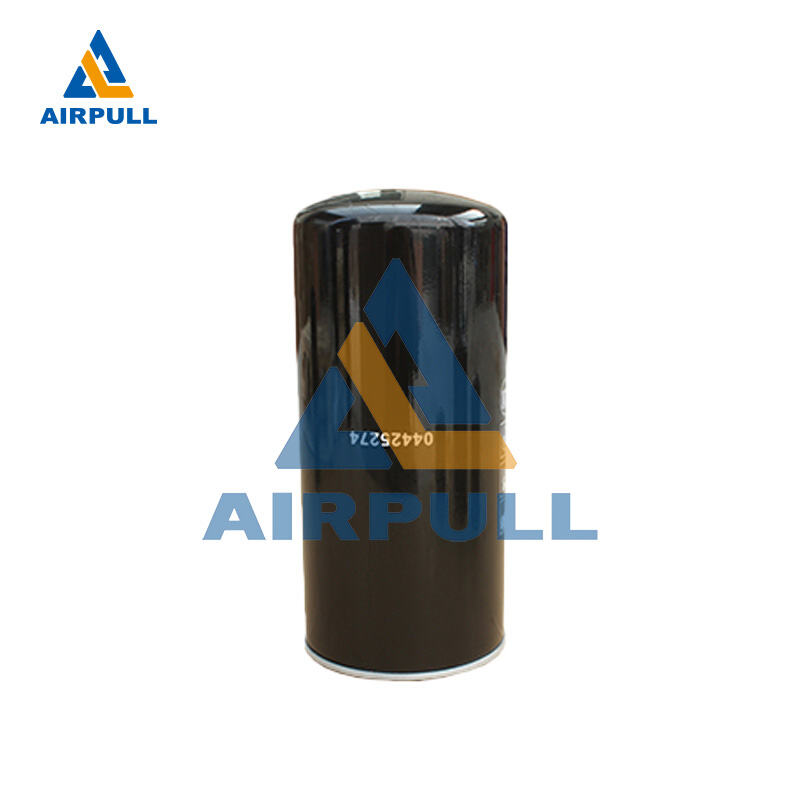
Proper maintenance of industrial machinery requires meticulous attention to filtration systems, particularly when it comes to preserving oil quality and extending equipment lifespan. A well-maintained lube oil filter serves as the first line of defense against contaminants that can cause catastrophic equipment failure, reduce operational efficiency, and increase maintenance costs. Understanding the fundamentals of filtration technology and implementing systematic maintenance protocols ensures optimal performance across various industrial applications, from compressors to hydraulic systems.
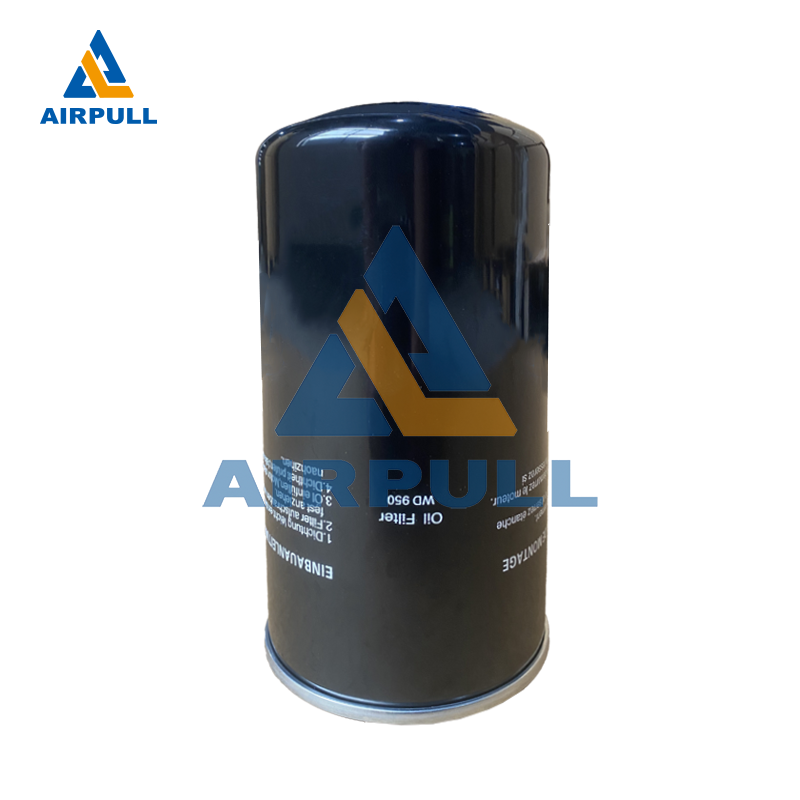
Understanding Oil Filter Technology and Performance
Core Filtration Mechanisms
Modern filtration systems employ multiple mechanisms to remove contaminants from lubricating oils, including mechanical straining, depth filtration, and surface filtration. Mechanical straining captures particles larger than the filter media pore size, while depth filtration traps smaller contaminants within the filter matrix. Surface filtration creates a barrier that prevents contaminants from passing through, building up a filter cake that enhances filtration efficiency over time.
The effectiveness of these mechanisms depends heavily on filter media quality, pore size distribution, and operating conditions. High-quality filter elements utilize synthetic media that maintains structural integrity under pressure while providing consistent filtration performance. Understanding these principles enables maintenance professionals to select appropriate filters and optimize replacement intervals based on actual operating conditions rather than arbitrary schedules.
Filter Media Selection Criteria
Selecting the appropriate filter media requires careful consideration of particle size distribution, flow rate requirements, pressure differentials, and chemical compatibility with the lubricating oil. Cellulose-based media offers excellent dirt-holding capacity and cost-effectiveness for standard applications, while synthetic media provides superior performance in high-temperature environments and extended service intervals.
Pleated filter designs maximize surface area within compact housings, reducing pressure drop while increasing dirt-holding capacity. The pleat count, depth, and spacing directly impact filtration efficiency and service life. Advanced filter elements incorporate multi-layer construction that combines different media types to optimize both initial efficiency and dirt-holding capacity throughout the service interval.
Systematic Maintenance Procedures
Inspection and Monitoring Protocols
Effective maintenance begins with systematic inspection procedures that identify potential issues before they escalate into costly failures. Visual inspection of filter housings reveals external damage, leaks, or corrosion that could compromise system integrity. Pressure differential monitoring provides real-time indication of filter loading and helps determine optimal replacement timing based on actual operating conditions.
Oil analysis programs complement visual inspections by tracking particle counts, contamination levels, and oil degradation products. Regular sampling and analysis establish baseline conditions and identify trends that indicate filter performance degradation or system contamination sources. This data-driven approach enables predictive maintenance strategies that optimize both equipment reliability and maintenance costs.
Replacement Procedures and Best Practices
Proper filter replacement requires adherence to established procedures that prevent contamination introduction during maintenance activities. System shutdown and pressure relief ensure safe working conditions while preventing oil spillage. Clean work areas, proper tools, and contamination control measures minimize the risk of introducing foreign particles during filter changes.
Pre-filling new filter elements with clean oil eliminates air pockets and reduces initial pressure spikes during system startup. Proper torque specifications for housing bolts and drain plugs prevent leaks while avoiding over-tightening that could damage sealing surfaces. Post-installation inspection verifies proper installation and identifies any immediate issues that require attention before returning the system to service.
Troubleshooting Common Filter Issues
Premature Filter Plugging
Premature filter plugging indicates excessive contamination levels or inappropriate filter selection for the application. Root cause analysis examines contamination sources, including ingression points, internal wear particles, and oil degradation products. Addressing these underlying issues prevents recurring problems and extends filter service life significantly.
Environmental factors such as temperature extremes, humidity, and airborne contaminants influence filter loading rates. Implementing environmental controls, improving sealing systems, and upgrading filtration capacity addresses these challenges systematically. Regular monitoring of pressure differentials and contamination levels provides early warning of developing problems before they impact system performance.
Filter Bypass and Contamination Issues
Filter bypass occurs when contaminants circumvent the filtration system due to improper installation, damaged seals, or excessive pressure differentials. This condition allows unfiltered oil to circulate through the system, accelerating component wear and reducing equipment reliability. Systematic inspection of bypass valves, sealing surfaces, and housing integrity identifies potential bypass paths.
Contamination issues often stem from inadequate cleaning procedures during maintenance activities or poor storage conditions for replacement filters. Implementing clean room practices, proper filter storage protocols, and contamination control measures during maintenance activities significantly reduces contamination introduction. A quality lube oil filter designed for specific applications provides reliable protection when properly maintained and installed according to manufacturer specifications.
Performance Optimization Strategies
Condition-Based Maintenance Implementation
Condition-based maintenance strategies optimize filter replacement timing based on actual performance data rather than predetermined schedules. Pressure differential monitoring, particle counting, and oil analysis provide objective criteria for replacement decisions. This approach maximizes filter utilization while maintaining optimal system protection, reducing both filter costs and maintenance labor requirements.
Advanced monitoring systems integrate multiple parameters to provide comprehensive assessment of filtration system performance. Real-time data collection enables immediate response to changing conditions while historical trending identifies long-term performance patterns. These insights support continuous improvement initiatives that optimize both equipment reliability and maintenance efficiency.
System Design Enhancements
System design modifications can significantly improve filtration performance and reduce maintenance requirements. Installing pre-filters removes larger contaminants before they reach primary filters, extending service life and reducing loading rates. Magnetic separators capture ferrous wear particles that could otherwise plug filter elements, particularly in applications with high wear rates.
Reservoir modifications including improved settling areas, enhanced breather systems, and contamination exclusion measures reduce overall system contamination levels. These proactive measures create cleaner operating environments that extend filter life while improving system reliability. Investment in these enhancements typically provides rapid payback through reduced maintenance costs and improved equipment availability.
FAQ
How often should industrial lube oil filters be replaced
Filter replacement frequency depends on operating conditions, contamination levels, and system requirements rather than fixed time intervals. Pressure differential monitoring provides the most reliable indicator, with replacement typically recommended when differential pressure reaches manufacturer specifications. Oil analysis and particle counting supplement pressure monitoring to optimize replacement timing based on actual filtration performance and contamination trends.
What causes excessive pressure drop across oil filters
Excessive pressure drop typically results from filter loading with contaminants, cold oil viscosity, or inappropriate filter selection for the application. High contamination levels accelerate filter loading, while operating in cold conditions increases oil viscosity and flow resistance. Oversized filters or lower-resistance media can address flow-related issues, while contamination control measures reduce loading rates and extend service intervals.
Can damaged oil filters cause equipment failure
Damaged or bypassed filters allow unfiltered oil to circulate through lubrication systems, accelerating component wear and potentially causing catastrophic failures. Contaminants such as metal particles, dirt, and oxidation products act as abrasives that damage bearing surfaces, seals, and precision components. Regular inspection and proper maintenance prevent filter-related equipment damage while ensuring reliable system protection throughout service intervals.
What are the signs of filter contamination problems
Filter contamination problems manifest through increased pressure differentials, shortened replacement intervals, oil discoloration, and elevated particle counts in oil analysis results. Visual inspection may reveal external contamination sources, while pressure monitoring indicates filter loading progression. Oil analysis provides detailed contamination characterization that identifies specific problems and guides corrective actions to address root causes rather than symptoms alone.