EN
EN


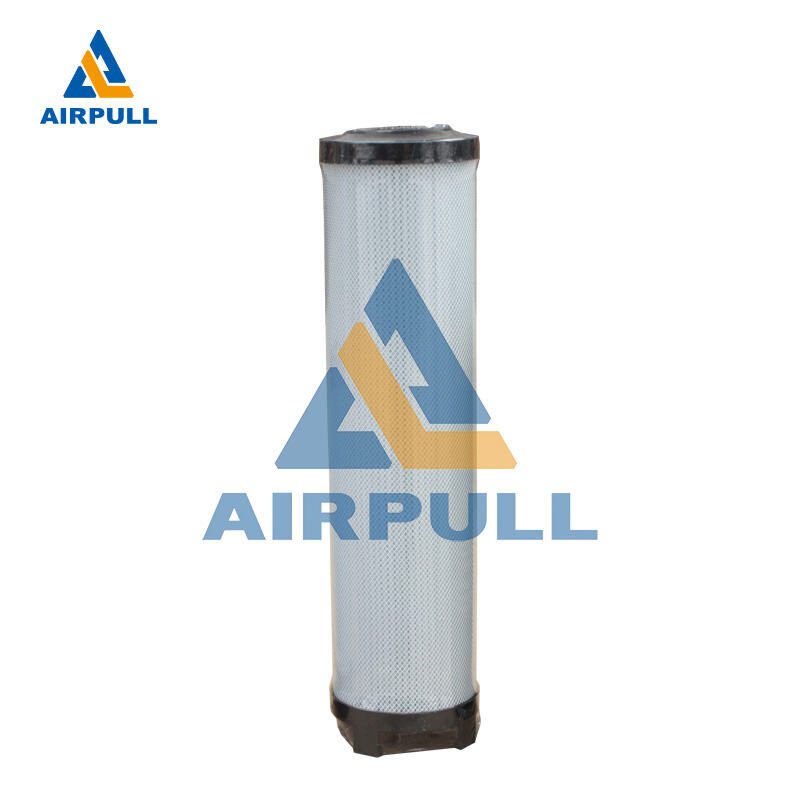
Industrial machinery depends heavily on proper lubrication systems to maintain optimal performance and prevent costly breakdowns. The lube oil filter serves as a critical component in this system, protecting expensive equipment from contamination and ensuring smooth operation. Understanding when your filtration system requires attention can save thousands in repair costs and minimize unexpected downtime. Regular monitoring of filter condition helps maintenance teams make informed decisions about replacement schedules and prevents catastrophic equipment failures.
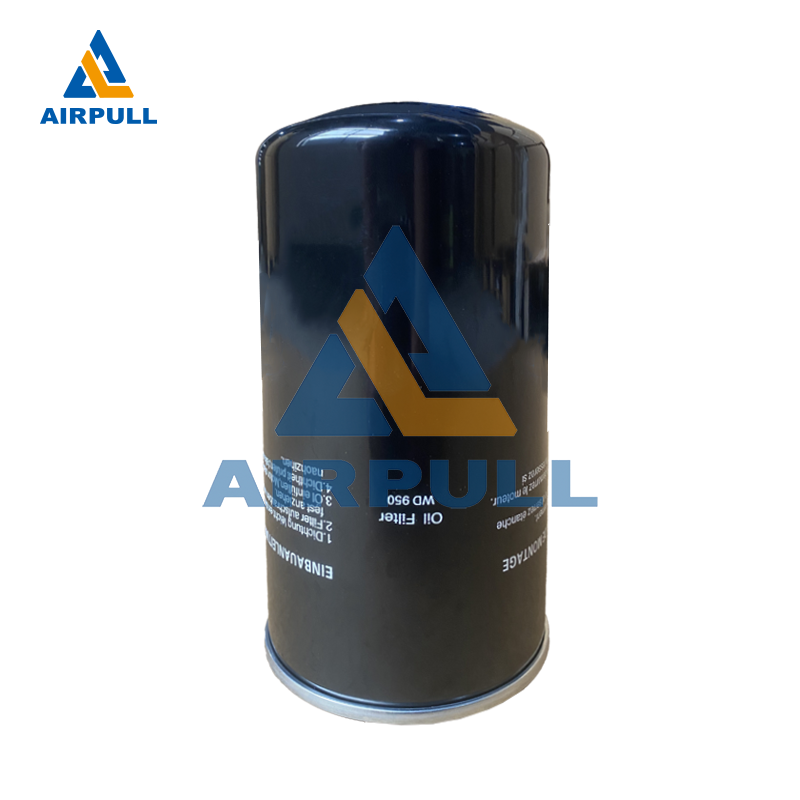
Understanding Oil Filter Function and Importance
Primary Functions of Industrial Oil Filters
Industrial lube oil filter systems perform multiple essential functions within mechanical equipment. They remove solid contaminants such as metal particles, dirt, and debris that can cause abrasive wear on moving components. These filters also help maintain oil viscosity by preventing contamination that could alter lubrication properties. Additionally, they extend oil service life by keeping lubricants clean and free from harmful substances that accelerate degradation.
Modern filtration systems utilize various media types to capture different contaminant sizes and types. Cellulose-based filters excel at removing larger particles, while synthetic media provides superior fine particle retention. Some advanced lube oil filter designs incorporate multiple stages to handle different contamination levels effectively. Understanding these functions helps operators recognize when filter performance begins to decline and replacement becomes necessary.
Impact of Filter Performance on Equipment Life
Proper filtration directly correlates with extended equipment service life and reduced maintenance costs. Clean oil reduces friction between moving parts, minimizing wear and heat generation. This protection becomes particularly critical in high-speed applications where metal-to-metal contact can cause rapid component failure. Studies indicate that effective filtration can double or triple bearing life in industrial machinery.
When lube oil filter performance deteriorates, contaminated oil circulates throughout the system, accelerating component wear. Particles act as grinding compounds between surfaces, creating microscopic damage that compounds over time. This progressive deterioration leads to increased clearances, reduced efficiency, and eventual component failure. Regular filter replacement prevents this cascade of problems and maintains optimal equipment performance.
Critical Warning Signs of Filter Deterioration
Pressure Differential Increases
Monitoring pressure differential across your lube oil filter provides the most reliable indicator of filter condition. As filters capture contaminants, flow resistance increases, creating higher pressure drops. Most industrial applications establish baseline pressure readings when filters are new, then track changes over time. A doubling of initial pressure drop typically signals the need for immediate replacement.
Digital pressure monitoring systems can provide continuous tracking and alert operators when predetermined thresholds are exceeded. These systems eliminate guesswork and prevent operators from missing critical replacement windows. Some advanced installations include automatic shutdown features that protect equipment when pressure differentials become excessive. Regular calibration of monitoring equipment ensures accurate readings and reliable warning signals.
Oil Analysis Results Show Contamination
Routine oil analysis provides valuable insights into lube oil filter effectiveness and overall system health. Particle count measurements reveal when filtration systems can no longer maintain acceptable cleanliness levels. ISO cleanliness codes help standardize contamination assessment across different equipment types and applications. Rising particle counts in consecutive samples indicate declining filter performance.
Laboratory analysis also identifies contamination types, helping determine whether particles originate from normal wear, external ingression, or filter media breakdown. Water content measurements reveal seal integrity and filter housing condition. Acid numbers and viscosity changes indicate oil degradation that may result from inadequate filtration. These comprehensive analyses guide maintenance decisions beyond simple replacement schedules.
Visual and Physical Inspection Indicators
External Filter Housing Assessment
External inspection of lube oil filter housings reveals important clues about internal filter condition. Housing deformation or bulging indicates excessive pressure buildup, suggesting severely restricted flow. Visible leaks around gaskets or connections may indicate pressure-related failures or improper installation. Corrosion or pitting on housing surfaces can compromise structural integrity and lead to catastrophic failures.
Temperature variations across filter housings provide additional diagnostic information. Hot spots may indicate bypass valve activation or flow restriction causing local heating. Infrared thermography helps identify these thermal patterns before visible damage occurs. Regular thermal imaging surveys can detect developing problems weeks or months before conventional inspection methods.
Filter Element Physical Condition
Direct inspection of removed filter elements provides definitive evidence of replacement needs. Collapsed or damaged pleats indicate excessive pressure differential or improper handling. Discoloration beyond normal use patterns suggests contamination types or oil degradation issues. Hard deposits on filter media indicate varnish formation or additive precipitation requiring immediate attention.
Filter media integrity assessment involves checking for tears, holes, or bypass conditions that allow unfiltered oil circulation. Some contaminants create acidic conditions that attack filter materials, leading to premature failure. Media migration or separation from support structures compromises filtration effectiveness. These physical inspections guide both immediate replacement decisions and long-term maintenance strategies.
Performance-Based Replacement Indicators
Equipment Operating Temperature Changes
Rising operating temperatures often indicate declining lube oil filter performance and contaminated lubricants. Dirty oil loses thermal conductivity, reducing heat transfer efficiency and causing temperature increases. Abrasive particles create additional friction, generating excess heat throughout the system. Monitoring bearing temperatures, oil reservoir temperatures, and discharge temperatures reveals filtration system effectiveness.
Thermal trending analysis helps distinguish between normal operational variations and systematic increases indicating filter problems. Seasonal adjustments and load variations create expected temperature changes that differ from contamination-related increases. Establishing baseline temperature profiles for specific operating conditions improves diagnostic accuracy. Advanced monitoring systems can correlate temperature trends with other parameters for comprehensive system assessment.
Unusual Noise and Vibration Patterns
Changes in equipment noise levels and vibration signatures often precede visible signs of lube oil filter failure. Increased bearing noise indicates inadequate lubrication or contaminated oil causing surface roughening. Harmonic frequency changes in rotating equipment suggest developing clearance problems from abrasive wear. Pump cavitation noises may indicate flow restrictions from blocked filters.
Vibration analysis provides objective measurement of mechanical condition changes related to lubrication quality. Spectral analysis identifies specific frequency components associated with different failure modes. Trending vibration levels over time reveals gradual deterioration patterns that correlate with filter condition. Integration with other monitoring systems creates comprehensive equipment health assessment capabilities.
Timing and Scheduling Considerations
Manufacturer Recommendations vs Real-World Conditions
Manufacturer recommendations for lube oil filter replacement provide starting points for maintenance scheduling but require adjustment for actual operating conditions. Standard recommendations assume typical contamination levels, operating temperatures, and duty cycles. Harsh environments, extended operating hours, or unusual contamination sources necessitate more frequent replacement intervals. Field experience and condition monitoring data should guide schedule modifications.
Documentation of actual filter service life under specific conditions helps refine replacement schedules over time. Tracking filter condition at removal provides valuable feedback for schedule optimization. Some facilities develop multiple replacement schedules based on equipment criticality, operating conditions, and contamination exposure levels. This approach maximizes filter utilization while preventing premature equipment wear.
Emergency vs Planned Replacement Strategies
Planned replacement strategies minimize costs and downtime compared to emergency responses to filter failures. Stocking appropriate filter quantities ensures availability when replacement becomes necessary. Scheduling replacements during planned maintenance windows reduces production disruptions and labor costs. Coordinating filter changes with oil changes maximizes maintenance efficiency and system cleanliness.
Emergency replacement situations often involve expedited shipping costs, overtime labor, and potential production losses. Developing emergency response procedures helps minimize these impacts when unexpected failures occur. Backup equipment and temporary filtration systems can maintain operations while permanent repairs are completed. Training maintenance personnel in rapid replacement procedures reduces emergency response time.
Cost Analysis and Decision Making
Economic Impact of Delayed Replacement
Delaying lube oil filter replacement beyond optimal timing creates escalating costs that far exceed filter purchase prices. Contaminated oil causes accelerated component wear, reducing bearing life and requiring more frequent major repairs. Equipment efficiency decreases as internal clearances increase, resulting in higher energy consumption and reduced productivity. These hidden costs often exceed direct filter costs by factors of ten to one hundred.
Quantifying these costs helps justify proactive replacement programs and condition monitoring investments. Tracking maintenance histories reveals patterns linking delayed filter changes to subsequent failures. Some organizations develop cost models that calculate optimal replacement timing based on filter costs, labor expenses, and equipment replacement values. These analyses support data-driven maintenance decisions and budget planning.
Total Cost of Ownership Optimization
Optimizing total cost of ownership requires balancing filter purchase costs against equipment protection and operational reliability. Premium filter media may cost more initially but provide superior protection and longer service life. High-efficiency filters reduce downstream component wear and extend oil service intervals. Evaluating these trade-offs requires comprehensive cost analysis beyond simple purchase price comparisons.
Lifecycle cost analysis incorporates filter costs, labor expenses, oil costs, equipment wear, and production impacts into comprehensive economic models. These models help identify optimal replacement intervals and filter specifications for specific applications. Regular review and updating of cost parameters ensures continued optimization as conditions change or equipment ages.
FAQ
How often should industrial lube oil filters be replaced
Industrial lube oil filter replacement frequency depends on multiple factors including operating conditions, contamination exposure, and equipment criticality. Typical intervals range from 500 to 2000 operating hours, but condition monitoring provides more accurate replacement timing than fixed schedules. Pressure differential monitoring, oil analysis, and visual inspection guide optimal replacement decisions. Harsh environments or critical applications may require more frequent changes, while clean conditions might extend service intervals.
What happens if a lube oil filter is not replaced when needed
Failing to replace a deteriorated lube oil filter leads to progressive equipment damage and increasing costs. Bypass valves may open, allowing unfiltered oil to circulate and accelerate component wear. Restricted flow causes pressure buildups that can damage seals and housings. Contaminated oil loses protective properties, leading to bearing failures, seal deterioration, and reduced equipment life. Emergency repairs and unplanned downtime typically cost far more than proactive filter maintenance.
Can pressure differential alone determine filter replacement needs
While pressure differential provides an excellent primary indicator for lube oil filter replacement, combining it with other monitoring methods ensures optimal timing. Oil analysis reveals contamination levels and filter effectiveness beyond pressure measurements. Visual inspection identifies filter damage or bypass conditions that pressure readings might miss. Temperature monitoring and vibration analysis provide additional confirmation of filtration system performance. Integrated monitoring approaches provide more reliable replacement decisions than single-parameter systems.
What are the signs of a completely failed lube oil filter
Complete filter failure typically manifests through multiple simultaneous symptoms including extreme pressure differential, visible contamination in oil samples, and rapid equipment performance degradation. Bypass valve activation allows completely unfiltered oil circulation, causing immediate contamination increase. Equipment temperatures rise due to reduced lubrication effectiveness and increased friction. Unusual noises, vibrations, and visible oil leaks may indicate system damage from failed filtration. Emergency shutdown and immediate filter replacement become necessary to prevent catastrophic equipment failure.