EN
EN


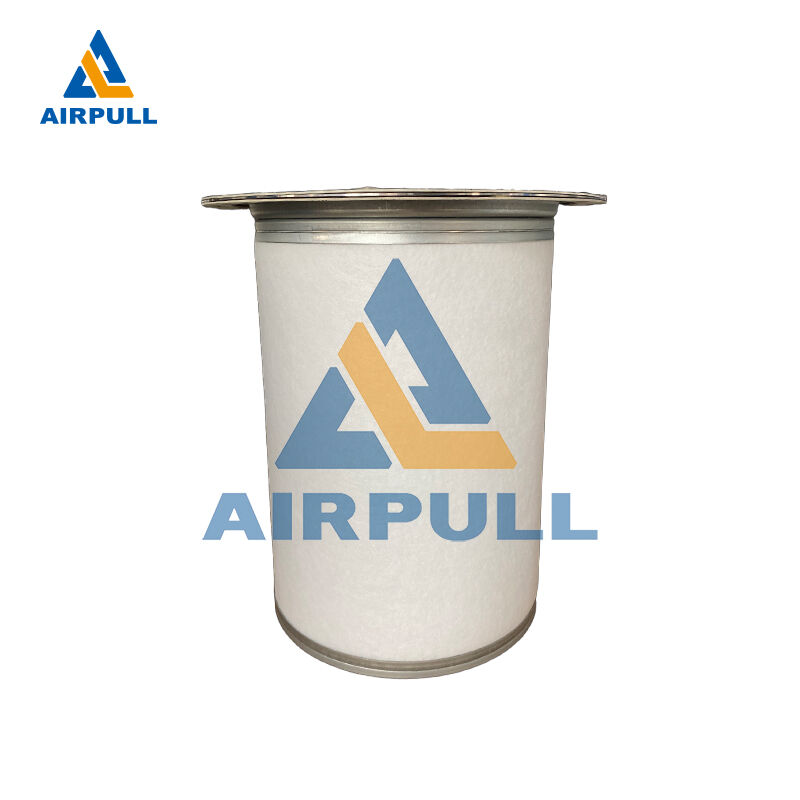
Air compressor systems rely heavily on the proper functioning of their air oil separator to maintain optimal performance and protect downstream equipment. When an air oil separator begins to fail, it can lead to significant operational issues including oil contamination, reduced efficiency, and costly equipment damage. Recognizing the early warning signs of a failing air oil separator is crucial for maintaining your compressed air system's reliability and preventing unexpected downtime that could impact your entire operation.
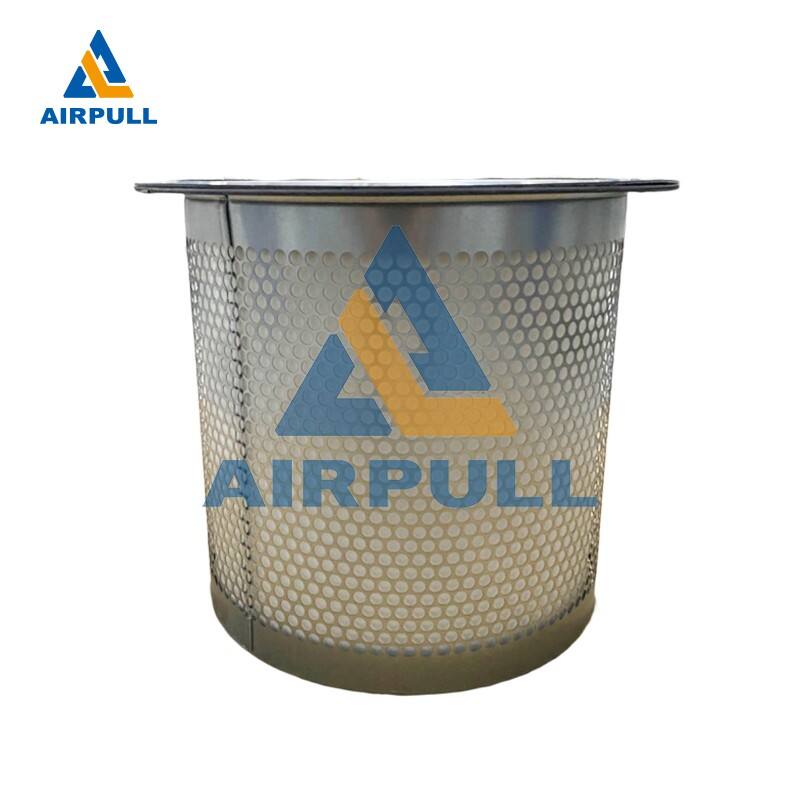
The air oil separator serves as a critical component in rotary screw compressors, responsible for removing oil from the compressed air stream before it reaches your pneumatic tools and equipment. This separation process ensures that your compressed air meets quality standards while protecting both your compressor and downstream applications from oil contamination damage.
Understanding Air Oil Separator Function
Primary Separation Process
The air oil separator operates through a multi-stage filtration process that captures oil particles from the compressed air stream. As air and oil mixture passes through the separator element, larger oil droplets are captured by the outer layers while fine oil mist is collected by specialized synthetic media. This process ensures that the air oil separator maintains proper air quality standards while returning separated oil back to the compressor's lubricant reservoir.
Modern air oil separator designs incorporate advanced filtration media that can capture oil particles as small as 0.1 microns, achieving separation efficiencies of up to 99.9%. The separated oil is then returned to the compressor through a scavenge line, maintaining proper lubrication levels while preventing oil loss and environmental contamination.
Secondary Functions and Benefits
Beyond primary oil separation, the air oil separator also serves as a moisture separator, removing water vapor that could cause corrosion in downstream equipment. The separator element acts as a final barrier against contamination, ensuring that your compressed air system delivers clean, dry air to critical applications.
The air oil separator also plays a crucial role in maintaining proper system pressure differentials. When functioning correctly, it allows for smooth airflow while maintaining the necessary back-pressure for optimal compressor operation and oil circulation throughout the system.
Visual Indicators of Separator Failure
Oil Contamination Signs
One of the most obvious signs that your air oil separator requires replacement is visible oil contamination in your compressed air lines. You may notice oil residue on pneumatic tools, in air receivers, or at connection points throughout your distribution system. This contamination indicates that the separator element is no longer effectively capturing oil particles from the compressed air stream.
Oil staining on equipment surfaces, particularly around air discharge points, suggests that your air oil separator has exceeded its capacity to maintain proper separation efficiency. When oil begins appearing in areas where only clean, dry air should be present, immediate separator replacement becomes necessary to prevent further contamination and equipment damage.
Physical Element Deterioration
During routine maintenance inspections, examine the physical condition of your air oil separator element. Signs of deterioration include torn or damaged filter media, collapsed pleats, or separation of the end caps from the filter element body. These physical damages compromise the separator's ability to maintain proper filtration and require immediate replacement.
Color changes in the separator element can also indicate problems, with darkened or blackened media suggesting excessive oil degradation or contamination buildup. A properly functioning air oil separator should maintain relatively clean appearance throughout its service life, with gradual darkening being normal but sudden color changes indicating potential issues.
Performance-Related Warning Signs
Pressure Drop Increase
Monitoring the pressure differential across your air oil separator provides valuable insight into its condition and remaining service life. A gradual increase in pressure drop indicates that the separator element is becoming loaded with contaminants and approaching the end of its useful service life. Most manufacturers recommend replacement when pressure drop exceeds 10-15 PSI across the separator element.
Sudden spikes in pressure drop may indicate element damage or catastrophic failure, requiring immediate attention to prevent compressor damage. Regular pressure monitoring allows for predictive maintenance scheduling and helps avoid unexpected failures that could result in costly downtime and equipment damage.
Oil Consumption Changes
Increased oil consumption often indicates that your air oil separator is no longer effectively returning separated oil to the compressor reservoir. When the separator element becomes damaged or clogged, oil may bypass the return system and be carried downstream with the compressed air, resulting in higher oil consumption rates.
Tracking oil consumption levels provides early warning of separator problems and helps establish maintenance schedules. Significant increases in oil usage, particularly when combined with other symptoms, strongly suggest that separator replacement is needed to restore normal operation and prevent further oil loss.
System Efficiency Indicators
Energy Consumption Patterns
A failing air oil separator can significantly impact your compressor's energy efficiency by creating additional system resistance and forcing the unit to work harder to maintain required pressure levels. Monitor your compressor's power consumption patterns to identify gradual increases that may indicate separator problems affecting overall system performance.
When the air oil separator becomes restrictive due to contamination or damage, the compressor must operate at higher pressures to overcome the increased resistance. This results in higher energy consumption and reduced overall system efficiency, making separator replacement a cost-effective solution for restoring optimal performance.
Air Quality Degradation
Deteriorating compressed air quality serves as a clear indicator of air oil separator problems. Quality issues may manifest as moisture problems, oil contamination, or the presence of particulate matter in the compressed air stream. These problems can damage sensitive pneumatic equipment and compromise product quality in manufacturing applications.
Regular air quality testing helps identify separator issues before they cause significant problems. When air quality parameters fall outside acceptable limits, the air oil separator should be inspected and potentially replaced to restore proper filtration performance and protect downstream equipment.
Maintenance Schedule Considerations
Service Interval Guidelines
Most air oil separator manufacturers recommend replacement intervals based on operating hours, typically ranging from 4,000 to 8,000 hours depending on operating conditions and air quality requirements. However, these intervals should be adjusted based on actual operating conditions, including ambient temperature, humidity levels, and duty cycle patterns that may accelerate separator degradation.
Harsh operating environments may require more frequent air oil separator replacement to maintain optimal performance. Facilities with high dust levels, extreme temperatures, or continuous duty cycles should consider shorter replacement intervals and more frequent condition monitoring to prevent unexpected failures.
Preventive Replacement Strategy
Implementing a proactive replacement strategy for your air oil separator helps avoid unexpected failures and maintains consistent system performance. Rather than waiting for obvious failure symptoms, scheduled replacement based on operating hours or condition monitoring results ensures continuous operation and prevents costly emergency repairs.
Preventive replacement also allows for better maintenance planning, ensuring that replacement parts are available when needed and reducing the risk of extended downtime. This approach typically results in lower total cost of ownership and improved system reliability compared to reactive maintenance strategies.
Cost Implications of Delayed Replacement
Equipment Damage Risks
Delaying air oil separator replacement can result in significant equipment damage and costly repairs throughout your compressed air system. Oil contamination can damage pneumatic tools, control valves, and sensitive instrumentation, leading to repair costs that far exceed the price of timely separator replacement.
Downstream equipment damage often requires extensive system cleanup and component replacement, resulting in extended downtime and high repair costs. The air oil separator represents a small investment compared to the potential cost of equipment damage caused by oil contamination, making proactive replacement a cost-effective maintenance strategy.
Operational Efficiency Losses
Operating with a degraded air oil separator reduces overall system efficiency and increases operating costs through higher energy consumption and reduced equipment performance. These efficiency losses accumulate over time, making the cost of delayed replacement significantly higher than timely maintenance.
Production quality issues caused by contaminated compressed air can result in product defects, rework costs, and customer dissatisfaction. The air oil separator plays a critical role in maintaining air quality standards necessary for consistent production results and customer satisfaction.
FAQ
How often should I replace my air oil separator
Most air oil separator elements should be replaced every 4,000 to 8,000 operating hours, depending on operating conditions and manufacturer recommendations. However, you should monitor pressure differential and visual indicators to determine the optimal replacement timing for your specific application. Harsh operating environments may require more frequent replacement to maintain optimal performance.
Can I clean and reuse an air oil separator element
Air oil separator elements are designed as disposable components and should not be cleaned or reused. Attempting to clean separator elements can damage the filtration media and compromise separation efficiency. The complex multi-layer construction and specialized coatings used in modern air oil separator designs make cleaning ineffective and potentially harmful to system performance.
What happens if I continue operating with a failed air oil separator
Operating with a failed air oil separator can cause oil contamination throughout your compressed air system, damage downstream equipment, and increase operating costs. Oil contamination can harm pneumatic tools, cause product quality issues, and create safety hazards. Additionally, excessive oil loss will require more frequent oil changes and may damage the compressor itself.
How do I properly dispose of used air oil separator elements
Used air oil separator elements should be disposed of according to local environmental regulations for oil-contaminated materials. Many areas classify used separators as hazardous waste due to oil content, requiring special handling and disposal procedures. Contact your local waste management authority or environmental services provider for proper disposal guidance specific to your location.