EN
EN


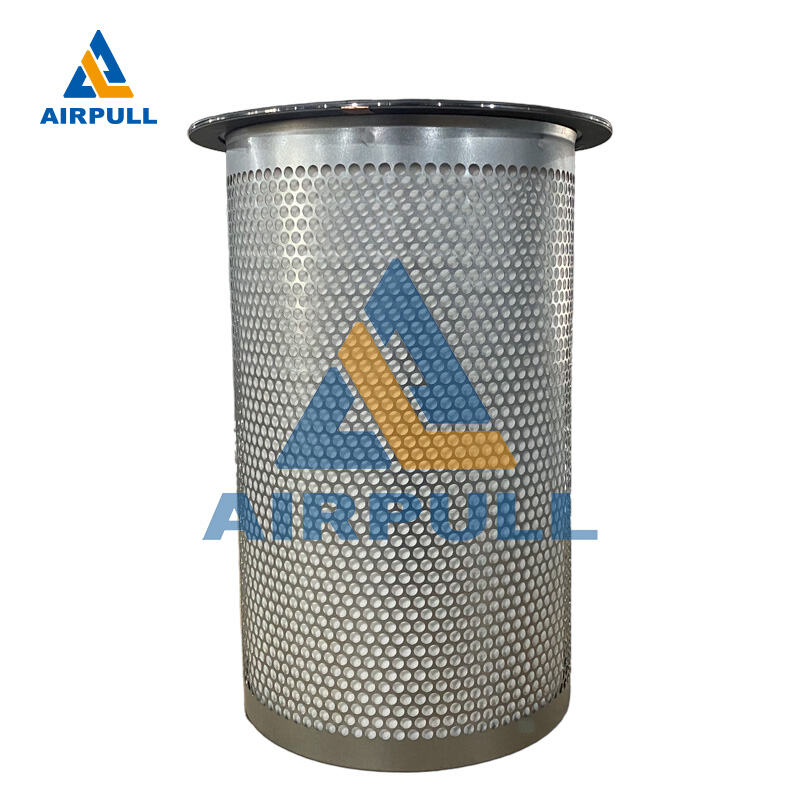
Industrial compressed air systems rely heavily on efficient filtration components to maintain optimal performance and extend equipment lifespan. The air oil separator serves as a critical component in these systems, ensuring clean compressed air output while protecting downstream equipment from oil contamination. Understanding the selection criteria for these separators can significantly impact operational efficiency, maintenance costs, and overall system reliability. Modern manufacturing facilities depend on consistent, high-quality compressed air for various applications ranging from pneumatic tools to precision manufacturing processes.
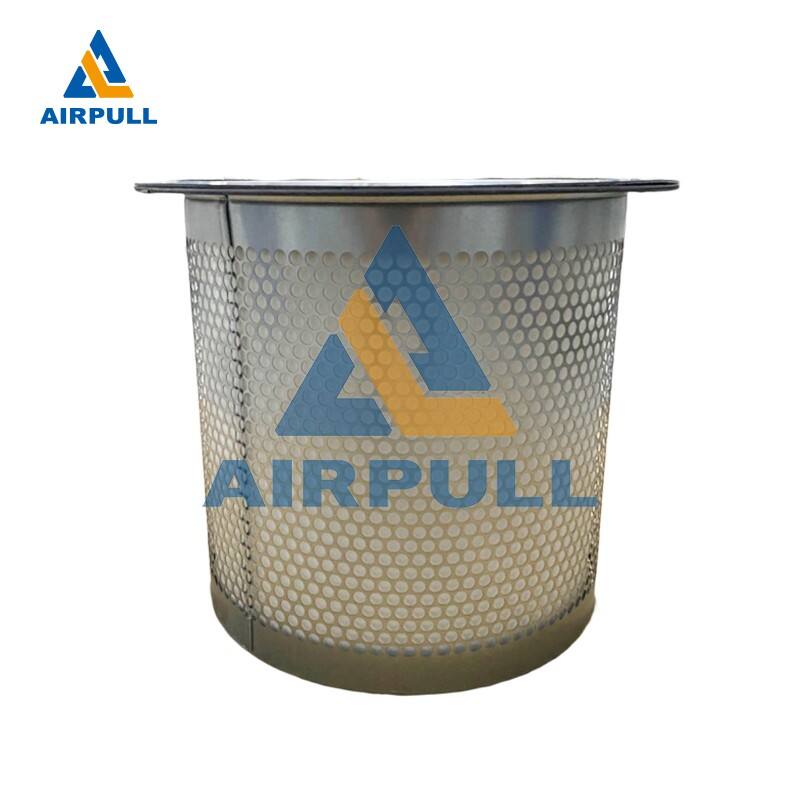
Understanding Air Oil Separator Fundamentals
Core Operating Principles
The air oil separator operates through a sophisticated multi-stage filtration process that removes oil particles from compressed air streams. This separation occurs through coalescence, where microscopic oil droplets combine to form larger droplets that can be effectively captured and drained. The separator element typically consists of multiple layers of specialized media, each designed to target specific particle sizes and contamination types. Understanding these fundamental principles helps engineers select the most appropriate separator for their specific application requirements.
Efficiency ratings for air oil separators typically range from 99.9% to 99.99%, with premium units achieving even higher performance levels. The separator element must maintain consistent performance across varying operating conditions including temperature fluctuations, pressure variations, and different oil viscosities. Advanced separator designs incorporate progressive density filtration media that gradually increases in density toward the downstream side, maximizing particle capture while minimizing pressure drop.
System Integration Requirements
Proper integration of an air oil separator requires careful consideration of system pressure, flow rates, and operating temperatures. The separator housing must be compatible with existing piping configurations while providing adequate space for maintenance access. Installation orientation plays a crucial role in separator performance, as vertical mounting typically provides superior drainage compared to horizontal configurations. System designers must also account for pressure drop across the separator element, ensuring adequate upstream pressure to maintain required downstream pressure levels.
Flow velocity through the separator element significantly impacts separation efficiency and element lifespan. Excessive velocity can cause oil re-entrainment, reducing separation effectiveness and potentially damaging the filter media. Conversely, insufficient flow velocity may result in inadequate particle momentum for effective coalescence. The optimal balance requires matching separator capacity to actual system flow requirements with appropriate safety margins for peak demand periods.
Selection Criteria and Performance Specifications
Flow Rate Capacity Matching
Determining the correct flow rate capacity represents the most critical aspect of air oil separator selection. Engineers must evaluate both average and peak flow demands to ensure the separator can handle maximum system requirements without compromising efficiency. Undersized separators experience excessive pressure drop and reduced separation efficiency, while oversized units may not achieve optimal coalescence due to insufficient residence time. The separator capacity should typically be sized for 110-120% of maximum anticipated flow to provide adequate safety margin.
Temperature effects on flow capacity require special consideration, as compressed air density varies significantly with temperature changes. Higher operating temperatures reduce air density, effectively increasing volumetric flow through the separator at constant mass flow rates. This phenomenon necessitates temperature correction factors when sizing separators for high-temperature applications. Additionally, temperature affects oil viscosity, influencing separation efficiency and drainage characteristics throughout the operating cycle.
Pressure Drop Considerations
Pressure drop across the air oil separator directly impacts system energy efficiency and operating costs. Initial pressure drop with a clean element typically ranges from 1-3 psi for standard applications, gradually increasing as the element loads with contaminants. End-of-life pressure drop thresholds are usually set at 10-15 psi above initial values, indicating replacement necessity. Monitoring pressure drop trends provides valuable insights into separator performance and helps optimize replacement intervals.
Differential pressure indicators or transmitters enable real-time monitoring of separator condition, allowing maintenance teams to schedule replacements before performance degradation affects downstream equipment. Advanced monitoring systems can integrate with facility automation networks, providing automated alerts and maintenance scheduling. This proactive approach minimizes unexpected failures and ensures consistent air quality throughout the operational cycle.
Material Construction and Durability Factors
Filter Media Technologies
Modern air oil separator elements utilize advanced synthetic media materials designed for superior coalescence efficiency and extended service life. Borosilicate glass microfibers provide excellent particle capture characteristics while maintaining structural integrity under varying pressure conditions. Synthetic media options include pleated polyester, meltblown polypropylene, and specialized composite materials engineered for specific applications. The choice of media material significantly influences separator performance, service life, and compatibility with different oil types.
Progressive density construction incorporates multiple media layers with increasing density toward the downstream side, optimizing particle capture across the full size spectrum. This design approach maximizes dirt holding capacity while minimizing pressure drop increase during the service cycle. High-efficiency air oil separator designs may incorporate additional stages such as pre-filtration layers and final polishing media to achieve ultra-clean air output specifications.
Housing and Structural Components
Separator housing construction must withstand operating pressures while providing reliable sealing and drainage capabilities. Carbon steel housings with protective coatings offer cost-effective solutions for standard applications, while stainless steel construction provides superior corrosion resistance for demanding environments. Housing design should incorporate adequate drainage capacity with reliable float or electronic drain systems to prevent oil accumulation and maintain separation efficiency.
End cap and gasket materials require compatibility with operating temperatures and the specific lubricants used in the compressed air system. Nitrile, fluorocarbon, and EPDM gasket materials each offer different advantages depending on temperature range and chemical compatibility requirements. Proper gasket selection ensures reliable sealing throughout the service life while preventing contamination and maintaining system integrity.
Installation and Maintenance Best Practices
Proper Installation Procedures
Correct installation of an air oil separator begins with proper system shutdown and depressurization procedures to ensure worker safety and prevent contamination. The installation location should provide adequate clearance for maintenance access while protecting the separator from mechanical damage and environmental contaminants. Piping connections must be properly aligned to prevent stress on the separator housing, and all joints should be checked for proper sealing before system startup.
Drainage system installation requires particular attention to ensure effective oil removal and prevent accumulation within the separator housing. Drain lines should be sized appropriately for expected condensate volumes and installed with adequate slope to promote gravity drainage. Automatic drain systems require electrical connections and proper programming to ensure reliable operation without manual intervention. System commissioning should include verification of all safety systems and performance validation under normal operating conditions.
Preventive Maintenance Strategies
Effective maintenance programs for air oil separator systems incorporate regular monitoring, scheduled replacements, and proactive system optimization. Pressure differential monitoring provides the primary indicator of separator condition, with trending analysis helping predict optimal replacement timing. Visual inspection of drained oil can reveal information about separator performance and upstream system condition, including wear metals and contamination sources.
Replacement intervals for air oil separator elements depend on operating conditions, contamination levels, and performance requirements. Typical service life ranges from 2000 to 8000 operating hours, with some premium elements achieving extended life under favorable conditions. Maintaining detailed service records helps optimize replacement intervals and identify system issues that may affect separator performance. Regular training for maintenance personnel ensures proper procedures and helps prevent common installation errors that can compromise system performance.
Troubleshooting Common Performance Issues
Identifying Separation Efficiency Problems
Poor separation efficiency manifests through various symptoms including visible oil carryover in compressed air lines, frequent downstream filter replacements, and equipment malfunctions caused by oil contamination. Systematic troubleshooting begins with verification of operating conditions against separator specifications, including flow rate, pressure, and temperature parameters. Excessive flow rates or operating outside design parameters can significantly reduce separation efficiency even with properly functioning equipment.
Oil carryover analysis requires examination of both the air oil separator condition and upstream system factors. Worn compressor components, incorrect oil specifications, or excessive oil levels can overwhelm separator capacity regardless of element condition. Sampling compressed air quality at various points throughout the system helps isolate the contamination source and determine appropriate corrective actions. Professional air quality testing equipment provides quantitative measurements necessary for accurate diagnosis and system optimization.
Addressing Premature Element Failure
Premature air oil separator failure often results from operating conditions exceeding design specifications or upstream system problems introducing excessive contamination. High particle loading from worn compressor components can rapidly clog separator media, causing pressure drop increases and reduced efficiency. Temperature excursions beyond element ratings can damage synthetic media materials, compromising structural integrity and separation performance.
Systematic investigation of premature failures should include analysis of removed elements to identify failure modes and root causes. Physical examination reveals whether failure resulted from normal wear, overloading, temperature damage, or chemical incompatibility. Understanding failure mechanisms enables implementation of corrective measures to prevent recurrence and optimize system performance. Documentation of failure analysis results contributes to improved maintenance practices and more accurate separator selection for future applications.
FAQ
How often should air oil separator elements be replaced
Air oil separator replacement intervals typically range from 2000 to 8000 operating hours, depending on operating conditions and contamination levels. The primary indicator for replacement is differential pressure across the element, with replacement recommended when pressure drop exceeds 10-15 psi above initial clean values. Regular monitoring of pressure differential trends provides the most reliable method for optimizing replacement timing and ensuring consistent performance throughout the service cycle.
What factors affect air oil separator efficiency
Separation efficiency depends on multiple factors including flow velocity, operating temperature, pressure differential, and oil viscosity. Proper sizing ensures optimal flow velocity for effective coalescence, while maintaining operating parameters within design specifications preserves separator performance. Contamination loading, element age, and downstream system conditions also significantly influence overall separation efficiency and should be monitored regularly for optimal system performance.
Can air oil separators be cleaned and reused
Most modern air oil separator elements utilize synthetic media that cannot be effectively cleaned for reuse. Attempting to clean separator elements typically damages the delicate media structure and compromises separation efficiency. Replacement with new elements ensures optimal performance and reliability, while the cost of cleaning rarely justifies the risk of reduced efficiency or premature failure in critical applications.
What are the signs of a failing air oil separator
Key indicators of failing air oil separator performance include increasing pressure differential, visible oil carryover in compressed air lines, frequent downstream filter replacements, and equipment malfunctions caused by oil contamination. Monitoring differential pressure trends provides early warning of element loading, while regular air quality testing can detect efficiency degradation before visible symptoms appear. Prompt replacement prevents downstream equipment damage and maintains system reliability.