EN
EN



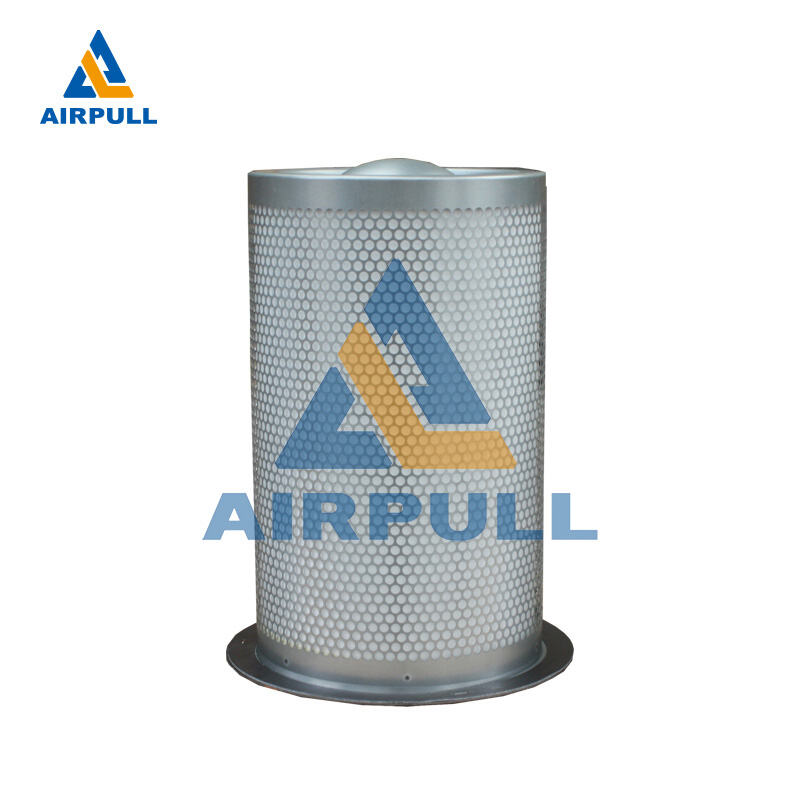
In compressed air systems, the compressor oil separator plays a critical role in maintaining system efficiency, protecting downstream equipment, and ensuring clean air output. This component separates lubricating oil from compressed air, preventing oil carryover that can damage production processes, contaminate products, and reduce equipment lifespan. Understanding when this essential filter element requires replacement is fundamental to preventing costly downtime, maintaining optimal performance, and avoiding expensive repairs. Many operators overlook early warning signs until catastrophic failure occurs, resulting in emergency shutdowns and unexpected maintenance expenses.
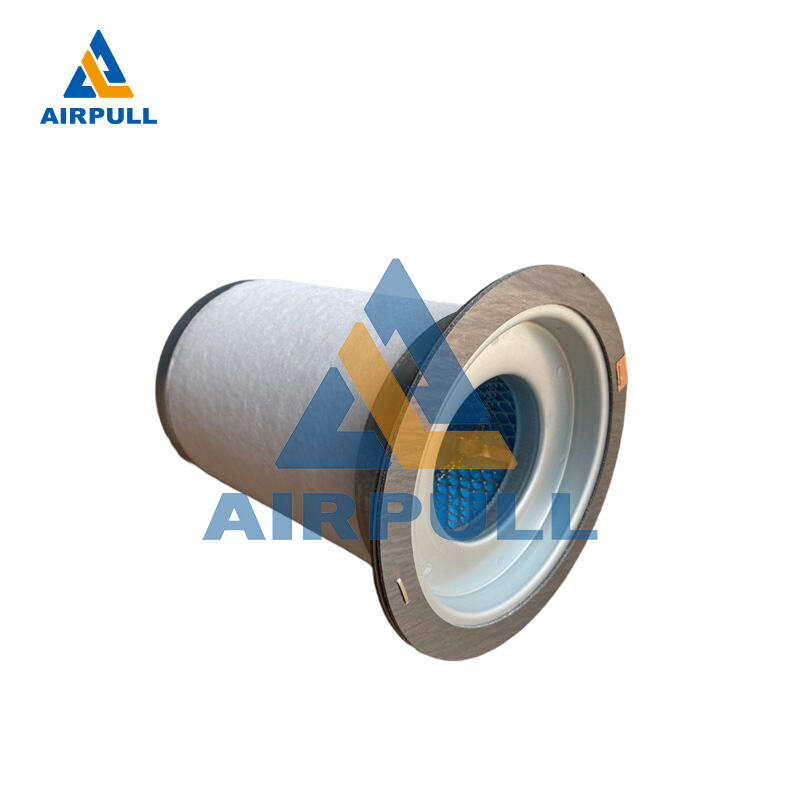
Recognizing the symptoms of a failing compressor oil separator allows maintenance teams to schedule proactive replacements before system performance degrades significantly. Whether you operate rotary screw compressors in manufacturing facilities, service centers, or industrial plants, identifying these warning indicators helps you maintain compressed air quality, reduce energy consumption, and protect valuable equipment investments. This comprehensive guide examines the specific signs that signal when your oil separator has reached the end of its service life and requires immediate attention.
Increased Oil Consumption and Frequent Refilling
Excessive Oil Loss Between Service Intervals
One of the most apparent indicators of a deteriorating compressor oil separator is abnormally high oil consumption that requires frequent refilling between scheduled maintenance intervals. When the separator element loses its filtration efficiency, oil passes through the compromised media and exits with the compressed air stream. This oil carryover results in steadily dropping oil levels in the compressor reservoir, forcing operators to add lubricant more frequently than normal. A properly functioning compressor oil separator should maintain consistent oil levels throughout its rated service life, typically ranging from 2000 to 8000 operating hours depending on application conditions.
When you notice that oil additions have doubled or tripled compared to historical patterns, the separator element has likely become saturated, clogged, or physically damaged. This condition allows lubricant to bypass the separation media entirely, traveling directly into the air delivery system where it contaminates pneumatic tools, production equipment, and end products. Monitoring oil consumption rates through maintenance logs provides quantifiable data that helps distinguish between normal operational variance and genuine separator degradation requiring immediate replacement.
Rising Operating Costs Due to Lubricant Purchases
The financial impact of a failing compressor oil separator extends beyond the cost of replacement lubricant itself. Excessive oil consumption increases operational expenses through more frequent purchases of synthetic or mineral-based compressor oils, which represent significant recurring costs in industrial budgets. Additionally, the labor hours required for repeated oil additions, system monitoring, and premature maintenance interventions add indirect costs that accumulate rapidly over time. Facility managers often discover that the expense of purchasing replacement oil over just a few months can exceed the cost of installing a new separator element.
Beyond direct lubricant costs, oil carryover creates downstream contamination that damages pneumatic equipment, spoils manufactured products, and necessitates additional filtration investments. Paint finishing operations, food processing facilities, pharmaceutical manufacturing, and electronics assembly all face severe quality control issues when compressed air contains excessive oil residue. These contamination events can trigger product recalls, equipment repairs, and process shutdowns that far exceed the simple cost of oil replacement, making early separator replacement a sound financial decision.
Visible Oil Carryover in Compressed Air System
Oil Accumulation in Air Lines and Equipment
Physical evidence of oil presence throughout your compressed air distribution system provides unmistakable confirmation that your compressor oil separator has failed to perform its separation function effectively. When you observe oil pooling in air receiver tanks, condensate drains, or downstream piping, the separator element has compromised integrity that allows lubricant to escape into the pressurized air stream. This oil carryover appears as visible droplets, mist, or accumulated puddles in low points of the distribution network, particularly near drain valves, filter bowls, and receiver tank bottoms.
Pneumatic tools and air-operated equipment connected to the system will exhibit oil residue on exhaust ports, actuator surfaces, and connected components. Production machinery may show oil staining on product contact surfaces, packaging materials, or finished goods. In spray painting operations, oil contamination creates fisheye defects and surface imperfections that require costly rework. These visible manifestations indicate that the compressor oil separator has exceeded its dirt-holding capacity or suffered mechanical damage that prevents proper oil removal from the compressed air stream.
Contaminated Condensate Discharge
The characteristics of condensate discharged from automatic drains, moisture separators, and air dryers reveal important information about separator performance. Normal condensate should appear as relatively clear water with minimal oil content, easily managed through standard drainage systems. However, when the compressor oil separator deteriorates, discharged condensate becomes heavily contaminated with lubricating oil, appearing milky, cloudy, or displaying visible oil sheens and floating droplets. This oil-laden condensate creates disposal challenges, environmental compliance issues, and may require expensive wastewater treatment.
Facilities subject to environmental regulations face additional concerns when oil-contaminated condensate enters drainage systems without proper treatment. Many jurisdictions prohibit the discharge of oil-bearing wastewater into municipal sewers or natural waterways, requiring installation of oil-water separators and specialized disposal procedures. The volume and frequency of contaminated condensate discharge increases proportionally as compressor oil separator efficiency declines, creating both operational headaches and regulatory compliance risks that justify immediate replacement action.
Decreased System Pressure and Performance Issues
Pressure Drop Across the Separator Element
A properly maintained compressor oil separator should introduce minimal resistance to airflow, typically creating only 2-3 psi of pressure differential when new. As the separator element accumulates contaminants, oxidation byproducts, and particulate matter over its service life, flow resistance increases progressively. Most modern compressors feature differential pressure indicators or electronic sensors that monitor the pressure drop across the separator element, providing early warning when restriction reaches critical levels. When this differential exceeds manufacturer specifications, typically 10-15 psi for most applications, the separator requires immediate replacement.
Excessive pressure drop forces the compressor to work harder to maintain delivery pressure, increasing power consumption, raising operating temperatures, and reducing volumetric efficiency. The compression element must generate higher internal pressures to overcome separator restriction, placing additional stress on bearings, seals, and mechanical components. This increased workload translates directly into higher energy costs, accelerated component wear, and reduced equipment lifespan. Monitoring pressure differential and establishing replacement thresholds based on manufacturer recommendations prevents these cascading performance problems.
Reduced Air Delivery and Flow Capacity
When production equipment experiences inadequate air pressure or insufficient flow volume, a restricted compressor oil separator often contributes to the problem. As the separator element becomes increasingly clogged, the compressor's ability to deliver its rated capacity diminishes proportionally. Pneumatic tools may operate sluggishly, automated equipment may cycle improperly, and process applications may fail to meet production specifications. These symptoms often appear gradually as separator restriction increases incrementally over weeks or months of operation.
Facility operators sometimes attempt to compensate for reduced delivery capacity by increasing compressor discharge pressure setpoints or running multiple compressors simultaneously. These workarounds mask the underlying separator problem while substantially increasing energy consumption and accelerating equipment wear. Measuring actual delivered flow rates against equipment nameplate ratings helps identify when separator restriction has reduced system capacity below acceptable levels. Addressing the root cause through timely separator replacement restores designed performance at significantly lower operating cost than continuous operation under restricted conditions.
Elevated Operating Temperature and Energy Consumption
Higher Discharge Temperature Readings
Temperature monitoring provides valuable diagnostic information about compressor oil separator condition and overall system health. As separator elements become restricted and pressure drop increases, the compressor works harder to overcome this resistance, generating additional heat in the compression process. Discharge air temperature, measured at the compressor outlet or separator vessel, rises proportionally with separator restriction. When you observe temperature increases of 10-15 degrees Fahrenheit compared to normal operating conditions, separator restriction has likely reached problematic levels requiring investigation and potential replacement.
Elevated operating temperatures accelerate lubricant degradation, reducing oil service life and creating additional contamination that further clogs the compressor oil separator in a self-reinforcing failure cycle. High-temperature operation also stresses seals, gaskets, and elastomeric components throughout the compression system, increasing leak potential and necessitating more frequent maintenance interventions. Modern compressors equipped with temperature sensors and monitoring systems can trend these values over time, providing early warning of developing problems before catastrophic failure occurs.
Increased Power Draw and Energy Costs
Electrical consumption represents the largest operational cost for most compressed air systems, typically accounting for 70-80 percent of total lifecycle expenses. When a compressor oil separator becomes restricted, the additional work required to overcome flow resistance manifests as increased electrical demand measurable through power monitoring equipment or utility billing data. Comparing current amperage draw to baseline measurements taken when the separator was new reveals the efficiency penalty imposed by separator degradation. Increases of 5-10 percent in specific power consumption often indicate that separator replacement would deliver rapid return on investment through reduced energy costs.
Energy management systems and industrial automation platforms can track compressor power consumption continuously, establishing trend lines that reveal gradual efficiency deterioration. This data-driven approach removes guesswork from maintenance scheduling, allowing replacement decisions based on quantifiable performance metrics rather than arbitrary time intervals. The energy savings achieved through timely separator replacement typically recover the cost of the new element within weeks or months, making this a financially compelling maintenance practice that simultaneously improves reliability and reduces environmental impact.
Unusual Noises, Vibrations, and Operational Anomalies
Changes in Compressor Sound Characteristics
Experienced maintenance personnel develop familiarity with the normal operational sounds produced by their compressors during regular operation. A failing compressor oil separator can introduce unusual acoustic signatures that signal developing problems requiring attention. When separator restriction increases significantly, you may hear changes in the characteristic sound pattern, including higher-pitched whining, increased airflow noise, or altered valve actuation sounds. These auditory changes result from modified airflow patterns, increased pressure differentials, and altered system dynamics caused by separator restriction.
In severe cases where the compressor oil separator has suffered catastrophic failure, chunks of separator media may break loose and travel through the system, creating rattling or knocking sounds as debris impacts internal components. This mechanical damage extends beyond the separator itself, potentially affecting unloader valves, check valves, and downstream equipment. Any sudden change in operational noise warrants immediate investigation, as continued operation with a failed separator can cause extensive collateral damage requiring major repairs far exceeding the cost of simple separator replacement.
Increased Vibration and Mechanical Stress
Vibration analysis provides another diagnostic tool for assessing compressor oil separator condition and predicting maintenance requirements. When separator restriction forces the compressor to operate at elevated pressures with altered flow characteristics, mechanical stress on rotating components increases proportionally. This stress can manifest as increased vibration amplitude measurable through handheld analyzers or permanently installed monitoring systems. Trending vibration data over time reveals gradual changes that correlate with separator degradation, providing quantitative justification for maintenance interventions.
Excessive vibration accelerates bearing wear, causes coupling misalignment, and may induce fatigue failures in structural components and piping connections. The cumulative effect of operating with a restricted compressor oil separator extends far beyond the separator assembly itself, potentially compromising overall equipment reliability and safety. Integrating separator replacement into a comprehensive predictive maintenance program based on multiple condition indicators, including vibration, temperature, pressure, and power consumption, optimizes equipment availability while minimizing total cost of ownership.
FAQ
How often should a compressor oil separator be replaced under normal operating conditions?
Most manufacturers recommend replacing the compressor oil separator every 2000 to 8000 operating hours depending on application severity, operating environment, and lubricant quality. Clean, climate-controlled environments with premium synthetic lubricants may achieve the upper end of this range, while dusty, high-temperature, or contaminated conditions may require more frequent replacement. Rather than relying solely on time-based intervals, monitor differential pressure across the separator and replace when it exceeds manufacturer specifications, typically 10-15 psi. This condition-based approach optimizes both equipment reliability and maintenance costs by replacing the element based on actual degradation rather than arbitrary schedules.
Can I continue operating my compressor if the oil separator shows signs of failure?
Continued operation with a failing compressor oil separator risks serious consequences including downstream equipment contamination, product quality problems, increased energy consumption, and potential compressor damage. While the compressor may continue running temporarily, oil carryover will contaminate pneumatic tools, production equipment, and manufactured products. Additionally, excessive pressure drop forces the compressor to work harder, consuming more energy and accelerating wear on mechanical components. The cost of emergency repairs, contaminated products, and collateral equipment damage typically far exceeds the expense of scheduled separator replacement. Plan for prompt replacement when warning signs appear rather than risking catastrophic failure and unplanned downtime.
What factors reduce compressor oil separator service life and require more frequent replacement?
Several environmental and operational factors accelerate compressor oil separator degradation and necessitate shortened replacement intervals. High ambient temperatures, dusty or contaminated intake air, excessive moisture, and poor lubricant quality all contribute to premature separator failure. Operating compressors in load-unload mode with frequent cycling rather than variable speed control increases condensation and accelerates contamination buildup. Using non-approved lubricants or extending oil change intervals beyond recommendations introduces oxidation byproducts and contaminants that clog separator media. Facilities experiencing these conditions should implement more aggressive monitoring procedures and establish shorter replacement intervals based on observed performance degradation rather than standard service schedules.
Does separator replacement require specialized tools or professional service technicians?
Compressor oil separator replacement procedures vary significantly depending on equipment design, manufacturer specifications, and local safety regulations. Many rotary screw compressors feature separator vessels designed for relatively straightforward element replacement using basic hand tools, though proper procedures must be followed to ensure safety and correct installation. The process typically involves depressurizing the system, draining residual oil, removing the separator vessel cover, extracting the old element, installing the new separator with proper sealing, and reassembling components according to manufacturer torque specifications. However, some compressor designs incorporate separators as integral components requiring specialized tools, alignment procedures, or pressure testing. Facilities lacking experienced maintenance personnel should engage qualified service technicians to perform this critical maintenance task and ensure proper installation that prevents leaks, contamination, and premature failure.
Table of Contents
- Increased Oil Consumption and Frequent Refilling
- Visible Oil Carryover in Compressed Air System
- Decreased System Pressure and Performance Issues
- Elevated Operating Temperature and Energy Consumption
- Unusual Noises, Vibrations, and Operational Anomalies
-
FAQ
- How often should a compressor oil separator be replaced under normal operating conditions?
- Can I continue operating my compressor if the oil separator shows signs of failure?
- What factors reduce compressor oil separator service life and require more frequent replacement?
- Does separator replacement require specialized tools or professional service technicians?