EN
EN


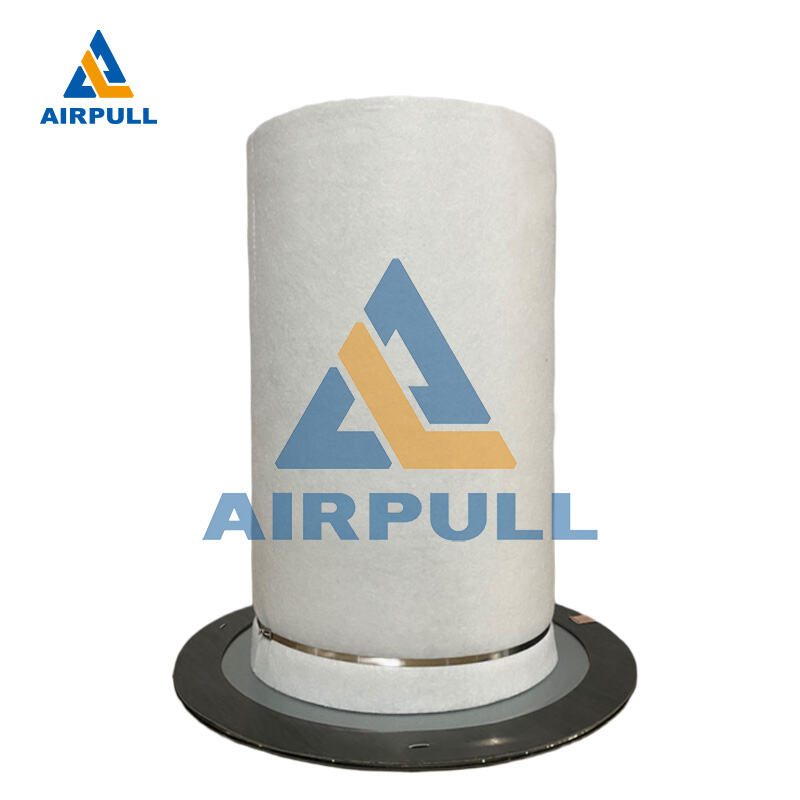
A compressor oil separator serves as a critical component in compressed air systems, designed to remove oil particles from the compressed air stream before it reaches end-use applications. This essential filtration device ensures that compressed air meets quality standards while protecting downstream equipment from oil contamination that could compromise performance or damage sensitive components.
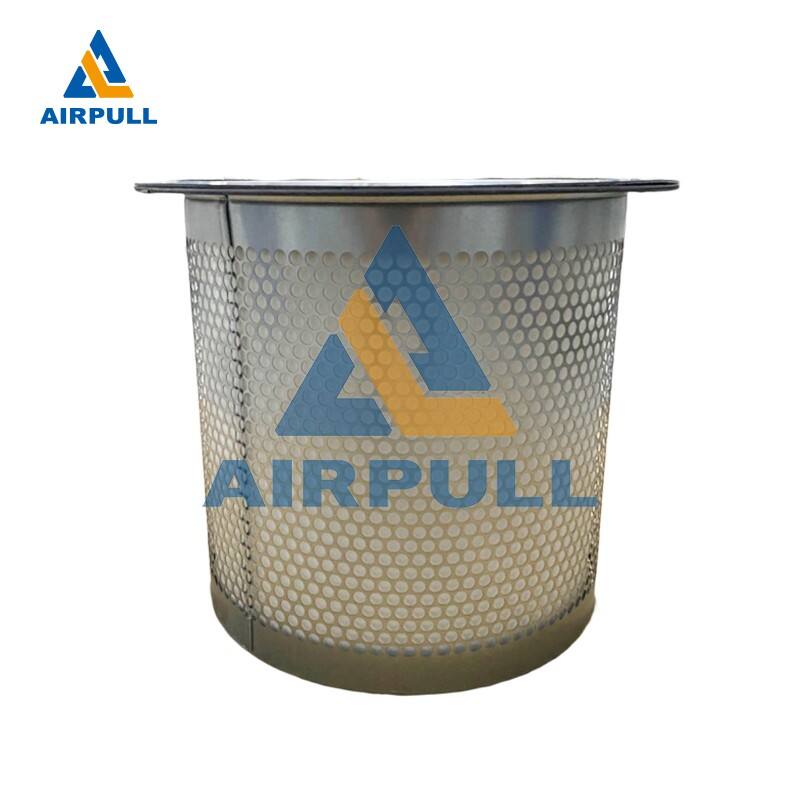
Understanding the various types of compressor oil separator systems and their specific applications helps facility managers, maintenance engineers, and procurement professionals make informed decisions about air quality management. The selection of an appropriate compressor oil separator directly impacts operational efficiency, equipment longevity, and compliance with air quality standards across diverse industrial applications.
Understanding Compressor Oil Separator Technology
Primary Function and Operating Principles
The fundamental purpose of a compressor oil separator involves capturing and removing oil droplets that become entrained in compressed air during the compression process. Oil-injected screw compressors rely on lubricating oil to seal clearances, cool compression chambers, and lubricate moving components, which inevitably introduces oil into the compressed air stream.
Modern compressor oil separator designs utilize multiple separation mechanisms including centrifugal force, coalescence, and mechanical filtration. The separator housing creates turbulent flow patterns that encourage oil droplets to collide and merge into larger particles, making them easier to capture and drain from the system.
Effective oil separation typically occurs in multiple stages, beginning with bulk separation that removes larger oil droplets, followed by fine filtration that captures submicron particles. This multi-stage approach ensures comprehensive oil removal while maintaining optimal airflow characteristics through the compressor oil separator assembly.
Critical Performance Parameters
The efficiency of a compressor oil separator depends on several key performance metrics that determine its suitability for specific applications. Separation efficiency typically ranges from 95% to 99.9%, with higher efficiency units required for applications demanding extremely clean compressed air such as food processing or pharmaceutical manufacturing.
Pressure drop across the compressor oil separator represents another crucial parameter, as excessive resistance can reduce compressor efficiency and increase energy consumption. Quality separator designs minimize pressure drop while maximizing oil capture, achieving optimal balance between filtration performance and system efficiency.
Service life and maintenance intervals also factor significantly into separator selection, with robust designs offering extended operation between replacements. Environmental conditions, operating temperatures, and oil characteristics all influence the longevity and performance of compressor oil separator elements.
Types of Compressor Oil Separators
Centrifugal Oil Separators
Centrifugal compressor oil separator designs utilize rotational forces to separate oil from compressed air through density differences between the two fluids. These systems create cyclonic flow patterns within the separator vessel, causing heavier oil droplets to migrate toward the outer walls where they can be collected and drained.
The effectiveness of centrifugal separation depends on maintaining optimal flow velocities and residence time within the separator chamber. Properly sized centrifugal compressor oil separator units can achieve excellent separation efficiency for larger oil droplets while requiring minimal maintenance compared to filter-based systems.
Industrial applications frequently employ centrifugal separators as primary separation devices, particularly in high-flow compressed air systems where bulk oil removal proves most economical. These robust designs handle varying flow rates effectively while providing reliable long-term operation with minimal consumable replacement requirements.
Coalescing Filter Separators
Coalescing compressor oil separator technology employs specially designed filter media that encourages small oil droplets to merge into larger particles through surface tension effects. The coalescing process occurs as compressed air passes through multiple layers of progressively finer filtration media, each stage capturing smaller particle sizes.
Advanced coalescing media incorporates graduated density structures that provide initial bulk separation followed by fine filtration stages. This approach maximizes the service life of expensive fine filtration elements while ensuring comprehensive oil removal throughout the compressor oil separator assembly.
Modern coalescing designs often feature replaceable cartridge elements that simplify maintenance procedures while providing consistent separation performance. The modular construction allows for customization based on specific air quality requirements and enables cost-effective maintenance scheduling.
Membrane-Based Separators
Membrane compressor oil separator technology represents an advanced approach to oil removal using selective permeability principles. These systems employ specialized membrane materials that allow compressed air to pass while blocking oil molecules, achieving exceptionally high separation efficiency.
The membrane separation process operates without mechanical filtration elements, reducing pressure drop and eliminating the need for frequent element replacements. However, membrane-based compressor oil separator systems require careful attention to operating conditions and may have limitations regarding temperature and chemical compatibility.
Applications requiring ultra-clean compressed air often benefit from membrane separation technology, particularly in electronics manufacturing, pharmaceutical production, and precision instrument applications where even trace oil contamination cannot be tolerated.
Industrial Applications and Selection Criteria
Manufacturing and Production Environments
Manufacturing facilities represent the largest application segment for compressor oil separator systems, spanning automotive production, metal fabrication, textiles, and general industrial processes. Each application presents unique requirements regarding air quality, flow rates, and contamination tolerance levels that influence separator selection.
Automotive manufacturing facilities typically require compressor oil separator systems capable of delivering instrument-quality air for pneumatic controls, spray painting applications, and precision assembly operations. The high-volume, continuous-duty nature of these applications demands robust separator designs with extended service intervals.
Metal fabrication and machining operations utilize compressed air for tool operation, part cleaning, and material handling, requiring effective oil separation to prevent contamination of finished surfaces. The compressor oil separator must handle varying load conditions while maintaining consistent separation performance throughout production cycles.
Food and Pharmaceutical Industries
Food processing and pharmaceutical manufacturing represent critical applications where compressor oil separator performance directly impacts product safety and regulatory compliance. These industries require compressed air systems that meet stringent purity standards to prevent contamination of consumable products.
Pharmaceutical applications often demand ultra-high-efficiency compressor oil separator systems capable of achieving oil-free air quality levels below 0.01 mg/m³. The separator design must incorporate materials and construction methods that meet FDA regulations and Good Manufacturing Practice requirements.
Food processing facilities require compressor oil separator systems that prevent oil contamination while withstanding frequent cleaning and sanitization procedures. The separator housing and internal components must resist corrosion from cleaning chemicals while maintaining separation efficiency over extended service periods.
Specialized Technical Applications
Electronics manufacturing, aerospace production, and precision instrument fabrication represent specialized applications requiring exceptional compressed air purity levels. These industries utilize compressor oil separator systems as part of comprehensive air treatment solutions that may include additional filtration and drying stages.
Semiconductor manufacturing facilities require compressor oil separator performance that exceeds standard industrial applications, often incorporating multiple separation stages and continuous monitoring systems. The separator must reliably remove oil contaminants that could interfere with photolithography processes or damage sensitive electronic components.
Research laboratories and calibration facilities frequently employ high-performance compressor oil separator systems to support precision instrumentation and analytical equipment. These applications demand consistent air quality with minimal variation in contamination levels over extended periods.
Selection and Performance Optimization
Sizing and Capacity Considerations
Proper sizing of a compressor oil separator requires careful analysis of compressed air flow rates, operating pressures, and peak demand conditions throughout the facility. Undersized separators experience excessive pressure drop and reduced separation efficiency, while oversized units may not operate optimally at low flow conditions.
The relationship between compressor capacity and separator sizing typically follows established guidelines based on standard cubic feet per minute (SCFM) ratings and operating pressure ranges. However, applications with highly variable demand patterns may require special consideration to ensure adequate separation performance under all operating conditions.
System designers must also account for future expansion plans and potential increases in compressed air demand when selecting compressor oil separator capacity. Installing separators with appropriate reserve capacity prevents performance degradation as facility requirements grow over time.
Installation and Integration Factors
Successful compressor oil separator installation requires attention to system integration, piping design, and accessibility for maintenance operations. The separator location should minimize pressure drop while providing adequate space for element replacement and routine inspection procedures.
Proper piping design ensures optimal flow distribution through the compressor oil separator while facilitating effective oil drainage and condensate removal. Installation practices must account for thermal expansion, vibration isolation, and accessibility requirements that support reliable long-term operation.
Integration with existing compressed air treatment systems may require coordination between multiple filtration stages, pressure regulation equipment, and monitoring instrumentation. The compressor oil separator must function effectively within the overall air treatment strategy while supporting system control and automation requirements.
FAQ
How often should compressor oil separator elements be replaced?
Replacement intervals for compressor oil separator elements typically range from 2,000 to 8,000 operating hours, depending on operating conditions, air quality requirements, and separator design. Factors such as ambient dust levels, compressor oil quality, and system loading patterns significantly influence element service life. Regular monitoring of pressure differential across the separator provides the most reliable indication of when replacement becomes necessary, as excessive pressure drop indicates element loading that reduces separation efficiency.
What causes premature failure of compressor oil separator systems?
Common causes of premature compressor oil separator failure include contaminated compressor oil, excessive operating temperatures, inadequate drainage of separated oil, and particle contamination from upstream system components. Poor maintenance practices such as delayed element replacement or inadequate system cleaning can also reduce separator performance and service life. Operating the separator beyond its designed flow capacity or pressure ratings frequently leads to reduced efficiency and accelerated wear of separation elements.
Can compressor oil separators achieve oil-free compressed air quality?
High-efficiency compressor oil separator systems can achieve extremely low oil carryover levels, typically reducing oil content to 0.01-0.1 mg/m³ or lower in properly designed applications. However, achieving truly oil-free air quality often requires multiple separation stages combined with additional treatment technologies such as activated carbon adsorption or catalytic conversion. The specific air quality requirements and application sensitivity determine whether standard separator performance meets the definition of oil-free air for particular uses.
How does ambient temperature affect compressor oil separator performance?
Temperature variations significantly impact compressor oil separator efficiency through changes in oil viscosity, air density, and separation mechanism effectiveness. Higher temperatures typically reduce oil viscosity, making smaller droplets more difficult to separate, while lower temperatures may cause oil to thicken and affect drainage characteristics. Most industrial separators operate effectively within temperature ranges of 35-150°F, but extreme conditions may require specially designed separator elements or additional temperature control measures to maintain optimal performance.