EN
EN


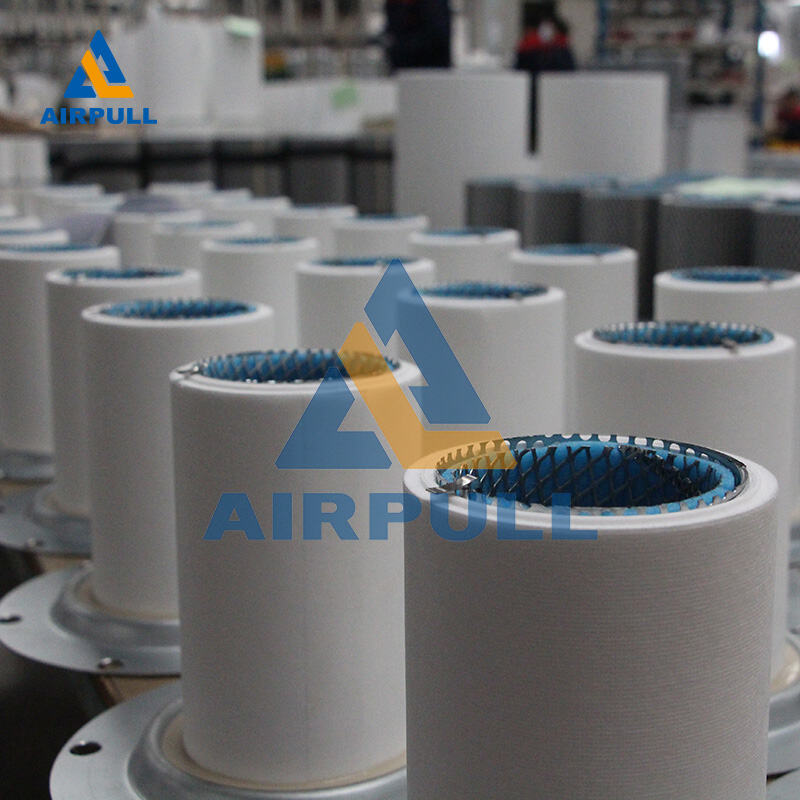
In industrial filtration systems, the terms filter element and cartridge are frequently used interchangeably, yet they represent distinct components with different structural characteristics, installation methods, and operational roles. Understanding these differences is essential for procurement managers, maintenance engineers, and facility operators who must select the right filtration solution for compressed air systems, hydraulic equipment, or process filtration applications. The confusion between these two terms often leads to specification errors, compatibility issues, and suboptimal system performance, making clear differentiation critical for operational efficiency.
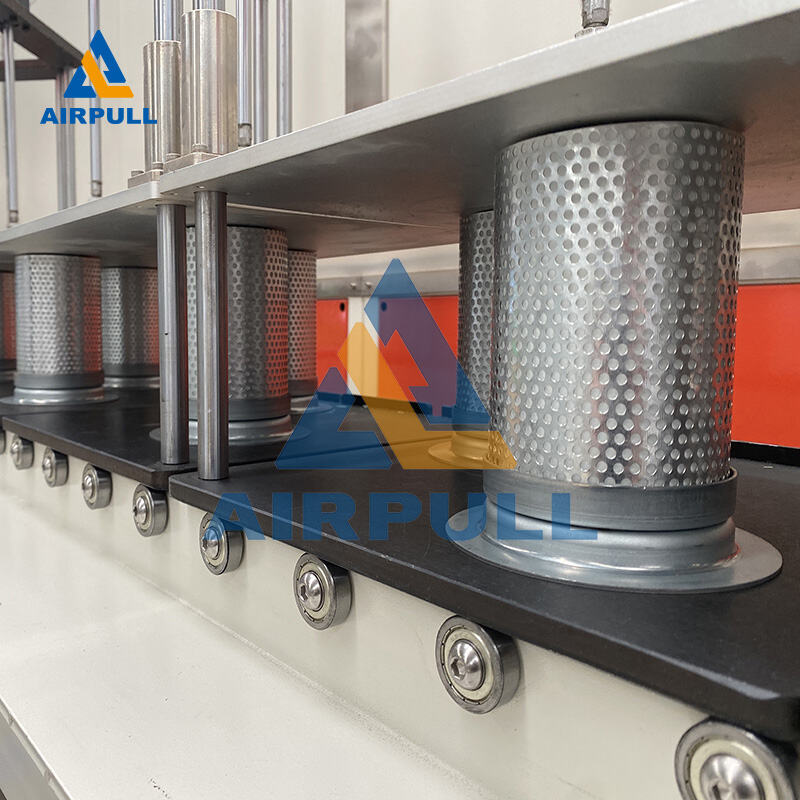
The distinction between a filter element and a cartridge extends beyond mere nomenclature and affects practical considerations including replacement procedures, cost structures, housing compatibility, and maintenance schedules. While both serve the fundamental purpose of removing contaminants from fluid streams, their design philosophies reflect different engineering priorities and application contexts. This article examines the key structural, functional, and operational differences that separate filter elements from cartridges, providing technical clarity for professionals responsible for specifying and maintaining industrial filtration systems across manufacturing, automotive, petrochemical, and compressed air industries.
Structural Design and Construction Characteristics
Core Architectural Differences Between Filter Elements and Cartridges
The primary structural distinction lies in the completeness of the filtration assembly. A filter element typically consists of the filtration media itself, often with minimal supporting structure such as inner and outer support cores, endcaps, and gaskets. The filter element functions as a replaceable insert designed to fit within a permanent housing or vessel that provides structural integrity, pressure containment, and connection points to the system. This modular approach allows the element to be economically replaced while retaining the more expensive housing components for continued service.
In contrast, a cartridge represents a more self-contained unit that integrates the filtration media with substantial structural components including threaded connections, mounting hardware, or complete housing assemblies. Cartridges often incorporate their own pressure vessels or robust external shells that eliminate the need for separate permanent housings in some applications. This integrated construction makes cartridges inherently more rigid and structurally independent, capable of withstanding system pressures without relying entirely on external support structures for mechanical integrity.
The material composition also differs significantly between these configurations. Filter elements frequently employ pleated paper, synthetic fibers, or woven mesh media supported by perforated metal cores and sealed with adhesive or mechanical crimping. The emphasis remains on maximizing filtration surface area while minimizing material costs since the entire assembly requires periodic replacement. Cartridge designs incorporate heavier gauge materials, reinforced endcaps, and more substantial sealing systems because they must maintain structural stability during installation, operation, and potential impacts during handling.
Media Configuration and Surface Area Optimization
Filter element designs prioritize maximum media surface area within compact dimensions to extend service life and minimize pressure drop. Manufacturers achieve this through tightly pleated configurations, spiral-wound constructions, or radial-flow patterns that pack extensive filtration capacity into cylindrical or conical geometries. The filter element media typically features optimized pleat heights, precise spacing, and support structures that prevent media collapse under differential pressure while maintaining consistent flow distribution across the entire surface.
Cartridge configurations may sacrifice some surface area efficiency in favor of structural robustness and ease of installation. The integrated design requires thicker walls, reinforced flanges, and connection features that consume space within the overall envelope. However, advanced cartridge designs compensate through proprietary media formulations, gradient density structures, or multi-layer constructions that enhance dirt-holding capacity and filtration efficiency despite reduced absolute surface area compared to equivalent-sized filter elements.
The manufacturing processes differ accordingly, with filter element production emphasizing high-volume, cost-efficient fabrication of replaceable components, while cartridge manufacturing incorporates precision machining, thread cutting, and assembly operations that produce durable, reusable structural features. These production differences directly influence unit costs, with filter elements typically offering lower per-unit pricing but requiring compatible housings, whereas cartridges command higher individual costs but may reduce total system investment by eliminating separate housing requirements.
Installation Methods and System Integration
Mounting and Replacement Procedures
Installation procedures reveal fundamental operational differences between filter elements and cartridges. Filter element replacement typically requires opening a housing vessel, removing the spent element from internal mounting points such as center rods or bayonet fittings, inspecting sealing surfaces, and inserting the new element with proper orientation and seating. This process demands attention to gasket positioning, torque specifications on housing closures, and verification that the element seats correctly against internal stops or sealing surfaces to prevent bypass.
Cartridge installation often follows simpler protocols because the structural components remain integrated with the filtration media. Spin-on cartridges thread directly onto permanently mounted bases, while bowl-type cartridges may simply drop into position and secure with threaded caps or quick-release mechanisms. The self-contained nature reduces installation errors related to improper seating or gasket misalignment, though technicians must still observe proper torque values and verify seal integrity after installation to prevent leakage.
Maintenance accessibility differs substantially between these configurations. Systems utilizing filter elements require adequate clearance above or beside the housing to withdraw the element completely, which may necessitate several feet of access space in large industrial installations. Cartridge systems with threaded connections typically demand less clearance since the cartridge can be unscrewed and removed in a more compact motion, potentially offering advantages in space-constrained equipment rooms or mobile applications where accessibility limitations exist.
Housing Compatibility and System Architecture
Filter element specifications must match precisely with housing designs in terms of dimensional fit, sealing interface geometry, and flow orientation. A filter element designed for a specific housing series cannot typically interchange with other housing families even if nominal dimensions appear similar, because variations in endcap profiles, gasket grooves, or internal mounting features prevent proper installation or sealing. This specificity requires careful documentation of housing model numbers and element cross-references to ensure procurement accuracy.
Cartridge systems exhibit varying degrees of standardization depending on design philosophy. Spin-on cartridges for lubricating oil and fuel filtration follow industry-standard thread sizes and sealing configurations that permit cross-manufacturer compatibility in many cases. Industrial process cartridges may employ proprietary connection systems that lock users into specific supplier relationships, though this approach often reflects specialized performance requirements rather than deliberate market restriction. The integrated nature means cartridge replacement involves fewer discrete components and reduced complexity in inventory management.
System architecture considerations extend to differential pressure monitoring, drain provisions, and flow direction requirements. Filter element installations typically incorporate pressure taps on the housing for differential pressure gauges or electronic sensors that signal replacement timing. Cartridge systems may integrate these features into the cartridge body itself or rely on housing-mounted instrumentation depending on design sophistication. Understanding these integration aspects ensures proper system functionality beyond simple filtration performance.
Performance Characteristics and Operational Factors
Filtration Efficiency and Contaminant Capacity
The filtration performance of elements versus cartridges depends more on media selection and manufacturing quality than on the basic structural format, yet design differences influence practical outcomes. Filter element configurations maximize media surface area exposure, which directly correlates with dirt-holding capacity and service life in applications with consistent contamination levels. The optimized geometry of filter elements allows precise control over flow patterns and residence time, contributing to high removal efficiency for target particle sizes.
Cartridge designs may incorporate additional filtration stages or protective pre-filters within the integrated structure, creating multi-barrier protection against diverse contaminant types. Some cartridge configurations feature coalescing sections for liquid aerosol removal followed by particulate filtration stages, delivering comprehensive treatment within a single replaceable unit. This integration simplifies system design but may complicate performance verification since individual stage efficiencies cannot be monitored independently without specialized instrumentation.
Pressure drop characteristics differ based on flow path complexity and internal geometry. Filter element designs emphasizing radial flow through pleated media typically exhibit low initial pressure drops that increase predictably as contamination accumulates. Cartridge systems with more complex internal routing or additional treatment stages may present higher baseline pressure drops but demonstrate stable performance across wider contamination loading ranges. Understanding these pressure drop profiles enables accurate prediction of replacement intervals and energy consumption associated with overcoming filtration resistance.
Temperature and Chemical Compatibility Considerations
Material selection in filter element construction emphasizes cost-effectiveness for disposable components, often employing cellulose-based media, standard elastomer seals, and galvanized or painted steel support structures suitable for general industrial environments. These material choices limit filter element applications in extreme temperature conditions, aggressive chemical exposures, or high-humidity environments where corrosion or media degradation could compromise performance before reaching designed particle loading capacity.
Cartridge designs intended for demanding applications frequently incorporate synthetic media such as polyester, polypropylene, or glass fiber that withstand elevated temperatures and resist chemical attack. The integrated structural components utilize stainless steel, aluminum, or engineering plastics selected for corrosion resistance and dimensional stability across operating temperature ranges. Sealing systems in cartridges may feature fluorocarbon elastomers or metal gaskets appropriate for harsh service conditions, expanding application versatility beyond typical filter element capabilities.
Operating pressure ratings also distinguish these configurations, with filter element performance dependent on housing pressure ratings since the element itself provides minimal structural resistance. Cartridge assemblies with integrated pressure vessels carry their own pressure ratings that may exceed or fall short of equivalent element-and-housing combinations depending on design optimization. Specifiers must verify that selected components meet system pressure requirements with adequate safety margins for pressure transients and worst-case loading conditions.
Economic Considerations and Total Cost of Ownership
Initial Investment and Replacement Cost Structures
The economic comparison between filter element and cartridge approaches requires comprehensive analysis beyond simple component pricing. Filter element systems demand higher initial capital investment because they include both the housing assembly and the first element set. Housing costs vary substantially based on materials of construction, pressure ratings, connection sizes, and features such as differential pressure indicators or drain valves. However, this upfront investment distributes across the housing service life, which may span decades with proper maintenance, while only the relatively inexpensive filter elements require periodic replacement.
Cartridge-based systems present different economic profiles depending on design philosophy. Self-contained cartridges with integrated housings minimize initial system costs but increase ongoing replacement expenses since each service interval requires disposing of both filtration media and structural components. This approach suits applications with infrequent service needs or where simplicity outweighs operating cost considerations. Alternatively, cartridge systems utilizing permanent housings with replaceable cartridge inserts mirror the economics of filter element configurations while offering the installation advantages of cartridge formats.
Calculating total cost of ownership demands projecting replacement frequencies based on contamination levels, flow rates, and acceptable pressure drop limits. Applications generating heavy particulate loads favor filter element systems where inexpensive elements minimize ongoing costs despite frequent replacements. Cleaner environments with extended service intervals may find cartridge approaches competitive, particularly when labor costs for maintenance dominate total ownership expenses. Detailed cost modeling should account for element pricing, replacement labor, disposal fees, downtime impacts, and inventory carrying costs to determine the most economical configuration for specific operational contexts.
Inventory Management and Supply Chain Factors
Filter element systems with standardized housing platforms allow facilities to consolidate inventory around common element specifications, reducing stock keeping unit counts and inventory investment. Large industrial sites operating multiple filtration points often standardize on housing series that accept identical filter elements across diverse applications, simplifying procurement, reducing spare parts investment, and enabling bulk purchasing discounts. This standardization strategy yields significant inventory efficiency but requires discipline in equipment specification and procurement processes to maintain commonality.
Cartridge approaches may fragment inventory requirements when various systems employ proprietary designs or application-specific configurations. However, the integrated nature means fewer discrete components per filtration point, potentially offsetting proliferation concerns. Facilities should evaluate whether cartridge-based strategies align with their maintenance philosophies and inventory management capabilities, particularly in remote locations where supply chain responsiveness affects operational reliability. Just-in-time delivery arrangements and vendor-managed inventory programs can mitigate stocking concerns regardless of technical format selection.
Obsolescence risk warrants consideration in long-term economic analysis. Filter element designs tied to specific housing platforms face limited risk since housings rarely change once installed, and aftermarket suppliers typically maintain compatibility for decades. Cartridge designs with proprietary features may encounter availability challenges if manufacturers discontinue product lines or exit markets, potentially forcing costly system retrofits. Evaluating supplier stability, market penetration, and availability of cross-reference alternatives helps mitigate obsolescence risks when committing to particular filtration technologies.
Application Suitability and Selection Criteria
Industry-Specific Requirements and Use Cases
Compressed air systems represent a primary application domain where filter element and cartridge distinctions significantly impact operational outcomes. Breathing air applications demand absolute reliability and traceable performance validation, typically favoring filter element configurations within certified housing assemblies that permit media inspection without compromising system integrity. Industrial compressed air systems serving pneumatic tools and control systems often employ cartridge formats for point-of-use filtration where compact installation and simple maintenance outweigh surface area optimization considerations.
Hydraulic systems in mobile equipment commonly utilize spin-on cartridges that withstand vibration, shock loading, and environmental exposure while enabling roadside maintenance without specialized tools or clean environments. Stationary industrial hydraulic systems may prefer filter element configurations offering greater dirt-holding capacity and lower operating costs despite requiring controlled maintenance conditions. The selection reflects broader system design philosophies regarding accessibility, maintenance intervals, and performance priorities specific to mobile versus stationary applications.
Process industries including chemical manufacturing, pharmaceutical production, and food processing impose stringent requirements for contamination control, material compatibility, and validation documentation. These sectors typically specify filter element systems within sanitary housings that permit complete drainage, cleaning validation, and media integrity testing. The separated housing and element format facilitates compliance with regulatory requirements and quality management systems that demand documented verification of filtration performance at defined intervals.
Decision Framework for Technology Selection
Selecting between filter element and cartridge approaches requires systematic evaluation of technical requirements, operational constraints, and economic factors specific to each application. Critical decision parameters include contamination characteristics such as particle size distribution and concentration levels, which determine required filtration efficiency and dirt-holding capacity. Flow rate requirements and acceptable pressure drops establish minimum media surface area needs that may favor element configurations in high-volume applications.
Installation environment factors including available space, accessibility for maintenance, and ambient conditions influence practical suitability. Confined spaces or locations with limited clearance may necessitate cartridge formats permitting compact installation and simplified service procedures. Harsh environments with temperature extremes, corrosive atmospheres, or moisture exposure require material selections that may favor robust cartridge constructions over standard filter element components designed for controlled industrial settings.
Organizational capabilities including maintenance skill levels, inventory management systems, and procurement processes should align with technology selection. Facilities with sophisticated maintenance programs and centralized spare parts management can leverage filter element standardization for operational efficiency. Organizations with distributed maintenance responsibilities or limited technical resources may prefer cartridge simplicity that reduces service complexity and minimizes error potential. The optimal selection emerges from comprehensive evaluation of these intersecting factors rather than generic preferences for one format over another.
FAQ
Can filter elements and cartridges be used interchangeably in the same housing?
Filter elements and cartridges are generally not interchangeable because they employ different mounting mechanisms, sealing interfaces, and structural designs. A housing engineered for filter elements incorporates specific internal geometry, sealing surfaces, and retention features that match corresponding element designs. Attempting to install a cartridge in an element-designed housing, or vice versa, typically results in improper sealing, inadequate retention, or inability to install the component at all. Some manufacturers offer adapter kits that enable cartridge installation in housings originally designed for elements, but these conversions require careful verification of compatibility, pressure ratings, and sealing integrity. Always consult manufacturer specifications and installation instructions before attempting any component substitution to ensure safe and effective filtration system operation.
How do replacement intervals differ between filter elements and cartridges?
Replacement intervals depend primarily on contamination loading, flow rates, and acceptable pressure drop rather than whether the component is classified as a filter element or cartridge. However, design differences can influence practical service life. Filter elements with optimized surface area may achieve longer intervals in heavily contaminated applications due to greater dirt-holding capacity. Cartridges with integrated multi-stage designs might extend service life by capturing different contaminant types in sequential barriers. Actual replacement timing should be determined through differential pressure monitoring, with replacement triggered when pressure drop exceeds manufacturer-specified limits or at maximum time intervals established through reliability analysis. Regular monitoring and documentation of pressure drop trends enables predictive maintenance scheduling that optimizes both component utilization and system performance regardless of technical format.
Which format offers better filtration efficiency for critical applications?
Filtration efficiency depends on media selection, manufacturing quality, and system design rather than the fundamental distinction between filter element and cartridge formats. Both configurations can achieve identical efficiency ratings when employing comparable media materials and construction quality. Critical applications should specify performance requirements in terms of particle removal efficiency at defined particle sizes, typically expressed as beta ratios or efficiency percentages per ISO standards. The choice between element and cartridge formats should be based on factors such as validation requirements, housing integrity, and maintenance protocols rather than assumed efficiency differences. High-efficiency filtration is achievable with either format when properly specified, installed, and maintained according to manufacturer guidelines and application requirements.
What are the environmental and disposal considerations for each type?
Environmental impact and disposal requirements differ based on component materials and integrated versus separated designs. Filter elements typically generate less waste volume per replacement since only the media and minimal supporting structure require disposal, with the permanent housing remaining in service. Cartridges with integrated housings create greater waste volumes but may incorporate recyclable materials such as aluminum or steel that can be recovered through metal recycling streams. Both formats may contain mixed materials including synthetic media, elastomer seals, and metal components that complicate recycling efforts. Disposal must comply with regulations governing industrial waste, with consideration for any process contamination captured by the filtration system that might classify spent filters as hazardous waste. Some manufacturers offer take-back programs or recycling services that reduce environmental impact, and specifiers should consider disposal logistics and environmental footprint as part of total cost of ownership analysis when selecting filtration technologies.
Table of Contents
- Structural Design and Construction Characteristics
- Installation Methods and System Integration
- Performance Characteristics and Operational Factors
- Economic Considerations and Total Cost of Ownership
- Application Suitability and Selection Criteria
-
FAQ
- Can filter elements and cartridges be used interchangeably in the same housing?
- How do replacement intervals differ between filter elements and cartridges?
- Which format offers better filtration efficiency for critical applications?
- What are the environmental and disposal considerations for each type?