EN
EN



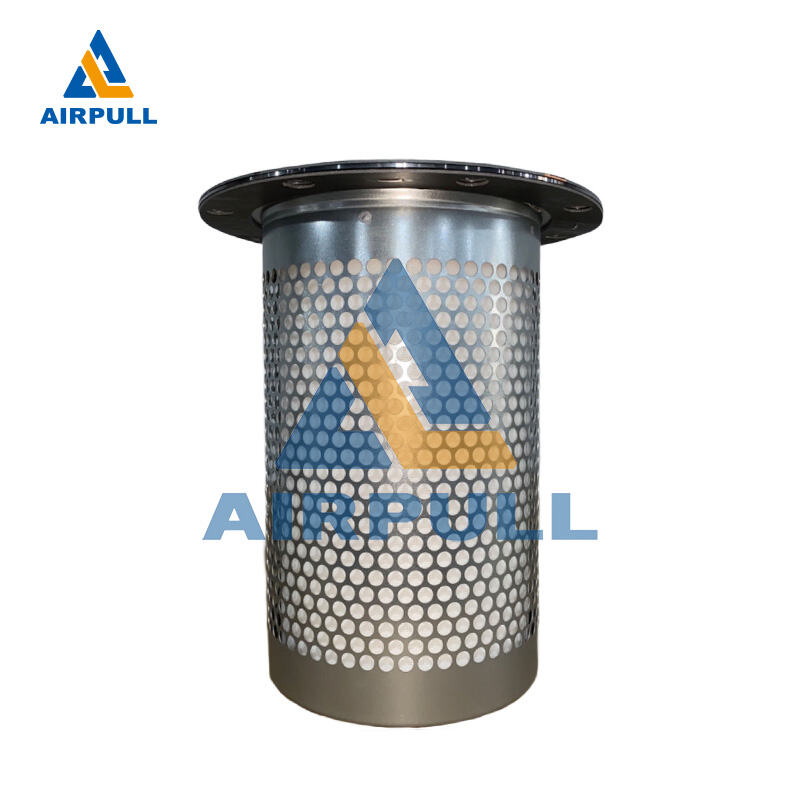
Understanding the differences between budget and premium compressor oil separators is crucial for industrial operations seeking to balance cost efficiency with long-term equipment performance. As compressed air systems form the backbone of countless manufacturing processes, the quality of your compressor oil separator directly impacts operational reliability, maintenance costs, and overall system efficiency. While budget options may appear attractive from an initial investment standpoint, premium separators often deliver superior filtration performance, extended service intervals, and enhanced protection for downstream equipment. This comprehensive analysis examines the technical specifications, performance characteristics, material quality, and total cost of ownership considerations that distinguish these two categories of oil separation solutions.
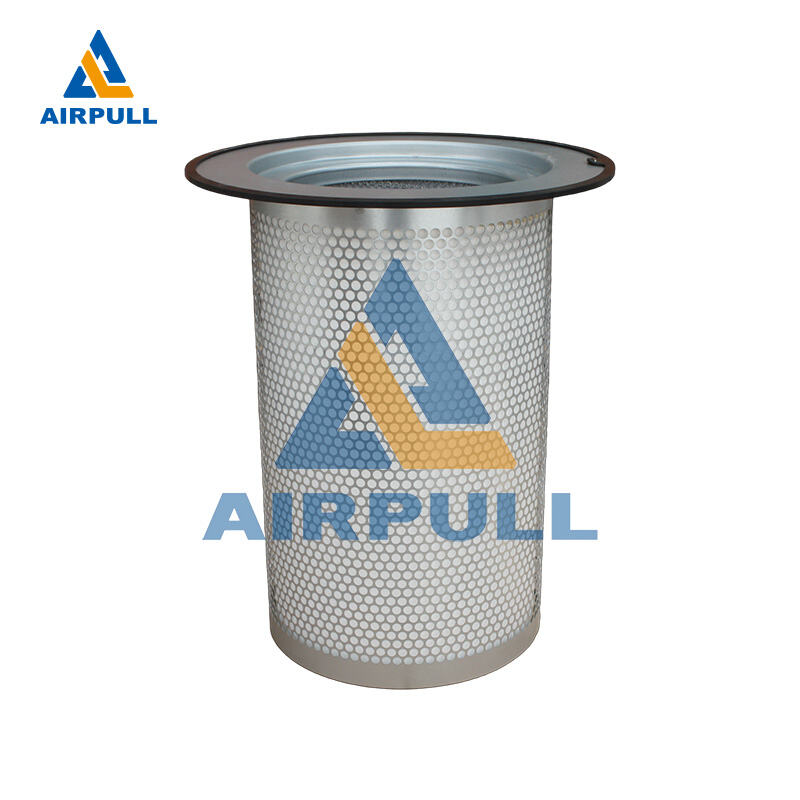
The decision between budget and premium compressor oil separators extends beyond simple price comparison, requiring careful evaluation of application demands, operating conditions, and strategic maintenance goals. Premium separators typically incorporate advanced filtration media, precision-engineered construction, and rigorous quality control processes that justify their higher price point through measurable performance advantages. Conversely, budget alternatives serve specific operational contexts where initial capital constraints, lower duty cycles, or temporary installations make premium features unnecessary. This article provides industrial decision-makers with the technical framework needed to evaluate both categories objectively, ensuring procurement choices align with equipment specifications, production requirements, and financial planning strategies.
Material Construction and Engineering Quality
Filtration Media Composition and Performance
The filtration media represents the core functional component of any compressor oil separator, and premium units typically employ multi-layer synthetic fiberglass or micro-glass fiber constructions that deliver superior separation efficiency. These advanced materials feature precisely controlled fiber diameters and densities that create optimized pore structures capable of capturing oil aerosols as small as 0.01 microns. Premium filtration media maintains consistent performance across extended service intervals while resisting compression and degradation under varying temperature and pressure conditions. The engineered fiber arrangement ensures maximum surface area utilization, allowing premium separators to achieve oil carryover rates below 3 parts per million in properly maintained systems.
Budget compressor oil separators frequently utilize conventional cellulose-based or standard fiberglass media that provides adequate separation for less demanding applications but demonstrates limitations in efficiency and durability. These materials typically feature larger fiber diameters and less controlled pore structures, resulting in oil carryover rates ranging from 5 to 15 parts per million under optimal conditions. The filtration media in budget separators may experience more rapid saturation and performance degradation, particularly in systems with contaminated intake air, elevated operating temperatures, or extended runtime patterns. While sufficient for applications with relaxed air quality requirements, these materials cannot match the consistency and longevity that characterize premium filtration solutions.
Structural Components and Assembly Methods
Premium compressor oil separator designs incorporate precision-molded end caps, reinforced center tubes, and specialized sealing systems that ensure structural integrity throughout demanding operating cycles. The end caps in premium units typically feature metal reinforcement or high-grade thermoplastic materials that resist warping and maintain dimensional stability across temperature fluctuations ranging from -20°C to 120°C. These structural components undergo rigorous dimensional tolerance verification to guarantee proper seating within separator housings and prevent bypass conditions that compromise separation efficiency. The center tubes in premium separators utilize perforated metal or high-strength composite materials designed to withstand differential pressures exceeding 2.5 bar without deformation or collapse.
Budget separator construction often relies on simplified end cap designs, lighter-gauge center tubes, and basic seal configurations that meet minimum functional requirements while reducing manufacturing costs. These components may exhibit greater dimensional variation and reduced tolerance for operating condition extremes, potentially leading to premature seal degradation or structural failure in demanding applications. The center tubes in budget units sometimes feature thinner wall sections or wider perforation patterns that provide less support for the filtration media during high-flow conditions. While adequate for standard operating environments and well-maintained systems, these structural compromises can become failure points in applications involving thermal cycling, pressure fluctuations, or contaminated lubricant conditions.
Quality Control and Manufacturing Standards
Premium compressor oil separator manufacturers implement comprehensive quality management systems including ISO 9001 certification, statistical process control, and individual unit testing protocols that verify performance specifications before shipment. These quality assurance measures encompass raw material verification, in-process dimensional inspection, filtration efficiency testing, and structural integrity validation through burst pressure and collapse testing. Premium manufacturers maintain detailed traceability systems that document production parameters for each batch, enabling rapid identification and resolution of any quality deviations. The investment in quality infrastructure ensures consistent performance across production runs and minimizes the risk of premature failures that could disrupt industrial operations.
Budget separator production typically follows less rigorous quality control protocols, often relying on periodic batch sampling rather than individual unit verification. While reputable budget manufacturers maintain basic quality standards sufficient for their target market segment, the reduced investment in testing infrastructure and process control may result in greater performance variation between individual units. Some budget suppliers operate without formal quality certifications or may outsource production to facilities with inconsistent manufacturing practices. Industrial purchasers selecting budget separators should verify that suppliers maintain at least basic quality documentation and can provide material certifications and performance data sheets that confirm compliance with fundamental separator specifications.
Performance Characteristics and Operational Efficiency
Oil Separation Efficiency and Air Quality Output
The separation efficiency of premium compressor oil separators typically achieves residual oil content below 3 parts per million in compressed air streams, meeting stringent air quality requirements for sensitive industrial applications including food processing, pharmaceutical manufacturing, and precision electronics assembly. This superior performance results from optimized media formulations, precise flow path engineering, and advanced coalescing mechanisms that capture both liquid droplets and fine oil aerosols across the entire operational pressure range. Premium separators maintain consistent efficiency throughout their service life, with performance degradation remaining minimal until approaching recommended replacement intervals. The ability to deliver reliably clean compressed air protects downstream equipment, reduces product contamination risks, and ensures compliance with industry-specific air quality standards.
Budget compressor oil separator units generally achieve separation efficiencies in the 5 to 15 parts per million range, which proves adequate for applications with less stringent air quality demands such as general manufacturing, construction equipment, and industrial tool operation. While these efficiency levels exceed basic functionality thresholds, they may prove insufficient for processes requiring Class 1 or Class 0 compressed air quality according to ISO 8573-1 standards. Budget separators may also exhibit more pronounced performance degradation as service intervals extend, with efficiency potentially declining by 20 to 30 percent during the latter portion of operational life. Industrial operators utilizing budget separators should implement more frequent monitoring of compressed air quality and consider shortened replacement intervals when serving critical applications.
Pressure Drop Characteristics and Energy Consumption
Premium compressor oil separators feature engineered flow dynamics that minimize initial pressure drop while maintaining low differential pressure increases throughout extended service periods. High-quality separators typically exhibit initial pressure drops between 0.2 and 0.4 bar when new, with gradual increases to replacement thresholds of 1.0 to 1.2 bar over service lives extending 4,000 to 8,000 operating hours. This controlled pressure drop progression results from optimized media density gradients, efficient flow distribution mechanisms, and large effective filtration areas that prevent rapid loading and restriction. The energy implications prove substantial, as each 0.1 bar reduction in system pressure drop can decrease compressor energy consumption by approximately 1 percent, translating to significant operational cost savings across the separator service life.
Budget separators often demonstrate higher initial pressure drops ranging from 0.4 to 0.7 bar and may reach replacement thresholds more rapidly due to less optimized media structures and reduced filtration surface area. The accelerated pressure drop accumulation results from faster media saturation, reduced dirt-holding capacity, and less efficient particle distribution across available media volume. In systems operating continuously or at high duty cycles, the elevated pressure drop associated with budget separators can increase annual energy costs by several hundred to several thousand dollars depending on compressor size and local electricity rates. Industrial facilities prioritizing energy efficiency or operating under sustainability mandates should carefully evaluate the long-term energy penalty associated with budget separator options against their lower initial acquisition costs.
Temperature Resistance and Thermal Stability
Premium compressor oil separator designs incorporate materials and adhesives specifically formulated to maintain structural integrity and filtration performance across operating temperatures from -20°C to 120°C continuously, with short-term excursion capability to 150°C. The thermal stability ensures consistent separator function regardless of ambient conditions, compressor loading patterns, or cooling system variations. Premium separators resist media degradation, seal hardening, and adhesive failure that can occur when conventional materials experience repeated thermal cycling. This thermal resilience proves particularly valuable in applications involving outdoor installations, tropical environments, or process-integrated compressors experiencing variable heat loads from connected equipment.
Budget compressor oil separators typically specify more limited temperature ranges, often rated for continuous operation between 0°C and 100°C with reduced margins for thermal excursions. The materials employed in budget construction may exhibit accelerated aging when subjected to elevated temperatures, leading to premature seal degradation, media brittleness, or adhesive bond failures. In applications where compressor discharge temperatures regularly exceed 90°C due to ambient conditions or inadequate cooling, budget separators may require replacement at intervals 30 to 50 percent shorter than premium alternatives. Operators in thermally challenging environments should carefully review temperature specifications and consider the potential for increased failure rates when evaluating budget separator options.
Service Life and Maintenance Considerations
Operational Longevity and Replacement Intervals
Premium compressor oil separators typically deliver service lives ranging from 4,000 to 8,000 operating hours under normal industrial conditions, with some advanced designs achieving up to 12,000 hours in optimized applications featuring clean intake air and properly maintained lubrication systems. The extended service intervals result from superior media durability, higher dirt-holding capacity, and enhanced resistance to oil degradation products that accelerate separator fouling. Premium separators maintain functional performance specifications throughout their operational life, allowing facilities to implement predictable replacement schedules based on runtime hours rather than reactive maintenance triggered by performance deterioration. The consistent longevity reduces maintenance planning complexity, minimizes unexpected downtime risks, and allows more efficient parts inventory management.
Budget separator service lives generally range from 2,000 to 4,000 operating hours, with actual longevity heavily dependent on operating conditions and maintenance quality. The shorter service intervals stem from reduced dirt-holding capacity, faster media saturation rates, and greater susceptibility to performance degradation from contaminated oil or elevated temperatures. Budget separators may require replacement at unpredictable intervals when operating in challenging environments, complicating maintenance scheduling and potentially requiring increased spare parts inventory to prevent extended downtime periods. Industrial facilities with continuous operations or remote installations should carefully evaluate whether the more frequent replacement requirements associated with budget separators align with their maintenance capabilities and downtime tolerance.
Maintenance Requirements and System Protection
Premium compressor oil separator designs often incorporate features that simplify maintenance procedures and provide enhanced protection for associated compressor components. These features may include integrated pressure drop indicators, quality verification markings, and anti-drain back valves that prevent oil migration during shutdown periods. Premium separators demonstrate greater tolerance for minor maintenance lapses such as slightly extended oil change intervals or periodic intake filter neglect, maintaining adequate performance despite less-than-optimal conditions. The robust construction and superior materials provide additional protection for downstream equipment by ensuring consistent oil removal even as the separator approaches end of service life, reducing the risk of oil contamination damage to air dryers, filters, and pneumatic tools.
Budget compressor oil separators require more rigorous adherence to maintenance protocols to achieve their specified service lives and maintain acceptable performance levels. These units exhibit reduced tolerance for contaminated lubricants, extended service intervals, or intake air quality issues that accelerate separator loading and performance degradation. Budget separators may demonstrate more rapid performance deterioration as replacement intervals approach, potentially allowing elevated oil carryover that threatens downstream equipment and process air quality. Industrial operators selecting budget separators should implement comprehensive preventive maintenance programs including regular oil analysis, pressure drop monitoring, and compressed air quality testing to identify developing issues before they escalate into equipment failures or production disruptions.
Compatibility and Installation Considerations
Premium compressor oil separator manufacturers typically provide extensive cross-reference documentation and dimensional specifications that ensure proper fitment across multiple compressor brands and models. Premium separators often maintain exact OEM dimensional tolerances and seal configurations that guarantee leak-free installation and optimal performance without modification to existing separator housings or mounting hardware. The precise manufacturing controls ensure that premium replacement separators function identically to original equipment components, eliminating concerns about performance variations or compatibility issues. Many premium manufacturers also offer technical support services that assist with proper separator selection, installation guidance, and troubleshooting assistance when questions arise regarding application suitability or installation procedures.
Budget separator suppliers may offer broader cross-reference claims with less rigorous dimensional verification, potentially resulting in fitment issues or performance compromises in some applications. While many budget separators provide satisfactory compatibility with common compressor models, dimensional variations or seal design differences can occasionally cause installation difficulties or minor air leakage that reduces separation efficiency. Industrial purchasers selecting budget separators should verify dimensional specifications against OEM requirements and consider ordering sample units for test installation before committing to large inventory purchases. The reduced availability of technical support from some budget suppliers may require maintenance personnel to rely more heavily on internal expertise and OEM documentation when addressing installation questions or performance issues.
Total Cost Analysis and Value Assessment
Initial Investment and Procurement Costs
The acquisition cost differential between budget and premium compressor oil separators typically ranges from 40 to 70 percent, with premium units commanding prices that reflect their advanced materials, rigorous quality control, and enhanced performance specifications. For a standard industrial compressor in the 75 to 150 horsepower range, premium separators may cost between $150 and $400, while budget alternatives range from $60 to $150 depending on specific model requirements and purchasing volume. The substantial initial cost difference attracts budget-conscious purchasers, particularly when managing multiple compressor installations or facing capital expenditure constraints. However, focusing exclusively on acquisition cost without evaluating operational expenses and service life creates incomplete financial analysis that may obscure the true cost implications of separator selection decisions.
Industrial facilities should evaluate separator procurement costs within the context of annual maintenance budgets, replacement frequency, and total compressor operating expenses. For facilities operating a single compressor with limited runtime or temporary installations with defined project durations, the lower initial investment in budget separators may align appropriately with operational requirements and financial constraints. Conversely, facilities managing multiple compressors with high duty cycles or critical production dependencies should consider whether premium separator investments deliver sufficient operational benefits to justify their higher acquisition costs. The procurement decision should incorporate total cost of ownership calculations that account for service life differences, energy consumption impacts, and potential downstream equipment protection benefits.
Operational Cost Impact and Energy Efficiency
The energy consumption differences between premium and budget compressor oil separators can accumulate substantial operational cost differentials over multi-year operating periods. A typical 100 horsepower compressor consuming 75 kW operating 6,000 hours annually with electricity costs of $0.10 per kWh generates annual energy expenses of approximately $45,000. The 0.2 to 0.3 bar additional pressure drop commonly associated with budget separators increases energy consumption by approximately 2 to 3 percent, adding $900 to $1,350 in annual operating costs. Over a typical five-year analysis period, this energy penalty accumulates to $4,500 to $6,750, often exceeding the initial cost savings achieved through budget separator selection.
Premium separators delivering lower pressure drop characteristics and extended service intervals reduce not only direct energy costs but also labor expenses associated with more frequent replacement procedures. The extended service life of premium separators reduces annual replacement frequency, decreasing maintenance labor hours and minimizing production disruptions associated with scheduled compressor servicing. For industrial facilities with fully-burdened maintenance labor costs exceeding $75 per hour, the labor savings from reducing annual separator replacements from two budget units to one premium unit can add several hundred dollars to the total cost advantage. These operational savings, combined with energy efficiency benefits, often generate positive returns on premium separator investments within 18 to 36 months of implementation.
Risk Mitigation and Equipment Protection Value
The superior separation efficiency of premium compressor oil separators provides enhanced protection for downstream equipment including air dryers, filters, pneumatic actuators, and process tools that experience accelerated wear or failure when exposed to elevated oil contamination. The cost of replacing fouled desiccant in compressed air dryers, cleaning contaminated pneumatic control valves, or addressing product quality issues from oil-contaminated process air can substantially exceed separator cost differentials. A single compressed air dryer service event addressing oil contamination typically costs $500 to $2,000 in parts and labor, while production losses from oil-related pneumatic control failures can reach tens of thousands of dollars in critical manufacturing applications.
Budget separators with higher oil carryover rates increase the cumulative oil burden on downstream equipment, accelerating maintenance requirements and elevating failure risks across compressed air systems. Industrial facilities serving sensitive applications or operating equipment with expensive downstream components should carefully evaluate whether budget separator selection introduces unacceptable risk levels or potential failure costs that overwhelm initial acquisition savings. The risk assessment should consider not only direct equipment replacement costs but also production disruption impacts, product quality risks, and potential safety implications associated with compressed air system failures. In applications where compressed air system reliability directly impacts production continuity or product quality, the equipment protection value of premium separators often justifies their higher initial investment regardless of other cost considerations.
Application-Specific Selection Guidance
High-Demand Industrial Applications
Manufacturing facilities operating compressors continuously or at duty cycles exceeding 75 percent should prioritize premium compressor oil separator selection to maximize operational reliability, minimize energy consumption, and optimize maintenance intervals. Applications in automotive manufacturing, chemical processing, pharmaceutical production, and food processing particularly benefit from premium separator performance due to stringent air quality requirements and production continuity demands. The extended service life of premium separators reduces maintenance frequency in applications where compressor shutdowns require production line stops or complex permit-to-work procedures that add substantial indirect costs to routine maintenance activities.
Premium separators prove especially valuable in applications involving elevated operating temperatures, contaminated ambient air conditions, or challenging environmental factors that accelerate separator degradation. Facilities located in coastal environments with corrosive atmospheres, tropical regions with sustained high temperatures, or dusty industrial settings should select premium separators designed to withstand these operating challenges. The robust construction and superior materials in premium units deliver consistent performance despite environmental stressors that rapidly degrade budget alternatives. Industrial operators managing critical compressed air applications should view premium separator selection as essential insurance against unexpected failures that could disrupt production and generate costs far exceeding the separator price differential.
Moderate-Duty and Secondary System Applications
Facilities operating compressors at duty cycles below 50 percent or serving non-critical applications such as general shop air, maintenance tool supply, or backup compressed air systems may find budget compressor oil separators provide adequate performance at attractive price points. Applications where compressed air quality requirements remain modest and downstream equipment consists of robust pneumatic tools rather than sensitive process equipment can tolerate the higher oil carryover rates associated with budget separators. Seasonal operations, construction equipment, or temporary installations with defined project durations may benefit from budget separator selection when operational requirements do not justify premium component investments.
Budget separators serve effectively in applications where compressor maintenance receives rigorous attention, operating conditions remain stable and moderate, and facilities maintain flexibility to accommodate more frequent replacement intervals. Small manufacturing operations with limited compressed air demands, automotive service facilities, or agricultural applications may achieve satisfactory results with budget separators when combined with appropriate maintenance practices. Industrial operators selecting budget separators for these applications should implement systematic monitoring of separator pressure drop and compressed air quality to ensure adequate performance and identify any developing issues before they impact operations or downstream equipment.
Financial Constraint and Inventory Management Scenarios
Organizations facing immediate capital constraints or managing temporary cash flow challenges may appropriately select budget compressor oil separators as short-term solutions while planning transitions to premium components during subsequent maintenance cycles. Budget separators can provide acceptable interim performance when facilities require immediate separator replacement but lack authorization for premium component purchases. This approach allows continued operations while deferring premium separator investment until budget availability improves or capital approval processes conclude. However, facilities adopting this strategy should document the temporary nature of budget separator implementation and establish clear timelines for transitioning to premium components that better align with long-term operational goals.
Industrial facilities managing large compressor fleets may implement differentiated separator strategies that deploy premium units on critical or high-utilization compressors while utilizing budget alternatives on secondary or backup systems. This tiered approach optimizes limited maintenance budgets by concentrating premium component investments where they deliver maximum operational value while controlling costs on systems where performance compromises prove acceptable. Fleet managers implementing mixed separator strategies should maintain clear documentation of which systems contain premium versus budget components and adjust maintenance intervals and monitoring protocols appropriately for each separator category. The strategic allocation of separator quality levels across diverse applications allows facilities to balance performance optimization with financial constraints while maintaining overall system reliability.
FAQ
How often should I replace a compressor oil separator in normal industrial use?
Premium compressor oil separators typically require replacement every 4,000 to 8,000 operating hours under normal conditions, while budget separators generally need replacement every 2,000 to 4,000 hours. The actual replacement interval depends on operating conditions including compressor duty cycle, ambient air quality, lubricant condition, and operating temperature. Most manufacturers recommend monitoring separator pressure drop and replacing the unit when differential pressure exceeds 1.0 to 1.2 bar regardless of elapsed time. Facilities with continuous operations should implement hour-meter tracking and schedule replacements based on accumulated runtime rather than calendar intervals.
Can using a budget separator damage my compressed air system or downstream equipment?
Budget compressor oil separators meeting basic quality standards will not directly damage compressed air systems when properly maintained and replaced at appropriate intervals. However, the higher oil carryover rates associated with budget separators can accelerate maintenance requirements on downstream equipment including air dryers, filters, and pneumatic components. Over extended periods, increased oil contamination may foul desiccant materials, clog precision regulators, or cause pneumatic valve malfunctions. Applications serving sensitive processes or expensive downstream equipment should carefully evaluate whether the modest cost savings from budget separators justify the increased risk of contamination-related issues. Regular monitoring of compressed air quality helps identify any developing problems before they cause equipment damage.
What specifications should I verify when selecting between budget and premium separator options?
Critical specifications to verify include separation efficiency measured in parts per million residual oil, initial pressure drop in bar, maximum operating temperature, burst pressure rating, and dimensional compatibility with your specific compressor model. Request documentation confirming filtration media composition, end cap material specifications, and quality certifications such as ISO 9001. Verify that dimensional tolerances match OEM specifications to ensure proper seating and seal engagement. For premium separators, confirm the manufacturer provides performance warranties and technical support. Budget separator purchasers should verify that suppliers provide material safety data sheets and basic performance specifications rather than relying solely on cross-reference claims without supporting documentation.
Will switching from OEM to aftermarket budget separators void my compressor warranty?
Using aftermarket compressor oil separators, whether budget or premium, generally does not void compressor warranties provided the replacement components meet or exceed OEM specifications and the separator failure did not cause compressor damage. United States federal law under the Magnuson-Moss Warranty Act prohibits manufacturers from voiding warranties solely because aftermarket parts were used unless they can prove the aftermarket component caused the failure. However, compressor manufacturers may deny warranty claims if separator selection resulted in oil contamination damage or if the aftermarket separator failed to meet minimum performance specifications. To protect warranty coverage, maintain documentation proving aftermarket separators meet OEM specifications and keep records of proper installation and maintenance procedures. Consult your specific warranty terms and consider discussing aftermarket component use with the manufacturer before implementation if warranty protection remains a primary concern.
Table of Contents
- Material Construction and Engineering Quality
- Performance Characteristics and Operational Efficiency
- Service Life and Maintenance Considerations
- Total Cost Analysis and Value Assessment
- Application-Specific Selection Guidance
-
FAQ
- How often should I replace a compressor oil separator in normal industrial use?
- Can using a budget separator damage my compressed air system or downstream equipment?
- What specifications should I verify when selecting between budget and premium separator options?
- Will switching from OEM to aftermarket budget separators void my compressor warranty?