EN
EN


Industrial facilities worldwide depend on reliable compressed air systems to maintain continuous operations. The performance and longevity of these systems directly correlate with the quality and maintenance of screw compressor lubricating oil. Proper management of this critical component can significantly reduce operational costs while maximizing equipment uptime and efficiency.
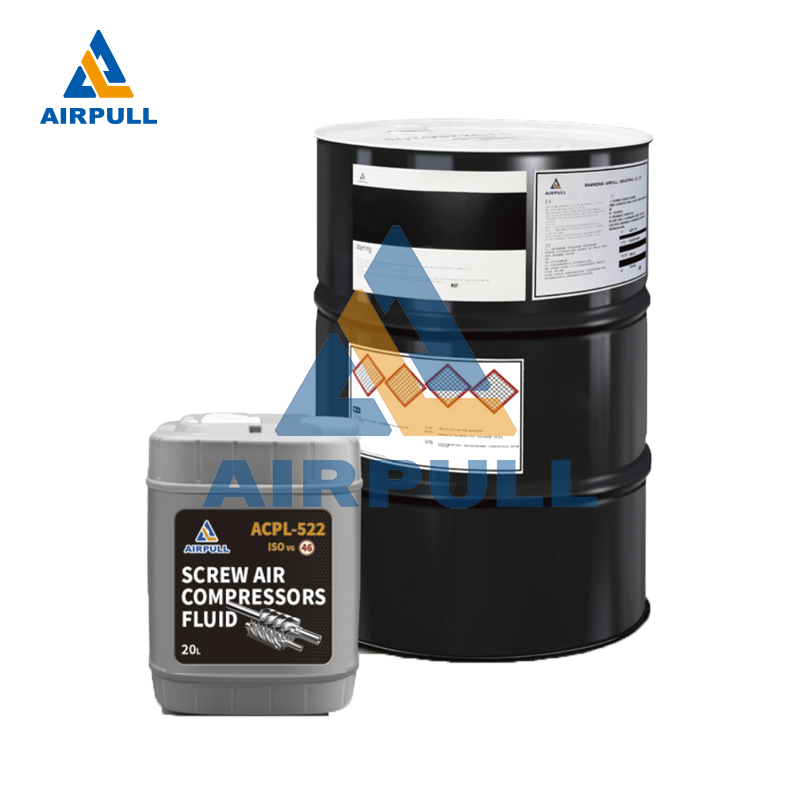
The economic impact of premature lubricant replacement extends far beyond the cost of the oil itself. Unplanned maintenance, reduced compressor efficiency, and potential equipment failure can result in production delays and substantial financial losses. Understanding how to extend the service life of screw compressor lubricating oil becomes essential for facility managers seeking to optimize their compressed air systems.
Understanding Screw Compressor Lubrication Fundamentals
Essential Functions of Lubricating Oil
Screw compressor lubricating oil performs multiple critical functions beyond simple lubrication. The oil creates a seal between the rotor lobes, enabling efficient compression while reducing internal leakage. This sealing action directly impacts the compressor's volumetric efficiency and overall energy consumption.
Temperature control represents another vital function of the lubricating oil. During compression, significant heat generation occurs, and the oil must effectively absorb and transfer this thermal energy to maintain optimal operating temperatures. Inadequate heat dissipation leads to accelerated oil degradation and reduced compressor performance.
The oil also acts as a cleaning agent, removing contaminants and wear particles from internal surfaces. This cleaning function prevents the accumulation of deposits that could impair compressor operation or cause premature component wear. Quality screw compressor lubricating oil maintains these cleaning properties throughout its service life.
Chemical Composition and Properties
Modern screw compressor lubricating oil formulations utilize advanced base stocks combined with carefully selected additive packages. These additives include antioxidants that prevent oxidation, anti-foam agents that maintain oil integrity, and corrosion inhibitors that protect metal surfaces from chemical attack.
Viscosity characteristics play a crucial role in lubricant performance across varying operating conditions. The oil must maintain appropriate flow properties at both startup temperatures and normal operating conditions. Proper viscosity ensures adequate film strength while minimizing energy losses due to excessive fluid friction.
Thermal stability becomes increasingly important in high-temperature applications. Quality lubricants resist thermal breakdown, maintaining their protective properties even under demanding operating conditions. This stability directly correlates with extended service intervals and reduced maintenance requirements.
Contamination Prevention Strategies
Air Filtration System Optimization
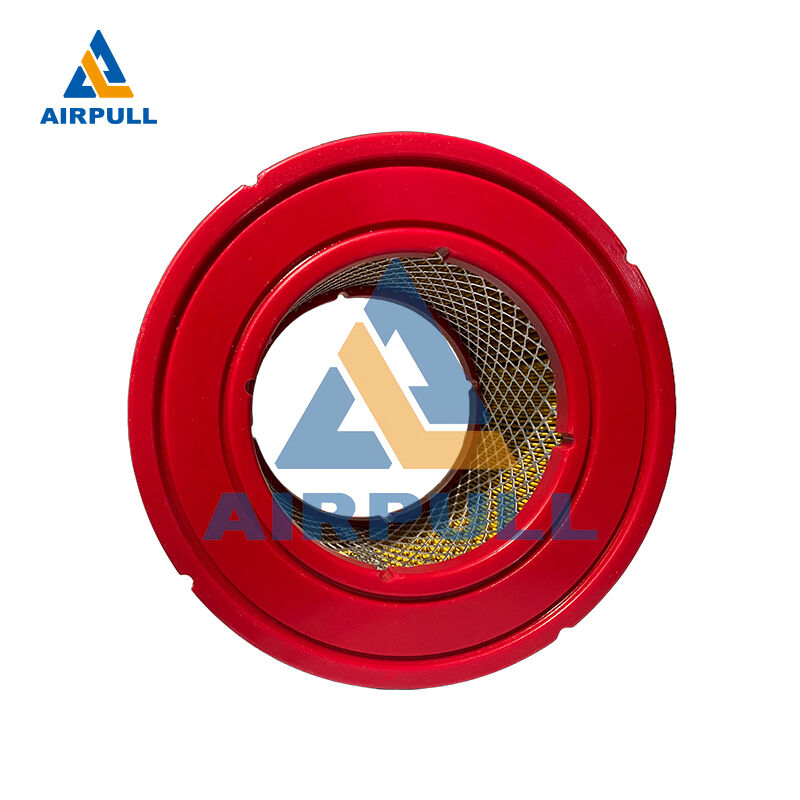
Effective air filtration serves as the first line of defense against contamination in screw compressor systems. Particulate matter entering the compressor can accelerate wear and promote oil degradation through catalytic reactions. High-quality intake filters remove airborne contaminants before they enter the compression chamber.
Regular filter maintenance ensures consistent protection levels throughout the operating cycle. Clogged or damaged filters allow contaminants to bypass protection systems, directly impacting the screw compressor lubricating oil quality. Establishing proper filter replacement schedules based on operating conditions and environmental factors prevents contamination-related issues.
Multi-stage filtration systems provide enhanced protection in challenging environments. Progressive filtration removes increasingly smaller particles, ensuring maximum contamination control. This approach proves particularly valuable in dusty or chemically aggressive environments where single-stage filtration may prove inadequate.
Moisture Control Measures
Water contamination represents one of the most damaging threats to screw compressor lubricating oil integrity. Moisture promotes oxidation reactions, reduces lubrication effectiveness, and can cause corrosion of internal components. Implementing effective moisture control strategies significantly extends oil service life.
Proper drainage systems remove condensed water from the compressor system before it can mix with the lubricating oil. Automatic drain valves and moisture separators help maintain dry operating conditions. Regular inspection and maintenance of these systems ensure continued effectiveness.
Environmental controls in compressor rooms help minimize moisture infiltration. Maintaining appropriate temperature and humidity levels reduces condensation potential while creating optimal operating conditions for the lubrication system. Climate control investments often pay for themselves through extended oil service intervals.
Temperature Management and Cooling Systems
Optimal Operating Temperature Ranges
Maintaining proper operating temperatures directly impacts the longevity of screw compressor lubricating oil. Excessive temperatures accelerate chemical breakdown processes, leading to premature oil degradation and reduced service intervals. Understanding optimal temperature ranges helps operators maintain peak system performance.
Most industrial screw compressors operate efficiently with oil temperatures between 160°F and 200°F. Operating below this range may result in incomplete moisture evaporation and potential condensation issues. Conversely, temperatures exceeding 220°F significantly accelerate oil oxidation and thermal degradation.
Temperature monitoring systems provide real-time feedback on operating conditions, enabling proactive adjustments before problems develop. Digital temperature controllers and alarm systems alert operators to temperature excursions that could damage the lubricating oil or compressor components.
Cooling System Maintenance
Efficient heat removal depends on properly maintained cooling systems. Oil coolers, aftercoolers, and heat exchangers require regular cleaning to maintain thermal transfer efficiency. Fouled heat exchanger surfaces reduce cooling capacity, leading to elevated oil temperatures and accelerated degradation.
Cooling system inspections should include checking for proper coolant flow, examining heat exchanger surfaces, and verifying fan operation. Restricted airflow or reduced coolant circulation directly impacts the cooling system's ability to maintain optimal oil temperatures. Addressing these issues promptly prevents temperature-related oil degradation.
Regular coolant analysis helps identify potential cooling system problems before they impact oil temperature control. Coolant contamination, corrosion, or biological growth can reduce heat transfer efficiency and potentially contaminate the screw compressor lubricating oil through system leaks.
Oil Analysis and Monitoring Programs
Predictive Maintenance Through Analysis
Systematic oil analysis programs provide valuable insights into both lubricant condition and compressor health. Regular sampling and testing reveal trends in oil degradation, contamination levels, and wear patterns before they result in equipment failure or unplanned maintenance.
Key analysis parameters include acid number, viscosity changes, metal content, and particle contamination levels. These measurements help determine remaining oil service life and identify potential mechanical issues within the compressor. Trending these parameters over time provides predictive maintenance capabilities.
Professional laboratory analysis offers comprehensive testing capabilities beyond basic field measurements. Spectroscopic analysis identifies specific wear metals and contaminants, while microscopic examination reveals particle characteristics and potential failure modes. This detailed information guides maintenance decisions and optimization strategies.
Sampling Techniques and Frequency
Proper sampling techniques ensure representative oil samples that accurately reflect system conditions. Samples should be collected from actively circulating oil during normal operating temperatures. Sampling from drain ports or static reservoirs may not provide accurate representations of circulating screw compressor lubricating oil conditions.
Sample containers must be clean and compatible with the lubricant being tested. Contaminated containers can skew analysis results and lead to incorrect maintenance decisions. Using laboratory-supplied containers ensures sample integrity and analytical accuracy.
Sampling frequency depends on operating conditions, equipment criticality, and historical performance data. Critical applications may require monthly sampling, while less demanding applications might use quarterly or semi-annual intervals. Adjusting frequency based on analysis results optimizes both monitoring effectiveness and cost efficiency.
Additive Refresh and Oil Conditioning
Understanding Additive Depletion
Additive packages in screw compressor lubricating oil gradually deplete during service through consumption and chemical reactions. Antioxidants sacrifice themselves to prevent base oil oxidation, while other additives may be filtered out or degraded by operating conditions. Understanding depletion mechanisms helps optimize refresh strategies.
Monitoring specific additive levels through analysis helps determine when refresh treatments might extend oil service life. Some additives can be replenished without complete oil changes, providing cost-effective life extension opportunities. However, this approach requires careful monitoring to ensure compatibility and effectiveness.
Additive refresh programs work best when implemented before severe depletion occurs. Once critical additives fall below effective levels, the oil may have already suffered permanent degradation that cannot be reversed through additive replenishment. Early intervention provides the best results.
Oil Conditioning Technologies
Advanced filtration systems can remove contaminants and degradation products from used screw compressor lubricating oil, extending service life significantly. Electrostatic separation, centrifugal cleaning, and selective filtration technologies remove particles, water, and oxidation products that contribute to oil degradation.
Vacuum dehydration systems effectively remove dissolved and free water from lubricating oil systems. These systems operate continuously or intermittently to maintain optimal moisture levels, preventing water-related degradation and extending oil service intervals substantially.
Some facilities employ bypass filtration systems that continuously condition the circulating oil during normal operation. These systems remove fine contaminants and degradation products that standard filters cannot capture, maintaining oil quality throughout the service interval.
System Design Considerations for Extended Oil Life
Reservoir and Circulation Design
Proper oil reservoir design significantly impacts lubricant service life by providing adequate residence time for contaminant settling and heat dissipation. Oversized reservoirs allow particles to settle and provide thermal mass that moderates temperature fluctuations during operation.
Circulation system design affects oil condition through mixing, aeration, and residence time considerations. Gentle circulation patterns minimize aeration while ensuring adequate mixing for heat transfer and contamination removal. Avoiding high-velocity areas and sharp turns reduces turbulence-induced degradation.
Strategic placement of return lines and suction points prevents re-circulation of settled contaminants while maintaining proper oil levels. Baffles and flow directors help optimize circulation patterns and settling zones within the reservoir system.
Material Compatibility and Seal Selection
Material selection throughout the lubrication system impacts oil life through compatibility and contamination potential. Non-compatible materials may catalyze oil degradation or introduce contaminants that reduce service intervals. Careful material selection prevents these issues.
Seal materials must resist degradation from contact with screw compressor lubricating oil while preventing external contamination. Quality seals maintain system integrity throughout extended service intervals, preventing moisture and particle infiltration that could damage the lubricant.
Metallic components should utilize corrosion-resistant materials or protective coatings to prevent metal contamination of the oil system. Corrosion products act as catalysts for oil degradation and can cause accelerated wear of lubricated surfaces.
Economic Benefits of Extended Oil Service Life
Direct Cost Savings Analysis
Extending screw compressor lubricating oil service intervals generates substantial direct cost savings through reduced lubricant purchases and disposal fees. Premium lubricants that last twice as long often cost less than half the price of two standard oil changes, creating immediate economic benefits.
Labor costs for oil changes represent a significant portion of maintenance expenses, particularly for large or multiple compressor installations. Reducing change frequency cuts labor requirements proportionally while freeing maintenance resources for other critical tasks.
Disposal costs for used lubricants continue rising due to environmental regulations and limited recycling facilities. Extended service intervals reduce waste generation and associated disposal expenses, contributing to both cost savings and environmental stewardship.
Indirect Operational Benefits
Extended oil service intervals reduce planned downtime requirements for maintenance activities. Less frequent oil changes mean more production time and fewer scheduling disruptions. These indirect benefits often exceed direct cost savings in high-production environments.
Improved oil condition throughout extended service intervals maintains optimal compressor efficiency, reducing energy consumption and operating costs. Well-maintained screw compressor lubricating oil contributes to lower specific power consumption and reduced electricity bills.
Extended service intervals also reduce inventory requirements and storage needs for lubricants and related supplies. Smaller inventory investments free capital for other business needs while reducing storage and handling requirements.
FAQ
How often should screw compressor lubricating oil be changed under normal operating conditions
Under normal operating conditions with proper maintenance and monitoring, quality screw compressor lubricating oil typically requires changing every 4,000 to 8,000 operating hours. However, this interval can be extended significantly through proper oil analysis programs, contamination control, and temperature management. Some facilities achieve 12,000+ hour intervals with premium lubricants and optimal maintenance practices.
What are the primary causes of premature lubricating oil degradation in screw compressors
The main causes of premature oil degradation include excessive operating temperatures, moisture contamination, particle contamination from poor filtration, and oxidation from air exposure. Chemical contamination from process gases or cleaning solvents can also accelerate degradation. Controlling these factors through proper system design and maintenance significantly extends oil service life.
Can different brands of screw compressor lubricating oil be mixed safely
Mixing different brands or types of screw compressor lubricating oil is generally not recommended without manufacturer approval and compatibility testing. Different additive packages may interact negatively, reducing performance or causing precipitation. When changing oil brands, complete system flushing ensures optimal performance and prevents compatibility issues.
What warning signs indicate that screw compressor lubricating oil needs immediate replacement
Warning signs requiring immediate oil replacement include dark coloration, strong odors, visible contamination, foam formation during operation, and elevated operating temperatures. Oil analysis showing high acid numbers, excessive wear metals, or significant viscosity changes also indicates immediate replacement needs. Addressing these signs promptly prevents equipment damage and costly repairs.
Table of Contents
- Understanding Screw Compressor Lubrication Fundamentals
- Contamination Prevention Strategies
- Temperature Management and Cooling Systems
- Oil Analysis and Monitoring Programs
- Additive Refresh and Oil Conditioning
- System Design Considerations for Extended Oil Life
- Economic Benefits of Extended Oil Service Life
-
FAQ
- How often should screw compressor lubricating oil be changed under normal operating conditions
- What are the primary causes of premature lubricating oil degradation in screw compressors
- Can different brands of screw compressor lubricating oil be mixed safely
- What warning signs indicate that screw compressor lubricating oil needs immediate replacement