EN
EN


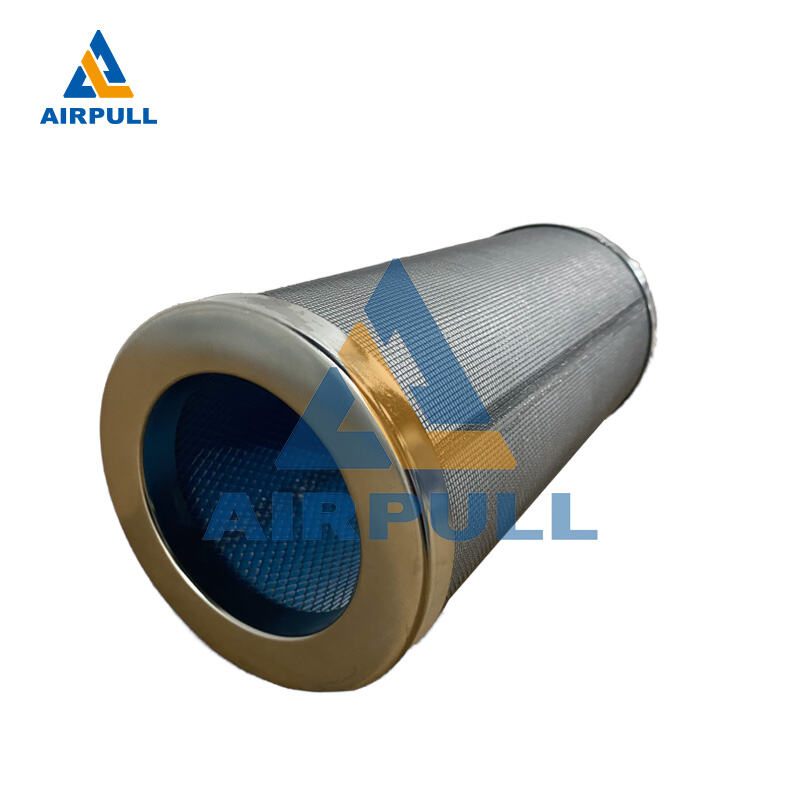
The performance of compressed air systems heavily depends on the quality and efficiency of their filtration components. Among these critical components, the air oil separator plays a fundamental role in maintaining system integrity, reducing operational costs, and ensuring consistent air quality output. Understanding how these separators function and what factors influence their efficiency can significantly impact your equipment's longevity and performance metrics.
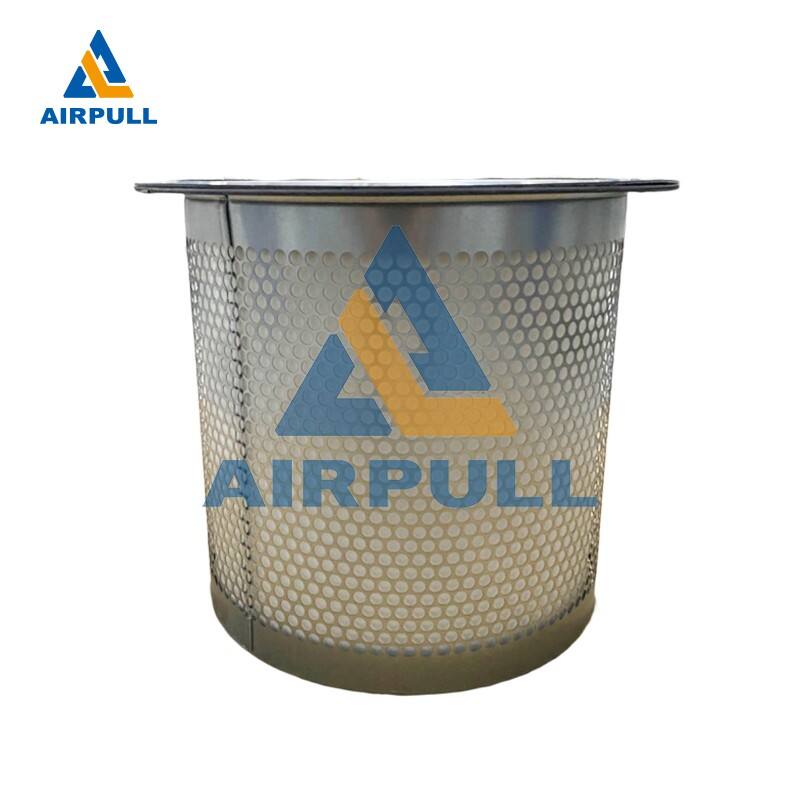
Industrial facilities worldwide rely on compressed air systems for various applications, from powering pneumatic tools to supporting manufacturing processes. The efficiency of these systems directly correlates with the effectiveness of their air oil separator technology. When separators operate at peak efficiency, they minimize oil carryover, reduce maintenance requirements, and extend equipment lifespan while maintaining consistent air quality standards.
Modern industrial applications demand increasingly higher standards for air purity and system reliability. The air oil separator serves as the final barrier between compressed air and downstream equipment, making its efficiency crucial for overall system performance. Facilities that prioritize separator efficiency often experience reduced downtime, lower operational costs, and improved product quality in their manufacturing processes.
Understanding Air Oil Separator Technology
Fundamental Operating Principles
The basic operation of an air oil separator relies on advanced filtration media and precise engineering to remove oil particles from compressed air streams. These devices utilize multiple separation mechanisms including coalescence, impaction, and diffusion to achieve maximum efficiency. The separator media typically consists of specialized fibers designed to capture oil droplets of various sizes, from large droplets to fine mist particles.
Modern air oil separator designs incorporate multi-stage filtration processes that progressively remove contaminants as air passes through different media layers. The initial stage captures larger oil droplets through mechanical separation, while subsequent stages target increasingly smaller particles through specialized coalescent media. This graduated approach ensures comprehensive oil removal while maintaining optimal airflow characteristics.
Temperature and pressure conditions within the separator housing significantly influence separation efficiency. Higher operating temperatures can improve coalescence rates by reducing oil viscosity, while appropriate pressure differentials ensure proper media contact time. Understanding these relationships helps operators optimize separator performance and maintain consistent efficiency levels throughout operational cycles.
Advanced Filtration Media Technologies
Contemporary air oil separator designs incorporate cutting-edge filtration media engineered for specific particle size ranges and operating conditions. Synthetic fiber media offers superior oil retention capabilities compared to traditional materials, while maintaining low pressure drop characteristics essential for energy efficiency. These advanced materials resist degradation from temperature fluctuations and chemical exposure common in industrial environments.
Pleated media configurations maximize filtration surface area within compact separator housings, allowing for higher airflow capacities without compromising separation efficiency. The pleating patterns and media density are carefully engineered to optimize particle capture while minimizing resistance to airflow. This balance between filtration effectiveness and pressure drop performance defines high-quality separator designs.
Specialized coating treatments applied to filtration media enhance oil coalescence properties and extend operational life. These treatments create preferred pathways for oil droplet formation and drainage, improving overall separator efficiency while reducing maintenance frequency. The integration of these advanced media technologies represents significant improvements over conventional separator designs.
Factors Affecting Separator Efficiency
Operating Temperature Impact
Operating temperature profoundly affects air oil separator performance through its influence on oil viscosity and vapor pressure characteristics. Elevated temperatures reduce oil viscosity, facilitating better coalescence and drainage within the separator media. However, excessive temperatures can increase oil vapor content in the air stream, potentially overwhelming separator capacity and reducing overall efficiency.
Temperature stability throughout the operating cycle ensures consistent separator performance and predictable efficiency levels. Rapid temperature fluctuations can cause thermal cycling effects that stress separator media and compromise filtration integrity. Maintaining optimal temperature ranges through proper system design and cooling strategies maximizes separator effectiveness and operational reliability.
The relationship between temperature and oil separation efficiency varies depending on specific oil types and separator media characteristics. Synthetic lubricants may exhibit different separation behaviors compared to mineral oils, requiring careful consideration of temperature management strategies. Understanding these interactions enables operators to optimize system performance for their specific operating conditions.
Pressure Differential Considerations
Pressure differential across the air oil separator serves as a critical performance indicator and directly influences separation efficiency. Optimal pressure differentials ensure adequate contact time between air and filtration media while maintaining acceptable energy consumption levels. Monitoring pressure differential trends provides valuable insights into separator condition and remaining service life.
Excessive pressure differentials indicate media loading or degradation, which can compromise separation efficiency and increase system operating costs. Regular monitoring and trending of pressure differential data enables predictive maintenance scheduling and prevents unexpected separator failures. Establishing appropriate differential pressure limits helps maintain peak separator performance throughout its operational cycle.
The design pressure rating of separator housings must accommodate normal operating pressures plus appropriate safety margins. Pressure vessel regulations and safety standards govern separator design requirements, ensuring reliable operation under specified conditions. Proper pressure management protects both equipment integrity and personnel safety while maintaining optimal separation efficiency.
Performance Optimization Strategies
Maintenance Protocol Development
Developing comprehensive maintenance protocols specifically tailored to air oil separator requirements ensures consistent performance and maximum service life. These protocols should address inspection frequencies, replacement criteria, and performance monitoring procedures. Regular visual inspections can identify early signs of separator degradation, while pressure differential monitoring provides quantitative performance data.
Preventive maintenance scheduling based on operating hours, pressure differential trends, and environmental conditions optimizes separator performance while minimizing unplanned downtime. Documentation of maintenance activities and performance trends enables continuous improvement of maintenance strategies and helps predict future service requirements. This proactive approach significantly enhances overall system reliability.
Training maintenance personnel on proper separator handling, installation, and inspection techniques ensures consistent maintenance quality and prevents premature failures. Understanding the relationship between maintenance practices and separator efficiency enables teams to optimize their approaches for specific operating conditions and equipment configurations.
System Integration Considerations
Proper integration of air oil separator systems with overall compressed air infrastructure requires careful attention to piping design, drainage systems, and control strategies. Adequate drainage provisions prevent oil accumulation and maintain separator efficiency throughout operational cycles. Proper sizing of drain systems ensures effective oil removal without compromising air quality or system performance.
Control system integration enables automated monitoring of separator performance parameters and can provide early warning of efficiency degradation. Advanced control strategies can optimize separator operation based on load conditions, ambient temperatures, and system demand patterns. This integration enhances both performance and energy efficiency while reducing operator workload.
Compatibility between separator specifications and existing system components ensures optimal performance and prevents operational issues. Proper flow rates, pressure ratings, and connection specifications must align with system requirements to achieve maximum efficiency. Thorough system analysis during separator selection prevents costly compatibility issues and ensures reliable operation.
Economic Impact and Cost Analysis
Energy Efficiency Considerations
The energy efficiency of air oil separator systems directly impacts operational costs through their influence on compressor power consumption and system pressure requirements. High-efficiency separators with low pressure drop characteristics reduce compressor workload and associated energy consumption. This energy savings can provide significant cost reductions over the separator service life, particularly in high-duty cycle applications.
Comparing energy consumption between different separator technologies reveals the long-term cost implications of efficiency variations. While high-efficiency separators may require higher initial investment, their energy savings often justify the additional cost through reduced operational expenses. Life-cycle cost analysis provides a comprehensive framework for evaluating separator options and optimizing economic performance.
Energy monitoring systems can quantify the actual energy impact of separator efficiency on overall system performance. This data enables operators to make informed decisions about separator replacement timing and technology upgrades. Understanding the relationship between separator efficiency and energy costs supports strategic planning for facility optimization initiatives.
Maintenance Cost Optimization
Effective air oil separator maintenance strategies balance service costs with performance requirements to achieve optimal economic outcomes. Premium separator technologies may require higher replacement costs but often provide extended service intervals and superior performance consistency. This relationship between cost and performance requires careful analysis to determine the most economical approach for specific applications.
Predictive maintenance strategies based on separator performance monitoring can reduce maintenance costs while improving reliability. By replacing separators based on actual performance degradation rather than fixed schedules, facilities can optimize separator utilization and minimize waste. This approach requires robust monitoring systems but can provide significant cost savings in large installations.
Inventory management strategies for separator replacement parts can reduce emergency procurement costs and minimize downtime expenses. Maintaining appropriate spare part inventories based on usage patterns and lead times ensures availability while minimizing carrying costs. Strategic partnerships with suppliers can provide additional cost advantages through volume purchasing and technical support services.
Industrial Applications and Case Studies
Manufacturing Sector Applications
Manufacturing facilities across diverse industries rely on efficient air oil separator performance to maintain product quality and operational efficiency. Automotive manufacturing plants require extremely clean compressed air for painting applications, where even minimal oil contamination can cause quality defects. These facilities often implement multiple separator stages and rigorous monitoring protocols to ensure air quality standards.
Food processing operations demand pharmaceutical-grade air quality for direct product contact applications, making separator efficiency critical for regulatory compliance. The air oil separator technology used in these environments must meet stringent purity requirements while maintaining reliable performance under varying load conditions. Regular performance validation through air quality testing ensures continued compliance with industry standards.
Electronics manufacturing requires oil-free compressed air to prevent contamination of sensitive components and manufacturing processes. Even trace oil contamination can cause product failures or reliability issues, making separator efficiency paramount. These applications often utilize specialized separator technologies designed for ultra-low oil carryover rates and extended service intervals.
Power Generation Industry Requirements
Power generation facilities utilize compressed air systems for various control and maintenance applications where reliable separator performance ensures operational safety and efficiency. Instrument air systems require consistent air quality for proper control system operation, while maintenance air systems support equipment servicing and repair activities. The air oil separator components in these systems must maintain reliable performance under varying environmental conditions.
Gas turbine installations often integrate compressed air systems for starting, cooling, and control applications where air quality directly impacts equipment performance and reliability. These demanding applications require separator technologies capable of maintaining efficiency under extreme temperature and pressure conditions. Regular performance monitoring and maintenance ensure continued reliability in critical power generation applications.
Renewable energy installations, including wind and solar facilities, rely on compressed air systems for various maintenance and operational functions. The remote locations of many renewable energy sites make separator reliability particularly important, as maintenance access may be limited. Robust air oil separator designs with extended service intervals help minimize maintenance requirements in these challenging environments.
Future Technologies and Innovation
Advanced Materials Development
Ongoing research in filtration media materials promises significant improvements in air oil separator efficiency and service life. Nanofiber technologies offer potential for enhanced particle capture rates while maintaining low pressure drop characteristics. These advanced materials could revolutionize separator performance by enabling higher efficiency levels with reduced energy consumption.
Smart materials that respond to operating conditions could optimize separator performance automatically based on real-time system parameters. Temperature-responsive media could adjust porosity based on thermal conditions, while pressure-sensitive materials could modify filtration characteristics based on differential pressure levels. These innovations represent the future of adaptive separator technologies.
Biotechnology applications in filtration media development explore the use of engineered biological materials for enhanced oil separation capabilities. These bio-based approaches could provide superior performance characteristics while offering environmental benefits through biodegradable media options. Research into biomimetic designs inspired by natural separation processes continues to yield innovative separator concepts.
Digitalization and Smart Monitoring
Digital transformation initiatives in compressed air systems include advanced monitoring capabilities for air oil separator performance optimization. Internet of Things sensors can provide real-time data on separator efficiency, pressure differential, and environmental conditions. This continuous monitoring enables predictive maintenance strategies and performance optimization based on actual operating data.
Artificial intelligence algorithms can analyze separator performance patterns to predict maintenance requirements and optimize replacement schedules. Machine learning systems can identify efficiency degradation trends and recommend corrective actions before performance issues impact system operation. These intelligent systems represent the future of automated separator management.
Digital twins of separator systems enable virtual testing and optimization of performance parameters without disrupting actual operations. These sophisticated models can simulate various operating scenarios and predict separator behavior under different conditions. This capability supports informed decision-making for separator selection, maintenance planning, and system optimization initiatives.
FAQ
How often should air oil separators be replaced in industrial applications
Replacement frequency for air oil separators depends on several factors including operating conditions, air quality requirements, and separator design specifications. Typical service intervals range from 2,000 to 8,000 operating hours, but monitoring pressure differential and efficiency levels provides more accurate replacement timing. Facilities with demanding air quality requirements may require more frequent replacement, while less critical applications can extend service intervals based on performance monitoring data.
What are the signs that an air oil separator needs immediate replacement
Key indicators for immediate separator replacement include excessive pressure differential across the separator, visible oil carryover in compressed air output, and unusual noise or vibration from the separator housing. Other warning signs include rapid pressure differential increases, system efficiency degradation, and failure to meet air quality specifications. Regular monitoring of these parameters enables early detection of separator problems before they impact system performance or cause equipment damage.
Can air oil separator efficiency be improved through system modifications
System modifications can significantly improve separator efficiency through optimized installation practices, enhanced drainage systems, and improved temperature management. Proper piping design minimizes pressure losses and ensures uniform flow distribution through separator media. Installing adequate drainage systems prevents oil accumulation that can compromise efficiency, while temperature control systems maintain optimal separation conditions throughout operating cycles.
What role does oil type play in separator performance and efficiency
Oil characteristics including viscosity, volatility, and chemical composition significantly influence separator performance and efficiency levels. Synthetic oils typically offer better separation characteristics compared to mineral oils due to their engineered properties and thermal stability. The separator media must be compatible with the specific oil type to ensure optimal performance, and some applications may require specialized separator technologies designed for particular lubricant formulations.