EN
EN


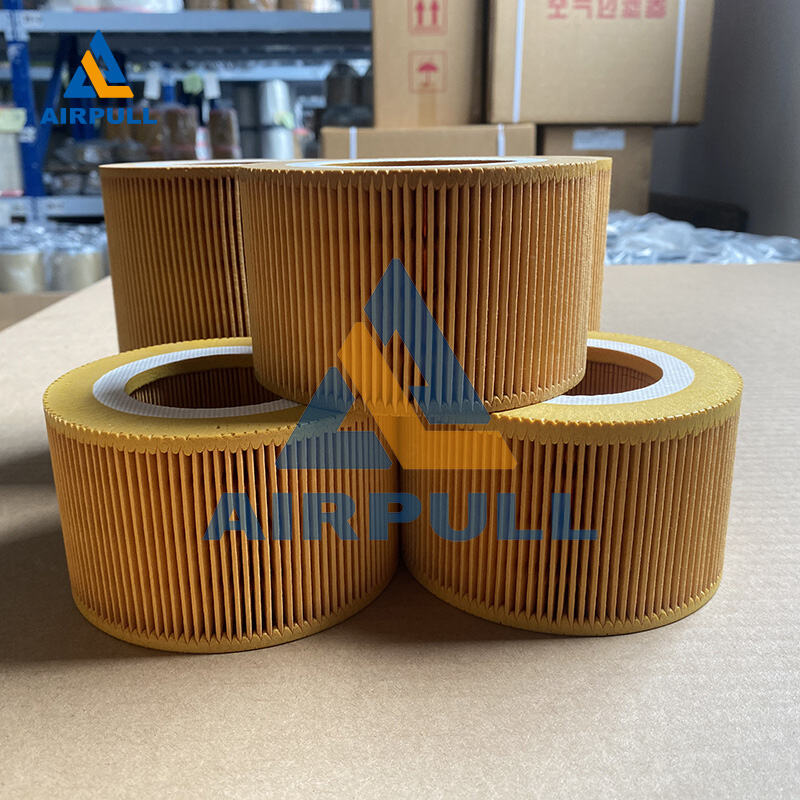
Regular maintenance of industrial compressor systems requires careful attention to lubrication needs, with proper oil changes being fundamental to optimal performance. Understanding the complexities of screw compressor lubricating oil maintenance ensures extended equipment life and consistent operational efficiency. This comprehensive guide addresses critical aspects of oil change procedures, selection criteria, and maintenance best practices for rotary screw compressors across various industrial applications.
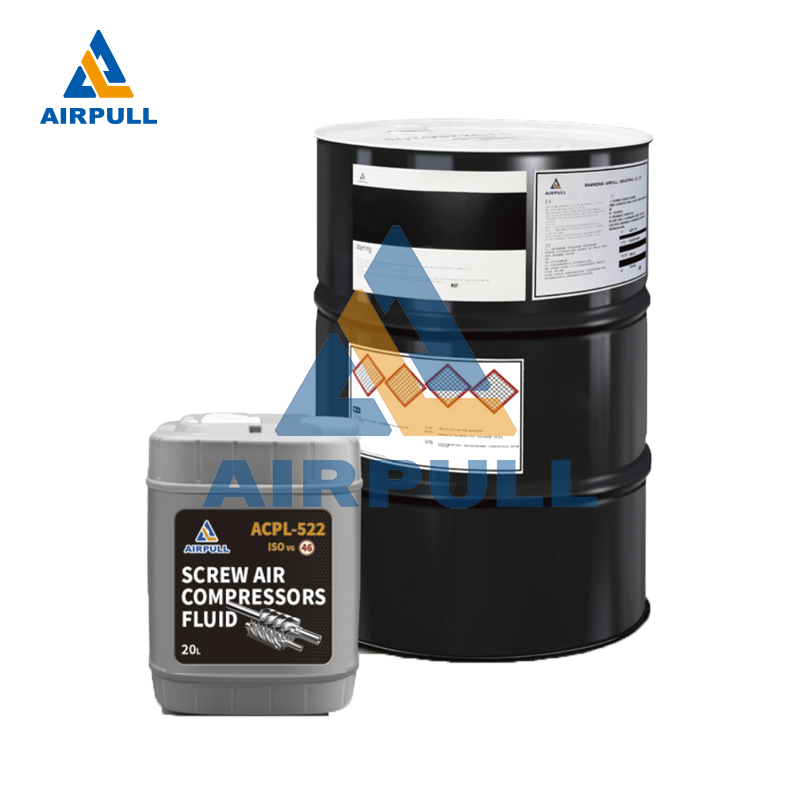
Understanding Screw Compressor Oil Requirements
Oil Function and Critical Properties
The primary functions of screw compressor lubricating oil extend beyond simple lubrication to include sealing, cooling, and protection against wear. High-quality lubricants create essential seals between rotor elements while facilitating heat transfer from compression chambers. These oils must withstand extreme pressure conditions and temperature variations while maintaining viscosity stability throughout extended service intervals.
Viscosity characteristics play a crucial role in determining oil performance under varying operational conditions. Lower viscosity oils provide better flow characteristics during startup, while higher viscosity grades offer superior film strength under heavy loads. The optimal viscosity grade depends on ambient temperatures, operating pressures, and specific compressor design requirements.
Synthetic versus Mineral Oil Considerations
Modern screw compressor lubricating oil formulations range from conventional mineral oils to fully synthetic alternatives, each offering distinct advantages. Synthetic oils typically provide superior thermal stability, extended drain intervals, and improved performance across wider temperature ranges. Semi-synthetic formulations offer balanced performance characteristics while maintaining cost-effectiveness for many industrial applications.
Oxidation resistance represents another critical factor when selecting appropriate lubricants. Premium synthetic oils demonstrate exceptional resistance to thermal breakdown and oxidation, reducing sludge formation and extending service life. This enhanced stability translates to reduced maintenance costs and improved system reliability over extended operational periods.
Oil Change Frequency and Timing Considerations
Manufacturer Recommendations and Service Intervals
Determining optimal change intervals for screw compressor lubricating oil requires careful consideration of manufacturer specifications, operating conditions, and oil analysis results. Most manufacturers establish baseline recommendations ranging from 2000 to 8000 operating hours, depending on oil type and environmental factors. However, actual service intervals may vary significantly based on specific application requirements and operating severity.
Environmental conditions significantly impact oil degradation rates and required change frequencies. High ambient temperatures, dusty conditions, and frequent start-stop cycles accelerate oil deterioration, necessitating more frequent changes. Conversely, stable operating conditions with proper filtration systems may allow extended service intervals when using premium synthetic lubricants.
Oil Analysis and Condition Monitoring
Implementing systematic oil analysis programs provides valuable insights into lubricant condition and optimal change timing. Regular sampling and laboratory analysis reveal critical parameters including viscosity changes, contamination levels, and additive depletion rates. This data-driven approach enables predictive maintenance strategies while avoiding premature oil changes or unexpected equipment failures.
Key indicators monitored through oil analysis include acid numbers, moisture content, and particle contamination levels. Rising acid numbers indicate oxidation progress, while moisture contamination can lead to corrosion and additive precipitation. Particle analysis reveals wear patterns and filtration system effectiveness, providing comprehensive system health assessment.
Step-by-Step Oil Change Procedures
Pre-Change Preparation and Safety Measures
Proper preparation ensures safe and efficient screw compressor lubricating oil changes while minimizing downtime and environmental impact. Begin by allowing the compressor to reach normal operating temperature, which reduces oil viscosity and ensures complete drainage. Implement appropriate lockout-tagout procedures and verify electrical isolation before beginning maintenance activities.
Gather necessary tools and materials including drain containers, new oil filters, replacement gaskets, and fresh lubricant. Verify that replacement oil meets manufacturer specifications and compatibility requirements. Prepare adequate containment measures for used oil collection and ensure proper disposal arrangements are in place before beginning the change procedure.
Drainage and System Cleaning
Efficient drainage of used screw compressor lubricating oil requires systematic approach to ensure complete removal of contaminated lubricant. Open drain valves at the lowest system points and allow adequate time for complete drainage. Some systems may require additional drainage ports or temporary flushing procedures to remove residual oil from remote locations.
Internal cleaning procedures vary depending on contamination levels and service history. Light contamination may only require standard drainage and filter replacement, while heavily contaminated systems benefit from flushing with compatible cleaning agents. Document drainage quantities and visual oil condition to establish baseline data for future maintenance planning.
Oil Selection Criteria and Compatibility
Viscosity Grade Selection
Selecting appropriate viscosity grades for screw compressor lubricating oil applications requires understanding of operational parameters and environmental conditions. ISO VG 32, 46, and 68 grades represent common selections, with lighter grades suited for continuous operation and heavier grades preferred for high-load applications. Ambient temperature ranges significantly influence optimal viscosity selection for specific installations.
Multi-grade oils provide enhanced performance across broader temperature ranges while maintaining pumpability during cold starts. These advanced formulations incorporate viscosity index improvers that minimize viscosity changes with temperature variations. However, compatibility with existing system components and seal materials must be verified before implementing multi-grade alternatives.
Additive Packages and Performance Enhancements
Modern screw compressor lubricating oil formulations incorporate sophisticated additive packages designed to enhance performance and extend service life. Anti-oxidants prevent oil degradation under high-temperature conditions, while anti-foam agents maintain proper lubrication during dynamic operation. Corrosion inhibitors protect internal components from moisture-related damage and extend equipment life.
Thermal stability additives become particularly important in high-temperature applications where conventional oils may experience rapid degradation. These specialized compounds maintain lubricant integrity under extreme conditions while reducing deposit formation and system contamination. Understanding additive functionality helps optimize oil selection for specific operational requirements.
System Refilling and Startup Procedures
Proper Refilling Techniques
Refilling procedures for screw compressor lubricating oil systems require attention to proper fill levels and air elimination. Use clean funnels and filtration equipment to prevent contamination during refilling operations. Add oil gradually while monitoring sight glasses or dipsticks to achieve manufacturer-specified levels without overfilling.
Air entrainment during refilling can cause operational problems including foaming, cavitation, and inadequate lubrication. Allow sufficient settling time between fill increments and verify proper oil levels after initial circulation. Some systems may require priming procedures or manual circulation to ensure complete oil distribution before startup.
Post-Change Testing and Verification
Initial startup procedures following oil changes require careful monitoring of system parameters and performance indicators. Monitor oil pressure, temperature, and flow rates during initial operation to verify proper system function. Check for leaks around drain plugs, filter housings, and connection points that may have been disturbed during maintenance.
Collect baseline oil samples within the first few operating hours to establish reference parameters for future analysis. Document oil consumption rates and monitor for unusual operating characteristics that may indicate installation issues or component problems. Maintain detailed maintenance records including oil type, quantities used, and system performance observations.
Troubleshooting Common Oil-Related Issues
Contamination Sources and Prevention
Contamination represents a primary cause of premature screw compressor lubricating oil degradation and system problems. Moisture ingress through inadequate sealing or condensation creates acidic conditions that accelerate component wear and oil breakdown. Implement proper breather systems and moisture separation equipment to minimize water contamination in compressed air systems.
Particulate contamination from worn components or inadequate filtration reduces oil effectiveness and accelerates system wear. Regular filter maintenance and proper filtration system design prevent most contamination-related problems. Monitor filter differential pressures and replacement intervals to maintain optimal filtration efficiency throughout service intervals.
Performance Degradation Indicators
Early detection of screw compressor lubricating oil degradation enables proactive maintenance and prevents costly equipment damage. Rising operating temperatures, increased power consumption, and elevated vibration levels often indicate lubrication-related problems. Systematic monitoring of these parameters provides early warning of developing issues.
Oil color changes, foaming, or unusual odors represent visual indicators of oil condition deterioration. Dark coloration typically indicates oxidation or contamination, while foaming suggests additive depletion or incompatible oil mixing. Address these symptoms promptly through oil analysis and corrective action to prevent equipment damage.
Cost Optimization and Maintenance Planning
Economic Considerations for Oil Selection
Total cost of ownership calculations for screw compressor lubricating oil include initial purchase price, service intervals, and system performance impacts. Premium synthetic oils command higher initial costs but often provide superior value through extended drain intervals and improved equipment reliability. Comprehensive cost analysis should consider energy efficiency improvements and reduced maintenance requirements.
Bulk purchasing strategies and supplier relationships can significantly impact overall lubrication costs for large installations or multiple compressor systems. Negotiate volume pricing agreements and establish consistent supply chains to ensure oil availability and cost predictability. Consider standardization opportunities across multiple compressor types to simplify inventory management and reduce costs.
Preventive Maintenance Integration
Integrating screw compressor lubricating oil changes with broader preventive maintenance schedules maximizes efficiency and minimizes downtime. Coordinate oil changes with filter replacements, belt inspections, and other routine maintenance activities. This systematic approach reduces labor costs while ensuring comprehensive system maintenance.
Develop standardized procedures and checklists that technicians can follow consistently across different compressor models and installations. Training programs ensure proper execution of oil change procedures while maintaining safety standards. Regular procedure reviews and updates incorporate lessons learned and manufacturer recommendations.
FAQ
How often should screw compressor lubricating oil be changed
Oil change intervals for screw compressor lubricating oil typically range from 2000 to 8000 operating hours, depending on oil type, operating conditions, and manufacturer recommendations. Synthetic oils generally allow longer intervals compared to mineral oils. Implement oil analysis programs to optimize change timing based on actual oil condition rather than arbitrary time intervals. Severe operating conditions including high temperatures, dusty environments, or frequent cycling may require more frequent changes.
What happens if wrong oil viscosity is used in a screw compressor
Using incorrect viscosity screw compressor lubricating oil can cause significant operational problems including inadequate lubrication, increased wear, and reduced efficiency. Oil that is too thin may not provide adequate film strength under load, while overly thick oil creates excessive pumping losses and poor flow characteristics. Always consult manufacturer specifications and consider operating temperature ranges when selecting appropriate viscosity grades for specific applications.
Can different brands of compressor oil be mixed together
Mixing different brands or types of screw compressor lubricating oil is generally not recommended without compatibility testing. Different additive packages may interact negatively, causing precipitation, foaming, or reduced performance. If mixing is unavoidable, limit to oils of the same base type and viscosity grade. Flush the system completely when changing oil brands to prevent compatibility issues and maintain optimal performance.
How can oil consumption be reduced in screw compressors
Reducing screw compressor lubricating oil consumption requires attention to system design, maintenance practices, and operating procedures. Ensure proper separator element maintenance and replacement intervals to minimize oil carryover. Check for leaks around seals, gaskets, and connections regularly. Optimize operating pressures and temperatures according to manufacturer specifications, as excessive conditions increase oil consumption rates. Consider upgrading to premium synthetic oils that typically exhibit lower consumption characteristics.