EN
EN



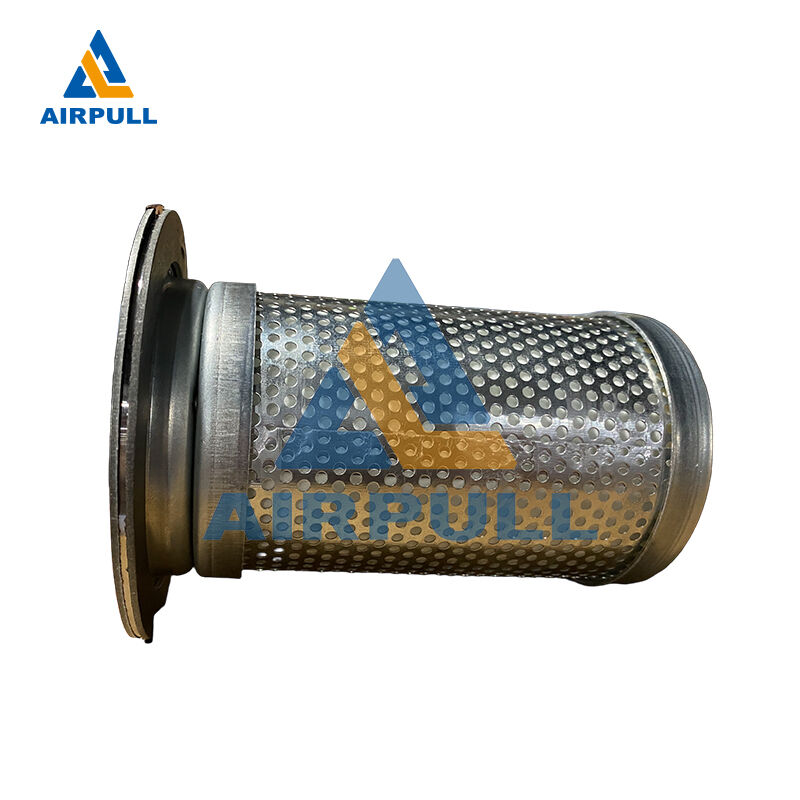
Industrial air compressors are the backbone of countless manufacturing operations worldwide, delivering reliable compressed air for pneumatic tools, automation systems, and critical production processes. The performance and longevity of these essential machines depend heavily on proper maintenance, particularly the selection and use of appropriate screw compressor lubricating oil. This specialized lubricant serves multiple critical functions, including sealing compression chambers, cooling internal components, and reducing friction between moving parts. Understanding industrial standards for these lubricants is crucial for maintenance professionals who want to optimize equipment performance while minimizing operational costs and unplanned downtime.
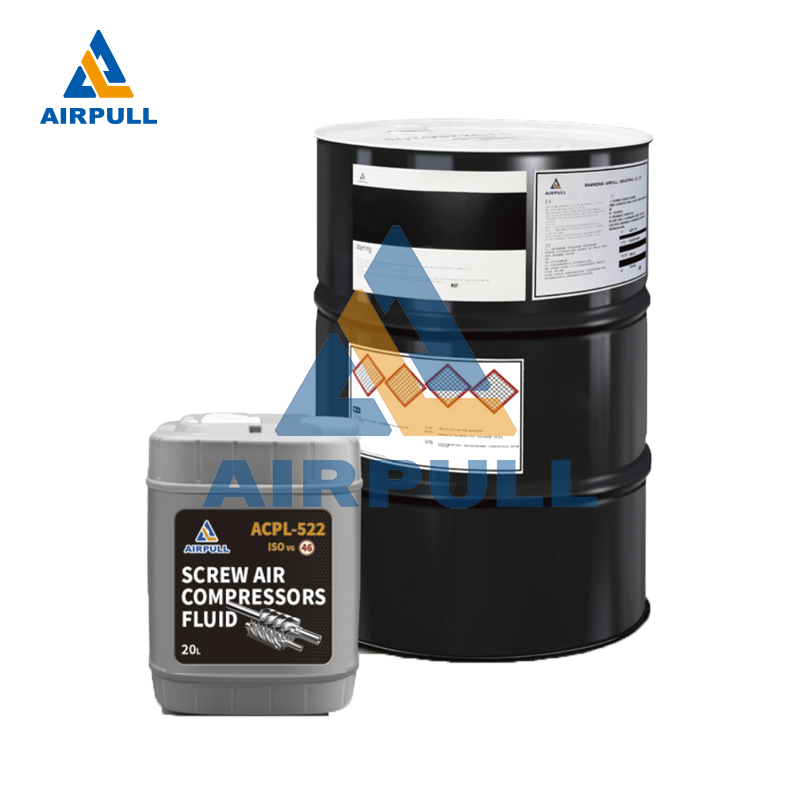
The importance of adhering to established industrial standards cannot be overstated when selecting lubricants for rotary screw air compressors. These standards ensure compatibility, performance consistency, and equipment protection across diverse operating environments. Modern industrial facilities rely on standardized lubricant specifications to maintain warranty coverage, achieve predictable maintenance intervals, and ensure optimal energy efficiency. Quality screw compressor lubricating oil must meet stringent requirements for viscosity stability, thermal resistance, and chemical compatibility to perform reliably in demanding industrial applications.
Understanding Viscosity Requirements and Temperature Specifications
Viscosity Index Standards for Industrial Applications
Viscosity represents one of the most critical characteristics of screw compressor lubricating oil, directly affecting pump efficiency, seal effectiveness, and overall system performance. Industrial standards typically specify viscosity ranges measured at standardized temperatures, usually 40°C and 100°C, to ensure consistent performance across varying operating conditions. The viscosity index indicates how much the oil's thickness changes with temperature fluctuations, with higher values representing better stability. Most industrial applications require lubricants with viscosity indices above 95 to maintain consistent performance throughout seasonal temperature variations and different operational loads.
Proper viscosity selection depends on several factors including ambient temperature ranges, compressor load patterns, and manufacturer specifications. Oils that are too thin may fail to provide adequate sealing and lubrication, while excessively thick lubricants can increase energy consumption and reduce efficiency. Industrial facilities operating in extreme temperature environments must pay particular attention to viscosity specifications, as these directly impact startup performance in cold conditions and thermal stability during peak summer operations.
Temperature Resistance and Thermal Stability Standards
Modern screw compressor lubricating oil must demonstrate exceptional thermal stability to withstand the high-temperature conditions generated during compression cycles. Industrial standards specify minimum flash points, typically above 200°C, to ensure safe operation and prevent lubricant degradation. Thermal stability testing evaluates how well the lubricant maintains its properties when exposed to elevated temperatures over extended periods, simulating real-world operating conditions in industrial environments.
Pour point specifications determine the lowest temperature at which the lubricant maintains fluidity, ensuring reliable cold-weather startup performance. This characteristic becomes particularly important for facilities operating in regions with significant temperature variations or those requiring 24/7 operation throughout winter months. High-quality synthetic and semi-synthetic formulations typically offer superior thermal performance compared to conventional mineral oils, making them preferred choices for demanding industrial applications.
Chemical Composition and Additive Package Standards
Base Oil Quality Requirements
The foundation of any high-performance screw compressor lubricating oil lies in its base oil quality, which determines fundamental characteristics such as oxidation resistance, thermal stability, and compatibility with system seals and components. Industrial standards classify base oils into different groups, with Group II and higher grades preferred for modern compressor applications due to their superior refinement and consistent molecular structure. These higher-grade base oils provide better oxidation resistance, longer service life, and improved compatibility with advanced seal materials commonly used in contemporary compressor designs.
Synthetic and semi-synthetic base oils offer significant advantages over conventional mineral oils, particularly in applications requiring extended drain intervals or operation under extreme conditions. These advanced formulations resist thermal breakdown more effectively, maintain viscosity stability across wider temperature ranges, and generate fewer harmful deposits that can compromise system performance. Industrial facilities seeking to optimize maintenance costs and equipment reliability increasingly specify synthetic or semi-synthetic lubricants that meet or exceed original equipment manufacturer recommendations.
Essential Additive Systems and Performance Enhancers
Modern screw compressor lubricating oil incorporates sophisticated additive packages designed to enhance performance, extend service life, and protect critical system components. Antioxidants prevent lubricant degradation and deposit formation, while anti-wear agents protect metal surfaces during boundary lubrication conditions. Foam inhibitors ensure proper lubricant circulation and prevent air entrainment that could compromise cooling and lubrication effectiveness.
Corrosion inhibitors protect internal components from moisture-related damage, particularly important in applications where compressed air may contain water vapor or where ambient humidity levels are high. Seal compatibility agents ensure proper interaction with elastomeric seals and gaskets, preventing premature failure and maintaining system integrity. The balance and quality of these additive systems directly influence lubricant performance and equipment reliability, making proper selection according to industrial standards essential for optimal results.
Performance Testing and Certification Standards
Laboratory Testing Protocols for Industrial Lubricants
Comprehensive laboratory testing ensures that screw compressor lubricating oil meets established industrial standards and performance requirements. Standard testing protocols evaluate key characteristics including viscosity stability, oxidation resistance, foam tendency, and compatibility with common seal materials. These standardized tests provide objective performance data that allows facility managers and maintenance professionals to make informed lubricant selection decisions based on measurable criteria rather than marketing claims.
Thermal stability testing subjects lubricants to elevated temperatures for extended periods, measuring changes in viscosity, acid number, and deposit formation. This testing simulates long-term operation under demanding conditions, providing valuable insights into expected service life and maintenance intervals. Foam testing evaluates the lubricant's tendency to generate and retain foam, which can interfere with proper circulation and cooling in compressor systems.
Industry Certification and Compliance Requirements
Various industry organizations establish certification standards for compressor lubricants, providing independent verification of performance capabilities and quality consistency. These certifications help procurement professionals identify lubricants that meet specific application requirements while ensuring compatibility with existing equipment and warranty obligations. Compliance with recognized industry standards also facilitates easier product sourcing and helps maintain consistency across multiple facility locations or equipment types.
Original equipment manufacturers often specify particular lubricant standards or certifications in their warranty terms, making compliance essential for maintaining equipment coverage. These requirements typically address performance characteristics, testing protocols, and quality assurance procedures that lubricant suppliers must meet. Understanding these certification requirements helps maintenance professionals select appropriate products while avoiding potential warranty issues or compatibility problems.
Maintenance Best Practices and Change Intervals
Optimal Service Life and Monitoring Strategies
Determining appropriate change intervals for screw compressor lubricating oil requires consideration of multiple factors including operating conditions, lubricant quality, and equipment design characteristics. Industrial standards provide baseline recommendations, but actual service life depends on specific application conditions such as operating temperature, duty cycle, and contamination levels. Regular oil analysis programs help optimize change intervals by monitoring key indicators such as viscosity, acid number, and wear metals to determine actual lubricant condition rather than relying solely on calendar-based schedules.
Condition monitoring allows facilities to extend service intervals safely when lubricant analysis indicates continued viability, potentially reducing maintenance costs and minimizing disposal requirements. Conversely, analysis may reveal the need for more frequent changes in demanding applications where standard intervals prove inadequate. This data-driven approach to maintenance scheduling helps optimize both equipment reliability and operating costs while ensuring compliance with manufacturer recommendations and warranty requirements.
Storage and Handling Protocol Standards
Proper storage and handling practices are essential for maintaining screw compressor lubricating oil quality and ensuring optimal performance throughout its service life. Industrial standards specify requirements for storage temperature ranges, container sealing, and contamination prevention to preserve lubricant integrity from manufacture through application. Moisture contamination represents a particular concern, as water can promote oxidation, reduce lubricant life, and potentially damage compressor components.
Storage facilities should maintain stable temperatures and protect lubricants from direct sunlight, extreme temperatures, and contamination sources. Proper inventory rotation ensures that older stock is used first, preventing degradation from extended storage. Transfer equipment and containers must be clean and dedicated to lubricant service to prevent cross-contamination that could compromise performance or damage equipment. Following established handling protocols helps ensure that high-quality lubricants deliver their intended performance benefits throughout their service life.
Environmental Considerations and Regulatory Compliance
Environmental Impact and Disposal Requirements
Environmental regulations increasingly influence the selection and use of screw compressor lubricating oil in industrial applications, with standards addressing both product formulation and end-of-life disposal requirements. Biodegradability testing evaluates how quickly lubricants break down in natural environments, while toxicity assessments ensure safety for workers and ecosystems. Many facilities now prioritize environmentally friendly formulations that maintain performance standards while reducing environmental impact throughout the product lifecycle.
Waste oil disposal must comply with local and federal regulations governing hazardous waste management, including proper collection, storage, and disposal or recycling procedures. Used lubricant analysis helps classify waste streams and determine appropriate disposal methods, while waste minimization strategies such as extended drain intervals can reduce overall environmental impact. Understanding these requirements helps facilities maintain compliance while potentially reducing disposal costs through improved lubricant management practices.
Safety Standards and Worker Protection Requirements
Workplace safety standards mandate specific requirements for handling, storing, and using compressor lubricants to protect workers from potential health hazards. Safety data sheets provide essential information about lubricant composition, handling precautions, and emergency response procedures that must be readily available to maintenance personnel. Personal protective equipment requirements, ventilation specifications, and spill response procedures help ensure safe working conditions during routine maintenance activities.
Training programs ensure that maintenance personnel understand proper handling techniques, recognize potential hazards, and know how to respond to spills or accidents involving screw compressor lubricating oil. Regular safety audits verify compliance with established protocols and identify opportunities for improvement in handling and storage practices. Maintaining high safety standards protects workers while demonstrating corporate responsibility and compliance with occupational health regulations.
FAQ
What viscosity grade should I use for my screw compressor lubricating oil?
The appropriate viscosity grade depends on your specific compressor model, operating temperature range, and manufacturer recommendations. Most industrial applications use ISO VG 46 or ISO VG 68 grades, with ISO VG 46 preferred for higher-speed compressors and warmer climates, while ISO VG 68 works better for slower speeds and cooler environments. Always consult your equipment manual and consider your actual operating conditions when selecting viscosity grades.
How often should I change my compressor lubricating oil?
Change intervals vary significantly based on operating conditions, lubricant quality, and equipment design. Typical intervals range from 2,000 to 8,000 operating hours, but oil analysis provides the most accurate method for determining optimal change timing. High-quality synthetic lubricants often allow extended intervals compared to mineral oils, while severe operating conditions may require more frequent changes regardless of lubricant type.
Can I mix different brands of screw compressor lubricating oil?
Mixing different lubricant brands or types is generally not recommended, as different additive packages may be incompatible and could result in reduced performance or equipment damage. If mixing is unavoidable during emergency situations, ensure both lubricants meet the same specifications and plan for complete system drainage and refilling as soon as possible. Always flush the system thoroughly when changing lubricant brands or types.
What are the signs that my compressor lubricating oil needs replacement?
Key indicators include darkened oil color, increased viscosity, presence of water or foam, unusual odors, or visible contamination. Performance symptoms such as increased operating temperatures, reduced efficiency, or unusual noises may also indicate lubricant degradation. Regular oil analysis provides the most reliable method for determining lubricant condition and optimal replacement timing based on actual chemical and physical properties rather than visual inspection alone.