EN
EN


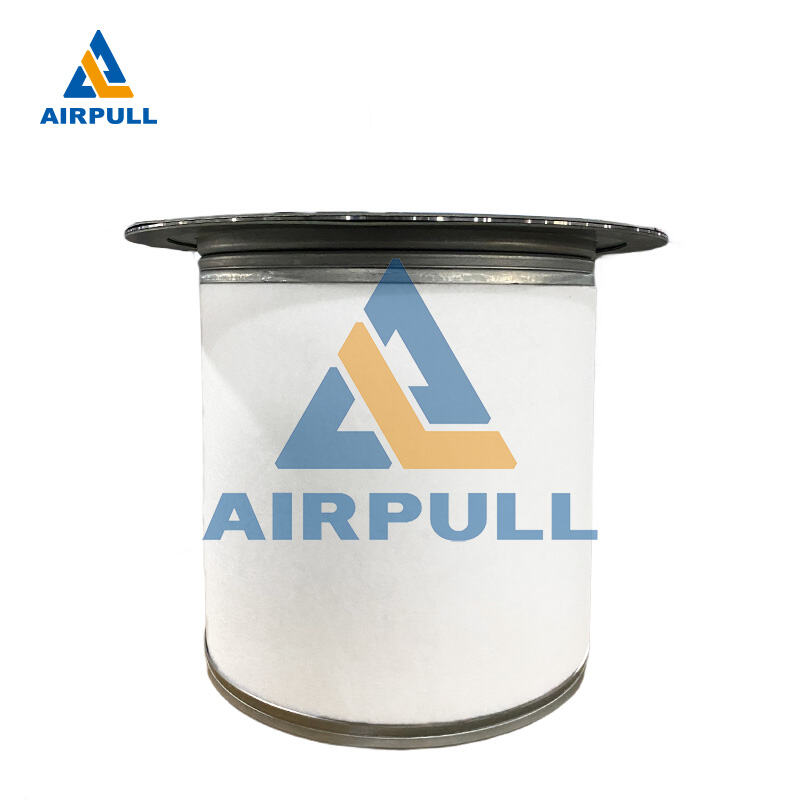
Industrial facilities across manufacturing, construction, and processing industries rely heavily on compressed air systems to power their operations. At the heart of these systems lies the rotary screw compressor, a robust machine that requires specialized maintenance to ensure optimal performance and longevity. Understanding how to reduce operational costs while maintaining equipment reliability becomes crucial for facility managers and maintenance professionals seeking to maximize their return on investment.
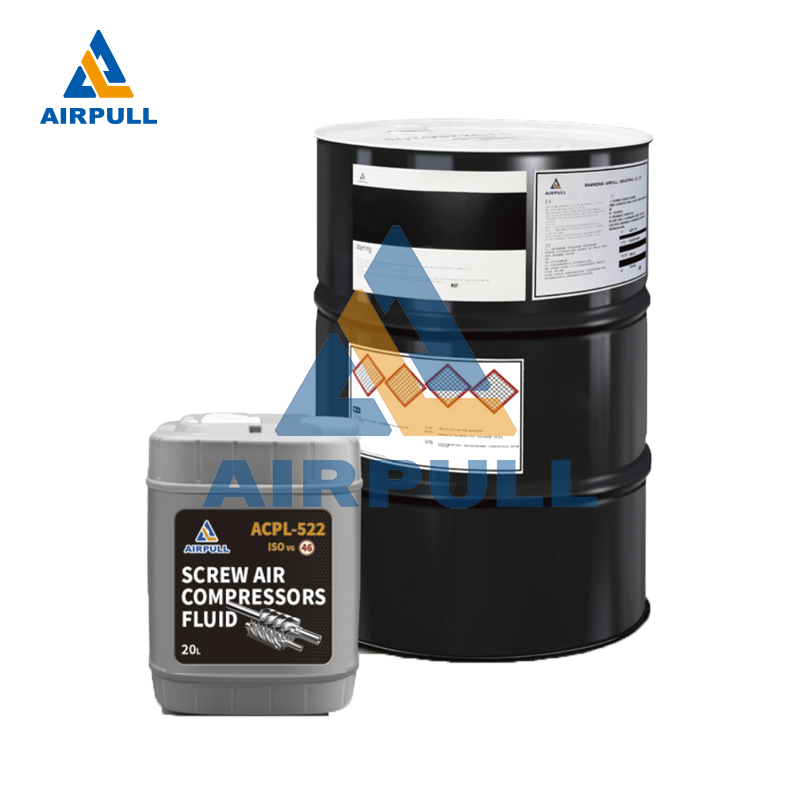
The selection and management of screw compressor lubricating oil represents one of the most significant opportunities for cost savings in compressed air system operations. Quality lubricants not only protect critical internal components but also influence energy consumption, maintenance intervals, and overall system efficiency. By implementing strategic approaches to lubricant selection, procurement, and maintenance practices, facilities can achieve substantial cost reductions while enhancing equipment performance and extending service life.
Understanding Screw Compressor Lubrication Requirements
Essential Properties of Quality Lubricants
Modern rotary screw compressors demand lubricants that can withstand extreme operating conditions while providing consistent protection and performance. The ideal screw compressor lubricating oil must exhibit excellent thermal stability, maintaining its protective properties even under high-temperature conditions that commonly occur during continuous operation. These lubricants must also demonstrate superior oxidation resistance to prevent the formation of harmful deposits and sludge that can compromise system efficiency.
Viscosity characteristics play a crucial role in determining the effectiveness of screw compressor lubricating oil applications. The lubricant must maintain appropriate flow characteristics across varying temperature ranges, ensuring adequate protection during cold starts while preventing excessive thinning during high-temperature operations. Additionally, the lubricant must possess strong anti-wear properties to protect the precision-machined rotor surfaces and bearings from premature wear and scoring.
Impact of Lubricant Quality on System Performance
The quality of screw compressor lubricating oil directly influences multiple aspects of system performance, including energy efficiency, maintenance requirements, and component longevity. High-quality lubricants create effective sealing between rotor surfaces, minimizing internal leakage and improving volumetric efficiency. This enhanced sealing capability translates into reduced energy consumption and improved air delivery capacity, providing immediate operational benefits.
Superior lubricants also contribute to improved heat transfer characteristics within the compressor, helping to maintain optimal operating temperatures and reducing thermal stress on critical components. This thermal management capability extends component life while reducing the frequency of maintenance interventions, ultimately contributing to lower total cost of ownership and improved system reliability.
Cost-Effective Procurement Strategies
Bulk Purchasing and Volume Discounts
Implementing strategic bulk purchasing programs for screw compressor lubricating oil can yield significant cost savings for facilities with multiple compressor systems or high consumption rates. Many suppliers offer tiered pricing structures that provide substantial discounts for larger volume purchases, making bulk procurement an attractive option for cost-conscious operations. However, successful bulk purchasing requires careful consideration of storage requirements, shelf life limitations, and consumption patterns to avoid waste and degradation.
Establishing relationships with multiple suppliers can create competitive pricing opportunities while ensuring supply chain reliability. Some facilities benefit from annual contracts that lock in favorable pricing while providing flexibility for delivery scheduling. These arrangements often include additional services such as used oil collection, technical support, and inventory management assistance that further enhance the value proposition.
Alternative Sourcing and Generic Options
Exploring alternative sourcing options for screw compressor lubricating oil can unlock substantial cost savings without compromising quality or performance. Many independent lubricant manufacturers produce high-quality products that meet or exceed OEM specifications at significantly lower costs than premium branded alternatives. These products often utilize the same base oils and additive packages as major brands while offering more competitive pricing structures.
When considering alternative lubricants, thorough evaluation of product specifications, certifications, and performance data becomes essential. Reputable alternative suppliers provide detailed technical documentation and often offer trial programs that allow facilities to evaluate performance before committing to large-scale adoption. The key lies in identifying suppliers that maintain consistent quality standards while offering meaningful cost advantages over traditional premium brands.
Extending Oil Life and Reducing Consumption
Proper Maintenance and Monitoring Practices
Implementing comprehensive maintenance and monitoring programs significantly extends the service life of screw compressor lubricating oil while reducing overall consumption rates. Regular oil analysis provides valuable insights into lubricant condition, contamination levels, and remaining useful life, enabling facilities to optimize change intervals based on actual condition rather than arbitrary time schedules. This condition-based approach often extends oil life by 25-50% compared to traditional time-based maintenance practices.
Proper filtration systems play a crucial role in maintaining lubricant cleanliness and extending service life. High-quality oil filters remove contaminants that would otherwise accelerate lubricant degradation and component wear. Some facilities invest in additional filtration equipment, such as kidney loop filtration systems, that continuously clean the screw compressor lubricating oil during operation, further extending service intervals and improving system reliability.
Environmental Control and Storage Management
Maintaining optimal storage conditions for screw compressor lubricating oil inventory prevents premature degradation and ensures maximum service life. Proper storage facilities should protect lubricants from temperature extremes, moisture contamination, and exposure to contaminants that can compromise performance. Climate-controlled storage areas with appropriate ventilation help maintain lubricant quality during extended storage periods.
Implementing first-in-first-out inventory rotation practices prevents older stock from deteriorating beyond acceptable limits. Clear labeling and tracking systems help maintenance personnel identify the optimal products for specific applications while ensuring that inventory turnover remains appropriate. These practices minimize waste while ensuring that fresh, high-quality screw compressor lubricating oil is always available for scheduled maintenance activities.
Energy Efficiency and Performance Optimization
Selecting the Right Viscosity Grade
Choosing the appropriate viscosity grade for screw compressor lubricating oil applications directly impacts energy consumption and operational costs. Lower viscosity lubricants typically reduce internal friction and energy consumption, particularly during startup and low-load operations. However, the viscosity must remain adequate to provide proper sealing and protection under all operating conditions, requiring careful balance between energy efficiency and equipment protection.
Modern synthetic and semi-synthetic lubricants often provide superior viscosity index characteristics, maintaining more consistent viscosity across wider temperature ranges. This stability enables the use of lower viscosity grades without sacrificing protection during high-temperature operations, resulting in measurable energy savings. Some facilities report energy consumption reductions of 2-4% when switching from conventional mineral oils to advanced synthetic formulations with optimized viscosity characteristics.
Advanced Additive Technologies
Modern screw compressor lubricating oil formulations incorporate advanced additive packages that enhance performance while potentially reducing overall consumption. Anti-foam additives prevent excessive foam formation that can lead to reduced lubrication effectiveness and increased consumption. Corrosion inhibitors protect system components from moisture and acidic contaminants, extending both lubricant and equipment life.
Thermal stability improvers enable lubricants to withstand higher operating temperatures without degradation, extending service intervals and reducing replacement frequency. Some advanced formulations include friction modifiers that further reduce energy consumption while providing enhanced protection against wear and scoring. These technological advances often justify slightly higher initial costs through improved performance and extended service life.
Implementation and Best Practices
Transitioning to Cost-Effective Solutions
Successfully transitioning to more cost-effective screw compressor lubricating oil solutions requires careful planning and systematic implementation. Begin by thoroughly documenting current lubricant specifications, consumption rates, and associated costs to establish baseline performance metrics. This documentation provides the foundation for evaluating potential alternatives and measuring the success of cost reduction initiatives.
Pilot testing represents a critical step in validating alternative lubricant options before full-scale implementation. Select representative compressor systems for initial trials, ensuring that adequate monitoring and evaluation procedures are in place to assess performance. Document all relevant parameters including energy consumption, operating temperatures, vibration levels, and maintenance requirements during the evaluation period.
Monitoring and Continuous Improvement
Establishing comprehensive monitoring programs ensures that cost reduction initiatives do not compromise equipment reliability or performance. Regular oil analysis, trending of operating parameters, and maintenance record keeping provide early warning of potential issues while validating the effectiveness of implemented changes. This data-driven approach enables continuous refinement of lubricant selection and maintenance practices.
Successful programs often involve cross-functional teams that include maintenance personnel, procurement specialists, and operations staff. Regular review meetings help identify additional opportunities for improvement while ensuring that all stakeholders remain aligned with cost reduction objectives. This collaborative approach maximizes the potential for sustained savings while maintaining operational excellence in screw compressor lubricating oil management practices.
FAQ
How often should screw compressor lubricating oil be changed
The optimal change interval for screw compressor lubricating oil depends on several factors including operating conditions, lubricant quality, and system design. Most manufacturers recommend initial change intervals of 2000-4000 hours for mineral oils and 4000-8000 hours for synthetic lubricants. However, implementing oil analysis programs can often extend these intervals significantly by determining change points based on actual lubricant condition rather than arbitrary time schedules. Regular monitoring enables facilities to optimize change intervals, often achieving 25-50% extensions while maintaining equipment protection.
Can using lower-cost lubricants damage my compressor
Using appropriate lower-cost screw compressor lubricating oil alternatives will not damage equipment when the products meet or exceed OEM specifications and performance requirements. The key lies in thorough evaluation of product specifications, certifications, and compatibility with existing system components. Many independent manufacturers produce high-quality lubricants using similar base oils and additive technologies as premium brands, offering significant cost savings without compromising protection. Always verify that alternative products meet relevant industry standards and manufacturer specifications before implementation.
What are the signs that indicate oil change is needed
Several indicators suggest that screw compressor lubricating oil requires replacement, including darkening color, increased viscosity, elevated acid numbers from oil analysis, and the presence of metal particles or other contaminants. Operating symptoms such as increased energy consumption, higher operating temperatures, unusual noise levels, or reduced air delivery capacity may also indicate lubricant degradation. Regular oil analysis provides the most reliable method for determining change points, enabling condition-based maintenance that optimizes both equipment protection and operational costs.
How can I calculate the total cost savings from optimizing lubricant management
Calculating total cost savings from optimized screw compressor lubricating oil management requires considering multiple factors beyond initial lubricant costs. Include reduced energy consumption from improved efficiency, extended maintenance intervals, decreased downtime, and extended equipment life in your calculations. Track metrics such as cost per operating hour, annual lubricant consumption, maintenance labor requirements, and energy usage before and after implementing changes. Many facilities achieve total cost reductions of 15-30% through comprehensive lubricant optimization programs that address procurement, maintenance practices, and performance monitoring.