EN
EN


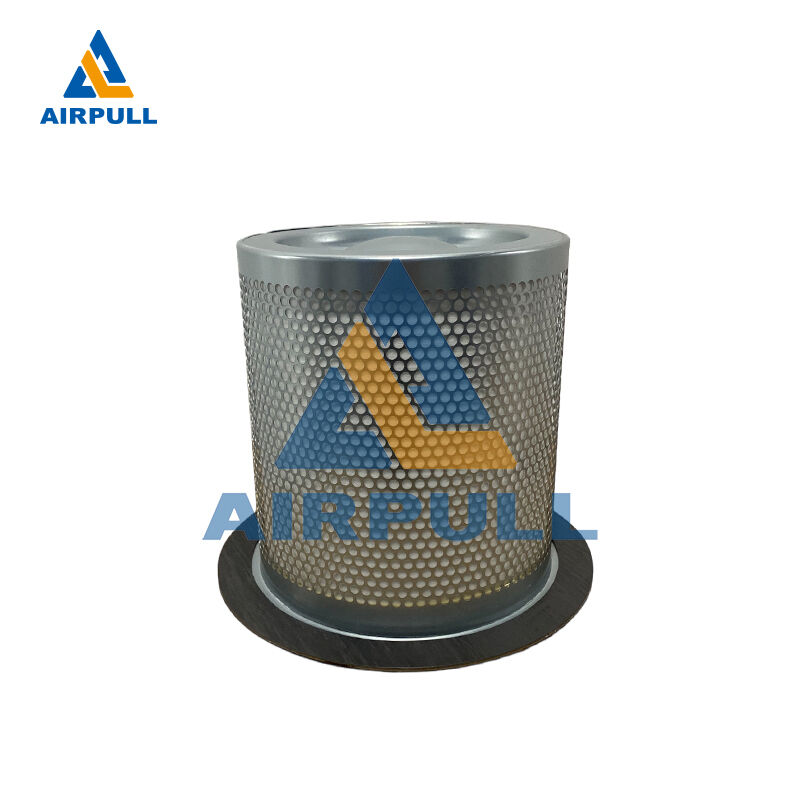
Installing an air oil separator is a critical maintenance procedure that directly impacts the performance and longevity of compressed air systems. This essential component plays a vital role in separating oil from compressed air, ensuring that downstream equipment receives clean, dry air while protecting the compressor's internal mechanisms. Understanding the proper installation process can save significant time, reduce maintenance costs, and prevent costly equipment failures that result from improper separation technology.
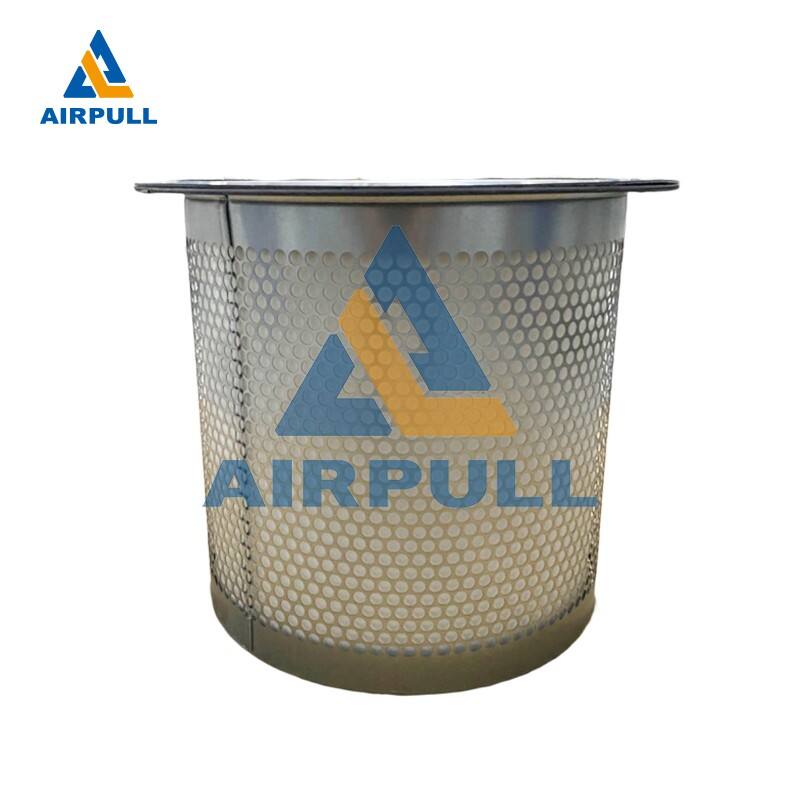
Understanding Air Oil Separator Fundamentals
Core Separation Technology
The air oil separator functions through advanced filtration mechanisms that utilize centrifugal force and specialized filter media to achieve optimal separation efficiency. Modern separator designs incorporate multiple stages of filtration, beginning with coarse separation that removes larger oil droplets through mechanical processes. The secondary stage employs fine filtration media that captures microscopic oil particles, ensuring that the compressed air output maintains exceptional purity levels required for industrial applications.
Industrial air oil separator systems typically achieve separation efficiencies exceeding 99.5%, which translates to oil carryover rates below 3 parts per million in the compressed air output. This level of performance requires precise engineering of the separator housing, filter element design, and internal flow dynamics. The separation process relies on the principle that oil droplets, being heavier than air molecules, can be effectively captured when the air stream encounters properly designed collection surfaces and filtration barriers.
System Integration Requirements
Proper integration of an air oil separator within the compressed air system requires careful consideration of pressure differentials, flow rates, and temperature conditions. The separator must be positioned downstream from the compression chamber but upstream from the air receiver tank to maximize separation efficiency. System designers must account for pressure drop characteristics across the separator element, typically ranging from 2 to 5 PSI under normal operating conditions.
Temperature management plays a crucial role in separator performance, as elevated temperatures can reduce separation efficiency and accelerate filter media degradation. Most air oil separator installations incorporate temperature monitoring systems that provide early warning of potential issues before they impact system performance. The separator housing must be designed to handle thermal expansion and contraction cycles without compromising seal integrity or creating bypass conditions that reduce separation effectiveness.
Pre-Installation Preparation and Safety
Equipment Assessment and Planning
Before beginning any air oil separator installation, conduct a comprehensive assessment of the existing compressed air system to identify potential compatibility issues and performance requirements. This evaluation should include measurement of current flow rates, operating pressures, and temperature conditions to ensure the selected separator meets system specifications. Document the current oil carryover rates and compressed air quality metrics to establish baseline performance indicators for post-installation comparison.
System shutdown procedures must be carefully planned to minimize downtime and ensure worker safety during the installation process. Create a detailed timeline that accounts for system depressurization, component removal, new equipment installation, and system restart procedures. Coordinate with production schedules to identify optimal installation windows that minimize impact on manufacturing operations while allowing sufficient time for proper installation and testing procedures.
Safety Protocols and Personal Protection
Implementing comprehensive safety protocols is essential when working with compressed air systems and oil-contaminated components. All personnel involved in the installation must wear appropriate personal protective equipment, including safety glasses, cut-resistant gloves, and protective clothing that prevents skin contact with lubricating oils. Ensure adequate ventilation in the work area to prevent accumulation of oil vapors that could create health hazards or fire risks.
Lockout/tagout procedures must be strictly followed to prevent accidental system energization during installation activities. Verify that all pressure has been safely released from the system before beginning component removal, and use proper lifting techniques when handling heavy separator assemblies. Establish clear communication protocols among team members to coordinate activities and maintain situational awareness throughout the installation process.
Step-by-Step Installation Process
System Shutdown and Component Removal
Begin the installation process by following established shutdown procedures for the compressed air system, ensuring all safety interlocks are activated and energy sources are properly isolated. Allow sufficient time for system cooldown, as air oil separator components may retain heat from normal operation. Systematically depressurize the system by opening drain valves and bleeding off residual pressure through designated relief points.
Remove the existing separator assembly by carefully disconnecting inlet and outlet connections, taking care to capture any residual oil that may drain from the system. Clean all mating surfaces thoroughly to remove oil residue, dirt, and debris that could compromise seal integrity in the new installation. Inspect existing mounting hardware for signs of wear or corrosion that might affect the security of the new separator assembly.
New Component Installation and Connection
Position the new air oil separator assembly in the designated location, ensuring proper alignment with inlet and outlet connections. Apply thread sealant or install new gaskets according to manufacturer specifications to prevent air leaks that could reduce system efficiency. Tighten all connections to specified torque values using calibrated tools to ensure uniform loading and prevent over-tightening that could damage threaded components.
Install any required instrumentation connections, including pressure taps for differential pressure monitoring and temperature sensors for thermal management systems. Verify that all electrical connections are properly made and that control system interfaces are correctly configured for the new separator assembly. Double-check all connections and mounting hardware before proceeding to system pressurization and testing procedures.
System Testing and Performance Validation
Initial Startup and Leak Detection
After completing the air oil separator installation, begin system startup procedures gradually to identify any potential issues before full operational loading. Slowly pressurize the system while monitoring all connections for signs of air leaks, using soapy water solution or electronic leak detection equipment to identify problem areas. Pay particular attention to threaded connections and gasket interfaces where improper installation could result in bypass conditions.
Monitor system pressure differential across the separator element during initial startup, comparing readings to manufacturer specifications to verify proper installation and element condition. Excessive pressure drop may indicate installation errors, damaged filter media, or contamination that occurred during installation. Record baseline pressure readings for future reference and establish maintenance intervals based on manufacturer recommendations and actual operating conditions.
Performance Monitoring and Optimization
Implement comprehensive performance monitoring protocols to verify that the air oil separator is achieving expected separation efficiency and system performance targets. Collect compressed air samples downstream from the separator to measure oil content and compare results to pre-installation baseline data. Most industrial applications require oil content below 3 ppm to meet downstream equipment requirements and prevent contamination issues.
Establish regular monitoring schedules for key performance indicators, including pressure differential, temperature variations, and oil carryover rates. These metrics provide early warning of potential issues that could affect separator performance or indicate the need for preventive maintenance. Document all performance data to support warranty claims and optimize replacement intervals based on actual operating conditions rather than generic manufacturer recommendations.
Maintenance and Troubleshooting
Routine Maintenance Procedures
Regular maintenance is essential for optimal air oil separator performance and extended service life. Establish scheduled inspection intervals based on operating hours, system load factors, and environmental conditions that affect separator element loading. During routine inspections, monitor pressure differential across the separator element, as increasing values indicate element loading and approaching replacement requirements.
Clean external surfaces regularly to prevent heat buildup and maintain optimal operating temperatures within the separator housing. Check all connections for signs of loosening or corrosion that could affect system performance or create safety hazards. Replace gaskets and seals according to manufacturer recommendations, even if no obvious signs of deterioration are present, as preventive replacement is more cost-effective than emergency repairs.
Common Issues and Solutions
High oil carryover in compressed air output typically indicates separator element saturation, bypass conditions, or improper installation that allows oil-laden air to circumvent the filtration process. Address this issue by verifying proper installation, checking for damaged gaskets or seals, and replacing the separator element if pressure differential exceeds manufacturer specifications. Environmental factors such as excessive ambient temperatures or contaminated input air can accelerate element loading and reduce separation efficiency.
Excessive pressure drop across the air oil separator assembly may result from element clogging, incorrect element selection, or system modifications that increase flow rates beyond design specifications. Investigate upstream contamination sources that could accelerate element loading, and verify that system operating parameters remain within manufacturer specifications. Consider upgrading to higher-capacity separator elements if system demands have increased since the original installation.
FAQ
How often should an air oil separator be replaced
Replacement intervals for air oil separator elements typically range from 2,000 to 8,000 operating hours, depending on system operating conditions, air quality, and maintenance practices. Monitor pressure differential across the separator element, replacing it when differential exceeds manufacturer specifications, usually between 10-15 PSI. Systems operating in dusty environments or with poor upstream filtration may require more frequent replacements.
What causes premature air oil separator failure
Premature air oil separator failure often results from contaminated compressed air, excessive operating temperatures, or improper installation procedures. Poor upstream filtration allows particles to overload the separator element, while high temperatures can degrade filter media and reduce separation efficiency. Incorrect installation, including damaged gaskets or improper sealing, can create bypass conditions that reduce effectiveness and accelerate element deterioration.
Can I install an air oil separator without professional assistance
While experienced maintenance personnel can perform air oil separator installations, proper training and understanding of compressed air systems are essential for safe and effective results. The installation requires knowledge of pressure systems, proper torque specifications, and safety procedures for working with pressurized equipment. Consider professional installation for critical applications or when warranty requirements specify certified installation procedures.
What are the signs of a failing air oil separator
Key indicators of air oil separator failure include increased oil content in compressed air output, excessive pressure drop across the separator element, and visible oil carryover in downstream equipment. System performance degradation, unusual noises from the separator assembly, and elevated operating temperatures can also indicate separator problems. Regular monitoring of these parameters enables early detection and prevents more extensive system damage.