EN
EN



חלקים במדחס ברגים חלקי מדחס ברגים . מתקנים תעשייתיים התלויים באוויר דחוס לצורך פעילות מתמשכת אינם יכולים להרשות עצירת פעולה ממושכת, מה שהופך את היכולת לאבחן בעיות במהירות הן לדרישה טכנית והן לעקרון חיסכון בעלויות. הבנת החלקים הנוטים ביותר לתקלות, כיצד התופעות של התקלות מתגלות, ומהם הפעולות התיקוניות שמרחיבות את הביצועים – מהווה את היסוד של כל תוכנית תחזוקה יעילה.
מדריך אבחון התקלות הזה נועד למפתחי תחזוקה, מנהלי מפעלים ומומחי רכש העוסקים ישירות במערכות מדחסי ברגים סיבוביים. הוא עובר על הסcenarios השגיאות הנפוצות ביותר המקושרות ל- חלקי מדחס ברגים , מסביר את מדדי האבחון שטכנאים צריכים לעקוב אחריהם, ומציג פתרונות מעשיים. בין אם אתם מתמודדים עם אובדן לחץ חריג, חימום יתר, זיהום שמן או רעשים בלתי רגילים – משאב זה יעזור לכם לאתר את הבעיה באופן יעיל ולנקוט בהחלטות מושכלות בנוגע להחלפה.
הבנת התפקיד של חלקים מרכזיים במדחסי ברגים
יחידת האוויר והסיבובן
החלק האוטומטי הוא הלב המכני של כל מדחס ברגים סיבובי, ומכיל את הגלילים הזכרי והנקבי שמדחסים אויר באמצעות תנועת התנגשות רציפה. כאשר הגלילים סובלים מבלאי, הפערים ביניהם גדלים מעבר לדרישות הספציפיקציה, מה שמוביל לנטישה פנימית של אויר ולירידה מדידה בכفاءת הנפחית. זיהוי מוקדם של תופעה זו מונע בזבוז אנרגיה ומונע את התחברות הקטלנית של מערכת הגלילים.
בין כל חלקי מדחס ברגים , החלק האוטומטי הוא בדרך כלל היקר ביותר להחלפה, ולכן בדיקה פרואקטיבית היא קריטית. סימנים לפגם בגלילים כוללים טמפרטורת פליטה גבוהה מהרגיל, ירידה בלחץ הפליטה באותה צריכת הספק, וקריאות רטט שסוטות מהמדידות הבסיסיות. ניתוח רטט מתוכנן ודימות תרמי מספקים נתונים מוקדמים על אזהרה לפני שהנזק הפיזי הופך בלתי הפיך.
תקלה במערכת הלחיצות בתוך הקצה האוירני היא תקלה נפוצה נוספת. הלחיצות תומכות בצירים של הרוטור תחת סיבוב מהיר מתמיד, ותערובת שמן מזוהמת או צמיגות שמן לא נכונה מאיצות את קצב ההתבלות שלהן. יש תמיד להשתמש בדרגת השמן שצוינה ליחידתכם ולהחליף את הלחיצות במרווחי הזמן המומלצים על ידי היצרן כדי להגן על אסמבלי זה החשוב.
שסתום הכניסה ומערכת בקרת הקיבולת
שסתום הכניסה מנהל את זרימת האויר לתא הלחיצה, והוא אחד ה חלקי מדחס ברגים הנפוצים ביותר שמזוהים כגורם לאי יציבות בלחץ ולתקלות בשסתום הפתיחה. שסתום שלא נפתח לחלוטין מפחית את קיבולת המכונה, בעוד ששסתום שלא יכול להיסגר לחלוטין במהלך מחזורי הפעלת השסתום גורם לפעילות היחידה תחת לחץ אחורי מופרז. שתי התופעות מכבידות על מערכת ההנעה ומגבירות את עלויות האנרגיה.
צטירת אבק על מושב השסתם, סדקים בגופי השסתומים ומנועי סולנואיד משומשים הם הסיבות המובילות לתקלה בשסתום הכניסה. טכנאי יכול לאשר תקלה הקשורה לשסתום על ידי מעקב אחר תדירות מחזור העמסה-הפחתת העמסה של המניע. מחזור מהיר באופן חריג — שנקרא לעיתים קרובות 'מחזור קצר' — מצביע על כך ששסתום הכניסה או סולנואיד בקרת היכולת אינם מגיבים כראוי לסגנلات הלחץ מהמערכת הבקרה.
בעת אבחון בעיות בשסתום הכניסה, יש תמיד לבדוק את צינורית קו הבקרה על נקיפות, דליפות וזיהום במים. סגנלת בקרה פגומה תיצור תסמינים הדומים לתקלה בשסתום, גם כאשר גוף השסתום עצמו תקין מכנית. החלפת או ניקוי המסנן המוטען במעגל הבקרה הוא שלב ראשון שמתעלמים ממנו לעיתים קרובות, אך הוא יעיל מאוד.
אבחון תקלות הקשורות לסינון
אלמנט מסנן האוויר
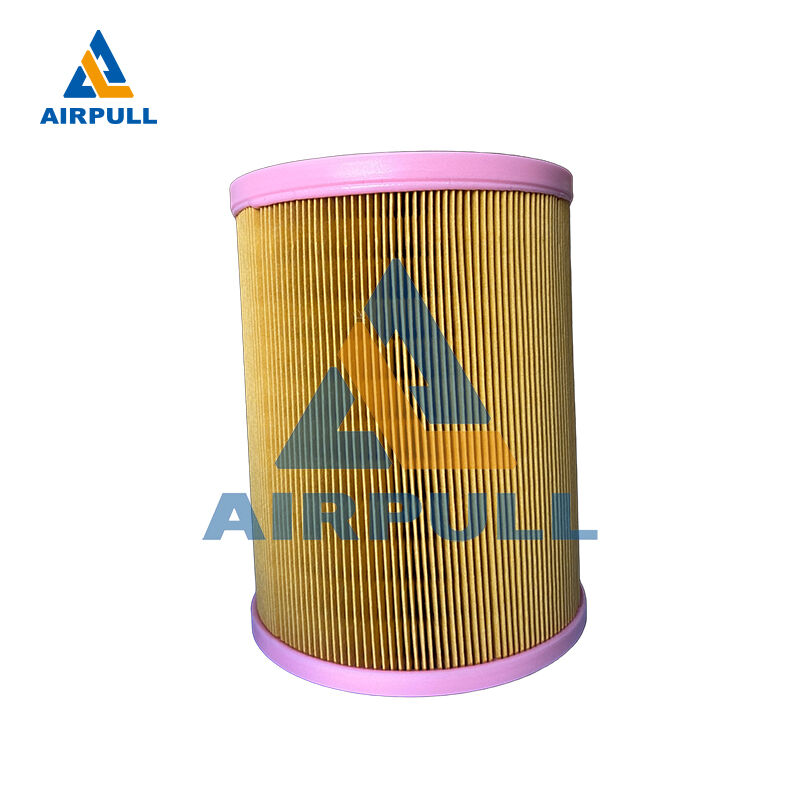
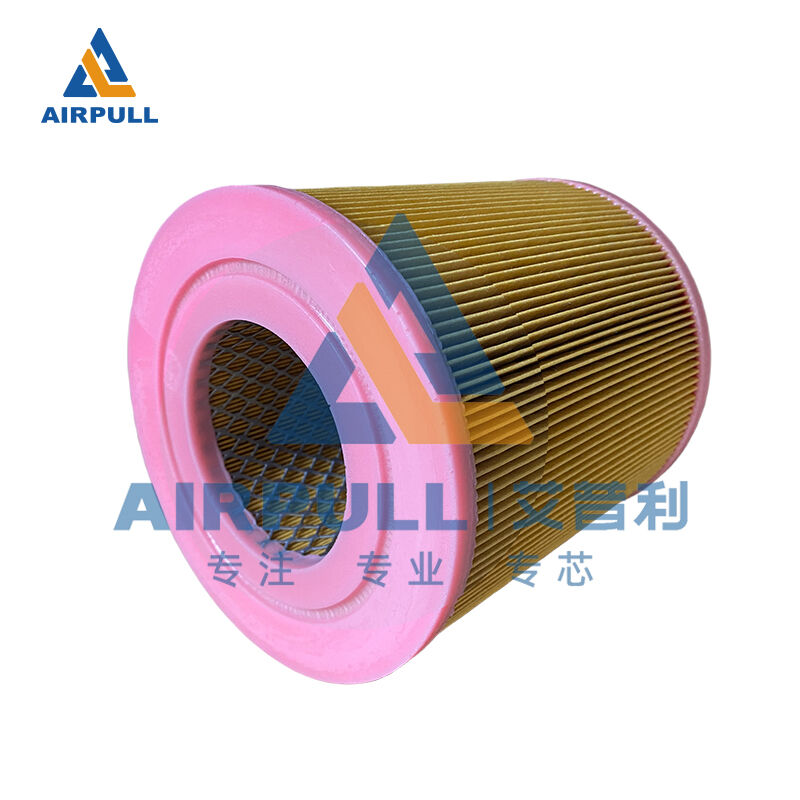
הסינון הוא אחד התחומים החשובים ביותר של חלקי מדחס ברגים התחזוקה, ובכל זאת מתעלמים ממנו באופן רגיל עד שהתסמינים הופכים חדים. אוויר אֵלֶמֶנט סִינְהַר ממוקם בכניסה למערכת הדחיסה ומסיר חומר חלקתי לפני שהאוויר מגיע לרטורים. מסנן סתום או רווי מגדיל את הפרש הלחץ בכניסה, מה שגורם למכווץ לעבוד קשה יותר כדי לספק את אותו נפח פליטה.
כאשר אלמנט המסנן לאויר נהיה מוגבל קיצוני, השלכות על הזרם התחתון מתפשטות דרך מערכות רבות. הרטורים חוו עלייה בפרשי הלחצים, צריכת השמן עולה כשמכווץ מתקשה לשמור על שלמות החתימה, והיעילות הכוללת של המערכת ירדה באופן חד. עבור מתקנים הפועלים בסביבות עפריות או בעלי לחות גבוהה, יש לקצר את פרקי הזמן בין תחזוקות המסנן בהרבה מתחת להמלצות הסטנדרטיות.
החלפת חלקי מדחס ברגים המתארח עם סינון אוויר — ובמיוחד אלמנט מסנן האוויר — הוא התערבות זולה ובעלת השפעה רבה. השימוש באלמנט תחליפי שמתאים לדרישות היצרן המקורי (OEM) מבטיח שהדירוג במיקרונים והשלמות המבנית נשמרים, מה שמגן ישירות על קצה האוויר מפני זיהום חורף. אין לנסות לנקות ולהתקין מחדש אלמנט מסנן חד-פעמי, מאחר שמדיום המסנן שניזוק מאפשר לחלקיקים דקים לעקוף לחלוטין את שלב הסינון.
מסנן השמן ואלמנט המפריד שמן
במכונות דחיסה רוטריות ברגיות עם הזרקת שמן, מסנן השמן ואלמנט המפריד שמן פועלים יחד כדי לשמור על שמן שמנון נקי ולספק אוויר דחוס חפשי משמן למערכת ההורדה. מסנן שמן סגור גורם לחוסר שמן בשעונים ובמשטחי הרוטור, מה שגורם לעליית טמפרטורת השמן, לרעש מוגבר בשעונים, ובמקרים חמורים — לקיבוע הרוטור. לפיכך, מסנן השמן הוא אחד האלמנטים החשובים ביותר מבחינת הבטיחות חלקי מדחס ברגים במכונה כולה.
אלמנט מפריד השמן מסיר טיפות שמן נלכדות מהאוויר הלחוץ לפני שיצא מהמערכת. כאשר אלמנט זה מגיע לסוף תקופת השירות שלו, כמות השמן הנשאף לאוויר הלחוץ גדלה באופן דרמטי. ציוד, כלים ותהליכים הממוקמים במורד הזרימה ושסובלים על אוויר נקי ויבש נפגעים בצורה שלילית. מעקב אחר הפרש הלחץ על פני אלמנט המפריד הוא הדרך האמינה ביותר לקבוע מתי יש להחליפו.
נתוני שירות מראים באופן עקבי שמרחבים שמתחזקים לוחות זמנים קפדניים להחלפת מסנני שמן ומפרידי שמן חווים קצב נמוך בהרבה של סוללות סיבוב, כשלים במערכת השרירים והזנה, וזיהום מערכת השמן. טיפול ברכיבים אלו, שמהווים יצרניות יחסית זולות, כצריכה קריטית ולא כפריטי תחזוקה אופציונליים, משפיע באופן ישיר וחיובי על עלות הבעלות הכוללת של כל מערכת האוויר הלחוץ. חלקי מדחס ברגים כצריכה קריטית ולא כפריטי תחזוקה אופציונליים, משפיע באופן ישיר וחיובי על עלות הבעלות הכוללת של כל מערכת האוויר הלחוץ.
טיפול בתקלות במערכת התרמית והקירור
שסתום תרموסטטי ומקלחת שמן
תקלות בניהול החום אחראיות לחלק משמעותי מהעצירות הלא מתוכננות של המניעים. שסתום התרמוסטט, אשר נקרא לעיתים קרובות גם שסתום מעבר תרמי, מבקר את טמפרטורת השמן על ידי הנחית זרימה בין מקרר השמן למעגל מעבר. כאשר שסתום זה נתקע במצב פתוח, השמן עובר סביב המקרר גם בטמפרטורות פעילות גבוהות, והמניע עוצר בגלל תקלה של טמפרטורה גבוהה. כאשר הוא נתקע במצב סגור, השמן מוקלן מדי וצמיגותו עולה עד כדי כך שאינו מסוגל לזרום בחופשיות במערכת השמנים.
בין חלקי מדחס ברגים הרכיב התרמוסטטי, אשר מעורב ברגולציה התרמית, הוא נקודת היכשלות השכיחה ביותר. הגורם הוויסקוזי הממולא בשעווה בתוך השסתום מתקשה עם הזמן או מזדהם במוצרי פירוק השמן, מה שגורם לריגולציה לא יציבה או לאיבוד רגולציה מלא. החלפת הרכיב התרמוסטטי כחלק מתכנון תקופת שירות השמן — במקום לחכות להיכשלות — היא פרקטיקה מומלצת ומאושרת בתחום תחזוקת המניעים.
מערכת הקירור של השמן עצמה עלולה לאגור שכבת סלע, ורניש שמן ופסולת מהאוויר, אשר מפחיתות בהדרגה את היכולת להעברת חום. ניקוי חיצוני קבוע של יחידות קירור באוויר ושטיפת כימיקלים מחזורית של מקררים המונעים במים מונעת הצטברות הדרגתית שגורמת לתנאי חום יתר כרוניים. בדיקת המקרר בכל פעם שנרשמת תקלה של טמפרטורה גבוהה תגלה במהרה האם המקרר או שסתום התרמוסטט הוא המקור העיקרי לבעיה.
מצב מפזרת הקירור וחגורת הפעלה
עבור מדחסי ברגים מוקרים באוויר, מפזרת הקירור והמנגנון שלה להפעלה הם חיוניים חלקי מדחס ברגים אשר לעתים קרובות מתעלמים מהם במהלך תחזוקה רוטינית. חגורת מפזרת משולשת או שסופה פוגעת בזרימת האוויר דרך מקרר השמן ומקרר המשנה, מה שגורם לעליית טמפרטורת הפליטה גם כאשר המדחס פועל בתנאי עומס מתונים. בדיקת מתח החגורה והמצב הפנים שלה בכל מועד תחזוקה מונעת עצירות תרמיות בלתי צפויות.
נזק ללהבי המפזר — כתוצאה מהתנגשות עם עצם זר או מכך שלחומר — יוצר רטט ומקטין את יעילות הקירור. מאחר שקבוצת המפזר נמצאת לעיתים קרובות בתוך כיסוי המכונה, הנזק עלול לא להיות נראה מיד בבדיקה חיצונית. טכנאים חייבים לכלול תמיד בדיקת להבים של המפזר בעת חקירת עלייה בטמפרטורה ללא הסבר ברור, במיוחד במדחסים הפועלים בסביבות שבהן רמות הגרגרים באוויר גבוהות.
אבחון רעשים ורטט מכניים
זיהוי תקלות במערכת השעבולים והצמדים
רעש מכני בלתי רגיל הוא אחד המצביעים הישירים ביותר לכך ש חלקי מדחס ברגים דורשים טיפול מיידי. תקלות בשעבולים יוצרים בדרך כלל צווחה או רעש דהוי בתדר גבוה המאופיינים, אשר גודלם עולה עם מהירות ההפעלה. שימוש באוזניות אבחון (סטטוסקופ) או במנתח רטט כדי לבודד את מקור הרעש מאפשר לטכנאים להבדיל בין שעבולי קצה האוויר, שעבולי המנוע ורכיבי תיבת הילוכים — מבלי להפריד את המכונה.
המחבר הגמיש בין המנוע לקצה האווירי בולע מכה סיבובית וסידור לא מושלם קל. כאשר אלמנט המחבר מתדרדר — בין אם בגלל עייפות גומי, התקפה כימית כתוצאה מזהם שמן או עומס פיזי יתר — רמות הרטט הן עולות הן במנוע והן בקצה האווירי. בדיקת המחבר היא הליך פשוט שאמור לכלול בכל תקופת שירות עיקרית עבור מתקנים דחיסה בעלי הנעה ישירה ללא חגורה.
תיעוד חתימות רטט בסיסיות בעת ההפעלה הראשונית מספק את נתוני ההפניה הדרושים לזיהוי מגמות התדרדרות לאורך זמן. קריאת רטט שסטתה ב-20 עד 30 אחוז מעל הערך הבסיסי מהווה אות אמין לכך שאחד או יותר חלקי מדחס ברגים במערכת ההנעה דורשים בדיקה לפני שהתקלה תתפתח לאי-תפקוד מלא. גישה זו לחזון תחזוקתי מפחיתה באופן עקבי את עצירת התפעול הלא מתוכננת ומביאה להפחתת עלויות התיקון הכוללות.
השתנות הלחץ ותפקוד החתימה
חותמות הציר הן מבין חלקי מדחס ברגים הסיבתיות המרבית לזיהום שמן של מערכת האוויר הלחוץ ולדליפות שמן חיצוניות. ככל שהחוגרות מזדקנות, שפתי החיגור מתקרשות ואובדות את יכולתן להתאים את עצמן למשטח вал הסיבוב, מה שמאפשר לשמן לנוע לאורך הציר ולחדור לתוך זרם האוויר הלחוץ או לזרום החוצה אל מסגרת המכונה. סימנים מוקדמים של שחיקה בחוגרה נראים לעיתים קרובות כתם שמן סביב גוף הציר או עלייה בשיעור השמן הנישא באוויר הלחוץ במבחני איכות אוויר לחוץ.
תנודת הלחץ — תנודה ריתמית בלחץ הפליטה — יכולה גם לרמז על פגיעה פנימית בחוגרות בקצה האווירי. כאשר הפערים הפנימיים גדלים עקב שחיקת החוגרות, האוויר חוזר למחזור מהצד בעל הלחץ הגבוה לצד בעל הלחץ הנמוך של פרופיל הרוטור, ויוצר גל לחץ מדיד. מצב זה מפחית את זרם הפליטה, מגביר את צריכת הכוח הספציפית ומאיץ את השחיקה ה נוספת של המשטחים הנפגעים.
החלפת אטמי ציר דורשת בדיקה מדוקדקת של פני השטח של הציר כדי לוודא שמשטח האיטום לא נחרץ או נפגע עקב זיהום שוחק. התקנת אטם חדש על משטח ציר פגום תגרום לכשל מיידי של האטם. אם מתגלה בלאי של הציר במהלך הבדיקה, יש לטפל בשורש הבעיה - בדרך כלל שמן מזוהם או סינון שמן כושל - במקביל לתיקון המכני כדי למנוע הישנות.
בניית אסטרטגיה להחלפה מונעת של חלקים לקומפרסור ברגה
תכנון פרקי שירות וניהול מלאי חלקים
תוכנית תחזוקה מונעת מאורגנת היטב מתייחסת חלקי מדחס ברגים החלפה כהשקעה מתוכננת במקום כהוצאה ריאקטיבית. קבוצת רכיבים קשורים לקבוצות שירות — לדוגמה, שילוב של אלמנטי מסננים לאויר, אלמנטי מסננים לשמן ואלمنטי מפרידים לשירות במרווח זמן קבוע — מקטינה את זמן העבודה ומבטיחה שלא יישארו פריטי בלאי שלא נבדקו במהלך עצירת תכנון. גישה זו היא נהירה סטנדרטית במתקנים שממדדים ומנהלים את עלויות מחזור החיים הכולל של מערכת אויר דחוס.
תחזוקת מלאי מבוקר של פריטים בעלי הסיבוב הגבוה חלקי מדחס ברגים ברמת המתקן מאפסת את עיכובים בזמן ההמתנה שגורמים להארכת זמן העצירה כאשר מתרחשת תקלה בלתי מתוכננת. חלקים כגון אלמנטי מסננים, חגורה, אטמים לציר ואלמנטי שסתום תרמוסטטי יש להם תקופת חיים מוגדרת וקצב צריכה צפוי. אחסון רכיבים אלו ברמה המקומית בהתאם לגודל הרכבת המכונות ומספר שעות הפעלה הוא החלטת לוגיסטיקה פשוטה שנותנת הגנה משמעותית מפני הפרעות ארוכות בייצור.
צוותי הקנייה צריכים להבטיח שהחלפות חלקי מדחס ברגים מתקיים עם דרישות הציוד המקורי בממדים, חומר ודירוג ביצועים. השימוש בחלקי חילוף נחותים כדי למזער את עלות הרכישה מוביל לעיתים קרובות לקיצור תקופת השירות, לבלאי מאיץ של רכיבים סמוכים ולפיטור האפשרי של האחריות. ההפרש בעלויות בין חלקים המקיימים את הדרישות לבין אלו שאינם עומדים בהן קטן כמעט תמיד מהעלויות הנגרמות вследствие הנזקים המשניים שחלקים נחותים עלולים לגרום.
שימוש בנתוני היסטוריית התקלות כדי לקבוע עדיפות להחלפה
מערכות הבקרה המודרניות של המניעים יוצרות יומן של קודים של תקלות, שעות פעילות, קריאות טמפרטורה ונתוני לחץ, אשר יוצרים מסד נתונים אבחנתי עשיר כאשר מנתחים אותם באופן שיטתי. בדיקת היסטוריית התקלות לפני כל תקופת שירות מתוכננת חושפת אילו חלקי מדחס ברגים הוטרדו מעבר לפרמטרי הפעולה הרגילים וצריך לתת להם עדיפות לבדיקה או להחלפה גם אם הם עדיין לא הגיעו לתקופת השירות הנקבעת.
במערכות אוויר דחוס מרובה יחידות, השוואת תדירות התקלות וצריכת חלפים בין מכונות זהות הפועלות בתנאים שונים עוזרת לצוותי התיקון לזהות האם דפוס תקלות חוזר נגרם בעיה באיכות הרכיב, גורם סביבתי כגון איכות אוויר קליטה נמוכה, או פרקטיקה تشغילית כגון הפעלת המניע באופן קבוע מעל מחזור העבודה המרומז שלו. ניתוח השוואתי זה מוסיף דיוק להחלטות ההחלפה ומפחית הוצאות מיותרות על חלפים.
בסופו של דבר, הגישה היעילה ביותר לניהול חלקי מדחס ברגים משלב תחליפים מונענים מתוכננים, ניטור מבוסס מצב וניתוח שגיאות שיטתי. מתקנים שמدمגים את שלושת התחומים הללו באופן עקבי משיגים זמנים ארוכים יותר של פעילות (uptime), עלות תחזוקה כוללת נמוכה יותר ותקופת חיים ארוכה יותר של המניעים מאשר מתקנים שמתבססים על גישה אחת בלבד מתוך השלוש. ההשקעה בכלים אבחנתיים ובמשמעת פרוצדורלית ליישום האסטרטגיה המשולבת הזו היא אחת מההחלטות ברווחיותות הגבוהה ביותר הזמינות לארגונים תעשייתיים האחראים על תחזוקה.
שאלה נפוצה
באיזו תדירות יש להחליף את אלמנטי מסנן האוויר במנוע ברגים?
המרווחים הסטנדרטיים להחלפת אלמנטים של מסננים אוויר במדחסי ברגים נקבעים בדרך כלל בין 2,000 ל־4,000 שעות פעילות, אך מרווחים אלו חייבים לקוצר באופן משמעותי בסביבות עם רמות אבק גבוהות, לחות גבוהה או מזהמים כימיים. מעקב אחר הלחץ הדיפרנציאלי על פני אלמנט המסנן מהווה את המנגנון המדויק ביותר לקביעת זמן ההחלפה, מאחר שירידת הלחץ מעבר לגבול שצוין על ידי היצרן מצביעה על כך שהמסנן מגביל את זרימת האוויר, ללא תלות במספר השעות שצברו.
מה גורם למדחס ברגים להתעכל לעיתים תכופות?
חימום יתר תכוף בקומפרסורים חלזוניות נגרם לרוב על ידי שסתום תרמוסטטי פגום או דביק שמונע מהשמן לזרום דרך המאקר, מאקר שמן מזוהם או סגור עם קיבולת העברת חום מצומצמת, רמה נמוכה של שמן שמביאה לחוסר מסה תרמית מספקת, או חגורה שבורת מפזרן באיחור ביחידות מוקררות באוויר. בדיקת חלקים אלו של הקומפרסור החלזוני לפי הסדר תזהה את התקלה ברוב המקרים של חימום יתר.
האם חלקים משופשים של קומפרסור חלזוני יכולים לגרום לזיהום שמן באספקת האוויר הלחוץ?
כן, חלקים משופשים או פגומים של קומפרסור חלזוני הם מקור עיקרי לזיהום שמן במערכות אוויר לחוץ. אלמנט מפריד שמן רווי או פגום מאפשר לטיפות שמן לעבור לאוויר הנבער. אטמים משופשים של הציר מאפשרים לשמן לחדור לתוך זרם האוויר מהביתון של השעונים. בשני המקרים, יש לטפל בסיבה העמוקה באמצעות החלפת חלקים מתאימים, ולא רק לטפל בתסמינים של הזיהום בחלק התחתון של המערכת.
איך אפשר לקבוע האם תקלה במדחס נגרמה על ידי חלק פגום או על ידי בעיה בתפעול?
הבחנה בין כשל רכיב לבין תקלה בתפעול דורשת בחינה של היסטוריית קוד הטעות וכן תנאי התפעול של המדחס בזמן התרחשות התקלה. אם תקלות מופיעות באופן עקבי בטמפרטורות סביבתיות גבוהות או לאחר פעילות ממושכת בעומס גבוה, הסיבה עשויה להיות תפעולית ולא בשל כשל בחלק. עם זאת, אם תקלות מופיעות בתנאים נורמליים או בתדירות הולכת וגדלה עם הזמן, זה מצביע חזק על כך שחלק אחד או יותר במדחס סלילי נדבש ודורש בדיקה או החלפה. נתוני רטט, מגמות טמפרטורה ויומנים של הפרשי לחץ – כל אלה עוזרים לקבוע את הסיבה בצורה מדויקת.