 ×
×

Persistence forges expertise, and expertise drives focus. To precisely address the industry pain point of oversized or undersized air compressor selection, we conducted in-depth research on compressors across brands, identifying three core prerequisi...
Contact Us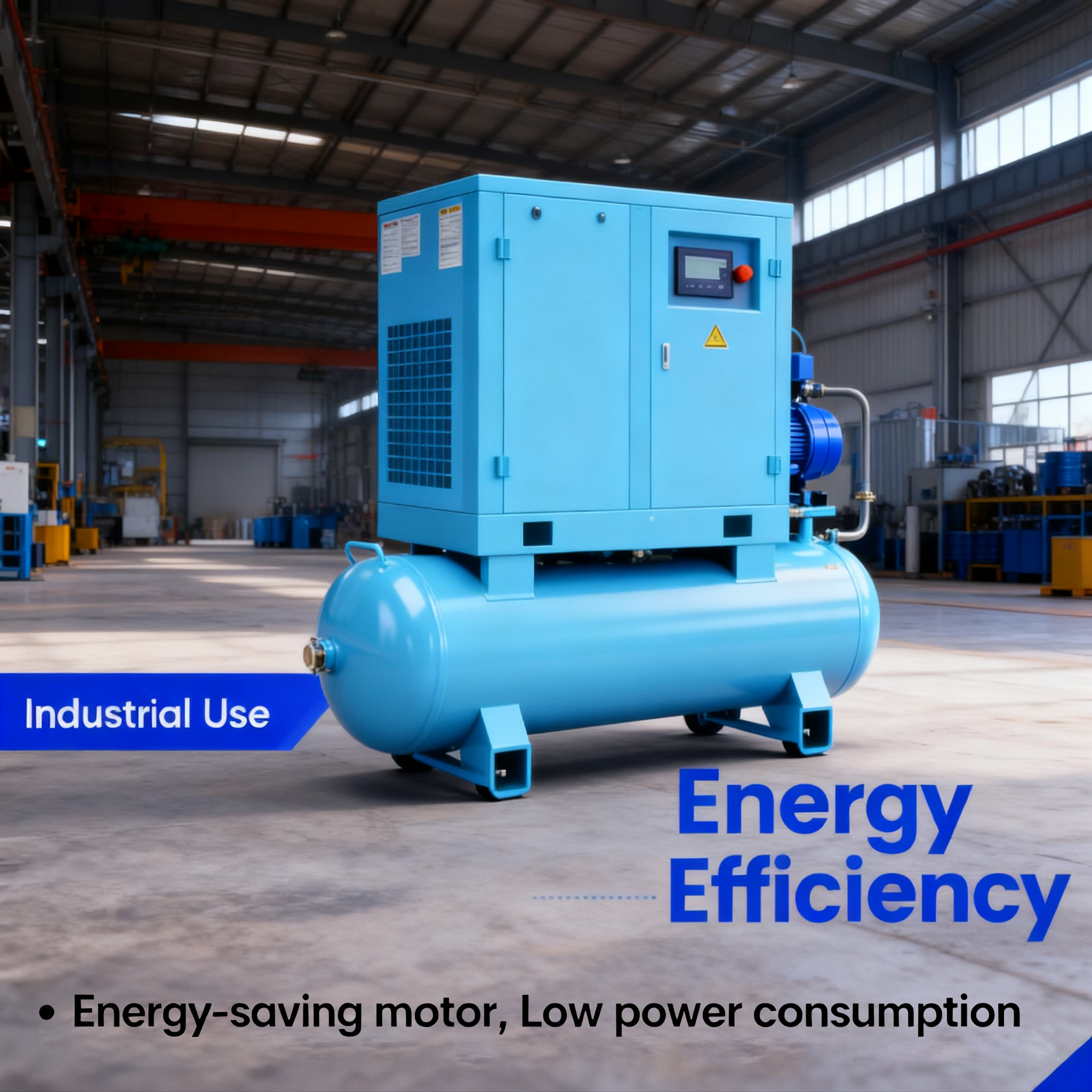
Persistence forges expertise, and expertise drives focus. To precisely address the industry pain point of oversized or undersized air compressor selection, we conducted in-depth research on compressors across brands, identifying three core prerequisites for accurate sizing:
a. Precisely determine the end-use pressure range
First, clearly define the minimum and maximum pressure requirements of the end-use equipment. Use this as the basis to calculate the actual delivery pressure needed on-site. Considering that pressure loss and leakage during gas transportation are difficult to completely avoid, a reasonable margin must be factored in during the pressure calculation stage. This prevents equipment operational issues caused by insufficient pressure from the outset.
b. Accurately assess actual air consumption
The number of end-use devices and the maximum air consumption per device are critical selection criteria. Currently, some manufacturers adopt a vague “good enough” approach, relying on past configurations while ignoring actual needs. Simultaneously, some sales personnel prioritize quick deals by forcing existing models onto projects. These factors collectively contribute to the core causes of imprecise selection.
c. Holistically evaluate cost-effectiveness and energy efficiency
Beyond pressure and flow matching, focus must extend to three dimensions: comprehensive energy efficiency, actual gas volume, and output pressure. Professional calculations should determine the optimal cost-performance solution. This approach enables enterprises to achieve energy savings and reduced operating costs during the selection phase, ultimately enhancing operational vitality and delivering greater value returns for both teams and individuals.

XINXIANG AIRPULL FILTER CO.,LTD provides high-efficiency air compressor filters, oil-gas separators, and industrial filtration systems. With 30+ years of expertise and 33 patents, we deliver reliable solutions for power, petroleum, and chemical industries. Global shipping to 50+ countries.
National Chemical and Physical Power Supply Industrial Park, Newqi Street, Muoye District, Xinxiang City, Henan Province
Copyright © 2026 XINXIANG AIRPULL FILTER CO.,LTD All rights reserved Privacy Policy

 EN
EN

