EN
EN



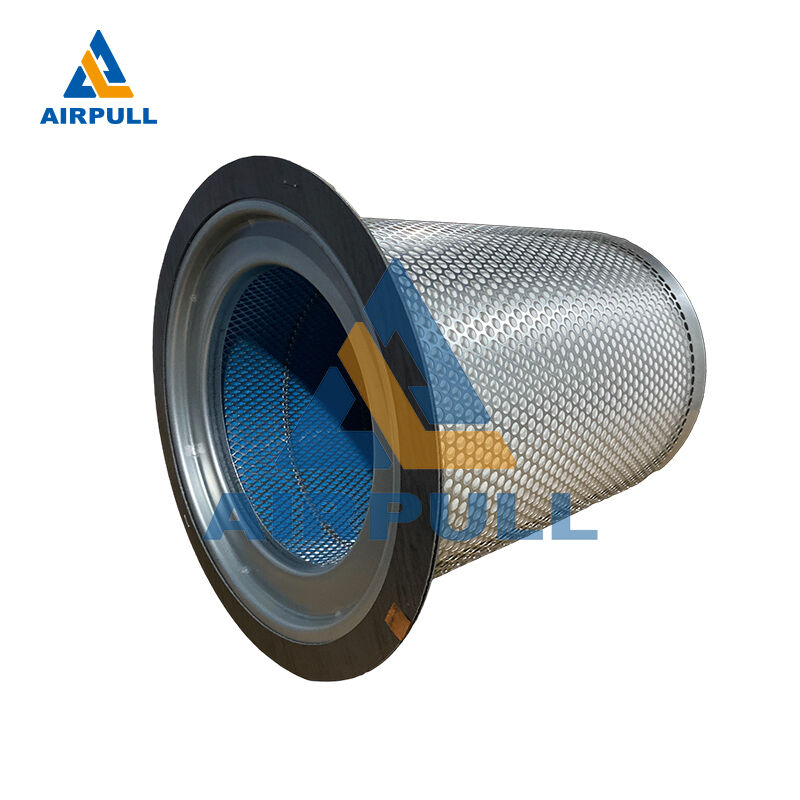
Testing a high efficiency air oil separator filter is one of the most critical maintenance procedures in any compressed air system. Whether you are managing an industrial facility, a manufacturing plant, or a workshop environment, understanding how to properly evaluate the performance and condition of your high efficiency air oil separator filter can mean the difference between a well-functioning system and costly downtime. Many operators replace filters on a fixed schedule without truly knowing whether the element has failed or still has useful service life remaining, which leads to either premature replacement or — more dangerously — operating with a degraded filter.
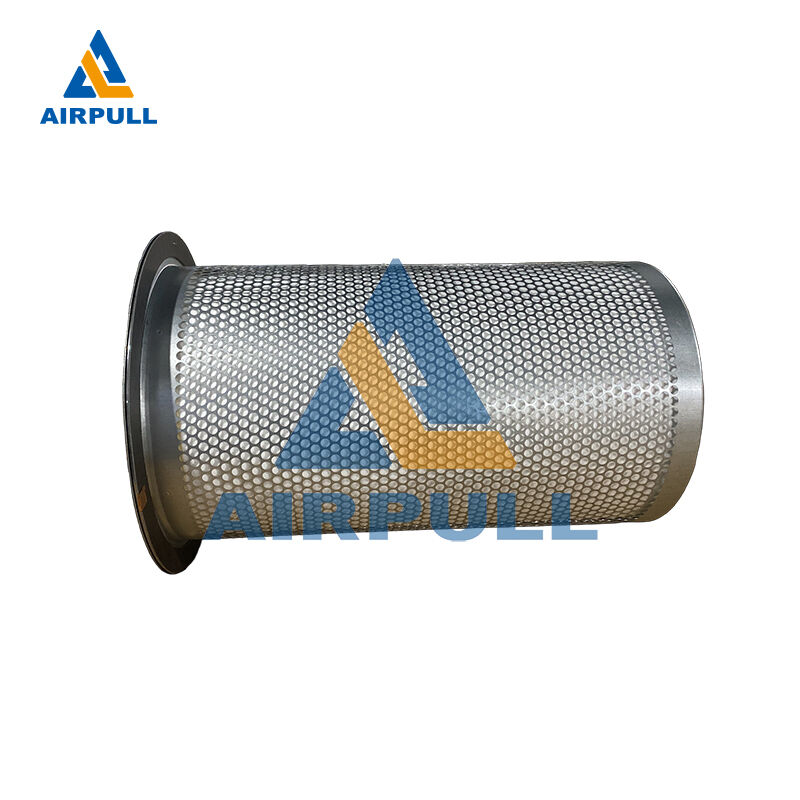
A structured testing approach gives maintenance engineers the insight they need to make data-driven decisions. When you know how to assess differential pressure, oil carryover rates, and physical integrity, you can extend filter life intelligently while maintaining the air quality your equipment demands. This guide walks through the complete testing methodology for a high efficiency air oil separator filter, covering the tools you need, the measurements that matter, and the warning signs that indicate immediate replacement is necessary.
Understanding What a High Efficiency Air Oil Separator Filter Does
Core Separation Mechanism
Before testing can be meaningful, it is important to understand the role of the high efficiency air oil separator filter within a screw compressor system. When compressed air exits the compression stage, it carries a significant quantity of oil mist, droplets, and aerosols. The separator filter element captures these oil particles through a combination of impaction, interception, and coalescence. Fine glass fiber media allows the oil to coalesce into larger droplets, which then drain back into the oil sump by gravity.
The efficiency of this process is what defines the quality standard of the filter. A properly functioning high efficiency air oil separator filter will reduce the residual oil content in compressed air to as low as 1–3 ppm under normal operating conditions. This level of separation is essential for protecting downstream equipment, ensuring product quality in sensitive manufacturing processes, and meeting environmental regulations regarding air quality. When this efficiency drops, every connected process suffers.
Understanding how the element works also explains why certain test parameters are so revealing. Elevated oil carryover, increased differential pressure, and physical damage are all direct reflections of how well the internal media structure is performing its coalescence function. Each of these indicators can be measured and evaluated with the right approach.
Common Causes of Filter Performance Degradation
A high efficiency air oil separator filter can degrade in several ways over its service life. The most common cause is progressive media saturation, where accumulated particulates and oxidized oil residues clog the fiber matrix and restrict airflow. This manifests as an increase in differential pressure across the element. In parallel, if the drain hole or return line at the bottom of the separator element becomes blocked, coalesced oil cannot return to the sump and instead gets carried through with the compressed air output.
Another degradation pathway involves mechanical damage to the media, such as collapse under excessive pressure differential or delamination of the outer shell. Operating a compressor with contaminated oil, or using oil that is incompatible with the filter media, can accelerate chemical breakdown of the fibers. These scenarios highlight why periodic testing — rather than relying solely on calendar-based replacement — is the professional approach to managing a high efficiency air oil separator filter in service.
Essential Tools and Instruments for Testing
Differential Pressure Measurement Equipment
The most fundamental test for any high efficiency air oil separator filter is measuring the differential pressure (delta-P) across the element. This requires a differential pressure gauge or a digital manometer capable of reading the pressure on both the inlet and outlet sides of the separator housing simultaneously. Most compressor manufacturers install pressure taps or gauge ports on the separator vessel for this purpose. If these are not present, portable differential pressure sensors can be temporarily installed with appropriate fittings.
A new high efficiency air oil separator filter typically presents a very low differential pressure — often in the range of 0.1 to 0.3 bar at rated flow. As the element loads with contaminants, this figure rises. The critical threshold for replacement is generally 1.0 bar differential pressure, though this varies by manufacturer and application. Logging the differential pressure at the same operating conditions over time creates a trend line that allows you to predict when replacement will be needed, making your maintenance scheduling much more accurate.
Digital differential pressure gauges are preferable because they provide higher accuracy and can be connected to data logging systems. For critical industrial applications, a continuous monitoring system with alarm outputs can notify operators automatically when the separator element reaches its replacement threshold, removing the risk of human oversight.
Oil Carryover Measurement Methods
Measuring oil carryover in the compressed air stream is the most direct way to assess the separation efficiency of a high efficiency air oil separator filter. The standard method involves collecting a sample of compressed air downstream of the separator and analyzing its oil content. Gravimetric testing, where air is drawn through a pre-weighed filter paper at a known flow rate, allows calculation of oil content in mg/m³ or ppm.
Portable oil concentration meters are also available and provide near-real-time readings of residual oil in compressed air. These instruments use optical or photoionization detection to measure hydrocarbon concentrations. For a functioning high efficiency air oil separator filter, oil carryover should remain below 3 ppm. Readings consistently above 5 ppm are a strong indication that the separator element is underperforming and requires investigation or replacement.
It is important to collect oil carryover measurements under stable operating conditions — steady load, normal operating temperature, and rated flow. Measurements taken during startup or during load transitions are not representative of true separator performance and can give misleadingly high readings. Always allow the compressor to reach thermal equilibrium before sampling.
Step-by-Step Testing Procedure
Pre-Test Preparation and Safety Checks
Before conducting any test on a high efficiency air oil separator filter, it is essential to complete a proper pre-test preparation sequence. Begin by consulting the compressor's service manual to identify the pressure tap locations, rated differential pressure thresholds, and any specific safety precautions applicable to your unit. Ensure that all test instruments are calibrated and within their specified accuracy range. Personal protective equipment including safety glasses and gloves should be worn throughout.
With the compressor running at its normal operating load, allow a stabilization period of at least fifteen to twenty minutes to ensure that oil temperature and system pressure have reached steady-state conditions. Record the ambient temperature, discharge pressure, and compressor load percentage at the start of the test, as these variables affect the separator's operating conditions and should be consistent across periodic tests to enable valid comparisons over time.
Inspect the exterior of the separator housing for any signs of oil leakage, unusual vibration, or audible changes in airflow. While these observations are not substitutes for instrument-based testing, they can alert you to severe issues that require immediate attention before any instruments are connected. Any significant oil leak from the separator housing suggests a seal or gasket failure that needs to be addressed alongside the filter element.
Conducting the Differential Pressure Test
Connect your differential pressure gauge to the inlet and outlet pressure taps on the separator vessel. Allow the reading to stabilize for approximately two to three minutes before recording the value. This is your current differential pressure for the high efficiency air oil separator filter under active service conditions. Compare this reading against the original baseline measurement taken when the element was new, and against the manufacturer's maximum allowable differential pressure specification.
A rising trend in differential pressure over successive tests indicates normal filter loading. A sudden sharp increase between test intervals may indicate contamination ingress, oil degradation, or a partial blockage of the filter media. Conversely, if the differential pressure unexpectedly drops to near zero on a heavily loaded element, this is a warning sign of possible media collapse — the filter may have torn, allowing air to bypass the media entirely. In this scenario, oil carryover will be extremely high even though differential pressure appears low.
Document each differential pressure reading in a maintenance log with the corresponding date, operating hours, compressor load, and oil temperature. This historical record is invaluable for understanding the lifecycle of each high efficiency air oil separator filter installed in your system and for identifying patterns that may indicate upstream system issues such as oil degradation or air-oil cooler fouling.
Performing the Oil Carryover and Visual Inspection
Following the differential pressure test, proceed to the oil carryover measurement. Attach your oil concentration meter or gravimetric sampling kit to the compressed air outlet line downstream of the separator, following the instrument manufacturer's instructions for connection and sampling duration. Record the oil concentration reading and compare it to the acceptable limit for your application. For a high efficiency air oil separator filter in good condition, this value should be consistently low.
If oil carryover is found to be elevated despite a normal differential pressure reading, the most likely causes are a blocked oil return line, a damaged scavenge tube, or media delamination. Inspect the oil return line — the small-bore tube that runs from the bottom of the separator element back to the compressor sump — for blockages. This line is critical for allowing coalesced oil to drain away from the separator, and a simple restriction here can cause significant oil carryover even in an otherwise intact filter element.
When the element is removed for periodic inspection, conduct a visual examination of the filter media exterior. Look for discoloration, deformation, surface deposits of varnish or sludge, and any signs of physical damage to the end caps or sealing surfaces. A healthy high efficiency air oil separator filter should have a clean, intact outer wrap and firm, undistorted end caps. Dark varnish deposits or friable media indicate that oil has degraded and is attacking the filter material, pointing to an oil quality issue that must be addressed in parallel with filter replacement.
Interpreting Test Results and Making Replacement Decisions
Reading the Data Accurately
Test results for a high efficiency air oil separator filter must always be interpreted in context. A single high differential pressure reading during an unusual operating condition — such as an extremely cold startup or a brief surge in demand — does not necessarily indicate filter failure. However, a consistently elevated differential pressure across multiple test sessions under normal conditions is a reliable indicator that the filter element has reached the end of its useful service life and should be replaced promptly.
The combination of differential pressure data and oil carryover data provides the most complete picture of filter health. A filter showing both high differential pressure and high oil carryover is definitively spent. A filter showing high differential pressure but acceptable oil carryover may still be separating effectively but is creating efficiency losses and additional compressor energy consumption. A filter showing normal differential pressure but high oil carryover points to a mechanical issue — drain line blockage, scavenge orifice obstruction, or media damage — that requires targeted repair rather than simple element replacement.
Establishing clear numerical thresholds specific to your compressor model and operating environment is the foundation of a reliable testing program. Over time, the trend data you collect will allow you to schedule high efficiency air oil separator filter replacements with precision, avoiding both premature changes that waste serviceable elements and delayed changes that risk downstream contamination and compressor damage.
When Immediate Replacement Is Non-Negotiable
Certain test results or observations require immediate replacement of the high efficiency air oil separator filter regardless of elapsed operating hours or scheduled maintenance intervals. These include: differential pressure exceeding the manufacturer's maximum rating, oil carryover consistently above 10 ppm, visible media collapse detected through a sudden unexplained drop in differential pressure accompanied by high oil output, and physical evidence of end cap separation or housing seal failure observed during visual inspection.
Operating a compressor with a failed high efficiency air oil separator filter is never acceptable from either an equipment protection or an air quality standpoint. Downstream equipment — including pneumatic tools, actuators, air dryers, and process instruments — can be severely damaged by oil contamination. In food, pharmaceutical, or electronics manufacturing environments, such contamination events can result in product recalls, regulatory non-compliance, and significant financial liability. The cost of timely filter replacement is always far lower than the cost of downstream contamination damage.
Best Practices for an Ongoing Testing Program
Establishing a Baseline and Testing Frequency
An effective testing program begins on the day a new high efficiency air oil separator filter is installed. Record the initial differential pressure, oil carryover reading, and all relevant operating conditions at the time of installation. This baseline gives you a reference point against which all future measurements will be compared. Without a baseline, it is impossible to determine whether a current reading represents a significant deviation or is simply within the normal variation range for your system.
For most industrial compressors operating on a standard duty cycle, monthly differential pressure checks are a reasonable minimum testing frequency. In demanding applications — continuous duty, high ambient temperatures, or environments with elevated airborne contaminants — bi-weekly checks are more appropriate. Oil carryover measurements are typically performed quarterly or whenever differential pressure readings suggest the filter may be approaching its service limit. Documenting everything in a centralized maintenance management system ensures no tests are missed and the historical trend data remains accessible.
Connecting Filter Testing to Overall System Health
The condition of the high efficiency air oil separator filter is a window into the health of the entire compressor lubrication and air system. Abnormally rapid increases in differential pressure may indicate that the oil is degrading faster than expected, possibly due to excessive operating temperatures, the wrong oil specification, or extended oil change intervals. Testing the filter therefore provides diagnostic insight beyond the filter itself.
Correlating filter test results with oil analysis data — viscosity, acid number, oxidation level, and particle count — creates a comprehensive picture of your compressor's internal health. When both the high efficiency air oil separator filter and the oil analysis show simultaneous degradation, it points to a systemic issue such as cooling system fouling, excessive blow-by from worn compression elements, or persistent moisture contamination. Addressing the root cause prevents repeated premature filter failure and reduces total lifecycle maintenance costs.
By integrating filter performance testing into a broader predictive maintenance strategy, industrial operators can significantly extend the reliable service intervals of their compressor systems. A well-maintained high efficiency air oil separator filter contributes directly to energy efficiency, since a clean, low-restriction element reduces the pressure differential the compressor must overcome, lowering energy consumption. This financial benefit, compounded over thousands of operating hours, makes a structured testing program not just a best practice but a genuine business investment.
FAQ
How often should I test a high efficiency air oil separator filter?
For most industrial screw compressors, differential pressure across the high efficiency air oil separator filter should be checked at least monthly under standard operating conditions. In high-demand or high-contamination environments, bi-weekly checks are advisable. Oil carryover measurements should be conducted quarterly, or immediately if differential pressure readings indicate the filter may be degraded. Always record readings with operating conditions to enable valid trend comparison over time.
What differential pressure reading means my high efficiency air oil separator filter needs replacement?
The general industry threshold for replacing a high efficiency air oil separator filter is a differential pressure of 1.0 bar (approximately 14.5 psi) across the separator element. However, always consult your specific compressor manufacturer's documentation, as this threshold can vary between models. Additionally, any sudden unexplained drop in differential pressure — rather than a rise — can indicate media collapse and should trigger immediate replacement and investigation.
Can I clean and reuse a high efficiency air oil separator filter instead of replacing it?
No. A high efficiency air oil separator filter cannot be effectively cleaned and reused. The glass fiber media used in these elements is designed as a single-use component. Attempting to clean the element with compressed air or solvents will damage the delicate fiber matrix, destroying the coalescence structure that gives the filter its efficiency. Once the media is loaded or damaged, the only correct action is full element replacement with a new, properly specified unit.
Why is oil carryover high even though my differential pressure reading seems normal?
High oil carryover with normal differential pressure is a classic sign of a mechanical issue rather than media saturation. The most common cause is a blocked oil return line or scavenge tube at the base of the high efficiency air oil separator filter element. When coalesced oil cannot drain back to the sump, it accumulates and gets carried out with the air stream. Inspect and clear the return line first before concluding that the element itself requires replacement. If the problem persists after clearing the return line, media delamination or a tear in the filter element may be the cause.
Table of Contents
- Understanding What a High Efficiency Air Oil Separator Filter Does
- Essential Tools and Instruments for Testing
- Step-by-Step Testing Procedure
- Interpreting Test Results and Making Replacement Decisions
- Best Practices for an Ongoing Testing Program
-
FAQ
- How often should I test a high efficiency air oil separator filter?
- What differential pressure reading means my high efficiency air oil separator filter needs replacement?
- Can I clean and reuse a high efficiency air oil separator filter instead of replacing it?
- Why is oil carryover high even though my differential pressure reading seems normal?