EN
EN



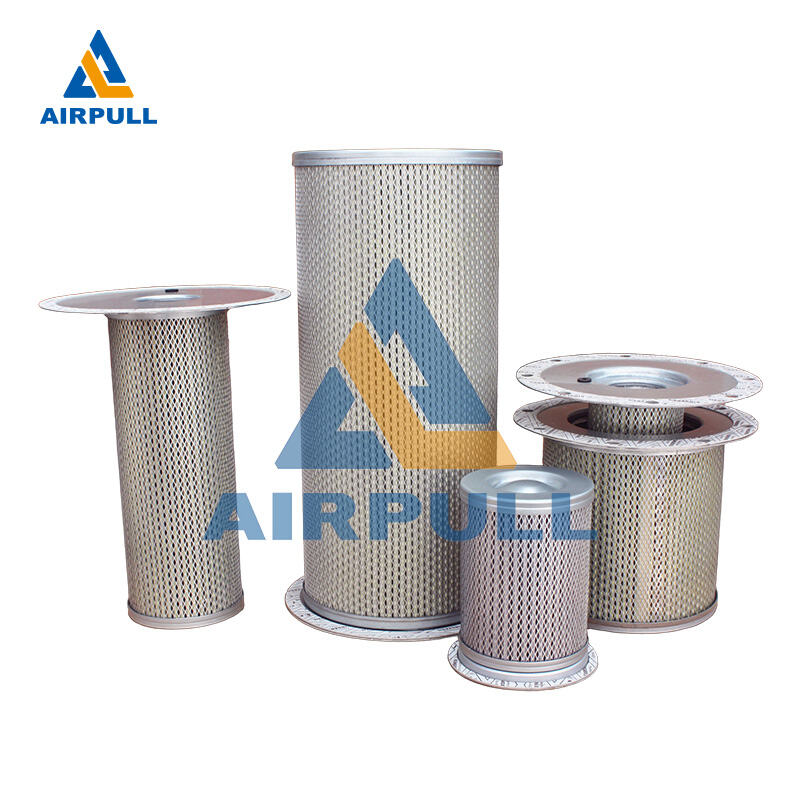
Cleaning a compressed air separator is not a cosmetic task; it is a reliability task that affects pressure stability, oil carryover, and compressor energy use. In industrial systems, a dirty compressed air separator raises differential pressure and forces the compressor to work harder for the same airflow. That extra load increases heat, accelerates oil degradation, and shortens service life in connected equipment. A practical cleaning method must therefore focus on safety, contamination type, and correct reassembly, not just wiping surfaces.
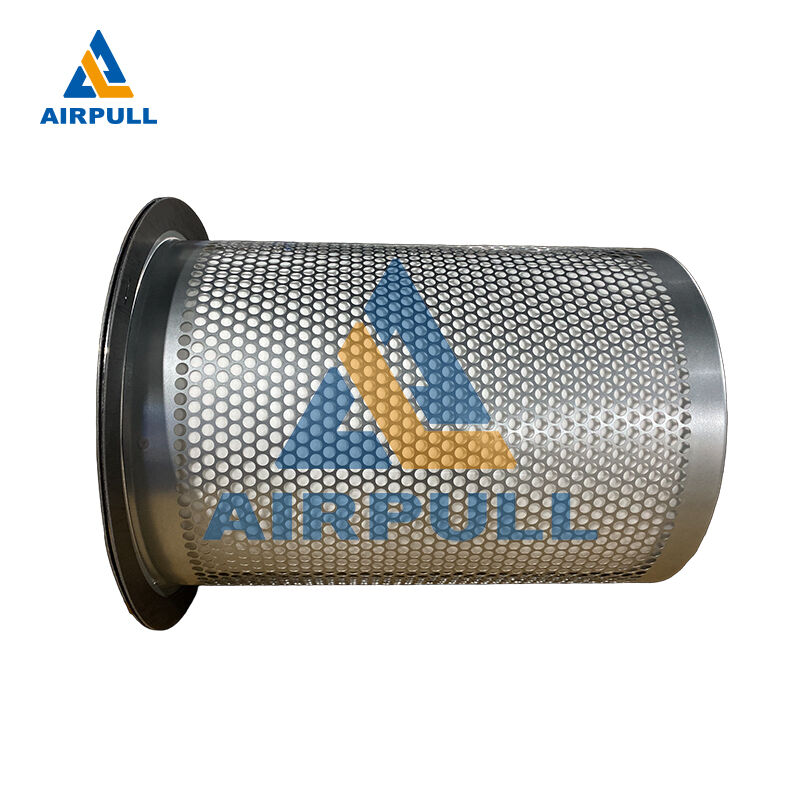
The right approach to cleaning a compressed air separator follows a clear workflow: isolate the machine, assess fouling, clean compatible parts, dry completely, and verify operating conditions after restart. This article explains that workflow in the order maintenance teams actually execute it on site. It also clarifies when cleaning is appropriate and when a compressed air separator should be replaced instead of reused. By following these steps, maintenance managers can reduce unplanned shutdowns and keep compressed air quality within target range.
Safety and Preparation Before You Clean
System shutdown, isolation, and pressure release protocol
Before touching any compressed air separator, stop the compressor and apply lockout-tagout according to your facility rules. Isolate upstream and downstream valves so no residual pressure can re-enter the vessel during service. Open the drain and vent points slowly until pressure reaches zero and confirm with a calibrated gauge. A compressed air separator should never be opened under uncertain pressure conditions, even when the gauge appears near zero.
After depressurization, allow the package to cool to a safe handling temperature because hot oil films can distort inspection findings. Place absorbent pads and a collection tray under the housing to control oil residue during disassembly. If the compressed air separator is mounted in a tight enclosure, improve visibility with task lighting before removing fasteners. Better setup at this stage prevents seal damage and accidental contamination later in the process.
Contamination diagnosis before selecting a cleaning method
Not every dirty appearance on a compressed air separator is the same type of fouling. Oil varnish, carbon fines, moisture sludge, and particulate dust each require different cleaning intensity and solvent compatibility. Review recent operating temperatures, lubricant change intervals, and any abnormal carryover alarms to identify likely residue type. A correct diagnosis helps decide whether the compressed air separator can be cleaned safely or whether replacement is the lower-risk decision.
Check the separator element, housing interior, O-rings, and threaded ports for physical damage before cleaning starts. If media is torn, collapsed, or chemically hardened, cleaning will not restore proper performance of the compressed air separator. In those cases, replacing the element avoids repeated downtime and unstable pressure behavior. Many teams source a matched compressed air separator element before shutdown to keep turnaround time controlled.
Step-by-Step Cleaning Process for a Compressed Air Separator
External housing cleaning and controlled disassembly
Start by cleaning the outer shell area around the compressed air separator with lint-free cloths so debris does not drop inside during opening. Loosen bolts in a cross pattern to release tension evenly and prevent flange warping. As you lift the cover, keep parts organized on a clean surface in removal order to simplify correct reassembly. This discipline is especially important when several compressed air separator units are serviced in parallel.
Remove loose sludge from accessible surfaces using non-metallic tools that will not scratch sealing faces. Avoid aggressive scraping on coated internals because micro-scratches can trap new contaminants and speed up future fouling. Wipe all contact faces until no visible residue remains, then inspect threads for trapped particles. Clean threads improve clamp force consistency when the compressed air separator is reinstalled.
Internal element handling and cleaning compatibility rules
Handle the separator element gently and keep it upright to prevent trapped debris from redistributing into clean zones. Some compressed air separator designs allow careful low-pressure air blow-off from the clean side to the dirty side, but high pressure can rupture media and reduce efficiency. Follow component guidance for solvent exposure because certain adhesives and media binders soften when exposed to incompatible cleaners. If compatibility is uncertain, use mild approved cleaner and short contact time.
For washable metallic components associated with the compressed air separator, rinse with approved fluid, then wipe with lint-free cloths until residue is gone. Do not soak elastomer seals unless the chemical specification confirms suitability. Replace seals that show flattening, cuts, or swelling, since seal failure can mimic separator failure after restart. A properly cleaned compressed air separator depends as much on seal integrity as on media condition.
When contamination is heavy, repeat the rinse-and-wipe cycle rather than using harsher tools. Progressive cleaning protects dimensional tolerances in the compressed air separator housing and avoids hidden damage. Document what was removed, including varnish thickness or sludge type, because this record helps trace upstream causes such as overheating or moisture ingress. Good records turn each compressed air separator service event into a preventive action, not just corrective labor.
Drying, Reassembly, and Leak Verification
Drying standards that protect separator performance
Complete drying is mandatory before reassembly of any compressed air separator. Residual solvent or water left in the housing can emulsify with compressor oil and reduce separation efficiency shortly after startup. Use clean compressed air at controlled pressure for blow-drying and allow adequate dwell time for evaporation in blind cavities. The compressed air separator should feel fully dry by touch and show no film under bright light.
If ambient humidity is high, extend drying time and use warm, filtered air to avoid re-condensation inside the vessel. Moisture trapped near seal grooves often causes the first leak point after restart. Teams that rush this stage often see unstable differential pressure across the compressed air separator within the first operating shift. Taking extra minutes during drying usually saves hours of troubleshooting later.
Reassembly torque discipline and startup validation
Reinstall components in the original sequence and apply correct torque values gradually in a cross pattern. Uneven tightening can distort flange geometry and compromise compressed air separator sealing surfaces. Lubricate compatible O-rings lightly with approved oil film so they seat without twisting. Confirm that each port on the compressed air separator is clean and unobstructed before closure.
On startup, bring the compressor online gradually and monitor pressure drop, temperature, and carryover indicators for the first operating cycle. A stable compressed air separator should show predictable differential pressure without rapid upward drift. Inspect all joints for seepage and recheck fastener torque after thermal stabilization if your procedure requires it. Final verification closes the cleaning workflow and confirms the compressed air separator is functioning as intended.
Maintenance Intervals and Contamination Prevention
Condition-based cleaning intervals for industrial duty cycles
A fixed calendar interval is rarely the best trigger for cleaning a compressed air separator in industrial environments. Duty cycle, airborne dust load, lubricant quality, and operating temperature drive contamination rate more than date alone. Track differential pressure trends and oil carryover behavior to decide when a compressed air separator needs cleaning attention. This condition-based approach reduces unnecessary intervention while preventing late-stage fouling.
Use maintenance logs to compare each compressed air separator cleaning event against system performance before and after service. When trends show frequent fouling in short intervals, investigate root causes rather than increasing cleaning frequency blindly. Persistent high-temperature operation or inadequate upstream filtration can overload a compressed air separator regardless of technician skill. Correcting the source condition extends cleaning intervals and improves total system reliability.
Upstream controls that keep the separator cleaner longer
Cleaner intake air and stable operating temperatures directly improve compressed air separator life. Maintain intake filters, verify cooling path performance, and prevent chronic overcompression events that accelerate oil breakdown. Install routine checks for condensate management so water does not circulate and form sludge near the compressed air separator. These controls reduce contamination burden before it reaches the separator stage.
Lubricant discipline is equally important because degraded oil creates sticky deposits that are difficult to remove from a compressed air separator. Follow oil analysis intervals and change triggers based on condition, not only runtime hours. Pair that with documented shutdown and startup practices to minimize thermal shock on separator media. Over time, these habits keep each compressed air separator cleaner, more efficient, and easier to service.
For plants running multiple compressors, standardize one cleaning protocol across teams and shifts so every compressed air separator receives the same quality of work. Inconsistent methods are a common reason for uneven performance between similar machines. A shared checklist covering isolation, cleaning chemistry, drying confirmation, and restart checks improves repeatability. Standardization turns compressed air separator maintenance into a controllable process instead of a technician-dependent outcome.
FAQ
Can every compressed air separator be cleaned and reused?
No. A compressed air separator can be cleaned only when media integrity, adhesives, and structural condition remain sound. If there are tears, collapse, hardened media, or chemical attack, replacement is the safer path. Cleaning damaged media usually results in poor separation and fast recurrence of pressure issues.
How do I know whether cleaning solved the problem?
After cleaning a compressed air separator, verify stable differential pressure, acceptable oil carryover, and leak-free operation across a full operating cycle. Trend data should remain consistent instead of rising rapidly after startup. If indicators worsen quickly, recheck seals, contamination source, and whether the separator element should be replaced.
Which cleaning mistakes cause the most repeat failures?
The most common failures come from incomplete depressurization, incompatible solvent use, rushed drying, and uneven reassembly torque. Any of these can compromise compressed air separator performance even when the unit looks visually clean. Process discipline matters more than speed during maintenance.
How often should a compressed air separator be inspected between cleanings?
Inspection frequency should match operating severity, but most industrial teams review pressure differential and carryover trends weekly and perform deeper checks during scheduled maintenance windows. A compressed air separator in dusty or high-temperature service usually needs closer monitoring than one in stable indoor conditions. Trend-based oversight catches degradation early and reduces emergency interventions.