EN
EN



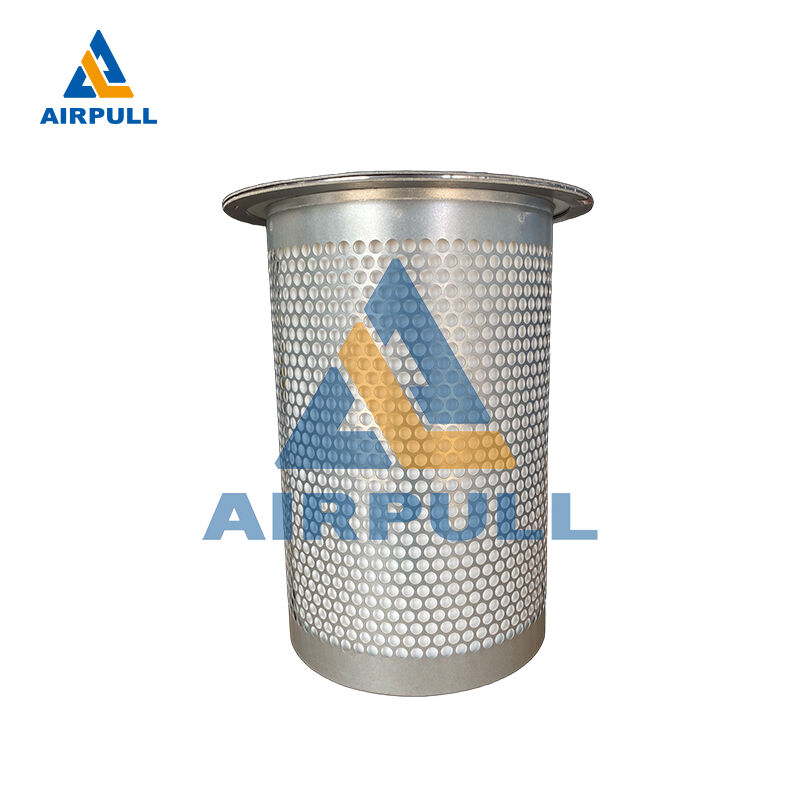
Changing an oil separator filter is a maintenance task that directly affects compressor efficiency, air quality, and operating cost. In most industrial settings, a neglected oil separator filter leads to rising pressure drop, oil carryover, and unstable downstream performance, so the replacement process needs to be both timely and precise. This guide explains how to change an oil separator filter step by step, with practical shop-floor detail rather than theory alone.
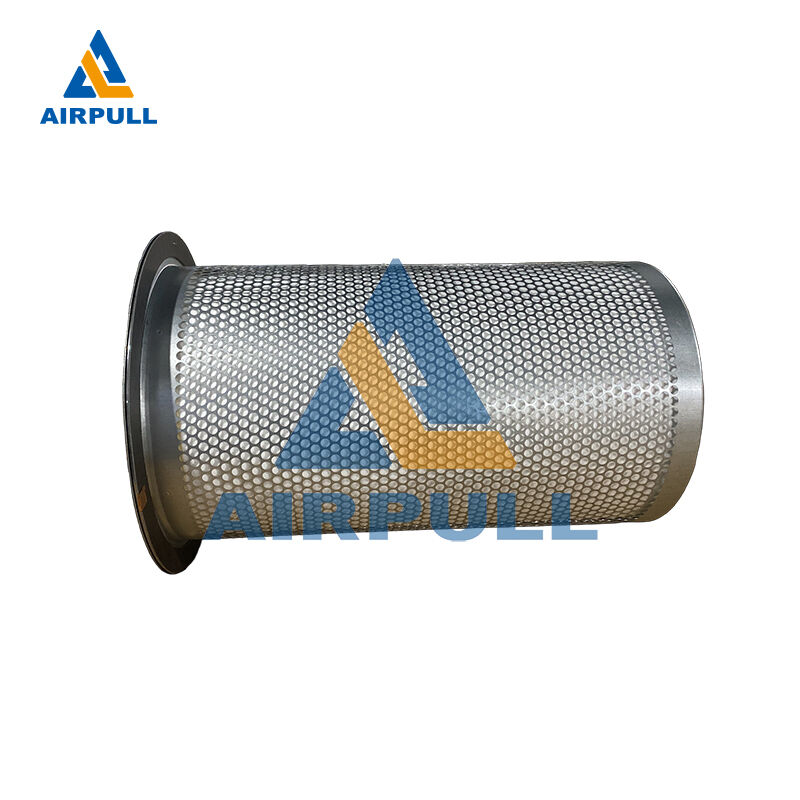
The core objective when replacing an oil separator filter is not only to swap parts but to restore correct separation behavior and prevent repeat faults. A proper oil separator filter change includes shutdown control, pressure release, clean installation, seal verification, and restart checks under load. When each stage is done correctly, the new oil separator filter supports lower oil consumption, cleaner compressed air, and more stable production.
Preparation Before You Change the Filter
Confirm service timing and replacement triggers
Before touching the machine, verify whether the oil separator filter has reached its service condition. Typical triggers include high differential pressure, visible oil carryover at downstream points, or a maintenance-hour threshold from your operating standard. Replacing an oil separator filter too late usually increases energy draw, while replacing too early wastes maintenance budget.
Review trend data over the last service interval instead of relying on a single reading. If pressure drop climbs steadily and discharge quality degrades, the oil separator filter is likely at end of useful life. This data-first approach keeps the change schedule linked to actual system behavior.
Prepare tools, spares, and safe shutdown controls
A controlled replacement starts with proper preparation: correct wrench sizes, seal-safe cleaning cloths, compatible lubricant for gaskets, and a verified replacement oil separator filter. Check that the replacement specification matches thread type, dimensions, pressure class, and media design required by the machine. Mismatched parts can install physically but fail under operation.
Plan lockout and isolation in advance so no one restarts equipment during the task. Depressurization is essential because trapped pressure in the vessel can cause sudden release when removing an oil separator filter. Good preparation reduces downtime and prevents installation errors that only appear after restart.
How to Remove the Existing Oil Separator Filter Correctly
Shut down, isolate, and release internal pressure
Stop the compressor according to standard shutdown procedure, then isolate electrical and pneumatic energy sources. Open designated venting points to release vessel pressure completely and confirm zero pressure on gauges before loosening any component. Never begin oil separator filter removal with assumed depressurization.
Allow internal temperature to drop to a safe handling range because hot oil and metal surfaces increase injury risk. During this stage, inspect nearby lines and fittings for signs of oil mist or residue, since those clues often explain why the previous oil separator filter lost performance.
Remove the filter without contaminating the housing
Use steady torque to loosen the old oil separator filter and avoid sudden force that can damage seating surfaces. Once removed, keep the opening protected from dust and debris. Even small contamination entering the vessel can shorten life of a new oil separator filter and affect downstream equipment.
Inspect the removed element for collapse, heavy sludge, burnt odor, or uneven deposits. This physical evidence helps identify root causes such as overheating, excessive run cycles, poor oil condition, or improper airflow balance. If you skip this check, the next oil separator filter may fail for the same reason.
Installing the New Filter for Reliable Performance
Clean mating surfaces and verify seal condition
Before installation, clean the contact area thoroughly with lint-free material and make sure no old gasket remains on the seat. Double-gasketing is a common field mistake that causes leaks and unstable pressure behavior after an oil separator filter change. The seating surface should be dry, clean, and free of scoring.
Check O-rings and seals for compatibility and apply only the recommended light lubrication film where required. Correct seal preparation allows the oil separator filter to seat evenly and prevents micro-leak paths that increase carryover. Attention at this stage has a direct impact on service life.
Install to specification and avoid over-tightening
Thread the new oil separator filter by hand first to prevent cross-threading, then tighten according to the specified method and torque guidance. Over-tightening can deform seals or damage threads, while under-tightening can allow leaks under pressure cycles. Consistent tightening practice improves repeatability across maintenance teams.
After installation, confirm that all related connections and access covers are restored to operating condition. A high-quality oil separator filter cannot compensate for loose fittings or disturbed return lines. The full assembly around the oil separator filter must be mechanically sound before restart.
Restart, Verification, and Early Run Monitoring
Controlled startup and immediate leak checks
Start the machine in a controlled sequence and observe pressure build-up behavior in the first minutes. Watch the separator area closely for external leakage, abnormal sound, or vibration. A newly installed oil separator filter should stabilize without sudden pressure fluctuation.
Record baseline values right after replacement, including differential pressure, discharge condition, and oil consumption trend at similar load. These baselines are important because future oil separator filter decisions should compare against known good post-maintenance values, not assumptions.
Validate performance under normal production load
A no-load check is useful, but true validation happens when the system returns to real process demand. Under stable production load, confirm that the oil separator filter maintains acceptable pressure drop and that downstream air quality meets operational expectation. If indicators drift quickly, investigate installation accuracy and upstream oil condition.
During the first shift after replacement, schedule periodic observations instead of a single final check. Early-run monitoring catches small issues before they become unplanned stoppages. A correctly installed oil separator filter typically shows steady behavior rather than rapid change in differential pressure.
Extending Filter Life and Preventing Repeat Failures
Control operating conditions that shorten filter life
Frequent thermal cycling, contaminated oil, and unstable run patterns can all reduce oil separator filter life. To protect the new oil separator filter, maintain proper operating temperature range and keep cooling performance consistent. When oil condition degrades, separation efficiency declines faster even with a new element.
Air intake quality also matters. Dust and fine particles entering the system can increase load on the oil separator filter and contribute to internal fouling. Pairing good intake filtration with timely oil management gives more predictable service intervals.
Build a maintenance record that improves future changes
Document each oil separator filter change with date, operating hours, pressure drop before replacement, and post-start baseline data. Over time, this record creates a reliable pattern for planning rather than reacting to alarms. It also helps teams distinguish between normal wear and premature oil separator filter failure.
Include notes on observed condition of the removed element and any corrective action taken. This habit turns every oil separator filter replacement into process learning, reducing uncertainty in future maintenance windows and supporting stronger equipment reliability.
FAQ
How often should an oil separator filter be changed in industrial operation?
The interval depends on operating hours, load profile, oil condition, and pressure-drop trend. Many plants use an hour-based target, but the best practice is condition-based replacement supported by differential pressure and carryover observations. An oil separator filter should be changed when performance data indicates end-of-life, not only when a calendar date arrives.
Can I reuse seals when replacing an oil separator filter?
Reusing old seals is risky because compression set and material aging can compromise sealing reliability. A new oil separator filter should be installed with appropriate new sealing components or verified seals that meet specification. Seal integrity is a key factor in preventing leaks and preserving separation performance.
What are common signs that an oil separator filter was installed incorrectly?
Typical signs include external oil seepage, unstable pressure behavior after startup, rapid increase in differential pressure, and persistent carryover despite replacement. These symptoms often point to thread damage, poor seating, incorrect tightening, or contamination introduced during installation. A post-install inspection routine helps catch these issues early.
Why does a new oil separator filter still show high pressure drop?
High pressure drop after replacement can come from blocked return pathways, upstream contamination, incorrect filter specification, or unresolved system faults unrelated to the element itself. The oil separator filter should be evaluated in the context of the full separator circuit and operating conditions. Confirm part match, installation quality, and overall system cleanliness before concluding the element is defective.