EN
EN


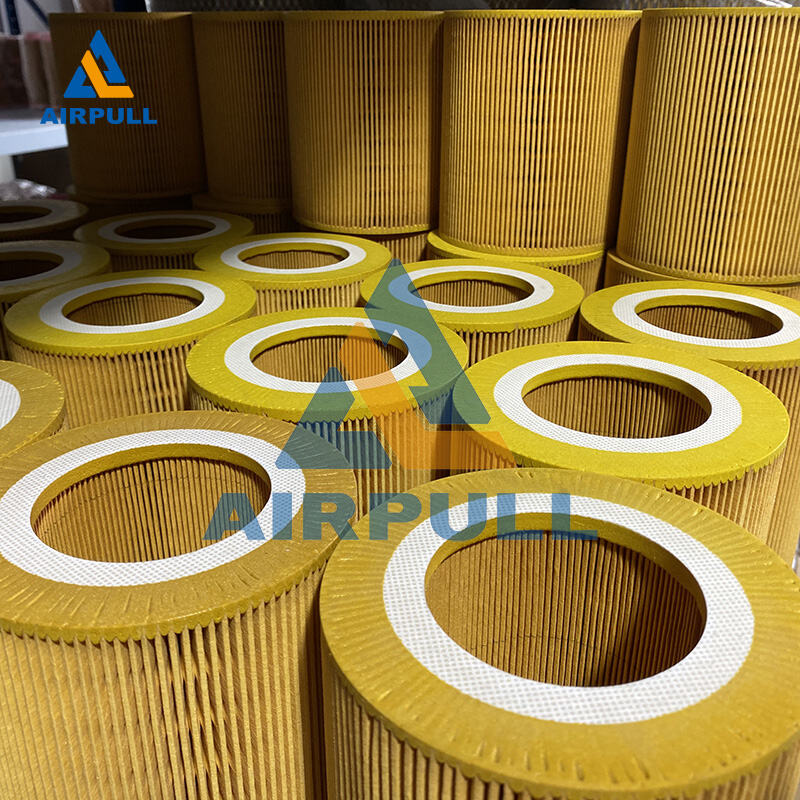
Selecting the right size for industrial filtration equipment is one of the most consequential decisions a plant engineer or procurement manager will make. Get it wrong, and you face cascading consequences: excessive pressure drop, premature filter clogging, insufficient contaminant capture, and costly unplanned downtime. Get it right, and your system runs efficiently, your maintenance intervals extend, and your total cost of ownership drops considerably. Sizing is not a step to rush through or estimate loosely — it demands a structured, data-driven approach that accounts for your specific process conditions, fluid or gas characteristics, and operational goals.
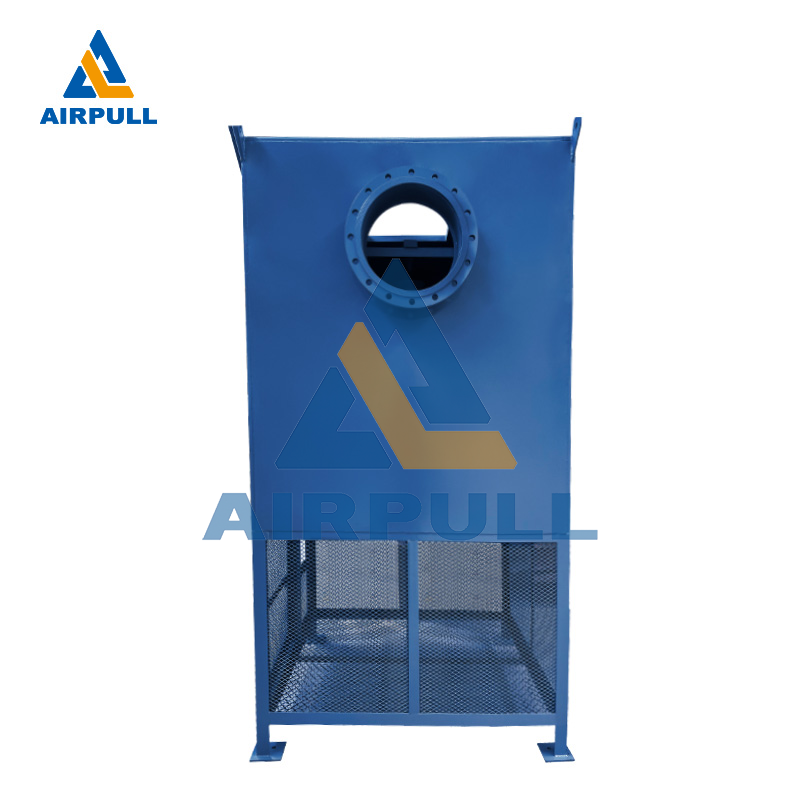
This guide walks through the complete sizing methodology for industrial filtration equipment, covering flow rate analysis, contaminant load assessment, filtration efficiency targets, pressure drop management, and housing selection logic. Whether you are specifying equipment for a new facility, upgrading an aging system, or troubleshooting an undersized unit, the principles here apply broadly across industries including manufacturing, energy, food processing, pharmaceuticals, and chemical production. Understanding how each variable interacts is what separates a well-engineered filtration solution from a reactive, problem-prone one.
Understanding the Fundamentals of Industrial Filtration Sizing
Why Sizing Matters More Than Filter Media Selection
Many engineers focus first on filter media — the membrane, depth media, or surface filtration layer — because that is where the technical specifications appear most prominently. However, even the highest-performing filter media will fail to deliver its rated performance if the housing, vessel, or module it sits within is incorrectly sized. Industrial filtration equipment sizing governs how much fluid or gas passes through a given filter area per unit of time, and that ratio directly determines efficiency, differential pressure, and service life.
When a filter is undersized relative to the actual process flow, velocity through the filter media increases beyond design limits. This compresses depth media, blinds surface filters prematurely, and dramatically raises the pressure drop across the system. Over time, this translates into higher energy costs, more frequent change-outs, and potential bypass if differential pressure relief mechanisms are triggered. Proper sizing of industrial filtration equipment prevents these issues at the design stage rather than correcting them reactively in the field.
Oversizing, while less damaging in the short term, introduces its own problems. In liquid filtration, excessively large vessels can create stagnant zones where microbial growth occurs in sanitary applications. In gas and air filtration, an oversized unit may allow particulate to re-entrain during low-flow conditions. Sizing should aim for a design range, not just a peak-flow worst case, ensuring the equipment performs reliably across the full operational envelope of your process.
The Key Variables That Drive Sizing Decisions
Every sizing calculation for industrial filtration equipment begins with establishing the primary process variables. Flow rate is the most fundamental — expressed in cubic meters per hour, liters per minute, or standard cubic feet per minute depending on whether you are dealing with liquids or gases. This value must reflect peak operating conditions, not average throughput, because filters must handle surge flows without exceeding safe velocity limits through the media.
The nature of the fluid or gas being filtered is the second critical variable. Viscosity, density, temperature, and chemical compatibility all influence both the media choice and the housing design. A high-viscosity hydraulic fluid behaves very differently from a low-viscosity solvent, even at the same volumetric flow rate, because viscosity directly affects how easily fluid permeates the filter matrix. For industrial filtration equipment used in gas or air filtration applications, humidity, temperature swings, and inlet dust concentration are equally important inputs to the sizing model.
Contaminant concentration and particle size distribution round out the core variable set. A heavily contaminated inlet stream will load a filter much faster than a relatively clean one, reducing service intervals and increasing lifecycle costs if the holding capacity of the filter is not appropriately matched. Understanding your contamination profile — whether through lab analysis, process data, or industry benchmarks — is essential before finalizing any industrial filtration equipment specification.
Flow Rate Analysis and Face Velocity Calculations
Establishing Design Flow Rate Parameters
The design flow rate for industrial filtration equipment is rarely a single number. Process engineers must identify the minimum, nominal, and peak flow conditions, then design to accommodate the peak without compromising performance at lower flows. This typically means building in a flow margin — commonly 10 to 25 percent above the rated maximum — to account for process variability, future capacity increases, and measurement uncertainty in the flow instrumentation.
For gas-phase applications such as compressed air filtration, inlet air filtration for turbines or compressors, and dust collection systems, flow rates are often expressed at standard conditions and must be corrected to actual conditions at the filter inlet. Temperature, pressure, and altitude all affect the actual volumetric flow, and industrial filtration equipment is rated at specific reference conditions. Failing to apply these corrections is a common source of undersizing errors in the field.
In liquid filtration systems, the design flow rate must account for system-level variables such as pump curves, back-pressure profiles, and parallel versus series filter configurations. Multi-housing installations must distribute flow evenly to avoid overloading individual filter elements. Proper hydraulic modeling during the design phase ensures that each unit of industrial filtration equipment operates within its rated flow range throughout the system's operational life.
Calculating Face Velocity and Filter Area Requirements
Face velocity — the velocity of the fluid or gas approaching the filter surface — is the primary sizing parameter for most types of industrial filtration equipment. Each filter media type has a recommended face velocity range. Exceeding this range increases pressure drop non-linearly, reduces filtration efficiency, and accelerates media degradation. Staying well below the minimum recommended face velocity can also reduce efficiency in some depth-loading and electrostatic filtration mechanisms.
To calculate the required filter face area, divide the design volumetric flow rate by the recommended face velocity for the selected media. For example, if your compressed air system operates at 5,000 cubic meters per hour and your chosen filter media is rated for a maximum face velocity of 2.5 meters per second, you need a minimum filter face area of approximately 0.56 square meters. This calculation becomes the foundation for selecting housing dimensions or the number of cartridge elements in a multi-element housing.
Self-cleaning industrial filtration equipment — such as pulse-jet bag filters, reverse-air systems, and automated surface-cleaning cartridge filters — introduces an additional sizing parameter: the air-to-cloth ratio or can velocity. These values must be sized to ensure that the cleaning mechanism can fully regenerate the filter during normal operation without interrupting continuous process flow. A well-sized self-cleaning system dramatically extends service intervals and reduces manual maintenance demands compared to conventional, fixed-media alternatives.
Contaminant Load Assessment and Holding Capacity
Characterizing the Inlet Contamination Profile
Accurately characterizing the inlet contamination profile is as important as the flow rate analysis when sizing industrial filtration equipment. The contaminant load — expressed as mass per unit volume or concentration — determines how quickly the filter reaches terminal differential pressure and must be replaced or regenerated. An underestimated contaminant load leads to unexpectedly short service intervals, high maintenance costs, and possible process disruption.
Particle size distribution is particularly important because different filtration mechanisms capture particles of different sizes with varying efficiency. Larger particles are typically captured by straining or inertial impaction near the inlet face of the filter. Finer particles penetrate deeper into depth media and are captured by diffusion, interception, or electrostatic mechanisms. Understanding your particle size distribution allows the engineer to select a media grade and sizing that optimizes both efficiency and holding capacity for your specific contaminant.
For applications where the contamination profile is unknown or variable — common in industrial plants where upstream processes change over time — a conservative approach is warranted. Sizing industrial filtration equipment with a larger holding capacity than the nominal estimate provides a buffer against contamination spikes, process upsets, and seasonal variation. This proactive approach reduces emergency maintenance events and supports a more predictable maintenance scheduling process.
Matching Filter Holding Capacity to Service Interval Targets
Every facility has target maintenance intervals driven by operational, safety, and economic factors. In continuous process industries, filter change-outs must be synchronized with planned shutdowns to avoid unplanned production stoppages. Sizing industrial filtration equipment correctly means ensuring that the filter's dust or contaminant holding capacity is sufficient to bridge the required service interval under the calculated contaminant loading rate.
The relationship between holding capacity and service interval is essentially a mass balance calculation. Multiply the inlet contaminant concentration by the design flow rate and the target service interval to determine the total contaminant mass the filter must hold before replacement or cleaning. If this mass exceeds the filter's rated holding capacity, you must either increase the filter size, add additional filter elements, or reduce the service interval target to match the equipment's capability.
High-performance industrial filtration equipment with self-cleaning capability addresses this challenge by continuously or periodically removing accumulated contaminants from the filter surface, effectively resetting the holding capacity without shutting down the process. This makes self-cleaning systems particularly well-suited to high-dust-load applications where conventional fixed-media filters would require impractically short service intervals.
Pressure Drop Management and System Integration
Understanding Pressure Drop Across the Filtration System
Pressure drop is both a performance indicator and an energy cost driver in any industrial filtration equipment installation. Every filter introduces resistance to flow, and that resistance must be overcome by the system's pump, fan, or compressor. The energy required to maintain flow against this resistance is an operating cost that accumulates continuously over the equipment's life. Minimizing pressure drop without sacrificing filtration performance is therefore a central objective of good sizing practice.
Pressure drop across industrial filtration equipment increases as the filter loads with contaminant. A clean filter may exhibit a relatively low initial pressure drop, but as the filter reaches capacity, differential pressure rises to the terminal value at which the filter must be changed or cleaned. Sizing the filter to operate at a low initial pressure drop — by providing generous filter area relative to the flow rate — extends the useful life of the element and reduces the frequency of high-pressure-drop operation.
System designers must also account for the total allowable pressure drop budget across the entire filtration train, particularly in multi-stage systems where a coarse pre-filter, fine filter, and activated carbon or specialty stage operate in series. Each stage contributes to the total pressure drop, and the system must be designed so that the combined terminal pressure drop can still be accommodated by the available drive pressure without starving the process of required flow.
Integrating Filtration Equipment into the Broader Process System
Sizing industrial filtration equipment in isolation without considering its interaction with the broader process system is a common engineering oversight. The filter is not a standalone component — it is embedded within a hydraulic or pneumatic network where upstream and downstream conditions affect its performance. Variations in supply pressure, changes in downstream demand, and the behavior of control valves all influence the actual operating conditions experienced by the filter.
Filter bypass arrangements, differential pressure alarms, and high-differential-pressure shutdown interlocks must be specified as part of the overall system design. These safeguards protect the process and downstream equipment in the event that the filter becomes fully loaded between maintenance events. Properly sized industrial filtration equipment with appropriate instrumentation allows operations teams to monitor filter condition in real time and schedule maintenance proactively rather than reactively.
Piping design around the filtration system also matters. Correctly sized inlet and outlet piping prevents velocity-induced turbulence at the filter face, which can disrupt flow distribution and reduce effective filtration area. Isolation valves, bypass lines for maintenance access, and drain points for liquid filtration systems should all be factored into the installation design to ensure that the industrial filtration equipment can be serviced efficiently without major process disruptions.
Selecting the Right Housing and Configuration
Single-Element Versus Multi-Element Housing Configurations
Once the required filter area has been established through face velocity and holding capacity calculations, the engineer must determine whether to use a single large housing or multiple smaller housings operating in parallel. Both configurations can achieve the same total filter area, but they differ in flexibility, maintenance logistics, and capital cost. For industrial filtration equipment in large industrial installations, multi-element housings are often preferred because they allow incremental maintenance — cleaning or replacing individual elements without taking the entire filtration system offline.
Single-element configurations are simpler to install and maintain in smaller applications where total flow rates are modest and maintenance access is straightforward. They are common in compressed air systems, hydraulic filtration circuits, and point-of-use filtration where compactness and low cost are prioritized. The key sizing consideration for single-element industrial filtration equipment is ensuring that the element's rated flow capacity includes an adequate margin above the design flow rate to accommodate surge conditions.
Multi-stage filtration configurations — where different grades of industrial filtration equipment are arranged in series — require careful sizing at each stage. The coarsest stage protects the finer downstream stages by capturing large particles that would otherwise rapidly blind the fine media. Each stage should be sized for the actual contaminant load it will experience after upstream stages have removed their respective particle fractions, rather than sizing all stages for the full inlet contamination load.
Material Selection and Operating Condition Compatibility
Housing material selection is an integral part of sizing industrial filtration equipment correctly. The housing must withstand the operating pressure, temperature, and chemical environment of the process fluid or gas. Carbon steel housings are standard in general industrial applications but require internal coating or lining when handling corrosive fluids. Stainless steel housings offer broader chemical compatibility and are standard in food, pharmaceutical, and chemical processing applications.
Pressure rating must be verified against the maximum allowable working pressure of the system, including surge pressures from pump start-up or valve closure events. Under-rated housings present a serious safety risk and are a source of regulatory non-compliance in many industries. Reputable industrial filtration equipment suppliers provide pressure-temperature rating tables for their housings, and engineers should verify that the selected housing meets or exceeds the most demanding operating condition in the system.
Temperature compatibility affects not only the housing but also the filter element itself. Polymer-based filter media have upper temperature limits that, if exceeded, cause dimensional instability, media breakdown, and loss of efficiency. For high-temperature gas filtration applications, ceramic, sintered metal, or high-temperature glass fiber media must be specified, and the industrial filtration equipment housing must be fabricated from materials that maintain their structural integrity and sealing performance at process temperature.
FAQ
What is the most common mistake made when sizing industrial filtration equipment?
The most frequent mistake is sizing based on average flow rate rather than peak flow rate. Industrial processes often experience significant flow surges that can be two to three times the average throughput, and industrial filtration equipment must be sized to handle these peaks without exceeding rated face velocity, causing excessive pressure drop, or shortening filter service life. Always establish peak operating conditions before beginning the sizing calculation.
How does temperature affect the sizing of industrial filtration equipment?
Temperature affects both the physical properties of the process fluid or gas and the performance limits of the filter media and housing materials. For gas filtration, elevated temperature reduces gas density, which changes the actual volumetric flow and face velocity calculations. For liquid filtration, temperature alters viscosity, which directly affects flow resistance through the filter media. Engineers must apply temperature corrections to all sizing inputs to ensure that industrial filtration equipment is rated appropriately for actual operating conditions rather than standard reference conditions.
When should self-cleaning industrial filtration equipment be considered over conventional filter elements?
Self-cleaning industrial filtration equipment becomes the preferred choice when the inlet contaminant loading is high enough that conventional elements would require impractically frequent replacement, when continuous process operation makes scheduled filter change-outs disruptive, or when the operating environment involves variable contamination levels that would make fixed maintenance intervals unreliable. Applications such as inlet air filtration for compressors and turbines, large-scale dust collection, and industrial gas cleaning are typical candidates for self-cleaning filtration technology.
How do I verify that my sizing calculations are correct before commissioning industrial filtration equipment?
The best verification approach combines analytical review with operational monitoring after commissioning. Before installation, have the sizing calculations independently reviewed against the filter manufacturer's sizing guidelines and the actual process data from the site. After commissioning, monitor the initial pressure drop across the industrial filtration equipment and compare it to the predicted clean pressure drop. Track the rate of differential pressure rise over time and compare it to the predicted loading rate based on your contaminant concentration estimates. If the actual loading rate differs significantly from predictions, adjust the contamination model and re-evaluate the sizing for the next replacement cycle.
Table of Contents
- Understanding the Fundamentals of Industrial Filtration Sizing
- Flow Rate Analysis and Face Velocity Calculations
- Contaminant Load Assessment and Holding Capacity
- Pressure Drop Management and System Integration
- Selecting the Right Housing and Configuration
-
FAQ
- What is the most common mistake made when sizing industrial filtration equipment?
- How does temperature affect the sizing of industrial filtration equipment?
- When should self-cleaning industrial filtration equipment be considered over conventional filter elements?
- How do I verify that my sizing calculations are correct before commissioning industrial filtration equipment?