EN
EN


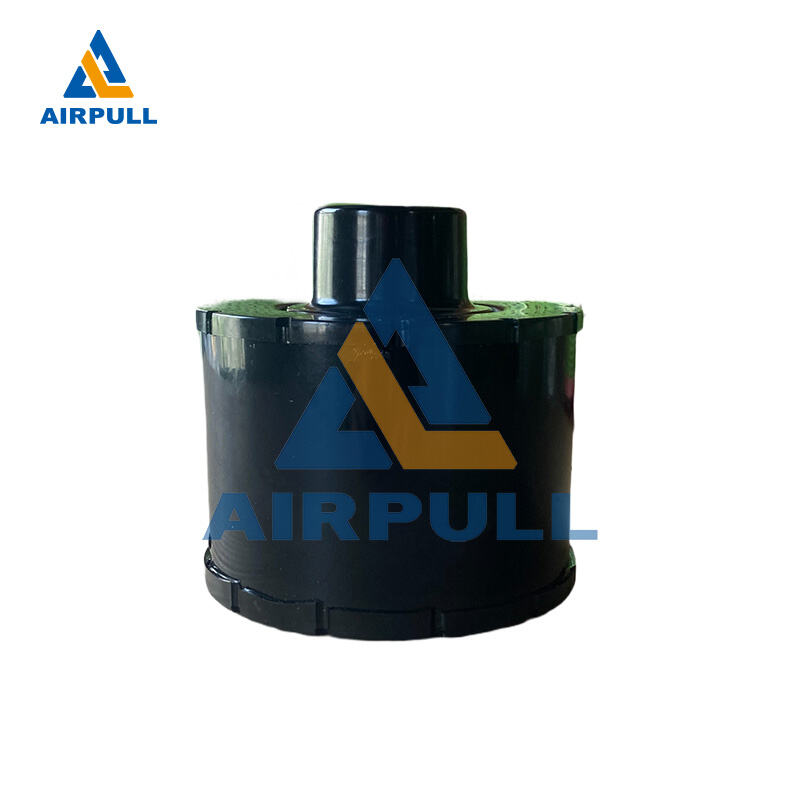
Designing an industrial filtration system starts with a clear answer to one practical question: what must be removed, and what happens if it is not removed consistently. In B2B operations, an industrial filtration system is rarely a standalone purchase. It is a process-control decision that affects uptime, product quality, worker safety, maintenance labor, and energy consumption. A good design approach treats the industrial filtration system as part of the production workflow, not as an accessory installed after equipment problems appear. When teams define process objectives first, the industrial filtration system becomes a measurable asset rather than a recurring source of unplanned cost.
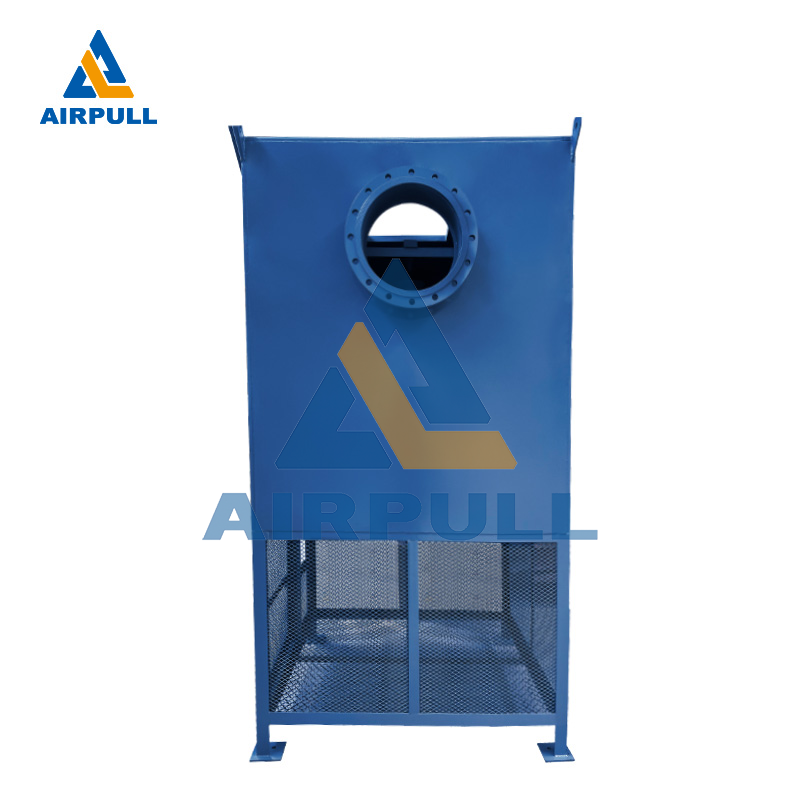
The most reliable way to design an industrial filtration system is to follow a sequence: characterize contamination, define performance targets, size airflow or fluid flow, choose filtration stages, and validate operation under real production conditions. Each step influences the next, and skipping one often leads to overdesigned or undersized equipment. This guide explains how to design an industrial filtration system in that exact order, with decision criteria that engineering, operations, and procurement teams can use together. The result is an industrial filtration system that performs predictably across shifts, seasons, and production changes.
Define Process Requirements Before Selecting Hardware
Map contamination sources and load patterns
Every industrial filtration system should begin with a contamination map of the full process line. Identify where particulates, fumes, mists, or mixed aerosols are generated, and document whether the load is continuous, batch-based, or highly variable. The same industrial filtration system can fail in one plant and succeed in another simply because contamination peaks were never measured during startup or cleaning cycles. A useful map includes particle type, expected concentration range, moisture behavior, and temperature at each source point.
When contamination sources are classified early, the industrial filtration system can be designed with correct pre-separation and final polishing stages. Without this step, teams often rely on nominal filter ratings that do not reflect real dust shape, stickiness, or agglomeration behavior. That mismatch causes rapid pressure drop and unstable performance. A properly mapped industrial filtration system protects both production consistency and maintenance planning.
Set technical targets tied to business outcomes
A high-performing industrial filtration system should be designed around specific targets, not broad statements such as clean air or cleaner output. Typical targets include allowable downstream particle concentration, maximum pressure drop window, minimum service interval, and acceptable energy intensity per operating hour. These targets should reflect business priorities, because an industrial filtration system in a precision finishing line is judged differently than an industrial filtration system used for general process ventilation.
Teams should also define compliance and risk boundaries before design completion. If emissions limits or internal quality thresholds are strict, the industrial filtration system may require staged redundancy and tighter monitoring points. If uptime is the top driver, the industrial filtration system may need easier maintenance access and stable differential pressure behavior over long cycles. Clear targets prevent late redesign and strengthen procurement specifications.
Build the Engineering Basis for Sizing and Configuration
Calculate flow, velocity, and residence time correctly
Sizing errors are one of the main reasons an industrial filtration system underperforms. Designers should calculate process flow at normal operation, peak operation, and upset conditions, then convert those values into realistic filtration face velocity ranges. An industrial filtration system that is oversized can look safe on paper but may operate below the optimal loading window, reducing capture stability for certain particle distributions. An undersized industrial filtration system, by contrast, drives high pressure drop, shortens filter life, and increases fan or pump burden.
Residence time also matters when the industrial filtration system handles fine or complex contaminants. If contact time is too short, separation efficiency drops during transients even when nominal ratings look acceptable. Practical design requires matching airflow or fluid flow patterns to media behavior, not only to static catalog numbers. This approach gives the industrial filtration system more predictable performance under real process variability.
Account for temperature, humidity, and chemical compatibility
Environmental and chemical conditions directly influence the reliability of an industrial filtration system. High humidity can promote filter blinding, while elevated temperature can alter media strength and seal integrity. If the industrial filtration system is exposed to reactive compounds, housing and gasket material compatibility must be validated early to prevent corrosion or leakage. Mechanical fit alone is never enough for a durable industrial filtration system.
Engineers should define operating envelopes and upset envelopes separately. A robust industrial filtration system is designed not only for normal runs but also for cleaning cycles, startup spikes, and temporary process instability. Building these margins into the design stage reduces emergency interventions and supports longer, more stable maintenance intervals. In most industrial settings, this is where lifecycle value is won or lost.
Select Filtration Stages and Control Strategy
Use staged filtration logic for stability
Most facilities benefit from a staged industrial filtration system rather than a single high-efficiency stage carrying the full load. A pre-stage removes larger or more abrasive fractions, protecting the final stage that handles fine capture. This sequencing allows the industrial filtration system to maintain lower average pressure drop and extends the service life of higher-cost media. It also improves process stability when contamination spikes occur.
Stage design should align with loading behavior, not only particle size labels. In many applications, an industrial filtration system works best when early stages are selected for dust-holding capacity and cleanability, while later stages focus on final quality thresholds. This balance helps prevent sudden saturation events and supports more predictable replacement planning. It also keeps the industrial filtration system economically efficient over long operating periods.
Integrate cleaning and monitoring from day one
A modern industrial filtration system should include cleaning logic and monitoring points in the initial design, not as retrofit add-ons. Differential pressure trends, temperature signals, and flow verification provide early warning before quality or uptime is affected. For many operations, a industrial filtration system with self-cleaning capability can reduce manual interventions and improve consistency during long production runs. The key is to match cleaning frequency and intensity to contamination characteristics.
Control strategy should also define alarm thresholds and response actions across shifts. If one team resets alarms without root-cause checks, the industrial filtration system can drift into unstable operation while appearing available. Standardized response rules protect performance and avoid hidden quality risk. When monitoring is tied to maintenance workflows, the industrial filtration system becomes a controllable process element instead of a reactive maintenance burden.
Validate Performance and Prepare for Lifecycle Operation
Commission with acceptance criteria, not visual inspection
Commissioning an industrial filtration system should include measurable acceptance tests under realistic load, not only startup confirmation. Useful criteria include initial and stabilized pressure drop, capture performance at expected peak flow, and recovery behavior after cleaning cycles. A well-commissioned industrial filtration system demonstrates repeatable results over several operating windows, including shift transitions and production changes.
Documentation during commissioning is essential for future troubleshooting. Baseline data allows teams to identify when the industrial filtration system begins to deviate from expected behavior. Without that baseline, routine drift can remain unnoticed until quality complaints or downtime occur. Strong acceptance records also improve cross-functional alignment between engineering, operations, and maintenance.
Design maintenance strategy and expansion readiness
Long-term value from an industrial filtration system depends on maintainability as much as capture efficiency. Service access, isolation capability, spare parts standardization, and safe replacement procedures should be built into the physical layout. A difficult-to-service industrial filtration system often experiences delayed maintenance, which increases risk and operating cost even if the initial design was technically sound. Practical access planning protects both uptime and safety performance.
Capacity expansion should be considered during the first design cycle. If production increases, the industrial filtration system should allow modular upgrades without major shutdown reconstruction. This can include reserved footprint, scalable control architecture, and expansion-ready ducting or piping logic. Planning this early keeps the industrial filtration system aligned with business growth while avoiding expensive redesign later.
FAQ
How long does it take to design an industrial filtration system for a new line?
Timeline depends on process complexity and data quality, but a structured industrial filtration system design cycle typically includes contamination characterization, engineering calculations, configuration definition, and commissioning criteria development. Projects with complete process data move faster because fewer assumptions are needed. When contamination behavior is unknown, additional sampling extends the schedule but improves final reliability.
Can one industrial filtration system handle multiple contamination types?
Yes, but only when the industrial filtration system is engineered with staged separation logic and compatible media choices. Mixed contaminants often require different capture mechanisms and cleaning responses. A single-stage approach may appear simpler but can produce unstable pressure drop or early media failure when load profiles vary across operations.
What is the most common mistake in industrial filtration system projects?
The most frequent issue is selecting hardware before defining process targets and contamination behavior. That sequence leads to an industrial filtration system that is difficult to tune and expensive to maintain. Correct design starts with measurable requirements, then uses those requirements to size flow, choose stages, and define control logic.
How do teams know an industrial filtration system is still performing as designed?
Performance verification comes from trend-based monitoring against commissioning baselines. Stable differential pressure behavior, consistent flow, and maintained downstream quality indicate that the industrial filtration system remains within design intent. When trends drift, early intervention keeps the industrial filtration system effective and prevents quality or uptime disruption.
Table of Contents
- Define Process Requirements Before Selecting Hardware
- Build the Engineering Basis for Sizing and Configuration
- Select Filtration Stages and Control Strategy
- Validate Performance and Prepare for Lifecycle Operation
-
FAQ
- How long does it take to design an industrial filtration system for a new line?
- Can one industrial filtration system handle multiple contamination types?
- What is the most common mistake in industrial filtration system projects?
- How do teams know an industrial filtration system is still performing as designed?