EN
EN


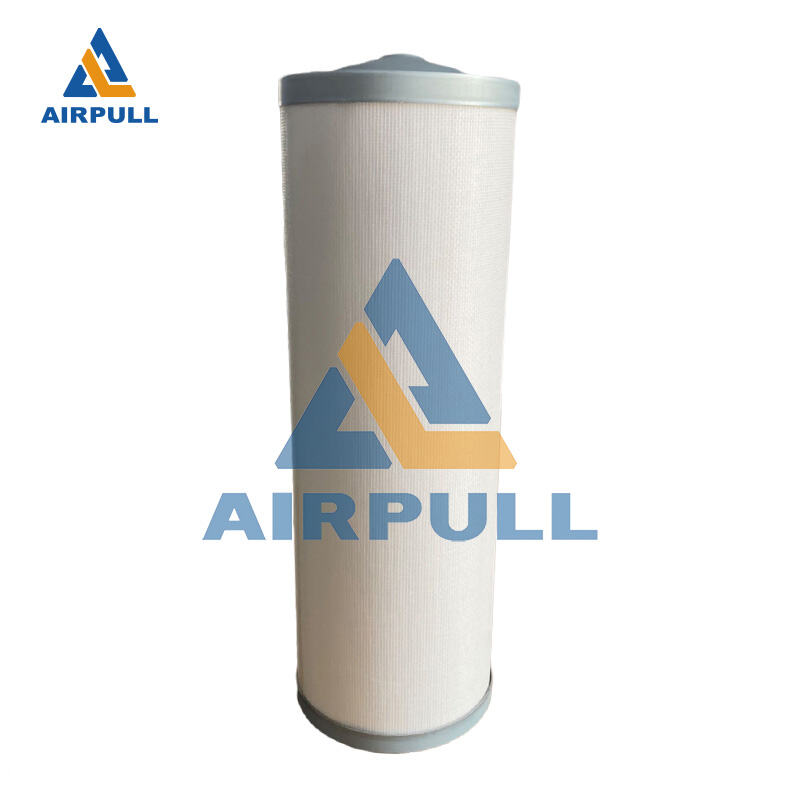
For any industrial facility that relies on compressed air systems, the filtration element is one of the most critical — and most frequently overlooked — components in the entire setup. An air compressor air filter with long service life does not happen by accident. It is the result of deliberate maintenance habits, smart installation decisions, and an understanding of how environmental and operational factors interact to degrade filtration media over time. Whether you manage a single compressor unit or a large multi-unit compressed air network, knowing how to extend filter life translates directly into reduced downtime, lower operating costs, and more consistent air quality.
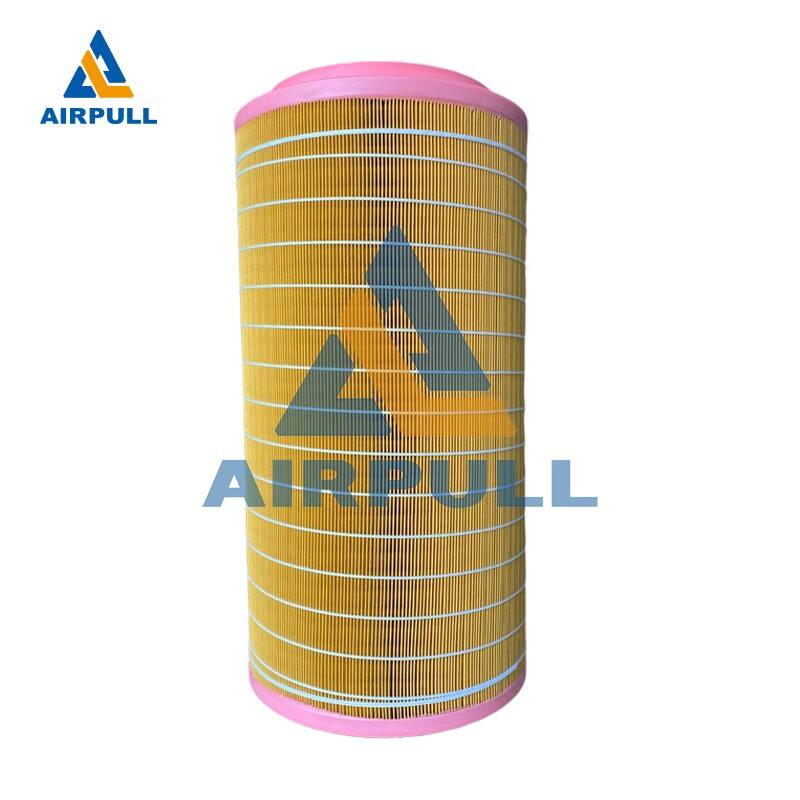
The good news is that achieving a genuinely air compressor air filter with long service life is practical and measurable. It requires moving beyond reactive maintenance — waiting until a filter is visibly clogged or a machine trips an alarm — and adopting a proactive, system-aware approach. This article breaks down the key strategies, the underlying mechanisms, and the operational discipline needed to maximize every filter's usable lifespan without compromising compressed air quality or machine integrity.
Understanding Why Air Compressor Filters Degrade Prematurely
The Role of Contaminant Load in Filter Fatigue
Every air compressor filter element is designed with a finite dust-holding capacity. When the incoming air carries a higher-than-expected concentration of particulates — whether from industrial dust, metal fines, ambient humidity, or process-generated aerosols — the filter media becomes saturated faster than its rated interval suggests. This is one of the most common reasons why operators fail to achieve an air compressor air filter with long service life: the filter is sized for average contamination, but the actual environment is significantly more demanding.
Understanding the contaminant profile of your specific facility is therefore the first step. A workshop near a cement plant will expose the compressor intake to entirely different airborne particles than an HVAC equipment room. Even seasonal changes can shift the contamination level dramatically. Identifying these variables allows you to either select a filter rated for heavier loads or take steps to reduce the incoming contamination before it reaches the filter element.
Excessive moisture in the incoming air stream is equally damaging. Water vapor that condenses within the filter housing can create a wet cake of particles on the filter surface, dramatically increasing pressure differential and accelerating structural degradation of the filtration media. Addressing moisture at the intake level — through pre-filters, coalescing separators, or simply improving ventilation around the compressor inlet — directly supports longer filter life.
Pressure Differential as a Degradation Signal
One of the most reliable indicators of filter condition is the differential pressure reading across the filter element. When this value climbs above the manufacturer's specified threshold, the filter is working harder to pass the required volume of air, which increases velocity through the remaining open pores and accelerates mechanical stress on the media. Operating a compressor past this threshold in hopes of squeezing more life from the filter often has the opposite effect — it shortens the filter's remaining usable life and risks pushing contaminants through the media under pressure.
Installing differential pressure gauges or electronic monitoring across all filter stages is a fundamental infrastructure investment for any operation serious about maintaining an air compressor air filter with long service life. These instruments give maintenance teams an objective, real-time signal rather than relying on time-based replacement schedules that may not reflect actual operating conditions. Trend-logging differential pressure over time also helps identify whether contamination levels are increasing, which may point to an upstream issue worth addressing.
Optimizing the Installation Environment
Compressor Placement and Intake Air Quality
Where a compressor is physically located has a direct and often underestimated effect on how long its air filter will last. A compressor drawing intake air from a poorly ventilated corner of a production floor — where airborne dust, oil mist, and chemical vapors accumulate — will load its filter far faster than an identical unit installed with a dedicated clean-air intake duct routed to the outside of the building or to a cleaner zone. If achieving an air compressor air filter with long service life is a priority, reviewing the intake air source is one of the highest-return interventions available.
Intake ducting should be kept as short and direct as possible to minimize pressure drop while still allowing the intake to draw from the cleanest available air source. Any bends or connections in the ductwork should be sealed properly to prevent unfiltered air from bypassing the filter element. Even small gaps in ductwork joints can introduce contaminants and accelerate filter saturation without triggering any obvious equipment alarms.
Pre-Filtration as a Protective Strategy
Implementing a pre-filtration stage upstream of the main compressor air filter is one of the most effective structural investments for extending service intervals. A coarse pre-filter captures large particles — textile fibers, dust clumps, insects, and similar debris — before they reach the finer main filtration element. Because the pre-filter handles the bulk of the gross contamination, the main filter operates with a significantly reduced particle load, allowing it to maintain lower differential pressure for a longer period.
Pre-filters are typically inexpensive, easy to inspect visually, and simple to clean or replace without taking the main compressor offline. This makes them a practical front-line defense that multiplies the effective service life of the downstream filtration components. When evaluating total filtration costs, the addition of a pre-filter stage almost always yields a net reduction in cost per operating hour by preserving the more expensive main filter elements.
For environments with elevated oil mist or chemical vapor contamination, coalescing pre-separators and activated carbon stages can be added ahead of the primary filter. These protect not only the filter media but also the compressor internals from chemical degradation, offering a compounding benefit to overall system longevity.
Maintenance Practices That Directly Extend Filter Life
Scheduled Inspection Versus Condition-Based Monitoring
Traditional maintenance programs often rely on fixed-interval replacement — changing the air filter every 2,000 or 4,000 hours regardless of its actual condition. While this approach provides a safety floor, it does not optimize for maximum useful life. A filter operating in a clean environment may still have substantial remaining capacity at its scheduled replacement point, while one in a contaminated environment may have been overdue for weeks. Transitioning to condition-based monitoring — using differential pressure as the primary trigger — is the most reliable path to achieving a consistent air compressor air filter with long service life across varied operating conditions.
Condition-based monitoring requires a modest instrumentation investment but pays back quickly in reduced unnecessary replacements and avoided emergency shutdowns caused by running filters past their safe limits. Maintenance teams should record differential pressure readings at regular intervals, note any unusual rate-of-increase trends, and use this data to refine both replacement schedules and procurement planning. The goal is to replace each filter at the optimal point — not prematurely, and not dangerously late.
Correct Handling and Installation Procedures
A surprising number of filter failures stem not from normal service loading but from damage introduced during installation. Misaligned seating, over-tightened fasteners, damaged gaskets, or contamination introduced during a filter change can all compromise the new element's integrity before it even enters service. Establishing and enforcing a documented installation procedure — including torque specifications, sealing surface inspection, and a brief post-installation pressure test — significantly reduces these avoidable failures.
Handling filter elements with clean gloves, keeping them in their original packaging until the moment of installation, and never using damaged or out-of-spec replacement elements are basic practices that collectively contribute to achieving an air compressor air filter with long service life. Contamination introduced at installation effectively shortens the new filter's starting life, negating the value of careful in-service monitoring.
It is also worth verifying that replacement elements match the original equipment specification exactly. Using an incorrect element — even one that appears physically similar — can create bypass paths, reduce filtration efficiency, or cause fit issues that stress the housing and media. Sourcing elements from reliable, specification-compliant suppliers is not a luxury; it is a fundamental requirement for consistent filter performance.
Selecting the Right Filter for Your Operating Conditions
Matching Filter Grade to Application Demands
Not all compressor air filters are designed to handle the same duty cycle. Industrial-grade elements intended for heavy or continuous-duty applications use denser, reinforced filtration media with higher dust-holding capacity compared to standard filters. Selecting a filter element engineered specifically for the demands of your operating environment is one of the most impactful decisions you can make in pursuit of an air compressor air filter with long service life. Over-specified filters for light-duty applications can be unnecessary, but under-specified filters in demanding environments will consistently underperform.
Key selection criteria include the ISO cleanliness class required by downstream equipment, the maximum allowable pressure differential across the filter, the operating temperature range, and the expected ambient contamination level. Manufacturers of quality filter elements provide detailed application data sheets that map these variables to specific element grades. Investing time in this selection process upfront eliminates many downstream problems and sets a realistic baseline for expected service intervals.
The Long-Term Economics of Premium Filter Elements
There is a common tendency in industrial procurement to default to the lowest-cost filter option at the point of purchase. However, when evaluated over a full service cycle — accounting for frequency of replacement, associated labor, compressor downtime, and the cost of any quality incidents caused by filtration failure — premium elements engineered for extended service intervals consistently show a lower total cost. An air compressor air filter with long service life reduces not just material costs but the organizational burden of frequent maintenance interventions.
Durable filter media maintains consistent filtration efficiency over its entire service life rather than degrading progressively from the initial installation. This consistency protects downstream components — valves, cylinders, instruments, and end-use equipment — from contamination that might pass through a compromised lower-quality element in its later service stages. The value delivered by maintaining clean compressed air extends far beyond the filter itself.
Procurement teams should request service life data and differential pressure test reports from filter suppliers when evaluating options. These technical documents provide an objective basis for comparing options beyond unit price, enabling a more accurate total cost of ownership calculation that reflects actual operational realities.
Monitoring Systems and Operational Discipline
Building a Data-Driven Maintenance Culture
Extending the life of an air compressor air filter with long service life is not only a technical challenge — it is an organizational one. Facilities where maintenance teams record filter change data, track differential pressure trends, and review compressor performance logs consistently outperform those where filter maintenance is handled reactively. Building a maintenance culture that values data collection and uses it to drive decisions creates a continuous improvement loop that benefits every component in the compressed air system.
Simple tools — a dedicated logbook, a spreadsheet, or an integrated computerized maintenance management system — can all support this discipline. The key is consistency: recording the date of each filter change, the differential pressure at the time of replacement, any observations about the filter's physical condition, and any concurrent operational changes that might explain deviations from expected service intervals. Over time, this data reveals patterns that allow for increasingly precise and efficient maintenance planning.
Integrating Filter Life Management into Compressor System Audits
Periodic compressed air system audits — conducted either by internal engineering staff or by qualified external specialists — provide an opportunity to evaluate filter performance as part of the broader system picture. These audits assess intake air quality, downstream air quality, pressure drop across each filtration stage, and the alignment between the installed filter specifications and the actual operating demands. Findings from these audits frequently reveal opportunities to significantly extend filter service intervals through relatively straightforward interventions.
An audit might reveal, for example, that a compressor intake is drawing from a zone where a nearby production process generates elevated particulate contamination during certain shift hours. Redirecting the intake or scheduling compressor operation to avoid peak contamination periods could meaningfully extend filter life without any change to the filter itself. These system-level insights are only accessible when filter performance is tracked and analyzed as part of a broader operational review.
FAQ
How often should I replace my air compressor air filter?
Replacement intervals depend on your specific operating environment and the differential pressure reading across the filter element. Rather than relying solely on fixed time intervals, use differential pressure monitoring to determine when a filter has reached the end of its usable life. In clean environments, an air compressor air filter with long service life may perform well beyond standard time-based schedules, while heavy-duty or contaminated environments may require earlier replacement. Always follow the element manufacturer's maximum differential pressure specification as the definitive replacement trigger.
Can cleaning an air compressor filter element extend its service life?
For most modern air compressor filter elements, cleaning is not recommended as a service life extension method. Synthetic or cellulose filter media is engineered for a single service cycle; attempting to clean it can damage the media structure, remove the surface treatment that aids initial filtration efficiency, and create micro-tears that allow contaminants to bypass the filter. The best practice is to replace the element when differential pressure reaches the specified limit rather than attempting to restore used elements. Some industrial pre-filters are designed for cleanable service, but this should be explicitly stated in the product specification.
What environmental factors most significantly shorten filter life?
High ambient particulate concentration, elevated humidity, the presence of oil mist or chemical vapors, and high temperatures are the primary environmental factors that accelerate filter degradation. Each of these factors stresses the filtration media in different ways — particle loading reduces flow area, moisture creates binding and media damage, chemical vapors can degrade binder materials, and elevated temperature affects media dimensional stability. Addressing the most significant factor in your specific environment — typically through intake air quality improvements or pre-filtration — is the highest-impact intervention for achieving an air compressor air filter with long service life.
Does the brand or grade of filter element affect achievable service life?
Yes, significantly. Filter elements vary widely in media quality, dust-holding capacity, construction integrity, and consistency of manufacturing. Industrial-grade elements with high-capacity media, robust end caps, and precision-molded sealing surfaces consistently outperform generic or low-specification alternatives in both achieved service life and sustained filtration efficiency. When evaluating replacement elements, request technical data sheets that document dust-holding capacity, rated differential pressure, and filtration efficiency by particle size class. This data provides the objective basis for selecting an element that will deliver a genuine air compressor air filter with long service life under your specific operating conditions.