EN
EN



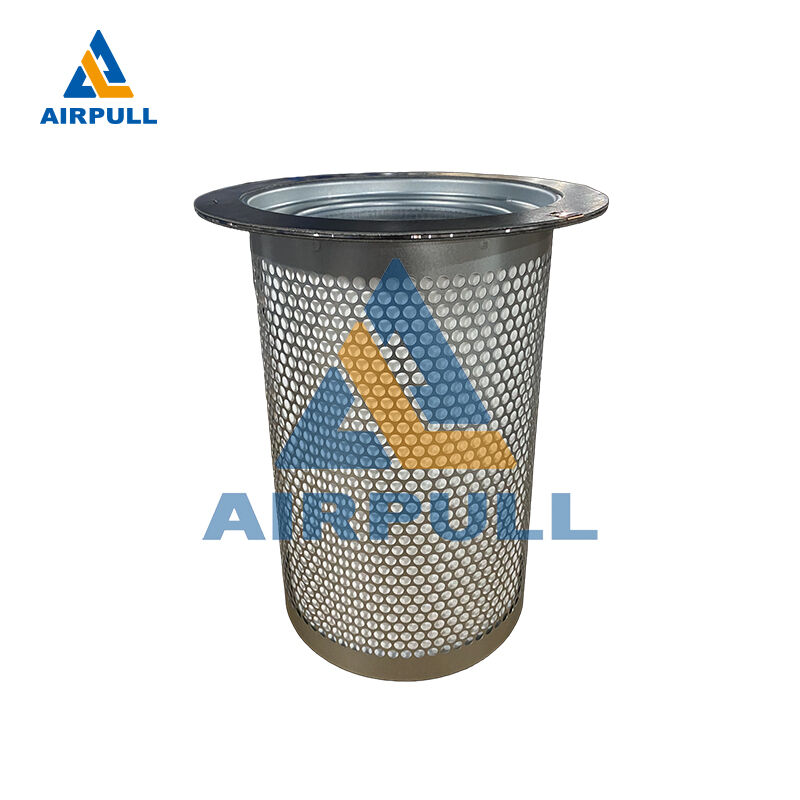
Finding the right filter across mixed compressor fleets is less about guessing part numbers and more about a repeatable validation method. In practical terms, the fastest path is to define fit, filtration, and operating constraints before you buy, then verify each constraint against a technical data sheet. For procurement and maintenance teams, this approach reduces downtime, avoids rework, and keeps service intervals predictable. When teams standardize how they evaluate an air compressor air filter compatible with international brands, they move from reactive purchasing to controlled asset reliability.
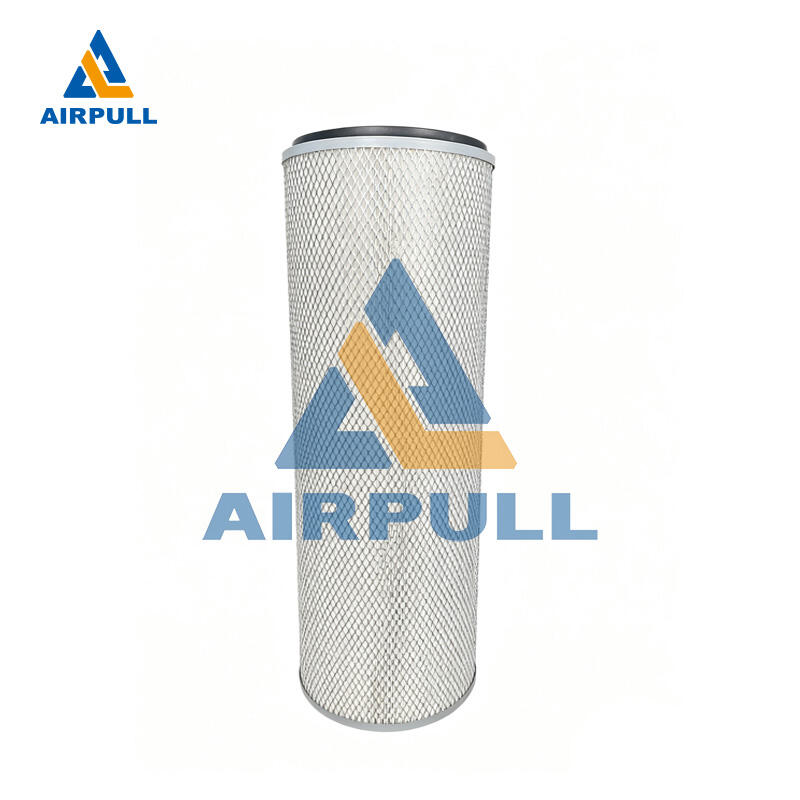
The core idea is simple: compatibility must be proven in sequence, not assumed from appearance. A qualified air compressor air filter compatible with international brands should match dimensional interfaces, airflow demand, sealing behavior, media performance, and service environment at the same time. If one element is missed, the filter may install but still fail early or compromise compressor efficiency. This guide explains how to find an air compressor air filter compatible with international brands using a step-by-step workflow built for B2B maintenance, sourcing, and engineering teams.
Start with a compatibility baseline that prevents wrong-fit purchases
Map the compressor identity and cross-reference data correctly
Before searching inventory, capture the machine model, serial range, element reference code, and housing revision details from the installed unit. Many teams skip revision tracking, but small housing changes can invalidate an assumed air compressor air filter compatible with international brands even when the model family looks identical. Build a short internal record that links machine identity to accepted filter dimensions and historical service outcomes. This baseline gives purchasing and maintenance a common technical language when requesting an air compressor air filter compatible with international brands.
Cross-reference documents should be treated as a starting point, not final proof. Use them to generate candidate part options, then validate each candidate against current housing geometry and operating conditions. In multi-site operations, keep a controlled cross-reference version so different plants do not approve conflicting substitutes. That governance step is often what separates a reliable air compressor air filter compatible with international brands program from ad hoc buying behavior.
Confirm physical fit points instead of relying on visual similarity
A filter can look correct and still be mechanically wrong by a few millimeters, which is enough to create bypass risk or assembly stress. Verify outer diameter, inner diameter, element height, end-cap construction, and gasket contact surface with measured values. For spin-on or cartridge styles, thread profile and seating depth must be confirmed with equal rigor. A true air compressor air filter compatible with international brands is one that seals as designed under actual installation torque and vibration.
Request dimensional tolerances, not just nominal dimensions, from the supplier documentation. Tolerance clarity matters when fleets include older compressor housings with wear or slight distortions. During first-fit trials, inspect sealing marks after a short run period to detect uneven contact early. This hands-on validation step is essential when approving an air compressor air filter compatible with international brands for repeated procurement.
Validate filtration performance against operating duty, not generic claims
Align media efficiency with your contamination profile and airflow demand
Compatibility is incomplete without confirming how the media behaves under your dust load, humidity profile, and compressor duty cycle. An air compressor air filter compatible with international brands should maintain appropriate particle capture while supporting required airflow over the planned service window. Ask for media type, efficiency rating context, and pressure-drop behavior at realistic flow ranges rather than idealized lab-only points. This helps teams avoid filters that fit physically but create avoidable energy penalties.
In industrial settings with variable airborne particles, media loading behavior can change significantly between seasons or process states. Review historical differential pressure trends from your compressors and compare expected rise rates for candidate elements. When those curves align, you gain confidence that the air compressor air filter compatible with international brands you select will perform consistently in real operation. This is especially important in sites where airflow demand is high and unplanned service access is expensive.
Check pressure drop and service interval behavior as a system outcome
Pressure drop should be evaluated as part of system efficiency, not as an isolated filter metric. A well-matched air compressor air filter compatible with international brands keeps initial restriction controlled and slows restriction growth during use, which stabilizes compressor power draw. When initial drop is too high, energy use rises immediately; when growth is too fast, maintenance intervals collapse. Both issues increase total cost even if unit price looks attractive.
Use a pilot batch to compare runtime outcomes under normal production load. Measure hours to maintenance threshold, not just days on calendar, because duty intensity drives filter life. Capture differential pressure and visual media condition at removal to refine future purchasing decisions. Over time, this creates evidence-based approval criteria for each air compressor air filter compatible with international brands in your fleet.
Evaluate sealing reliability and material durability in real environments
Assess gasket behavior, end-cap quality, and structural integrity under stress
Sealing reliability is often the hidden failure point in cross-brand replacement programs. Even when dimensions appear correct, gasket compound hardness and resilience can determine whether an air compressor air filter compatible with international brands maintains a stable seal through thermal cycling. End-cap bond quality also matters because vibration and pressure pulses can weaken poor adhesion over time. These details should be verified in technical documentation and field inspection records.
Look for consistency in pleat geometry and support structure, especially for applications with high airflow fluctuations. Weak structural support can deform media and create local bypass paths before scheduled replacement. During incoming inspection, compare construction uniformity across batches to detect quality drift early. A dependable air compressor air filter compatible with international brands must show repeatable build quality, not just one successful sample.
Match material selection to heat, moisture, and contaminant exposure
Industrial compressor rooms often combine elevated temperatures, moisture variation, and fine process contaminants that challenge filter materials. The selected air compressor air filter compatible with international brands should use media and seal materials appropriate for your ambient range and contamination chemistry. Material mismatch can shorten life dramatically, even when fit and initial performance are acceptable. This is why environmental context should be part of the qualification checklist, not an afterthought.
For demanding duty cycles, ask how the media resists collapse, moisture loading, and repeated thermal transitions. Confirm storage handling requirements as well, since poor storage can degrade gasket and media performance before installation. Teams that document environmental suitability alongside dimensions and pressure-drop expectations make fewer emergency changes later. That discipline improves confidence in each approved air compressor air filter compatible with international brands.
Build a procurement and verification workflow that scales across sites
Create a controlled approval path from sample to standard part
Once technical criteria are defined, formalize an approval process that starts with a limited trial and ends with controlled release to purchasing systems. Record measured fit, startup behavior, pressure trend, and removal condition for each candidate air compressor air filter compatible with international brands. Include sign-off from maintenance and reliability stakeholders so approval reflects operational reality, not only catalog data. This structure prevents inconsistent decisions between plants and shifts.
A practical source example for evaluation can be referenced here: air compressor air filter compatible with international brands. Use this type of reference as an input to your validation workflow, then confirm exact technical fit against your own compressor requirements. The key is not where a candidate is found, but whether your internal evidence confirms compatibility. Procurement performance improves when every approved air compressor air filter compatible with international brands has traceable validation records.
Manage lifecycle data to reduce downtime and total ownership cost
After rollout, track service intervals, differential pressure trends, and failure incidents by site and compressor model. This turns each installed air compressor air filter compatible with international brands into a data point that strengthens future decisions. With enough history, teams can forecast replacement timing more accurately and avoid stockouts or premature changes. Better planning reduces emergency labor and stabilizes compressed air reliability for production operations.
Integrate approved part records with maintenance planning and purchasing controls so substitutions are reviewed, not improvised. When a new candidate appears, require the same validation sequence before fleet-wide use. This keeps compatibility standards stable even as sourcing conditions change. In mature programs, the result is a consistent pipeline for selecting an air compressor air filter compatible with international brands without sacrificing technical confidence.
FAQ
How quickly can a plant qualify a new compatible filter across multiple compressor models?
A focused qualification can be completed quickly when dimensional data, operating conditions, and trial metrics are prepared in advance. Most delays come from incomplete machine records or inconsistent test criteria between departments. If the workflow is standardized, a new air compressor air filter compatible with international brands can move from sample testing to controlled approval within a normal maintenance cycle. The quality of documentation is usually the deciding factor for speed.
Is dimensional matching enough to confirm cross-brand compatibility?
Dimensional matching is necessary but not sufficient. You also need evidence for media performance, pressure-drop behavior, sealing stability, and environmental durability under your duty cycle. A filter that only matches size may still underperform or fail early in service. True approval of an air compressor air filter compatible with international brands requires both fit validation and operating validation.
What internal teams should be involved in compatibility decisions?
Maintenance, reliability, and procurement should all participate because each group sees a different risk surface. Maintenance confirms install behavior, reliability validates runtime impact, and procurement controls repeatability and supply discipline. When these teams share one evidence template, decisions become faster and more consistent. That collaboration is central to selecting the right air compressor air filter compatible with international brands at scale.
How do we avoid frequent filter changes after switching to a new option?
Frequent changes usually indicate that service intervals were estimated from catalog assumptions rather than site conditions. Use pilot data on pressure-rise rate, contaminant exposure, and duty pattern to set realistic intervals, then adjust with real operational feedback. Verify that sealing and media condition at removal match expected wear patterns, not failure patterns. This keeps each deployed air compressor air filter compatible with international brands aligned with reliability goals instead of creating recurring maintenance disruptions.