EN
EN



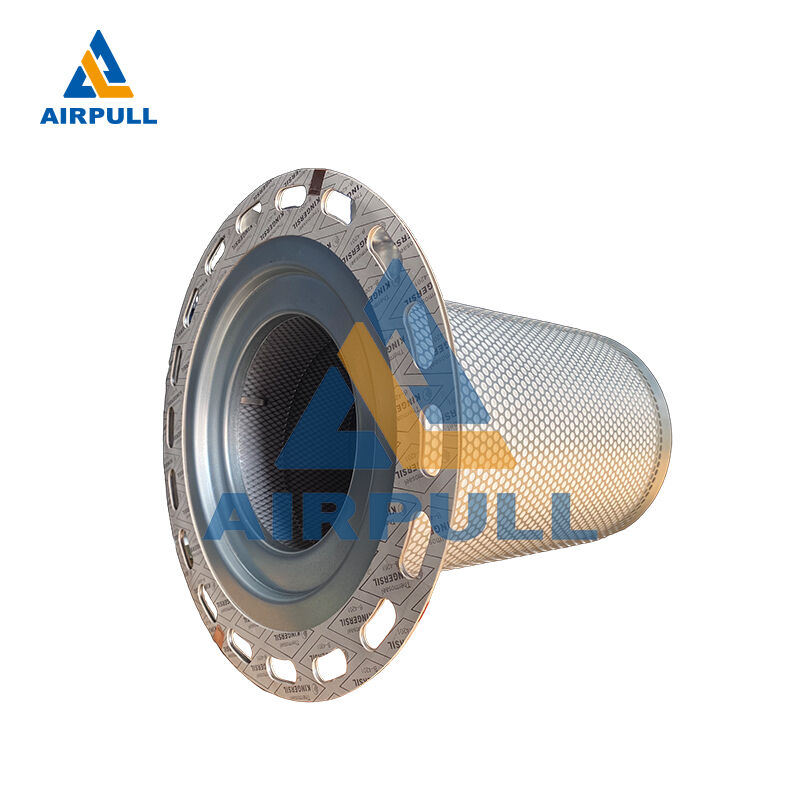
Testing an air filter in a high-demand compressed air system is not just a maintenance routine; it is a control point for energy use, uptime, and downstream air quality. If your process depends on stable pressure and consistent volume, the way you test air compressor air filter high flow rate performance has a direct effect on production reliability. A proper test method gives you evidence before failure appears as heat, pressure drop, or unstable line performance.
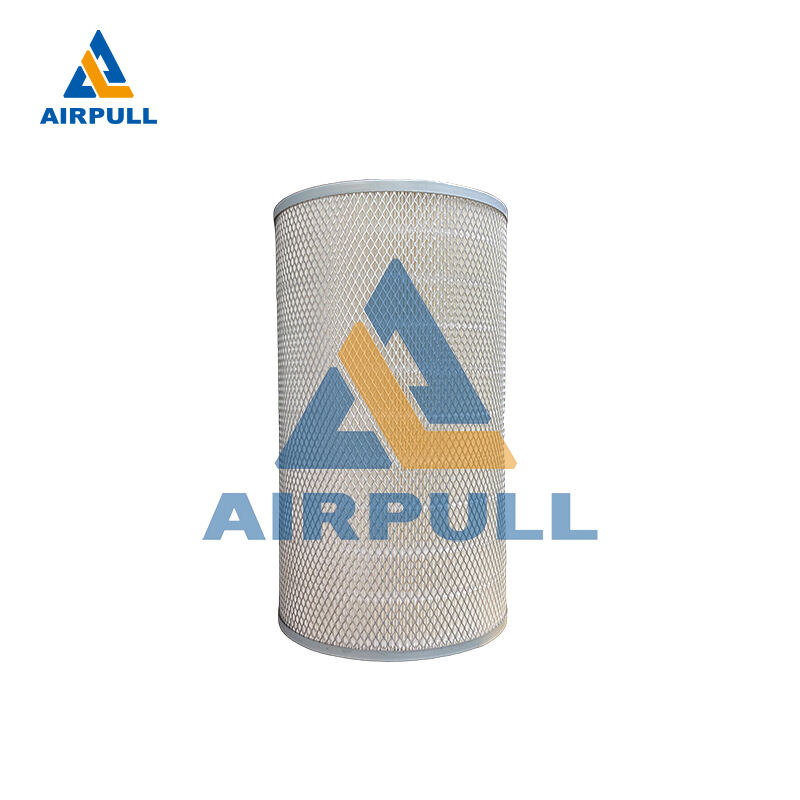
This guide explains how to test an air compressor air filter high flow rate setup in a way that matches industrial operating reality. Instead of relying on one quick reading, you will validate condition through baseline capture, loaded checks, trend interpretation, and pass or replace decisions. The goal is to move from reactive replacement to predictable performance control for any air compressor air filter high flow rate operating under variable demand.
Define the Test Objective Before Measuring
Align filter testing with actual operating duty
Before touching instruments, define what the filter must deliver at real production load. An air compressor air filter high flow rate component may perform well at idle but fail when airflow surges during full shift operation. Your test objective should therefore match peak duty cycles, not workshop assumptions. This keeps the air compressor air filter high flow rate assessment tied to business-critical conditions.
Set a target around pressure stability, acceptable differential pressure, and flow continuity through the shift window that matters most. In many plants, that is startup, changeover, and sustained high draw periods. If your air compressor air filter high flow rate test is only done during low demand, you can miss blockage behavior that appears only under velocity stress. A useful test objective is always load-specific and time-specific.
Establish acceptance criteria before data collection
Testing is only actionable when pass and fail thresholds are clear in advance. For an air compressor air filter high flow rate check, define acceptable pressure drop range, trend limits over time, and alarm points for immediate intervention. This avoids subjective interpretation after the readings are collected. It also ensures different technicians evaluate air compressor air filter high flow rate data the same way.
Acceptance criteria should include both absolute values and rate-of-change limits. A filter that is still within limit today may still be deteriorating too quickly for safe operation next week. By combining current condition and deterioration speed, your air compressor air filter high flow rate program supports scheduling decisions instead of emergency replacement decisions. That is where testing creates operational value.
Build a Reliable Baseline for Comparison
Capture clean-condition reference values
A baseline is the foundation of every effective air compressor air filter high flow rate test. Right after installing a confirmed clean element, record inlet pressure, outlet pressure, differential pressure, ambient temperature, and compressor load state. These values define what healthy operation looks like in your specific line. Without this reference, later air compressor air filter high flow rate readings cannot be interpreted with confidence.
Collect baseline data across more than one operating point, including normal and high-demand states. High flow systems often show non-linear pressure behavior as velocity increases, so a single baseline snapshot can be misleading. A multi-point baseline lets you compare future air compressor air filter high flow rate performance against the same duty profile. This improves accuracy in maintenance timing.
Verify instrument quality and measurement consistency
Testing errors often come from instruments, not filters. Use calibrated gauges or transmitters, check response lag, and confirm sensor placement is consistent across every air compressor air filter high flow rate test cycle. Small placement differences can produce meaningful variation in differential pressure readings. Standardized setup protects data quality and prevents false replacement decisions.
Measurement consistency also requires procedural discipline. Record readings after stabilization time, not during transients unless transient behavior is the explicit test objective. When operators collect data in different ways, trend lines become noisy and hard to trust. A repeatable method turns each air compressor air filter high flow rate inspection into comparable evidence rather than isolated observations.
Run Performance Tests Under Real Load Conditions
Measure differential pressure across the full flow envelope
The core field test for an air compressor air filter high flow rate assembly is differential pressure under controlled operating steps. Check low, medium, and peak flow states, and hold each state long enough for stable readings. Rising differential pressure at high demand usually indicates loading or media restriction. This step directly reveals whether the air compressor air filter high flow rate unit can support required throughput.
Do not evaluate readings in isolation from compressor behavior. If pressure control loops are compensating aggressively, the filter may already be imposing hidden energy cost. Link differential pressure data with compressor power trend and discharge stability where possible. This gives a fuller view of air compressor air filter high flow rate impact on total system efficiency and controllability.
Observe flow stability and pressure recovery behavior
High flow filters should not only pass volume; they should recover quickly after demand spikes. During testing, create a repeatable load increase and then a load reduction, and monitor response. A healthy air compressor air filter high flow rate condition shows smooth pressure behavior without delayed recovery or oscillation. Slow recovery may indicate partial blockage or structural media fatigue.
Flow stability checks are especially important in lines feeding sensitive pneumatic tools or process controls. Even moderate instability can appear as inconsistent cycle times, actuator lag, or quality drift in downstream operations. By including dynamic response in your air compressor air filter high flow rate protocol, you detect performance issues that static readings alone may miss. This reduces hidden production risk.
Check contamination indicators and physical condition
Instrument readings should be paired with a controlled visual inspection. Look for dust loading patterns, media deformation, seal compression wear, and housing seating condition. A damaged seal can bypass filtration even when an air compressor air filter high flow rate pressure profile looks acceptable. Mechanical integrity is part of test validity, not a separate task.
Physical findings help explain unusual data signatures. For example, sudden pressure drop improvement may indicate rupture or bypass rather than better flow. That is why every air compressor air filter high flow rate assessment should combine measured parameters with condition evidence. Data plus inspection creates a complete diagnostic picture.
Interpret Results and Set a Replacement Decision Rule
Use trend analysis instead of one-time pass or fail
A single test can confirm immediate suitability, but trend analysis determines maintenance strategy. Plot each air compressor air filter high flow rate reading against operating hours and duty intensity to identify degradation slope. Stable slope means predictable service life, while acceleration indicates a rising risk window. Trend-based interpretation supports planned intervention instead of reactive shutdowns.
Include context markers in your records such as seasonal dust conditions, process changes, and shift utilization differences. These factors affect loading rates and can distort simple hour-based assumptions. A mature air compressor air filter high flow rate program converts raw readings into condition intelligence. That intelligence is what drives better budget and reliability outcomes.
Define practical trigger points for action
Your team needs clear triggers: continue operation, schedule replacement, or replace immediately. For each air compressor air filter high flow rate location, define trigger thresholds for differential pressure, instability patterns, and abnormal deterioration rate. Include a caution band before the hard limit so planners can align maintenance with production windows. This avoids rushed interventions and excess inventory.
Action rules should also include post-replacement verification. After changing an element, rerun the same air compressor air filter high flow rate test sequence and compare with baseline values. If expected improvement does not appear, the root cause may be elsewhere in the intake path or measurement setup. Verification closes the loop and prevents repeated misdiagnosis.
Integrate findings into ongoing reliability routines
Testing delivers the most value when built into a regular reliability cycle rather than treated as occasional troubleshooting. Assign ownership, frequency, documentation format, and escalation paths for each air compressor air filter high flow rate checkpoint. Standard integration keeps data continuity intact even when staffing changes. It also improves confidence in long-term patterns.
When test outcomes are reviewed with operations and maintenance together, decisions become faster and more balanced. Operations teams provide demand context, while maintenance teams provide condition insight. This collaboration helps your air compressor air filter high flow rate strategy support both uptime and energy goals. The result is a more stable compressed air system with fewer surprises.
FAQ
How often should I test an air compressor air filter high flow rate setup?
Frequency should match contamination exposure and duty severity, not a generic calendar. In high dust or high utilization environments, monthly checks are common, while cleaner and steadier applications may use longer intervals. The key is consistent trending so air compressor air filter high flow rate deterioration is detected before it affects production.
Can a filter pass differential pressure checks but still be a problem?
Yes, it can. Seal damage, media defects, or bypass paths may allow contamination even when pressure drop looks normal. That is why an air compressor air filter high flow rate test should always include both measured performance and controlled physical inspection.
What is the most common mistake in high flow filter testing?
The most common mistake is testing at low or inconsistent load and assuming the result represents real production conditions. An air compressor air filter high flow rate element may behave very differently near peak airflow. Testing must reflect actual operating demand to be decision-useful.
How do I know whether replacement improved system performance?
Use the same test method before and after replacement and compare against your clean baseline. Look for lower differential pressure at equivalent flow, smoother recovery after demand spikes, and improved pressure stability. When these indicators improve together, your air compressor air filter high flow rate replacement delivered measurable benefit.