EN
EN



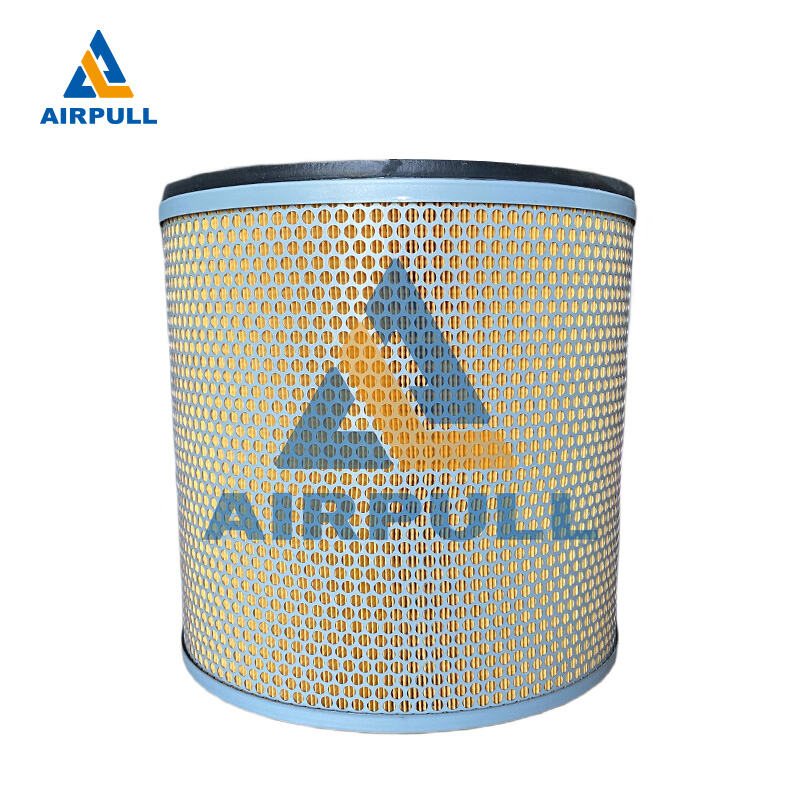
Choosing the right air intake filter for a screw compressor is not a cosmetic maintenance decision; it is a reliability decision that affects uptime, energy efficiency, and downstream air quality. The practical way to make that choice is to match the filter specification to your compressor duty cycle, environmental dust load, pressure drop limits, and maintenance resources. In most industrial plants, the correct air compressor air filter for screw type compressors is the one that protects rotors consistently without creating avoidable restriction as loading conditions change.
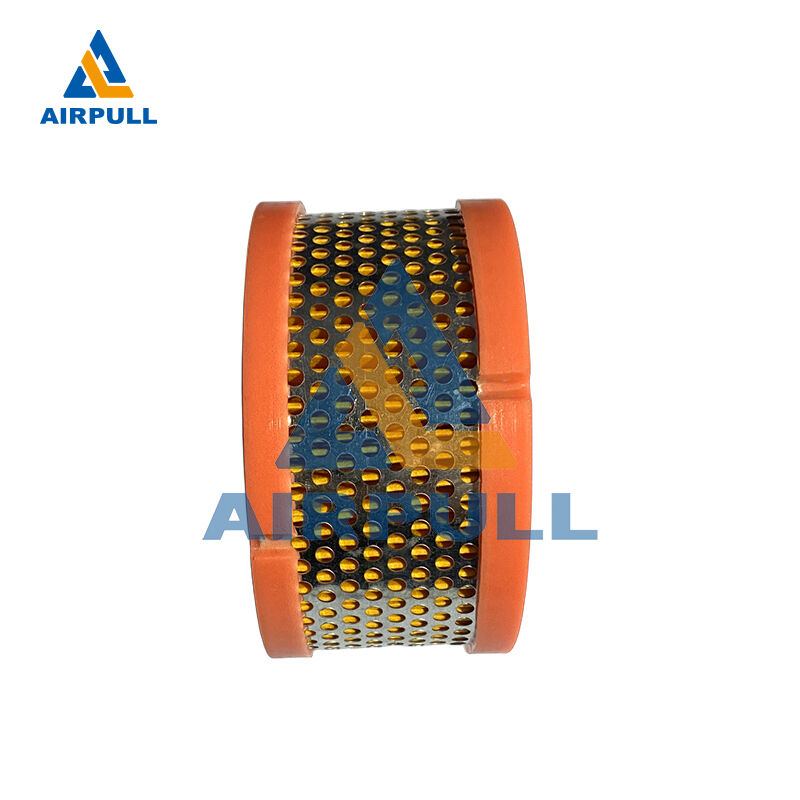
A lot of selection errors happen because teams buy by dimensions alone or by lowest purchase price, then discover frequent clogging, higher pressure drop, and unstable compressor temperature. A better approach is to define performance needs first and size the filter solution around real operating data. When you evaluate air compressor air filter for screw type compressors options through that process, you reduce unplanned shutdown risk and get a more predictable maintenance interval.
Start with Operating Conditions and Risk Profile
Map airflow demand and compressor loading behavior
Before selecting any air intake element, document how the compressor actually runs across shifts. A filter that works under light cyclic demand may fail early under sustained high-load operation, even when both units use similar housings. Your baseline should include rated flow, average loading percentage, seasonal peak demand, and any prolonged full-load windows that increase contaminant ingestion.
This operating map gives context for selecting the right air compressor air filter for screw type compressors because filter media loading is directly linked to volumetric intake and exposure duration. If intake volume is high for long periods, a larger effective media area is often needed to keep pressure drop stable over service life. That stability matters because rising restriction can raise energy use and push the compressor into less efficient control behavior.
In plants with multiple compressors, do not assume one filter model is automatically correct for all units. Even identical machines may run under different control logic and duty patterns. A properly matched air compressor air filter for screw type compressors should align with the specific machine’s real airflow profile, not just the nameplate rating.
Assess ambient contamination and ingestion pathways
Ambient conditions decide how quickly filter media loads and what particle spectrum the filter must capture. Facilities near cement handling, textile processing, packaging fibers, welding bays, or unsealed yards expose compressors to very different airborne contaminants. Intake duct placement also changes the contamination profile, especially when ducts are close to doors, truck routes, or process exhaust points.
When you evaluate contamination risk, think in terms of both particle concentration and particle type. Dry coarse dust behaves differently from sticky aerosols or fibrous particles, and each pattern affects service life. Selecting an air compressor air filter for screw type compressors with suitable media structure and loading characteristics helps avoid rapid clogging and prevents bypass risk caused by distorted elements.
It is also wise to include seasonal shifts in the assessment. Construction activity, harvest periods, humidity swings, and storm seasons can all change intake burden. A resilient air compressor air filter for screw type compressors strategy should cover those peaks without forcing emergency replacement cycles.
Define Technical Selection Criteria Before Purchase
Set acceptable pressure drop and efficiency balance
Filter selection is always a balance between capture efficiency and airflow resistance. Very fine media may improve particulate removal but can create high initial restriction or faster differential pressure rise if sizing is insufficient. For screw compressors, the goal is not maximum theoretical filtration at any cost; it is reliable protection with controlled pressure drop across the service interval.
A practical specification for air compressor air filter for screw type compressors should include initial pressure drop range, recommended replacement differential pressure, and expected stability over operating hours. These metrics let maintenance teams compare options on life-cycle behavior rather than purchase price alone. They also make energy impact visible, which is critical in plants where compressed air is a major utility cost.
If a candidate filter has no clear pressure-drop curve or no test context, treat that as a data gap. Selecting air compressor air filter for screw type compressors without verified flow-resistance information increases the chance of hidden operating costs and premature element changes.
Verify fit, sealing integrity, and mechanical durability
Dimensional compatibility is necessary but not sufficient. You need a sealing design that maintains integrity under vibration, pulsing intake, and thermal cycling. A small mismatch in gasket compression or end-cap rigidity can allow dirty-air bypass, which undermines the purpose of the filter even when media quality is acceptable.
For this reason, inspect construction details such as pleat uniformity, adhesive consistency, end-cap strength, and collapse resistance. A durable air compressor air filter for screw type compressors should maintain shape under real intake stress and avoid pleat bridging that reduces active media area. Mechanical resilience directly influences both filtration performance and interval predictability.
Housing condition matters too. Even a high-quality air compressor air filter for screw type compressors cannot perform well if the airbox is warped, corroded, or poorly latched. Selection and installation should be treated as one system decision, not separate tasks.
Match Filter Choice to Maintenance Reality
Build replacement intervals from condition trends
Many teams still change filters strictly by calendar, but screw compressor environments vary too much for rigid dates to be efficient. A better method is to establish interval targets using pressure drop trend data, visual inspection findings, and operating-hour context. This keeps maintenance proactive while avoiding unnecessary early replacements.
When choosing an air compressor air filter for screw type compressors, ask whether your team can track condition consistently. If differential pressure is monitored, select media and size that produce a predictable rise curve and clear replacement threshold. If monitoring is limited, choose a conservative specification that tolerates variability without sudden restriction spikes.
Condition-based planning also helps with spare inventory. Instead of overstocking uncertain items, you can hold the right number of air compressor air filter for screw type compressors elements based on real consumption patterns and contamination seasonality.
Prevent installation errors and handling damage
Even a well-selected filter can fail early if installation discipline is weak. Common issues include dirty housing interiors during changeout, damaged gaskets from forced insertion, and incomplete seating that creates bypass channels. Standardized handling procedures reduce these avoidable losses.
The selected air compressor air filter for screw type compressors should be practical for your maintenance environment, including access constraints and technician workflow. If replacement requires excessive force or awkward positioning, sealing reliability can suffer. Ease of correct installation is an important, often underestimated selection criterion.
Documenting torque or latch checks, housing cleaning steps, and post-install pressure readings creates a feedback loop for continuous improvement. Over time, that discipline improves the real value delivered by each air compressor air filter for screw type compressors purchase.
Validate Performance After Commissioning
Track energy, temperature, and differential pressure signals
The selection process is incomplete until you verify field performance. After installing a new specification, monitor key signals such as intake differential pressure trend, compressor specific power behavior, and operating temperature stability. These indicators show whether the filter choice is supporting efficient and safe operation under real production conditions.
A well-matched air compressor air filter for screw type compressors should show stable early-life pressure behavior and a gradual, predictable loading pattern. Sudden restriction growth usually points to contamination mismatch, sizing limitations, or installation issues. Verification data helps you correct quickly before reliability problems spread to oil separation or airend wear risk.
Treat this validation as part of procurement learning. Each maintenance cycle improves your specification quality, making future air compressor air filter for screw type compressors decisions faster and more accurate.
Use total cost of ownership instead of unit price
The cheapest element is not always the most economical once energy impact, change frequency, labor hours, and downtime exposure are considered. Total cost of ownership gives a clearer view of value, especially in high-utilization plants where small pressure-drop penalties compound over time.
When comparing options, evaluate the full operating footprint of each air compressor air filter for screw type compressors candidate: expected interval, resistance profile, installation reliability, and contribution to compressor stability. This framework moves selection away from short-term spending and toward long-term productivity protection.
In practice, organizations that formalize this approach usually see fewer emergency replacements and more consistent compressed air system behavior. That is the core outcome of choosing the right air compressor air filter for screw type compressors for your specific operating context.
FAQ
How often should an air compressor intake filter be replaced on a screw compressor?
Replacement frequency depends on contamination load, running hours, and acceptable differential pressure limit, not calendar alone. In clean environments, an air compressor air filter for screw type compressors may run a longer interval, while dusty facilities may require much earlier changes. The most reliable method is to combine pressure-drop monitoring with scheduled inspection and replace when the trend reaches your defined threshold.
Can a higher-efficiency filter reduce compressor damage risk?
Yes, but only when efficiency is balanced with airflow resistance and correct sizing. A properly selected air compressor air filter for screw type compressors can reduce contaminant entry and support rotor protection, yet an overly restrictive option can increase energy use and stress operation. The right choice is the one that delivers protective filtration with stable pressure behavior across the service interval.
What is the biggest mistake when choosing a filter for a screw compressor?
The most common mistake is selecting by dimensions and price alone while ignoring duty cycle, ambient dust profile, and pressure-drop performance data. That shortcut often leads to short service life and unstable operating cost. A better decision process evaluates each air compressor air filter for screw type compressors option against real plant conditions and maintenance capability.
Does intake filter selection affect downstream air system performance?
Indirectly, yes. When an air compressor air filter for screw type compressors maintains stable intake conditions, compressor efficiency and temperature control are more predictable, which supports consistent air supply behavior. Poor intake filtration can contribute to higher operational variability and increased risk of interruptions that impact downstream processes.