EN
EN



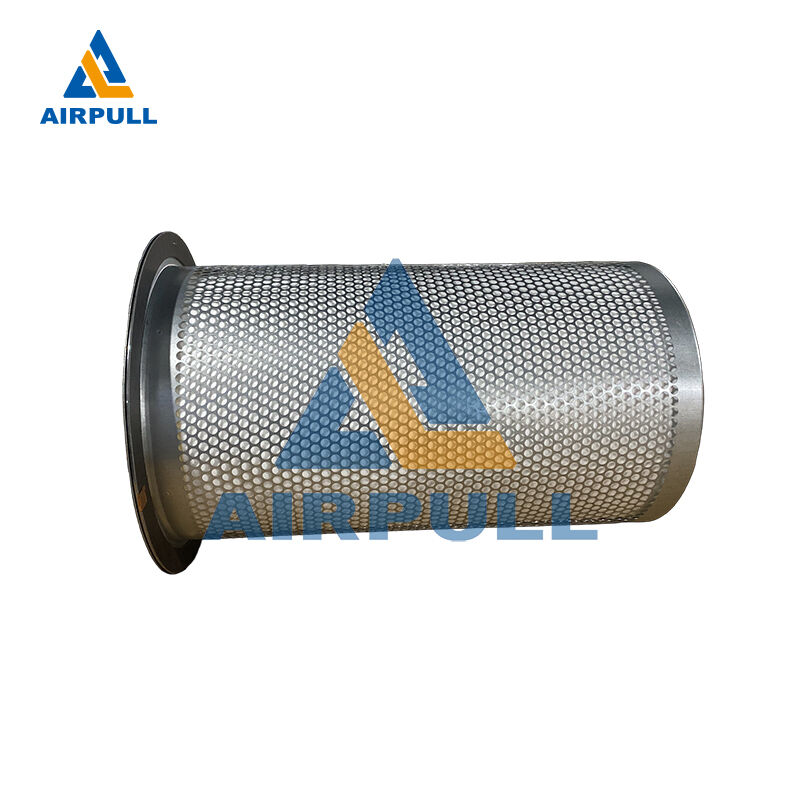
Maintaining filtration in heavy-duty plants is not a side task; it is a reliability process that directly affects uptime, energy use, and equipment life. If your goal is to understand how to maintain an air compressor air filter for industrial machinery, the practical answer is to treat maintenance as a cycle of inspection, condition tracking, cleaning or replacement, and post-service validation. When that cycle is done consistently, airflow stays stable and downstream systems avoid avoidable stress. When it is done reactively, pressure drop rises, contamination risk grows, and failure patterns accelerate.
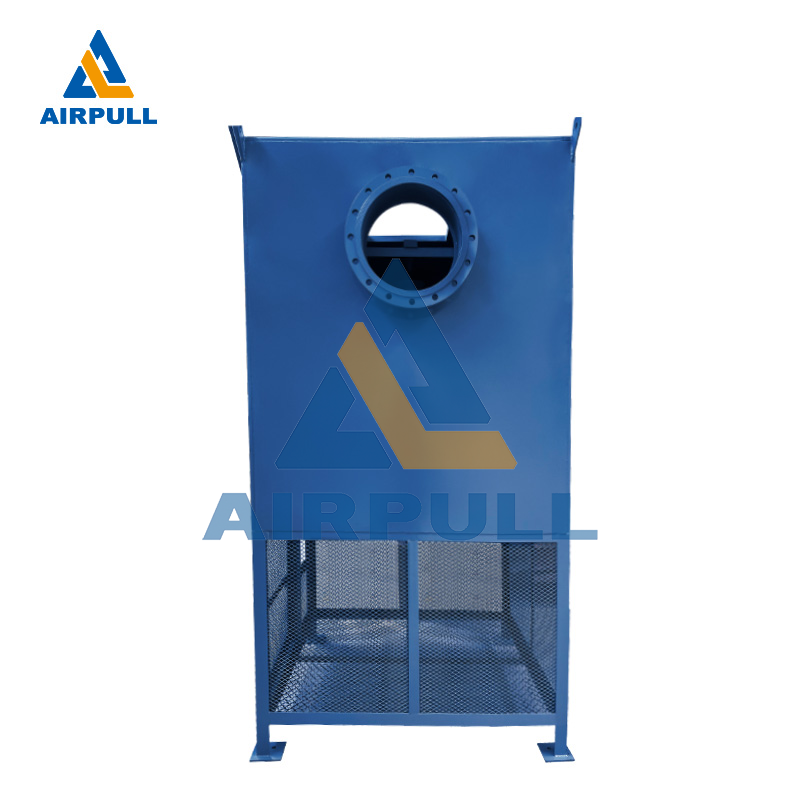
A strong maintenance method for an air compressor air filter for industrial machinery starts with operating context, not just a calendar date. Dust load, humidity, compressor duty cycle, intake location, and shutdown behavior all change service intervals. In real industrial settings, the most dependable teams combine routine checks with trend-based decisions, so each air compressor air filter for industrial machinery is serviced at the right moment rather than too early or too late. This article lays out that workflow step by step so maintenance decisions become repeatable across shifts and facilities.
Build a Maintenance Baseline Before Any Service Work
Define operating conditions and contamination profile
The first step in maintaining an air compressor air filter for industrial machinery is defining where and how the machine breathes. Intake points near loading docks, grinding lines, textile handling, or cement transfer experience very different particle patterns, and those differences set the true maintenance rhythm. A filter exposed to intermittent fine dust behaves differently from one exposed to coarse debris and moisture bursts.
Documenting contamination type helps you decide whether your air compressor air filter for industrial machinery needs frequent surface cleaning, deeper media inspection, or shorter replacement intervals. This baseline prevents guesswork and gives technicians a common reference. It also reduces inconsistency when multiple teams maintain similar units in different production zones.
Set measurable indicators for filter condition
A maintenance baseline should include measurable indicators that show filter health over time. Differential pressure trend, compressor temperature drift, and observed intake cleanliness are practical markers that connect directly to airflow quality. Without those markers, an air compressor air filter for industrial machinery may appear acceptable while quietly restricting throughput.
Use the same recording method each cycle so trend lines remain comparable. Consistent records make it easier to distinguish normal loading from abnormal clogging events caused by process changes or seasonal dust spikes. Over several service cycles, your air compressor air filter for industrial machinery maintenance plan becomes data-driven rather than purely schedule-driven.
Run a Structured Inspection Routine on Every Cycle
Perform external checks before opening housing
Before opening the housing, inspect seals, clamps, ducts, and the intake path for leaks or bypass points. Even a high-quality air compressor air filter for industrial machinery cannot protect equipment if unfiltered air enters around damaged gaskets or loose connections. External inspection is quick, but it often identifies the real source of contamination problems.
Check for signs of vibration wear around mounting points and verify that service access panels close evenly. Uneven closure can create edge leakage and reduce effective filtration. For each air compressor air filter for industrial machinery, a clean sealing path is as important as clean filter media.
Inspect filter media with condition-focused criteria
Once opened safely, inspect pleat integrity, dust cake distribution, moisture marks, and deformation. A uniform dust layer may indicate predictable loading, while patchy buildup can signal airflow imbalance or housing distortion. Maintenance staff should evaluate each air compressor air filter for industrial machinery against the same condition criteria to avoid subjective decisions.
Look for tearing, collapsed pleats, hardened sections, or oil contamination, all of which reduce filtration efficiency and increase pressure demand. When these signs appear, cleaning alone may not restore performance. In that case, replacing the air compressor air filter for industrial machinery is usually more cost-effective than forcing extended use with compromised media.
Apply Correct Cleaning and Replacement Logic
Use cleaning methods that protect media structure
Not every filter is designed for repeated cleaning, and incorrect cleaning can shorten life faster than normal operation. For reusable designs, follow controlled pressure and direction so particles are removed without rupturing fibers. Overaggressive cleaning can turn a usable air compressor air filter for industrial machinery into a leakage risk within one service cycle.
During cleaning, handle the element by its rigid frame rather than compressing pleats by hand. Mechanical distortion changes airflow channels and may create high-velocity zones that trap less efficiently. A carefully maintained air compressor air filter for industrial machinery should return to service with intact geometry and predictable resistance.
Replace at performance limits, not at arbitrary intervals
Replacement decisions should be tied to your condition indicators and operating demands. When pressure drop remains elevated after approved cleaning, or when media damage is visible, replacement is the right action. Extending a failing air compressor air filter for industrial machinery can increase compressor workload and energy cost while reducing process stability.
When selecting a new unit, confirm compatibility with airflow requirement, particle profile, and housing fit. Many teams standardize around a proven specification such as air compressor air filter for industrial machinery to keep performance consistent across multiple assets. Standardization also simplifies training and spare inventory planning.
Validate Performance After Service and Optimize Intervals
Confirm post-maintenance operating stability
After reinstalling or replacing an air compressor air filter for industrial machinery, restart under controlled load and verify key readings. Stable pressure behavior, normal intake response, and expected compressor sound profile indicate proper installation. Immediate validation catches installation errors before they become production interruptions.
Technicians should also confirm that seals remain seated after warm-up and vibration settles. A filter that appears secure during shutdown can shift slightly during operation. Reliable maintenance of an air compressor air filter for industrial machinery always includes this post-service verification step.
Turn maintenance records into interval optimization
Maintenance records are most useful when they are analyzed, not just archived. Compare service interval length against pressure trend and contamination severity to refine timing by area or machine class. Over time, your air compressor air filter for industrial machinery program becomes more precise, lowering unnecessary replacements without risking performance.
This optimization approach is especially valuable in plants where environmental conditions shift by season or production mix. Instead of one fixed schedule for every line, teams can assign adaptive intervals grounded in evidence. The result is better reliability, lower labor waste, and longer useful life for each air compressor air filter for industrial machinery in the fleet.
Integrate Filter Care Into Broader Reliability Management
Align filtration tasks with shutdown and inspection windows
Filter maintenance works best when coordinated with planned stoppages, compressor checks, and intake pathway cleaning. Integrating these activities reduces repeated downtime and ensures each air compressor air filter for industrial machinery is serviced in a complete system context. Coordination also prevents situations where a clean filter is installed into a dirty intake path.
In multi-line operations, synchronized windows improve labor efficiency and create cleaner maintenance documentation. Teams can compare similar machines serviced under similar conditions, making anomalies easier to detect. This gives your air compressor air filter for industrial machinery workflow a stronger reliability impact than isolated one-off tasks.
Strengthen technician consistency through standard procedures
Consistency is a major factor in filtration outcomes, especially across rotating shifts. Clear procedures for inspection points, pass-fail criteria, handling method, and record format ensure each air compressor air filter for industrial machinery receives the same level of care. Standard work reduces variability that often causes premature failures.
Short refresher training keeps teams aligned as equipment ages or process conditions change. Even experienced personnel benefit from calibrated criteria and shared examples of acceptable versus unacceptable media condition. With that discipline, maintenance of an air compressor air filter for industrial machinery becomes repeatable, auditable, and easier to improve year after year.
FAQ
How often should an air compressor air filter for industrial machinery be checked?
A practical starting point is a routine visual and performance check every operating week, then adjustment based on contamination load and pressure trend behavior. High-dust environments may require more frequent checks, while cleaner environments can run longer intervals. The right frequency is determined by condition data, not by a fixed calendar alone.
Can I clean every air compressor air filter for industrial machinery instead of replacing it?
Not always. Some filter designs support controlled cleaning cycles, while others are replacement-oriented and lose performance after aggressive handling. Follow the filter specification and replace when media integrity, pressure recovery, or sealing reliability no longer meets operating requirements.
What is the most common maintenance mistake with an air compressor air filter for industrial machinery?
The most common mistake is focusing only on the filter element and ignoring housing seals, intake duct condition, and post-service validation. A clean element cannot compensate for bypass leakage or poor installation. Effective maintenance addresses the full airflow path, then confirms performance after restart.
How do I know my maintenance plan is improving results?
You should see more stable differential pressure trends, fewer contamination-related compressor issues, and fewer emergency filter interventions. As records mature, service intervals become more predictable and less reactive. That combination is a strong sign that your filtration maintenance method is working.
Table of Contents
- Build a Maintenance Baseline Before Any Service Work
- Run a Structured Inspection Routine on Every Cycle
- Apply Correct Cleaning and Replacement Logic
- Validate Performance After Service and Optimize Intervals
- Integrate Filter Care Into Broader Reliability Management
-
FAQ
- How often should an air compressor air filter for industrial machinery be checked?
- Can I clean every air compressor air filter for industrial machinery instead of replacing it?
- What is the most common maintenance mistake with an air compressor air filter for industrial machinery?
- How do I know my maintenance plan is improving results?