EN
EN



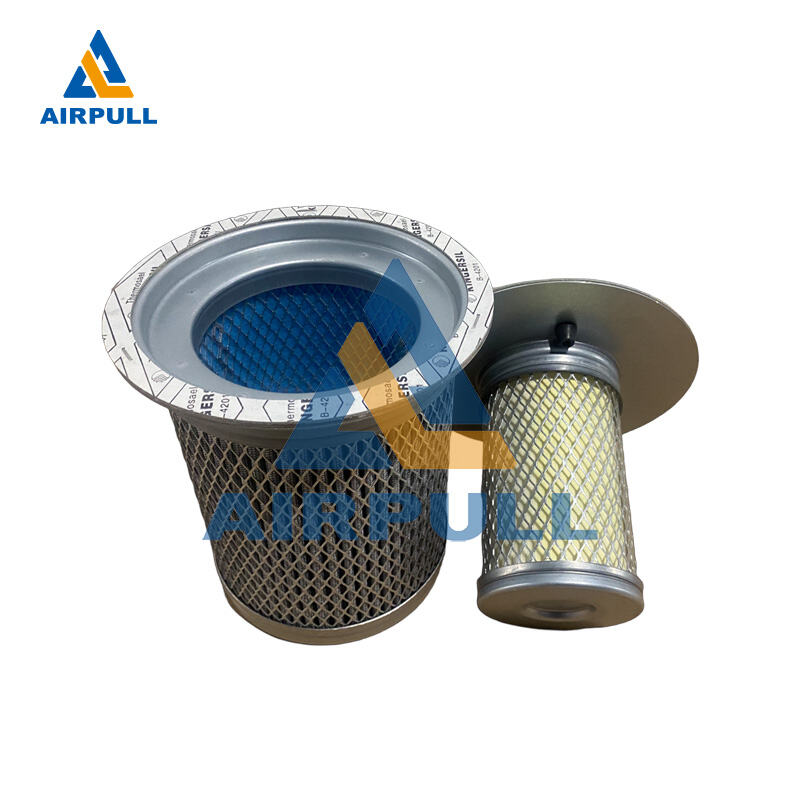
Replacing an air oil separator air compressor component is not just a routine maintenance task. It directly affects discharge air quality, lubricant consumption, system pressure stability, and long-term reliability of your compression package. In industrial operations, a delayed or poorly executed air oil separator air compressor change can lead to oil carryover, fouled downstream equipment, and unplanned shutdowns. This guide explains exactly how to perform the job in a controlled, repeatable way so maintenance teams can restore performance without introducing new risk.
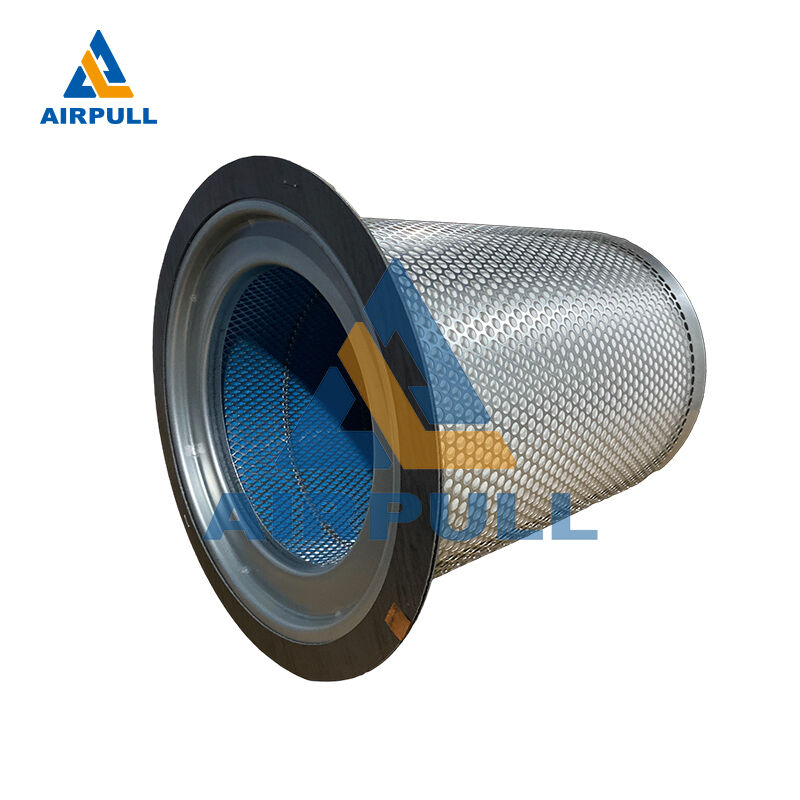
A successful air oil separator air compressor replacement depends on preparation, contamination control, correct sealing, and disciplined restart checks. The procedure below is designed for B2B plant environments where compressors run under load for long hours and maintenance errors are costly. When selecting the replacement element, match specifications carefully and use a verified part such as air oil separator air compressor filtration media that fits your operating conditions. The key is not speed alone, but precision at every stage.
Preparation and Safety Before Opening the Compressor
Confirm service interval and failure symptoms
Before touching hardware, confirm why the air oil separator air compressor element is being replaced now. Review runtime hours, pressure differential trends, oil consumption records, and any recent alarms from the control panel. A rising separator differential pressure combined with increased oil mist downstream is a strong indicator that the air oil separator air compressor element has reached end of service life. This diagnosis step prevents unnecessary disassembly and supports better planning for future maintenance windows.
Maintenance logs should also capture operating context because duty cycle strongly affects air oil separator air compressor performance. High ambient temperature, heavy particulate intake, frequent load-unload cycling, or poor lubricant quality can shorten separator life. By documenting those factors before replacement, your team can determine whether the old element failed naturally or was overloaded by conditions that should be corrected. That insight is important for improving mean time between service events.
Isolate energy and depressurize the package
Treat every air oil separator air compressor replacement as a controlled isolation job. Lock out and tag out electrical supply, close relevant isolation valves, and verify the compressor cannot auto-restart through remote control logic. Then depressurize the vessel completely and confirm zero pressure on gauges before opening the separator housing. Residual pressure in an air oil separator air compressor system can cause sudden release of oil and metal parts, so this check is non-negotiable.
Allow sufficient cooldown time because hot oil can distort seals and increase handling risk during air oil separator air compressor service. Prepare clean tools, lint-free wipes, approved solvent, new gaskets or O-rings, and a calibrated torque wrench before opening the unit. Organized staging reduces open-exposure time and lowers contamination entering the vessel. A cleaner work sequence translates directly into longer service life for the new air oil separator air compressor element.
Step-by-Step Replacement Procedure for Stable Results
Access separator housing and remove old element
Open covers carefully and maintain a clean perimeter around the air oil separator air compressor vessel. Remove fasteners in a balanced pattern rather than loosening one side fully, which can warp mating surfaces. Once the housing is open, lift the old air oil separator air compressor element steadily to avoid dropping debris into oil passages. Place the removed element on a protected surface for inspection and disposal according to site procedures.
During removal, observe the condition of sealing surfaces, anti-static contacts, and internal hardware associated with the air oil separator air compressor assembly. Torn gaskets, carbonized deposits, and metallic particles indicate underlying issues that should be resolved before reassembly. Photographing abnormal findings helps maintenance and reliability teams correlate failure patterns across shifts. Good documentation turns each air oil separator air compressor replacement into a learning cycle, not just a part swap.
Inspect internal parts before installing new element
With the old element out, inspect the vessel interior for sludge, varnish, or pooled contaminants that could compromise the new air oil separator air compressor unit. Clean contact areas gently and ensure no fiber, rag fragment, or loose sealant remains in the housing. Check the scavenge line and orifice for blockage because restricted oil return can mimic separator failure symptoms. A clean internal environment is essential for stable air oil separator air compressor efficiency after restart.
Examine gasket grooves and flange faces for scratches or deformation that could cause bypass in the air oil separator air compressor circuit. Replace all sealing components that are flattened, brittle, or chemically damaged by lubricant aging. Reusing marginal seals often leads to micro-leaks and early pressure loss, even when the new element is high quality. This inspection phase is where long-term air oil separator air compressor reliability is either protected or sacrificed.
Install new separator and torque correctly
Insert the new air oil separator air compressor element exactly as specified by orientation marks and flow direction. Seat gaskets evenly and confirm no pinch points are created while positioning covers. Hand-start fasteners first, then apply final torque in a cross pattern to distribute load uniformly across the housing. Uneven tightening is a common cause of leaks and vibration around the air oil separator air compressor assembly.
Do not over-tighten in an attempt to compensate for poor alignment because excessive force can damage threads and distort the air oil separator air compressor sealing plane. Use only recommended lubricant compatibility practices on O-rings when required, and avoid introducing foreign grease types into the vessel. After torquing, visually confirm that all service ports, drain points, and instrumentation fittings are returned to operating position. Correct mechanical closure is the final gate before energizing the air oil separator air compressor system again.
Post-Installation Checks and Restart Sequence
Rebuild pressure gradually and verify differential behavior
After lockout removal, start the compressor in a controlled mode and allow the air oil separator air compressor circuit to pressurize gradually. Watch for immediate leakage at flange joints, inspection covers, and instrument tappings while the machine transitions to load. Monitor differential pressure across the separator and compare against baseline values expected for a new air oil separator air compressor element. A stable and low differential trend confirms proper seating and unobstructed flow.
Listen for abnormal pulsation or whistling around the vessel because these signs may indicate bypass or gasket displacement in the air oil separator air compressor housing. Check oil level response in the first operating hour and confirm return flow behavior is normal. Sudden oil loss despite acceptable pressure can signal scavenge restrictions that should be corrected immediately. Early verification protects the new air oil separator air compressor element from avoidable stress.
Monitor oil carryover and downstream cleanliness
A complete air oil separator air compressor replacement includes downstream validation, not only mechanical closure at the separator tank. Inspect after-filters, piping low points, and end-use interfaces for signs of fresh oil mist or residue during initial operation. If carryover remains elevated, investigate scavenge function, operating temperature, and lubricant condition before assuming separator defect. Reliable air oil separator air compressor performance depends on the full system working as a unit.
Record post-service values such as discharge pressure, sump pressure, differential pressure, oil top-up frequency, and visual air quality indicators. These reference points establish the new performance baseline for your air oil separator air compressor maintenance program. Consistent trending improves failure prediction and helps schedule replacements before production impact appears. In industrial settings, disciplined tracking is what turns air oil separator air compressor maintenance from reactive to controlled.
Mistakes That Shorten Separator Life
Contamination control failures during replacement
The most frequent error in air oil separator air compressor work is allowing dirt to enter the open vessel during service. Even small debris can disrupt coalescing media behavior and trigger early differential pressure rise. Leaving parts exposed, using shedding cloth, or staging tools on dirty surfaces all reduce the life of a new air oil separator air compressor element. Clean handling discipline is often more important than replacement speed.
Another common issue is partial cleaning that ignores hidden contamination points near scavenge paths and gasket channels in the air oil separator air compressor housing. Teams may install a new element but keep old sealing residue that later breaks loose under pressure. That residue can enter return passages and degrade oil separation efficiency. Precision cleaning is a direct life-extension practice for any air oil separator air compressor installation.
Operating conditions that overload the separator
Even perfect installation cannot protect an air oil separator air compressor element from chronic overload conditions. Running outside designed pressure range, using degraded lubricant, or operating with unstable cooling can force excessive oil aerosol into the separator stage. Frequent short cycling also increases stress on coalescing media and may reduce service interval sharply. Operating discipline and correct setpoints are part of air oil separator air compressor maintenance, not separate topics.
When repeated early failures occur, treat them as a system signal rather than a part-quality assumption in the air oil separator air compressor loop. Review inlet filtration condition, thermostat behavior, minimum pressure valve function, and control logic stability. Correcting these factors often restores expected separator life without major design change. In practice, air oil separator air compressor durability comes from both proper replacement steps and stable process conditions.
FAQ
How often should an air oil separator be replaced in industrial service?
There is no single runtime value for every facility because duty cycle and operating environment vary. Most plants replace the air oil separator air compressor element based on runtime guidance combined with differential pressure trend and oil carryover evidence. A condition-based trigger is more reliable than calendar-only planning. Track data continuously so the air oil separator air compressor replacement occurs before quality or energy penalties grow.
Can I replace only the separator element and keep old seals?
Keeping old seals is a false economy in most cases. A fresh air oil separator air compressor element installed with compressed or hardened seals is more likely to bypass or leak under thermal cycling. Replacing all associated sealing parts during the same service event improves closure integrity and reduces rework risk. For dependable air oil separator air compressor performance, treat seals and element as one maintenance package.
What is the first sign that separator performance is declining?
A gradual rise in separator differential pressure is often the earliest measurable sign. In parallel, technicians may notice increased oil haze at downstream points as air oil separator air compressor efficiency drops. Monitoring both indicators together gives a clearer picture than relying on one symptom alone. Early response helps preserve compressor stability and extend air oil separator air compressor service intervals.
Why does oil carryover continue after installing a new separator?
Persistent carryover usually indicates a system issue around the element rather than the element alone. Common causes include blocked scavenge return, incorrect installation orientation, unstable operating temperature, or unsuitable lubricant behavior in the air oil separator air compressor circuit. Recheck mechanical assembly and process conditions methodically before replacing the part again. Most recurring air oil separator air compressor carryover problems are solved by correcting those root conditions.