EN
EN



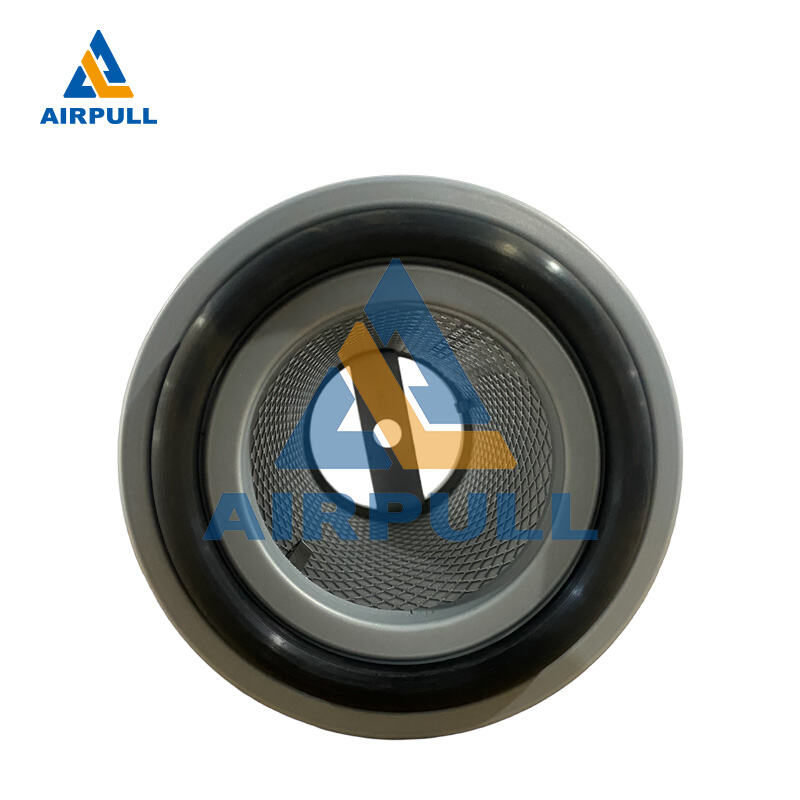
A correct air oil separator replacement is one of the most important service jobs in any compressed air system because it directly affects pressure stability, oil carryover, and operating cost. In practical plant conditions, the difference between a rushed job and a controlled air oil separator replacement can be seen in separator life, downstream product quality, and unplanned downtime. This guide gives you a true step-by-step workflow so your team can complete air oil separator replacement safely, consistently, and with predictable results.
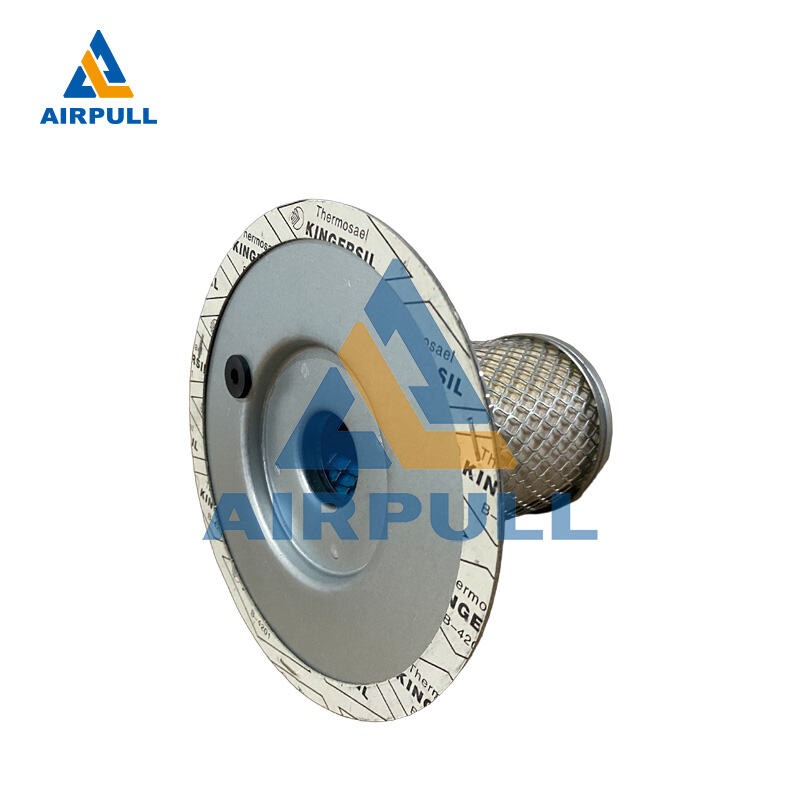
The process below is written for maintenance managers, technicians, and reliability teams who need repeatable execution rather than generic advice. Each stage of air oil separator replacement is laid out in sequence, from preparation and lockout to restart checks and follow-up monitoring. By treating air oil separator replacement as a controlled procedure instead of a simple part swap, you reduce failure risk and protect compressor performance over the full service interval.
Preparation and safety foundation
Confirm replacement interval and operating symptoms
Before starting any air oil separator replacement, review operating hours, pressure differential trend, and recent oil carryover observations. Most teams trigger air oil separator replacement by either scheduled hours or separator differential pressure limits, but both should be checked together for better accuracy. A separator that reaches pressure limit early often indicates contamination, high thermal stress, or upstream intake issues.
Capture baseline readings before shutdown, including discharge pressure, separator tank pressure drop, and oil level behavior during load cycles. This baseline helps you confirm whether the upcoming air oil separator replacement solves the real issue. It also prevents misdiagnosis when symptoms are caused by unrelated valves, thermostat behavior, or return line restrictions.
Gather tools, parts, and shutdown controls
A smooth air oil separator replacement starts with complete staging: correct separator element, compatible gaskets, clean lint-free cloths, calibrated torque tools, and approved cleaning fluid. Keep replacement seals in sealed packaging until use to avoid dust contamination. Confirm the part number and dimensional match before opening the housing so air oil separator replacement does not stop midway due to fitment problems.
Safety control is equally important. Apply lockout and tagout, isolate power, and verify zero energy state before touching the separator vessel. In industrial environments, air oil separator replacement should also include a cooldown period because hot vessels and residual pressure can create severe hazards. A documented permit and supervisor sign-off reduce the chance of procedural shortcuts.
Step-by-step removal procedure
Depressurize, isolate, and access the separator housing
After shutdown, open the system vent path according to your site method and wait until pressure is fully relieved. Never begin air oil separator replacement based on gauge assumption alone; verify at multiple points if your system has segmented pressure zones. Once depressurized, isolate associated lines so no backflow can re-pressurize the vessel during service.
Remove access covers in a controlled pattern and keep fasteners organized by position. Many air oil separator replacement errors happen during disassembly when hardware is mixed or dropped into the vessel. As the housing opens, inspect for signs of carbonized oil, varnish, or metal debris because these clues help explain shortened separator life and guide future maintenance adjustments.
Remove old element and inspect internal condition
Extract the old element carefully to prevent trapped residue from spreading into clean areas. During air oil separator replacement, avoid scraping sealing surfaces with hard tools since even small scratches can cause bypass leakage after restart. Place the used element in a controlled container for later inspection and disposal under site environmental rules.
Now inspect mating surfaces, center pipe condition, anti-static contact points, and oil return line cleanliness. A high-quality air oil separator replacement includes cleaning only with approved materials and leaving no lint behind. If you detect damaged threads, warped flanges, or hardened seals, correct them before installation; skipping this step turns air oil separator replacement into a short-term fix.
Installation and reassembly sequence
Install new element with sealing control
Before placing the new element, verify orientation marks and flow direction indicated by the design. Proper orientation is central to air oil separator replacement because reversed installation can increase pressure drop and oil carryover quickly. Lightly condition seals as recommended by your service standard, then seat the element evenly without twisting.
When selecting the component, teams often standardize around a trusted specification such as air oil separator replacement parts that match required dimensions and filtration behavior. The key is consistency: same specification, same installation method, and same verification checks every cycle. This reduces variability that can hide root causes and makes trend analysis reliable.
Reassemble, torque-check, and restart
Reinstall covers and fasteners using a cross-pattern sequence so load is distributed evenly across sealing faces. In air oil separator replacement, uneven compression is a common source of micro-leaks that only appear under temperature and pressure. Apply the specified torque in stages, then perform a final pass after a short stabilization period.
During restart, bring the compressor online gradually and observe pressure response, sound profile, and oil behavior through initial load transitions. A disciplined air oil separator replacement includes immediate leak checks at joints and fittings while temperature is still rising. Record startup readings against pre-service baseline to confirm that differential pressure and carryover indicators move in the expected direction.
Post-replacement verification and maintenance planning
Validate performance in the first operating hour
The first hour after air oil separator replacement is the most informative period for quality validation. Track separator differential pressure trend, outlet cleanliness signs, and oil level stability as the compressor cycles between load states. If readings drift outside normal range, intervene early before a minor sealing issue turns into accelerated element failure.
Use a short verification checklist and assign clear sign-off responsibility. Effective air oil separator replacement is not complete at mechanical assembly; it ends when operating data confirms normal performance. This data-driven closeout step also strengthens training for newer technicians and aligns maintenance execution across shifts.
Build a repeatable replacement program
Treat each air oil separator replacement as a data point in a long-term reliability program. Document service hours, pressure trend before and after changeout, oil condition notes, and any corrective action taken during installation. Over time, this history helps define a realistic replacement interval specific to your duty cycle rather than relying only on generic hour targets.
Standardized procedure, consistent parts, and disciplined records are what make air oil separator replacement predictable in industrial operations. When the process is repeatable, you reduce emergency service events, protect air quality, and control lifecycle cost. The practical goal is simple: every air oil separator replacement should restore stable operation without introducing new variables.
FAQ
How often should air oil separator replacement be scheduled?
Air oil separator replacement is usually scheduled by a combination of operating hours and separator differential pressure trend, not hours alone. In stable duty cycles, teams can use a baseline interval and adjust based on actual pressure behavior. If contamination, high heat, or unstable loading is present, air oil separator replacement may need to happen earlier to avoid carryover and efficiency loss.
Can air oil separator replacement be done without full compressor shutdown?
In most industrial setups, safe air oil separator replacement requires full shutdown, isolation, and verified depressurization. Residual pressure and hot oil make live intervention hazardous and unreliable. A planned outage for air oil separator replacement is normally faster overall than dealing with leakage, rework, or safety incidents caused by partial isolation.
What are the most common mistakes during air oil separator replacement?
Frequent errors include incomplete depressurization, poor cleaning discipline, damaged sealing surfaces, incorrect element orientation, and uneven torque application. Another common mistake is skipping post-start monitoring, which can hide installation defects until performance drops again. A controlled checklist-based air oil separator replacement process prevents most of these issues.
How do I confirm air oil separator replacement was successful?
Successful air oil separator replacement is confirmed by stable differential pressure, reduced oil carryover signs, normal temperature behavior, and leak-free operation after restart. Compare post-service readings with pre-service baseline rather than relying on visual checks alone. When data remains stable through early operating cycles, the air oil separator replacement can be considered complete and effective.