EN
EN



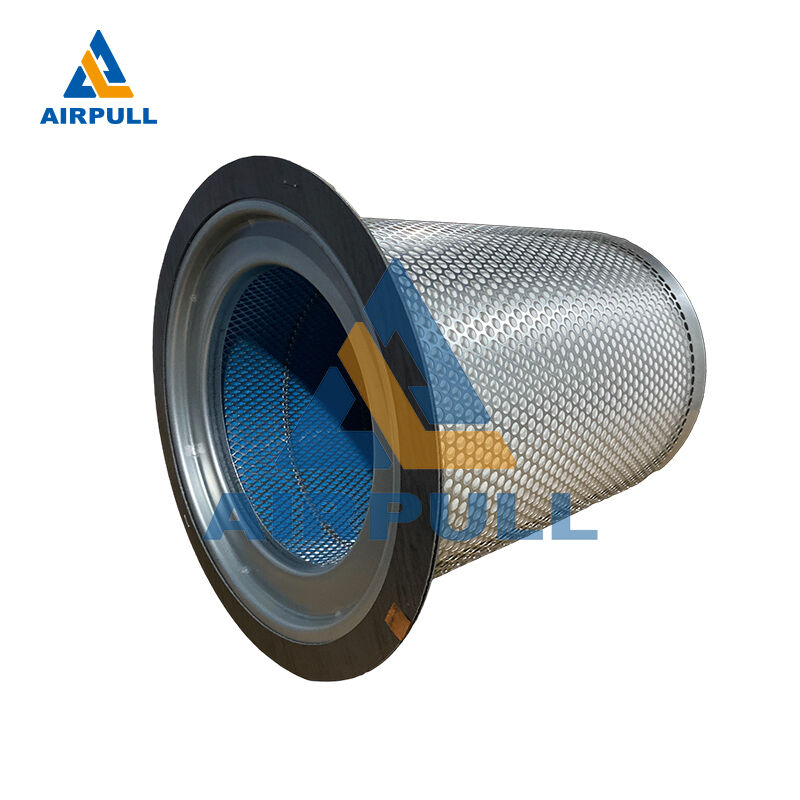
Choosing the best oil separator for screw compressor systems is one of the most consequential maintenance decisions a facility manager or compressed air engineer will make. The oil separator sits at the heart of every rotary screw compressor's air-oil management circuit, and when it performs well, it protects downstream equipment, reduces operating costs, and ensures compressed air quality that meets industrial standards. When it underperforms, the consequences cascade quickly — contaminated air lines, premature component wear, elevated oil carryover levels, and unplanned downtime that disrupts production schedules.
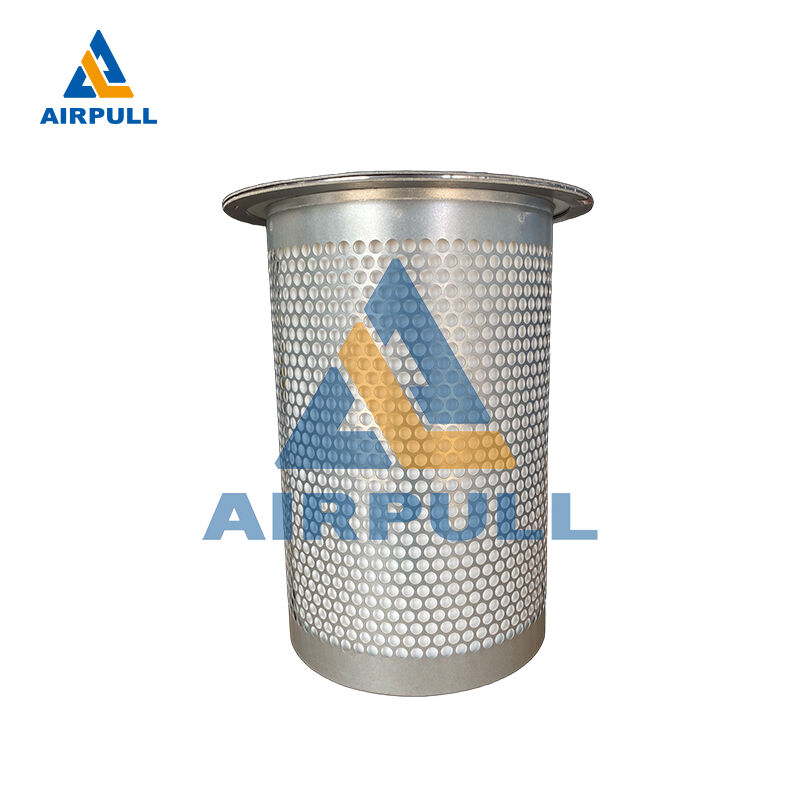
This review examines what makes an oil separator for screw compressor truly effective, what engineering factors distinguish high-efficiency models from mediocre ones, and what operational criteria should guide a purchasing decision. Whether you are replacing an OEM element or evaluating third-party aftermarket options for a fleet of rotary screw units, the information here will help you make a technically sound, cost-justified choice. The goal is not to hand you a ranked list of brand names but to arm you with the technical intelligence needed to evaluate any separator element on its actual merits.
Understanding the Role of an Oil Separator in a Screw Compressor
The Core Function Within the Air-Oil Circuit
A rotary screw compressor uses oil for multiple simultaneous purposes — lubrication of rotor meshing surfaces, cooling of the compression chamber, and sealing of clearances between male and female rotors. This means that by design, compressed air leaving the compression stage carries a significant quantity of oil in both droplet and aerosol form. Without effective separation, all of that oil would travel into the compressed air network, fouling pneumatic tools, damaging process equipment, and violating air quality specifications.
The oil separator for screw compressor applications is specifically engineered to extract this entrained oil before the compressed air exits the unit. It sits inside the oil separator tank — a pressurized vessel that serves as both a reservoir for separated oil and a housing for the separator element itself. The element uses a multi-stage coalescing mechanism to capture oil droplets of varying sizes, merging them into larger drops that drain by gravity back into the sump for recirculation.
Residual oil carryover after separation is measured in parts per million by weight. A well-functioning oil separator for screw compressor systems typically achieves residual oil content below 3 ppm, while high-efficiency models can push that figure below 1 ppm. These numbers matter enormously in applications where air contacts food products, pharmaceuticals, electronics, or precision manufacturing processes.
Why Separator Performance Degrades Over Time
All separator elements have a finite service life. Over thousands of operating hours, the fine glass fiber or synthetic media inside the element becomes progressively loaded with oil, particulate contamination, and oxidation byproducts from the oil itself. As media loading increases, differential pressure across the element rises, forcing the compressor to work harder to push air through. This translates directly into higher energy consumption and heat generation.
A saturated or damaged oil separator for screw compressor assemblies will also allow oil carryover to increase sharply, sometimes dramatically. Oil consumption climbs, topping-up intervals shorten, and downstream contamination problems emerge. In severe cases, a ruptured or bypassed separator element can flood air lines with oil at concentrations that disable pneumatic instrumentation and create safety hazards in breathing air or sensitive process environments.
Understanding this degradation curve is essential for evaluating any separator product. The best elements offer extended service intervals without compromising separation efficiency throughout their rated life — not just at the point of installation when media is fresh and clean.
Key Technical Criteria for Evaluating Oil Separator Quality
Media Construction and Coalescing Efficiency
The filtration media is the defining variable in the performance of any oil separator for screw compressor design. High-quality elements use multi-layer borosilicate glass fiber media arranged in a coalescing configuration. The inner layers capture sub-micron oil aerosols through interception and diffusion mechanisms, while outer drainage layers allow coalesced oil to migrate downward under gravity without re-entrainment into the air stream.
The density gradient of the fiber layers matters significantly. A well-engineered oil separator for screw compressor element uses progressively finer fiber grades from the outer to inner surfaces of the coalescing zone, optimizing the balance between capture efficiency and pressure drop. Elements that use uniform-density media or inadequate layer counts may look similar externally but deliver noticeably inferior carryover numbers under load.
Synthetic media variants, including melt-blown polypropylene and polyester composites, are used in some designs to offer enhanced chemical resistance in applications involving aggressive lubricants or synthetic compressor oils. When evaluating an oil separator for screw compressor systems running on PAO or ester-based fluids, media compatibility must be explicitly verified rather than assumed.
End Cap Integrity and Bypass Resistance
A separator element is only as reliable as its sealing system. The end caps — typically metal with molded or bonded gaskets — must maintain a robust seal against the separator tank seating surfaces under sustained operating pressures that can exceed 10 bar in many industrial screw compressor designs. Any bypass path around the media defeats the entire separation function, delivering unfiltered, oil-laden air directly to the service line.
When reviewing an oil separator for screw compressor element for procurement, examine the end cap material specification, the gasket compound, and the dimensional tolerances relative to your specific compressor model. Aftermarket elements that use generic end cap profiles rather than model-matched geometries carry a real risk of seal gaps that compromise performance immediately upon installation.
The central tube construction also affects bypass resistance. Perforated steel cores with appropriate open area ratios support the media against pressure differential collapse, while ensuring that separated oil drains freely through the scavenge return line back to the sump. Inadequate core support can cause media deformation under differential pressure spikes, permanently impairing performance of the oil separator for screw compressor element.
Pressure Drop Characteristics and Energy Impact
Every oil separator introduces a pressure drop that the compressor motor must overcome. At typical design flow rates, a new high-quality oil separator for screw compressor element should impose a pressure differential of approximately 0.1 to 0.3 bar. As the element ages and loads with contaminants, this figure rises. Most compressor manufacturers recommend element replacement when differential pressure reaches 0.8 to 1.0 bar, though earlier replacement may be economically justified when energy costs are high.
The energy cost of elevated pressure drop is not trivial. For a 75 kW screw compressor running two shifts per day, an increase of 0.5 bar in separator differential pressure can translate to several thousand dollars in additional electricity consumption annually. This makes the operating pressure drop profile — not just the initial pressure drop — a critical selection criterion for any oil separator for screw compressor replacement decision.
Application Fit and Compatibility Considerations
Matching the Element to Compressor Model and Oil Type
Not every oil separator for screw compressor element is interchangeable across platforms. Screw compressors from different manufacturers — and even different model series within a single manufacturer's portfolio — use separator tanks with varying internal geometries, connection thread types, bypass valve configurations, and scavenge port locations. An element that fits and seals correctly in one unit may be dimensionally incompatible or functionally mismatched in another.
Cross-reference accuracy is therefore paramount. When sourcing a replacement oil separator for screw compressor systems, use the OEM part number as the primary reference, supplemented by confirmed dimensional checks on outer diameter, inner diameter, element height, and end cap configuration. Reputable aftermarket suppliers will provide detailed cross-reference data and application compatibility guidance for their elements.
Oil type compatibility is equally important. Mineral oil-lubricated compressors, synthetic lubricant systems, and food-grade oil applications each present different chemical environments to the separator media and seals. An oil separator for screw compressor element specified for mineral oil service may swell, degrade, or lose sealing integrity when exposed to certain synthetic lubricant chemistries. Always confirm lubricant compatibility before finalizing element selection.
Service Life Expectations and Replacement Intervals
The rated service life of a quality oil separator for screw compressor element typically ranges from 2,000 to 4,000 operating hours under normal conditions. However, actual service life is heavily influenced by operating environment, inlet air quality, oil condition management, and system temperature. Compressors operating in dusty industrial environments, high-humidity conditions, or at elevated discharge temperatures will consume separator elements faster than units running in controlled indoor environments.
Monitoring differential pressure with a dedicated pressure gauge across the separator is the most reliable method for determining replacement timing. Replacement driven solely by calendar intervals rather than actual differential pressure measurements risks either premature replacement — which wastes serviceable element life — or delayed replacement, which allows energy waste and carryover levels to climb unacceptably. A well-maintained oil separator for screw compressor program combines pressure monitoring with oil analysis to catch deteriorating performance before it becomes a problem.
For facilities managing multiple compressors, standardizing on a single high-quality oil separator for screw compressor replacement element that covers the range of models in service simplifies inventory management and reduces the risk of using incorrect parts during maintenance windows.
What Distinguishes a High-Efficiency Element from a Standard One
Coalescing Performance Under Variable Load Conditions
A standard-grade oil separator for screw compressor element is typically designed to meet minimum OEM carryover specifications under steady-state, full-load operating conditions. High-efficiency elements, by contrast, are engineered to maintain low carryover performance across the full range of operating conditions — including part-load operation, rapid load cycling, pressure fluctuations, and temperature transients that occur in real industrial environments.
Part-load operation is particularly demanding for separator elements because reduced airflow velocities change the coalescing dynamics within the media. At lower velocities, some oil aerosols that would be captured by inertial impaction at full load instead follow air streamlines through the media. High-efficiency designs compensate for this through optimized media geometry and enhanced drainage layer configurations that maintain coalescence effectiveness across the velocity range.
For variable-speed drive (VSD) screw compressors — which are now the dominant technology in energy-efficient compressed air systems — this part-load performance advantage of a premium oil separator for screw compressor element is especially valuable. VSD units spend substantial operating time at reduced speeds, making separator performance under partial load a more meaningful specification criterion than peak-load carryover alone.
Construction Quality Indicators Visible During Inspection
Even before installation, a careful physical inspection of an oil separator for screw compressor element reveals much about its construction quality. The outer shell should be uniformly wound or pleated with no visible media gaps, thin spots, or delamination. End cap bonding should show complete, even adhesion with no voids or excess flash that might indicate inconsistent manufacturing processes.
Weight is another useful indicator. A properly constructed oil separator for screw compressor element for a mid-range industrial compressor should have substantial, consistent weight reflecting adequate media volume. Lightweight elements often contain less media than needed for rated service life performance, achieving acceptable initial pressure drop at the cost of rapid loading and shortened service intervals.
The scavenge hole — the opening through which separated oil is returned to the sump via the return line and orifice — should be cleanly formed and correctly positioned relative to the sump drain. An imprecisely located scavenge point will prevent efficient oil return, causing oil to accumulate in the separator tank rather than recirculating, which progressively degrades separation efficiency of even an otherwise well-constructed oil separator for screw compressor element.
Total Cost of Ownership Perspective
Looking Beyond the Purchase Price
The purchase price of an oil separator for screw compressor element represents only a fraction of its true cost of ownership. Energy consumption driven by differential pressure is typically the largest cost component over the element's service life, followed by labor for replacement, oil top-up costs resulting from carryover losses, and potential downstream contamination costs if separation performance is inadequate.
A high-quality separator element that carries a 20 to 30 percent price premium over a budget alternative can easily justify its cost through modest improvements in pressure drop, carryover efficiency, and extended service life. The calculation becomes even more favorable when accounting for the hidden costs of downtime caused by premature element failure or the downstream equipment damage that results from chronic oil contamination in compressed air networks.
Procurement decisions for an oil separator for screw compressor replacement should therefore be framed as total cost of ownership analyses rather than unit price comparisons. This framing naturally elevates quality criteria — media efficiency, construction integrity, compatibility accuracy — over purchase price as the primary selection driver, which is the correct priority order for industrial maintenance budgeting.
Supplier Reliability and Technical Support
The value of a reliable supply chain for oil separator for screw compressor elements extends well beyond the element itself. A supplier who maintains broad cross-reference databases, can confirm compatibility for specific compressor models, and provides prompt delivery of the correct element reduces the administrative burden and stock risk that come with managing compressed air maintenance programs across multiple units and sites.
Technical support matters too. When unusual contamination problems, accelerated differential pressure rise, or abnormal oil consumption patterns emerge, having access to application engineers who understand the filtration physics of an oil separator for screw compressor system can accelerate root cause diagnosis significantly. Budget suppliers who compete solely on price rarely offer this level of technical engagement.
FAQ
How often should I replace the oil separator for screw compressor systems?
Replacement intervals for an oil separator for screw compressor applications are best determined by monitoring differential pressure across the element rather than by fixed calendar intervals alone. Most manufacturers recommend replacement when differential pressure reaches 0.8 to 1.0 bar. Under normal operating conditions, this typically corresponds to 2,000 to 4,000 operating hours, but harsh environments or poor oil condition can shorten this significantly.
Can I use an aftermarket oil separator for screw compressor systems instead of the OEM part?
Yes, high-quality aftermarket oil separator for screw compressor elements are a technically sound and cost-effective option, provided they are correctly matched to your specific compressor model using verified dimensional and compatibility data. The key is ensuring that the element meets or exceeds OEM specifications for carryover efficiency, pressure drop, and service life, and that end cap geometry and sealing surfaces match your separator tank precisely.
What causes an oil separator for screw compressor to fail prematurely?
Premature failure of an oil separator for screw compressor element is most commonly caused by oil degradation and varnish buildup within the compressor system, ingestion of excessive atmospheric contamination through a failed or undersized inlet filter, operation at discharge temperatures above the lubricant's rated range, or use of an incompatible lubricant type that chemically degrades the separator media. Addressing these root causes is essential to achieving rated element life.
What residual oil carryover level should a good oil separator for screw compressor achieve?
A quality oil separator for screw compressor applications should achieve residual oil carryover below 3 ppm by weight under standard operating conditions, with premium high-efficiency elements capable of achieving below 1 ppm. For sensitive applications such as food processing, pharmaceutical manufacturing, or electronics assembly, specifying an element rated to the lower end of this range — combined with downstream coalescing filtration — is the appropriate engineering approach.
Table of Contents
- Understanding the Role of an Oil Separator in a Screw Compressor
- Key Technical Criteria for Evaluating Oil Separator Quality
- Application Fit and Compatibility Considerations
- What Distinguishes a High-Efficiency Element from a Standard One
- Total Cost of Ownership Perspective
-
FAQ
- How often should I replace the oil separator for screw compressor systems?
- Can I use an aftermarket oil separator for screw compressor systems instead of the OEM part?
- What causes an oil separator for screw compressor to fail prematurely?
- What residual oil carryover level should a good oil separator for screw compressor achieve?