EN
EN



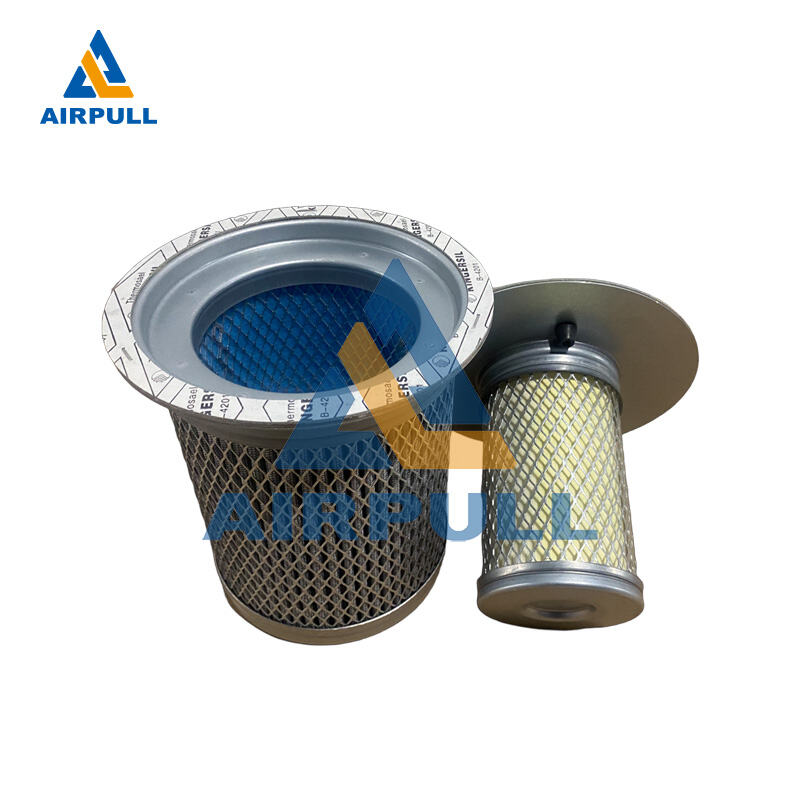
Choosing the right oil mist separator filter is one of the most consequential decisions a facility manager or maintenance engineer can make heading into 2026. Industrial environments that rely on machining centers, centrifuges, compressors, or hydraulic systems generate significant volumes of aerosolized oil particles, and without a high-performing oil mist separator filter in place, those particles contaminate the workspace, degrade equipment, and expose workers to preventable respiratory hazards. As regulatory standards tighten globally and production lines push higher throughput, the pressure to select a filter that genuinely performs—not just one that looks good on a spec sheet—has never been greater.
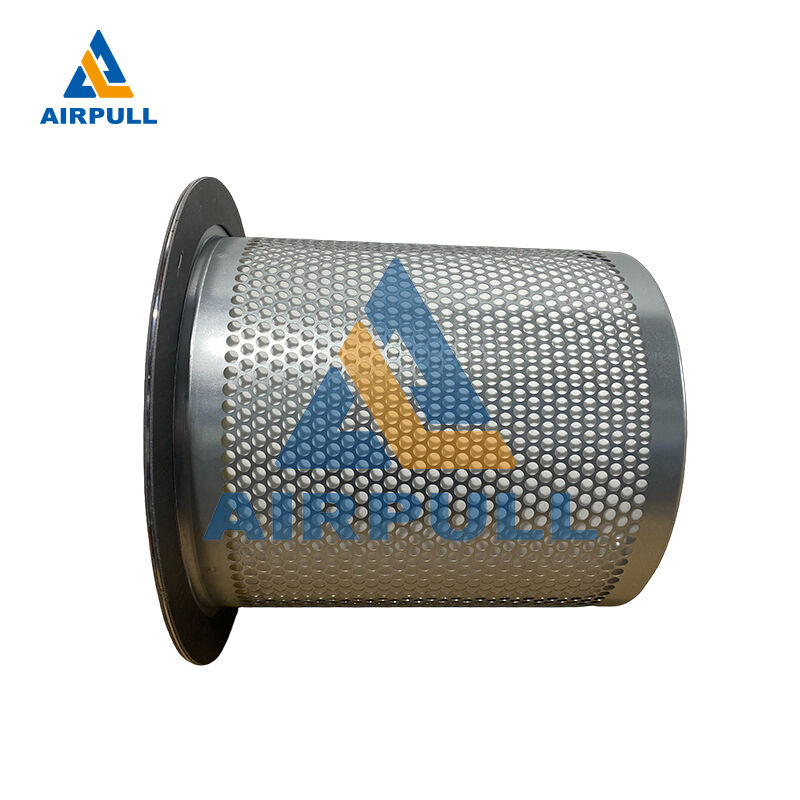
This review cuts through the noise to give B2B buyers, procurement teams, and plant engineers a clear, structured framework for evaluating oil mist separator filter options in 2026. Rather than presenting an arbitrary ranking, this guide explains what separates a truly effective oil mist separator filter from a mediocre one, how to match filtration technology to your specific application, and what performance benchmarks matter most when the goal is long-term operational reliability. Whether you are sourcing for a single machining cell or specifying filters across an entire production facility, the insights here will help you make a decision grounded in engineering logic rather than marketing claims.
Understanding What an Oil Mist Separator Filter Actually Does
The Core Mechanism Behind Oil Mist Separation
An oil mist separator filter is an active filtration device designed to capture aerosolized oil droplets generated during metalworking, compressed air processing, centrifuge operation, and similar industrial processes. When oil is subjected to high-speed mechanical action—cutting, grinding, spinning, or pressurizing—it breaks into fine particles ranging from submicron droplets to larger aerosols that remain suspended in the air indefinitely without intervention. The oil mist separator filter intercepts these particles before they can escape into the facility atmosphere, coalesce them into larger droplets, and channel the recovered oil back for drainage or recirculation.
Most modern oil mist separator filter units operate on a combination of inertial impaction, interception, and diffusion capture mechanisms. Inertial impaction handles larger particles that cannot follow airflow curves and impact directly onto filter media fibers. Interception captures mid-range particles that follow streamlines but still touch a fiber during transit. Diffusion, driven by Brownian motion, captures the finest submicron particles that wander randomly and eventually contact filter media. A well-engineered oil mist separator filter balances all three capture mechanisms across layered media to achieve high efficiency without creating excessive pressure drop that would tax the attached machine or blower.
Understanding this mechanism is critical because it explains why not all oil mist separator filter products perform equally under varying conditions. A filter optimized for coarse particles from a large centrifuge will behave very differently than one designed for the fine aerosol cloud produced by a high-speed CNC machining center. The application determines the required fiber diameter, media depth, and drainage channel design—all factors that a generic or low-cost oil mist separator filter may handle inadequately.
Why Filter Media Construction Defines Long-Term Performance
The internal media construction of an oil mist separator filter is where quality differences become most visible over time. High-performance units typically use borosilicate glass fiber media arranged in a progressive density gradient—finer fibers toward the clean-air side to capture small particles after larger ones are already removed. This gradient approach prevents premature loading on the finest media layer, extending service life and maintaining low differential pressure for longer operational periods.
Lower-quality oil mist separator filter options often use uniform-density synthetic media that may deliver acceptable initial efficiency but load rapidly, causing pressure drop to climb well before the filter is truly exhausted by contaminant mass. This premature pressure rise forces maintenance teams to replace filters earlier than necessary, raising total cost of ownership and increasing downtime frequency. For production environments running two or three shifts, a filter that maintains stable differential pressure throughout its rated service interval is worth significantly more than one that looks cheaper at the point of purchase.
The outer structural components of an oil mist separator filter—end caps, center tubes, and housing interfaces—also matter enormously in industrial service. Metal end caps with reliable sealing surfaces prevent bypass, which is the single greatest threat to filtration efficiency. An oil mist separator filter that allows even a small percentage of unfiltered air to bypass the media delivers dramatically worse real-world performance than its rated efficiency would suggest. Specifying filters with robust structural integrity is not a premium consideration; it is a baseline requirement for any serious industrial application.
Key Performance Criteria for Evaluating an Oil Mist Separator Filter in 2026
Filtration Efficiency Ratings and What They Mean in Practice
When evaluating an oil mist separator filter, efficiency ratings are the starting point but rarely the complete picture. Efficiency is typically expressed as a percentage of particles captured at a specific particle size—commonly 0.3 microns for high-efficiency filters tested against DOP or PAO aerosol standards. An oil mist separator filter rated at 99.97% efficiency at 0.3 microns delivers near-HEPA-level performance for oil aerosols, which is appropriate for enclosed machining cells where worker proximity to the exhaust stream is high.
However, the rated efficiency of an oil mist separator filter must always be interpreted in the context of the particle size distribution generated by your specific equipment. Centrifuges and high-speed spindles generate a finer aerosol profile than slow-speed grinding operations, meaning the filter efficiency at sub-micron sizes matters more in those applications. Procurement teams that select an oil mist separator filter based solely on headline efficiency numbers without understanding their application's aerosol characteristics risk under-specifying—or over-specifying at unnecessary cost—for their actual needs.
Flow rate compatibility is equally important. An oil mist separator filter rated for efficient capture at its design airflow will perform poorly if the actual system flow significantly exceeds that rating. At higher-than-rated velocities, particles have less residence time in the media, and capture efficiency drops sharply. Always verify that the oil mist separator filter you select is rated at or above your system's maximum volumetric airflow, with a margin of safety to accommodate process variations and future capacity increases.
Pressure Drop and Energy Cost Considerations
Differential pressure—the resistance an oil mist separator filter presents to airflow—directly affects the energy consumption of the fan or blower moving air through the system. A filter with inherently high clean pressure drop forces the motor to work harder from day one, adding to operating costs over the filter's entire service life. When evaluating an oil mist separator filter, compare initial clean differential pressure values at your operating flow rate, not just the maximum rated pressure drop at end of service life.
As an oil mist separator filter loads with captured oil and solid particulates, its differential pressure rises. The rate of that rise depends on the aerosol concentration in the process air stream, the solid particle content present alongside oil mist, and the inherent drainage characteristics of the media. High-quality oil mist separator filter designs incorporate gravity drainage paths that allow coalesced oil to drain continuously out of the media, keeping the filter from becoming saturated with liquid and delaying the pressure rise that signals end of service life.
For facilities operating dozens of machines simultaneously, the cumulative energy impact of specifying a high-pressure-drop oil mist separator filter across an entire fleet is substantial. A difference of just 50 Pascals in initial pressure drop per unit translates into meaningful kilowatt-hour savings annually when aggregated across a large installation. This is an often-overlooked dimension in oil mist separator filter procurement that engineering-minded buyers should incorporate into their total cost of ownership calculations from the outset.
Matching the Oil Mist Separator Filter to Your Specific Application
Centrifuge and Industrial Machine Tool Applications
Centrifuges present one of the most demanding environments for an oil mist separator filter. The high rotational speeds involved atomize lubricants and coolants into an exceptionally fine aerosol, and the enclosed housing forces large volumes of mist-laden air to be evacuated continuously. An oil mist separator filter for centrifuge service must handle high aerosol concentrations without rapid media saturation, maintain structural integrity under the vibration environment typical of rotating equipment, and provide reliable drainage to prevent liquid flooding of the media element.
Filter elements designed specifically for centrifuge service—such as those used with industrial production centrifuges—are typically constructed with heavier-duty end caps, reinforced inner cores, and media formulations that prioritize coalescing performance over ultra-fine particle capture. This is because the dominant particle size in centrifuge exhaust tends toward the larger coalescing range, and optimizing the oil mist separator filter design for that range improves drainage efficiency and extends service intervals compared to a general-purpose element pressed into centrifuge service.
Machine tool applications—CNC machining centers, grinding machines, lathes, and milling equipment—generate oil mist profiles that vary significantly with cutting speed, coolant type, and tool geometry. Water-based coolants produce aerosols with different surface tension characteristics than straight oil coolants, affecting how well a given oil mist separator filter coalesces and drains the captured liquid. Facilities transitioning between coolant types should re-evaluate their filter specification accordingly rather than assuming the existing oil mist separator filter will perform identically with the new chemistry.
Compressed Air and Pneumatic System Integration
In compressed air systems, an oil mist separator filter serves a different but equally important role: removing lubricant carryover from compressor discharge to protect downstream pneumatic tools, instruments, and processes from oil contamination. Compressed air oil mist separator filter elements operate under positive pressure rather than suction, which changes the structural loading conditions and sealing requirements significantly compared to machine-mounted units.
The inlet oil concentration from a well-maintained reciprocating or rotary screw compressor is typically in the range of 5 to 10 parts per million by weight, and a properly specified oil mist separator filter should reduce this to well below 1 part per million at the outlet. Achieving this level of cleanliness requires a high-efficiency coalescing element with adequate drainage provision, housed in a vessel with reliable condensate drain functionality. Specifying an oil mist separator filter without attending to the drain arrangement is one of the most common installation errors that leads to re-entrainment of separated oil into the downstream airstream.
Filter change intervals in compressed air service are driven more by operating hours and inlet oil concentration than by measurable pressure drop rise, because oil loading in the coalescing media can reach saturation at relatively low differential pressure increase. Establishing a scheduled replacement interval based on the compressor manufacturer's stated oil carryover rate and the filter manufacturer's rated oil holding capacity is more reliable than relying on a differential pressure indicator alone for an oil mist separator filter in compressed air service.
Installation, Maintenance, and Service Life Optimization
Correct Installation Practices That Protect Filter Performance
Even the highest-quality oil mist separator filter will underperform if installed incorrectly. Orientation matters critically for coalescing filters: the element must be mounted vertically with the drain outlet at the bottom so that gravity assists the drainage of coalesced oil out of the media. Installing an oil mist separator filter horizontally or inverted traps separated liquid inside the media, rapidly elevating differential pressure and severely shortening service life. Always verify housing and element orientation against the manufacturer's installation instructions before commissioning.
Sealing integrity at the filter element-to-housing interface is the other major installation variable that determines whether the oil mist separator filter delivers its rated efficiency in service. O-ring seals should be inspected for damage before installation, lightly lubricated with compatible lubricant, and seated fully before the housing is torqued to specification. An undertorqued housing or a damaged O-ring creates a bypass pathway that routes unfiltered air directly to the outlet, rendering the filter's efficiency rating essentially meaningless in practice.
Pre-filtration upstream of the main oil mist separator filter element can dramatically extend service life in applications where the process air carries significant solid particulate alongside oil mist. A coarse pre-filter captures larger solid particles before they can penetrate and block the finer coalescing media of the primary oil mist separator filter. This staged filtration approach costs more upfront but reduces overall filter consumption and maintenance frequency, particularly in metalworking environments where metal fines accompany the oil aerosol.
Establishing Reliable Maintenance Schedules for 2026 Operations
Proactive maintenance scheduling for an oil mist separator filter begins with understanding the baseline performance characteristics of a new element in your specific application. After installing a new filter, record the initial clean differential pressure at operating flow conditions. This baseline figure becomes the reference point against which subsequent readings are compared during routine inspections. Most oil mist separator filter manufacturers recommend replacement when differential pressure reaches two to three times the initial clean value, though this threshold may be reduced for sensitive downstream processes.
The frequency of inspection should reflect the intensity of the application. High-production machining cells running three-shift operations generate far more oil mist per unit time than light-duty single-shift operations, meaning the oil mist separator filter in the heavy-production environment will load and require replacement significantly faster. Establishing application-specific inspection intervals rather than applying a generic calendar-based schedule prevents both premature replacement—which wastes filter capacity and budget—and delayed replacement—which risks elevated emissions and downstream contamination.
Documenting filter change history, differential pressure trends, and any changes in process conditions creates a valuable operational record that supports continuous improvement. Facilities that track this data across multiple machines can identify outlier units with abnormally rapid oil mist separator filter consumption, signaling underlying problems such as excessive lubricant application rates, worn spindle seals, or coolant system imbalances that are costing more than just filter replacements.
Total Cost of Ownership: Evaluating an Oil Mist Separator Filter Beyond Purchase Price
Calculating the True Cost of Filter Operation Over Time
The purchase price of an oil mist separator filter is rarely its largest cost component over a multi-year operational period. When total cost of ownership is calculated correctly, it must include the cost of replacement elements consumed annually, the labor cost associated with each change-out, the energy cost attributable to the filter's differential pressure across the system's operating hours, and any costs associated with process downtime during maintenance. In high-throughput facilities, the labor and downtime components alone can dwarf the element cost.
An oil mist separator filter with a 20% higher element price but double the service life delivers lower total cost in most production scenarios. Fewer change-outs mean less labor, less downtime, and less waste disposal. Procurement strategies that evaluate oil mist separator filter options on per-element price alone systematically make suboptimal decisions when viewed through a total cost lens. Building a simple operational cost model—element price divided by service hours, plus annualized energy and labor costs—takes less than an hour and frequently reverses initial purchase decisions.
Recovered oil value is a secondary but legitimate cost offset in some applications. Industrial oil mist separator filter systems in high-volume machining or centrifuge environments can collect meaningful quantities of oil per operating period. If the recovered fluid is clean enough for recirculation, this recovery reduces coolant or lubricant consumption costs. Even if the recovered oil requires disposal, consolidating it in a drain collection vessel simplifies waste management compared to allowing aerosolized oil to contaminate surfaces throughout the facility and require broader cleanup.
Quality Assurance and Supplier Reliability Factors
When selecting an oil mist separator filter supplier for ongoing production use, quality consistency across production batches is as important as the performance of any single sample. Industrial buyers should request evidence of manufacturing quality systems—ISO 9001 certification or equivalent—and ask specifically about batch-to-batch performance testing protocols. An oil mist separator filter that performs excellently in a qualification test but varies significantly between production batches creates unpredictable field performance and complicates maintenance scheduling.
Supply chain reliability is equally critical for facilities that cannot tolerate extended filter stockouts. An oil mist separator filter is a consumable that must be available when needed; a machine taken offline because replacement filters are unavailable costs far more in lost production than any price premium a reliable supplier might charge. Evaluating lead times, minimum order quantities, and the supplier's inventory management approach should be standard parts of the oil mist separator filter sourcing process, not afterthoughts.
Technical support capability is the third dimension of supplier reliability that sophisticated buyers evaluate. When an oil mist separator filter underperforms in service—whether due to application mismatch, installation error, or genuine product issues—rapid access to application engineering expertise determines how quickly the problem is diagnosed and resolved. Suppliers with deep application knowledge and responsive technical teams add significant value beyond the filter element itself, particularly for complex or demanding industrial installations.
FAQ
How often should an oil mist separator filter be replaced in a typical machining environment?
Replacement intervals for an oil mist separator filter in machining service vary widely depending on the cutting fluid type, machining intensity, and solid particle content in the aerosol stream. As a general guideline, many production machining environments replace elements every 1,000 to 3,000 operating hours, but the most reliable trigger is differential pressure rise rather than calendar time. Monitoring pressure drop and replacing the oil mist separator filter when it reaches two to three times its clean baseline value ensures replacement based on actual loading rather than arbitrary schedules.
Can an oil mist separator filter designed for one machine type be used on a different application?
While dimensional compatibility may allow an oil mist separator filter to be physically installed in different housings, performance optimization is application-specific. A filter designed for compressed air coalescence has different media characteristics than one designed for the high-aerosol-concentration environment of a centrifuge exhaust. Using a filter outside its designed application typically results in shortened service life, reduced efficiency, or both. Always match the oil mist separator filter specification to the specific aerosol characteristics, flow rate, and pressure conditions of the intended application.
What are the signs that an oil mist separator filter needs immediate replacement?
The clearest indicators that an oil mist separator filter requires urgent replacement are a significant rise in differential pressure above the recommended maximum, visible oil mist escaping from the unit's exhaust outlet, unusual noise from the associated fan or blower working against increased resistance, and oil accumulation on surfaces near the machine exhaust. Any of these conditions suggests the filter is no longer performing within specification and should be replaced promptly to protect air quality, equipment, and worker health.
Does the housing design affect how well an oil mist separator filter performs?
Yes, significantly. The housing surrounding an oil mist separator filter affects airflow distribution across the media, drainage path geometry, and sealing integrity—all of which directly influence efficiency and service life. A well-designed housing ensures that incoming aerosol-laden air is distributed evenly across the full filter face rather than channeled through a small area, which would cause premature local loading. The housing also provides the structural support and sealing surfaces that prevent bypass, making it an integral part of the overall oil mist separator filter system rather than merely a protective enclosure.
Table of Contents
- Understanding What an Oil Mist Separator Filter Actually Does
- Key Performance Criteria for Evaluating an Oil Mist Separator Filter in 2026
- Matching the Oil Mist Separator Filter to Your Specific Application
- Installation, Maintenance, and Service Life Optimization
- Total Cost of Ownership: Evaluating an Oil Mist Separator Filter Beyond Purchase Price
-
FAQ
- How often should an oil mist separator filter be replaced in a typical machining environment?
- Can an oil mist separator filter designed for one machine type be used on a different application?
- What are the signs that an oil mist separator filter needs immediate replacement?
- Does the housing design affect how well an oil mist separator filter performs?