EN
EN


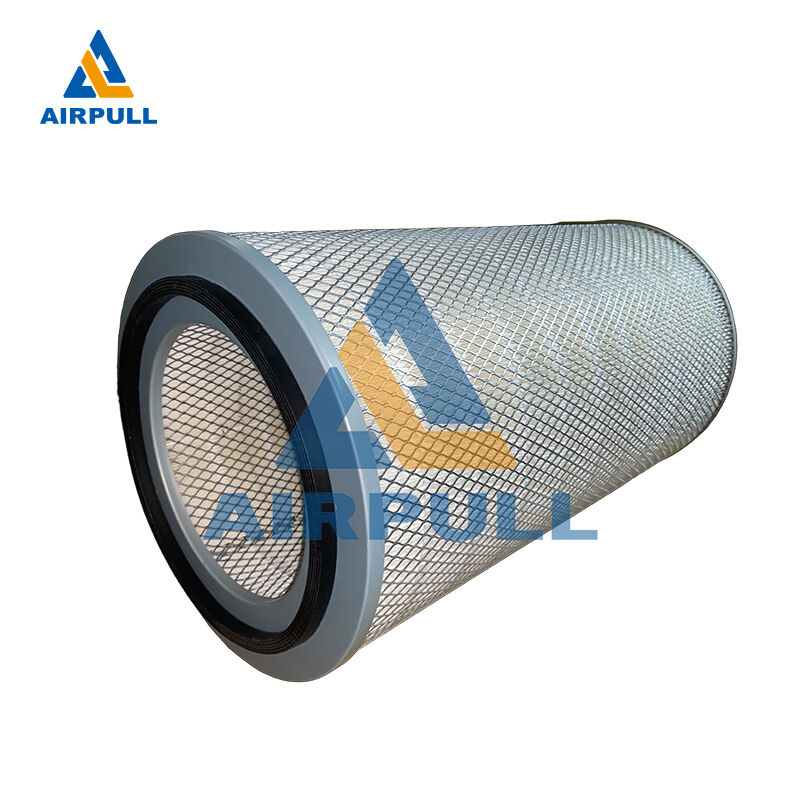
When it comes to protecting your compressed air system and maintaining peak operational efficiency, few components matter more than rotary screw air compressor filters. These filters serve as the frontline defense against airborne contaminants, oil carryover, and moisture — all of which can compromise your equipment, damage downstream tools, and degrade product quality in manufacturing or industrial environments. Selecting the right filter is not simply a maintenance decision; it is a strategic investment that directly affects your compressor's lifespan, energy consumption, and total cost of operation.
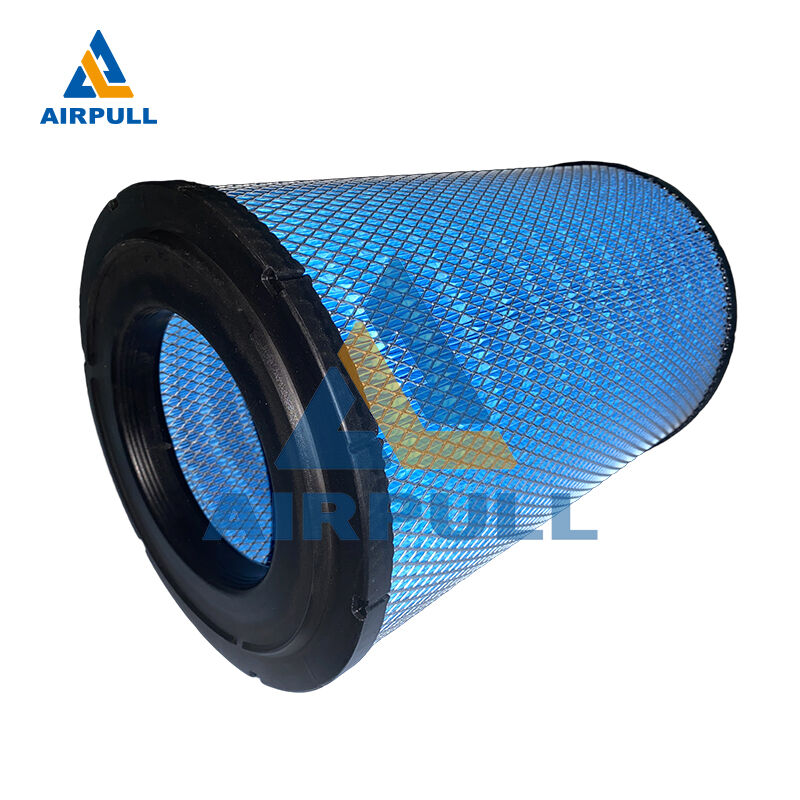
This review is designed to help B2B buyers, maintenance engineers, and procurement specialists understand exactly what separates a high-performing rotary screw air compressor filter from an average one. Rather than offering an arbitrary ranked list, this guide examines the critical performance criteria, construction quality indicators, and application suitability factors that define the best options available today. By understanding these parameters, you will be far better equipped to evaluate filters on your own terms and choose a solution that truly matches the demands of your compressed air system.
What Makes Rotary Screw Air Compressor Filters Stand Out
The Role of Filtration in Screw Compressor Performance
Rotary screw compressors operate through a continuous, oil-injected compression cycle that generates significant internal heat and turbulence. In this environment, contaminants including dust particles, oil aerosols, water droplets, and hydrocarbon vapors are introduced into the compressed air stream at every stage of the compression process. Without properly rated rotary screw air compressor filters, these contaminants accumulate in internal passages, degrade lubricating oil, and create conditions for premature component failure.
What distinguishes high-quality rotary screw air compressor filters from generic alternatives is their ability to deliver consistent filtration efficiency under variable load conditions. Industrial compressors rarely operate at a single, steady output level. Filters must maintain their rated particle retention and coalescing performance across a wide range of flow rates and pressures without collapsing, bypassing, or shedding captured contaminants back into the airstream. This structural and functional resilience is the core differentiator between premium and standard-grade products.
Another critical performance dimension is pressure differential management. Every filter introduces some resistance to airflow, and this resistance — known as differential pressure — directly translates into energy consumption. A well-designed rotary screw air compressor filter achieves its rated filtration efficiency while keeping pressure drop to an absolute minimum, reducing the energy burden on the compressor and extending its operational duty cycles.
Key Filtration Stages in a Rotary Screw System
Most industrial rotary screw compressor installations involve at least three distinct filtration stages, each targeting a different class of contaminant. The inlet air filter is the first line of defense, capturing large particulate matter before it enters the compression chamber. Inlet filters in high-quality rotary screw air compressor filters systems are typically constructed with multi-layer synthetic media capable of retaining particles down to 3–5 microns while supporting high airflow volumes with minimal restriction.
The oil separator element represents the most technically demanding filtration stage in any rotary screw system. During the compression cycle, oil is injected to cool, seal, and lubricate the rotors. The compressed air exits the compression chamber heavily laden with oil mist. The oil separator must recover this oil with extreme efficiency — typically achieving residual oil carryover levels below 3 ppm — before the air enters the downstream distribution network. Premium rotary screw air compressor filters in this category use borosilicate glass fiber media with progressive density gradients to maximize coalescing performance.
Final-stage inline filters, often installed at the point of use or after the aftercooler, provide a last barrier against fine oil aerosols and solid particles that may pass through earlier filtration stages. These elements are often rated to sub-micron efficiency levels and are critical in applications such as food processing, electronics manufacturing, and pharmaceutical production where compressed air purity directly affects product integrity and regulatory compliance.
Evaluating Construction Quality in Rotary Screw Air Compressor Filters
Filter Media Selection and Its Impact on Longevity
The filtration media is arguably the single most important factor in determining the real-world performance of rotary screw air compressor filters. Borosilicate microfiber glass is widely regarded as the superior material for oil separation and fine particle capture due to its extremely uniform fiber diameter, high surface-area-to-volume ratio, and inherent resistance to oil saturation. Filters using this media type offer faster oil drainage, lower steady-state pressure drop, and longer service intervals compared to those built with cellulose or polyester alternatives.
Synthetic composite media, often used in inlet and pre-filter stages, provides excellent mechanical strength and resistance to humidity-induced degradation. In environments where inlet air carries elevated moisture or where the compressor operates in high-humidity climates, synthetic media filters outperform cellulose-based products by a significant margin in both efficiency retention and structural integrity over time. Buyers reviewing rotary screw air compressor filters should always request media specification data rather than relying on nominal micron ratings alone.
End-cap and core construction materials are equally important. Galvanized steel cores provide robust support against pressure-induced collapse, while epoxy-bonded end-caps ensure that the media pack remains sealed even under thermal cycling conditions. Any bypass between the media and the end-cap represents a direct contamination pathway that renders the filter's rated efficiency meaningless in practice.
Housing Design and Sealing Integrity
A high-quality filter housing does more than protect the filter element — it actively contributes to filtration efficiency by ensuring that all airflow is directed through the media rather than around it. In the context of rotary screw air compressor filters, housing geometry influences oil drainage behavior, contaminant retention capacity, and the ease of element replacement during scheduled maintenance intervals.
Thread-seal interfaces and O-ring grooves must be machined to tight tolerances to prevent bypass leakage, which is a common failure point in lower-quality filter assemblies. Premium housings are often constructed from powder-coated aluminum or high-grade engineering plastics that resist corrosion in humid or chemically aggressive environments. Look for housings with clearly marked inlet and outlet ports, integrated differential pressure indicators, and drain points appropriately positioned for efficient condensate removal.
Maintenance accessibility is another practical dimension that directly affects filter performance in real operations. Filters that are difficult to access or replace tend to be serviced less frequently, resulting in progressively elevated differential pressure, reduced airflow, and increased energy costs. The best rotary screw air compressor filters are designed with the maintenance technician in mind, featuring tool-free or minimal-tool element replacement procedures and clear service interval markings.
Performance Benchmarks That Define the Best Rotary Screw Air Compressor Filters
Filtration Efficiency Ratings and ISO Standards
Any serious evaluation of rotary screw air compressor filters must reference internationally recognized performance standards. ISO 8573 is the primary standard governing compressed air purity classification, defining maximum allowable concentrations of solid particles, water, and oil in compressed air at various quality classes. When a filter is rated to ISO 8573-1 Class 1 for oil aerosol removal, for example, it must demonstrate residual oil content below 0.01 mg/m³ under standardized test conditions.
ISO 12500 specifically governs the testing methodology for compressed air filters, covering oil aerosol, oil vapor, and particulate filter types. Filters tested and certified under ISO 12500 conditions provide verifiable efficiency data that buyers can use for direct performance comparison. When reviewing rotary screw air compressor filters, always prioritize products that can provide third-party test data aligned with ISO 12500 protocols rather than relying solely on manufacturer-stated ratings.
Differential pressure performance across the full rated flow range is another benchmark that separates premium from standard products. A filter rated for 200 CFM should demonstrate consistent efficiency and acceptable pressure drop from 50% to 120% of rated flow, as real-world compressor output varies continuously. Filters that perform well only at a single design point represent a significant operational risk in dynamic industrial environments.
Service Life and Total Cost of Ownership
Purchase price is rarely the most meaningful cost metric when evaluating rotary screw air compressor filters. Service life, replacement frequency, and the energy cost of operating the filter across its lifecycle all contribute to the true total cost of ownership. A premium filter element that costs 40% more than a standard alternative but delivers twice the service life and maintains lower differential pressure throughout represents a substantially better economic value over a three-to-five-year maintenance horizon.
Oil separator elements in particular should be evaluated on their ability to maintain low carryover levels throughout their rated service interval, not just at initial installation. Some lower-quality elements achieve acceptable initial performance but degrade rapidly as the media saturates, resulting in rising oil carryover that contaminates downstream equipment and product streams. High-quality rotary screw air compressor filters maintain stable carryover performance within rated specifications until the element is properly due for replacement.
Energy savings from reduced pressure drop can also be substantial over a compressor's operating life. For every 1 PSI reduction in system pressure drop, a typical industrial compressor requires approximately 0.5% less energy input to maintain output pressure. Over thousands of operating hours, the cumulative energy savings from a low-resistance filter design can far exceed the cost differential between premium and budget-grade rotary screw air compressor filters.
Application Suitability and Selection Guidance
Matching Filter Specifications to Your Compressor and Application
Not all rotary screw air compressor filters are equally suited to every application, and selecting the right filter for your specific compressor model and end-use requirements is essential for achieving the expected performance outcomes. The first consideration is always compatibility with the original equipment manufacturer's (OEM) specifications, including element dimensions, thread type, bypass valve settings, and rated flow capacity. Using undersized or incompatible elements can result in structural failure under operating pressure, which creates immediate safety hazards and can void equipment warranties.
Application-specific contamination profiles should also guide filter selection. Compressors operating in dusty outdoor environments, foundries, or wood processing facilities face much higher inlet particulate loads than those in climate-controlled manufacturing facilities. In high-dust environments, pre-filters and extended-surface inlet elements with higher dust holding capacity are essential to prevent premature clogging and maintain acceptable service intervals for downstream rotary screw air compressor filters.
For applications requiring certified air purity — such as food-grade compressed air or instrument air for critical process control systems — only filters with documented third-party certification to the relevant ISO 8573 classes should be considered. In these cases, the documentation trail is as important as the filter's physical performance, as it provides the audit evidence required for regulatory compliance and quality management system certification.
Replacement Part Quality and OEM Compatibility
One of the most practically significant decisions buyers face is whether to source replacement rotary screw air compressor filters from OEM suppliers or from compatible aftermarket specialists. OEM filters offer guaranteed dimensional compatibility and are typically validated against the compressor's original design specifications. However, high-quality aftermarket alternatives — particularly those engineered to meet or exceed OEM performance parameters — can offer compelling value without compromising system reliability or air quality outcomes.
When evaluating aftermarket rotary screw air compressor filters, the critical due diligence points include media specification verification, dimensional confirmation against OEM drawings, bypass valve pressure setting accuracy, and availability of independent performance test data. Reputable aftermarket filter manufacturers provide full technical documentation and can demonstrate cross-reference compatibility with major compressor brands. A well-sourced aftermarket filter that meets all these criteria is a fully viable alternative to OEM supply, often at significantly reduced procurement cost.
For procurement teams managing large compressor fleets or multi-site operations, consolidating rotary screw air compressor filters procurement through a single qualified supplier offers additional advantages in terms of inventory management, lead time reliability, and volume-based pricing. The key is establishing a supplier qualification process that validates performance claims through technical documentation rather than relying on price alone as a selection criterion. One product worth examining in this context is this rotary screw air compressor filters solution, which is engineered for high-efficiency filtration and designed as a durable replacement option compatible with a wide range of screw compressor platforms.
FAQ
How often should rotary screw air compressor filters be replaced?
Replacement intervals for rotary screw air compressor filters vary depending on the filter type, operating environment, and compressor duty cycle. Oil separator elements are typically replaced every 2,000 to 4,000 operating hours, while inlet air filters in clean environments may last up to 8,000 hours. In dusty or contaminated environments, inlet filter intervals should be shortened significantly. Always monitor differential pressure indicators and replace elements when pressure drop reaches the manufacturer's maximum rated value, regardless of elapsed hours.
Can using a non-OEM filter void my compressor warranty?
In most jurisdictions, using a compatible aftermarket filter that meets or exceeds OEM specifications does not automatically void a compressor warranty, provided the filter is correctly installed and the replacement is properly documented. However, warranty terms vary by manufacturer, and it is advisable to review your specific warranty documentation and consult with your equipment supplier before switching to aftermarket rotary screw air compressor filters. Selecting a reputable aftermarket source that provides documented performance equivalence to OEM specifications significantly reduces any warranty-related risk.
What is the difference between an inlet filter and an oil separator in a rotary screw compressor?
The inlet filter is positioned at the air intake of the compressor and removes solid particulate contamination from the incoming atmospheric air before it enters the compression chamber. The oil separator element, by contrast, is located within the compressor's oil sump and is responsible for recovering injected compressor oil from the compressed air after the compression stage. Both are critical categories of rotary screw air compressor filters, but they address entirely different contamination challenges and must be selected and maintained independently according to their respective specifications and service intervals.
How do I know if my rotary screw air compressor filter is performing correctly?
The most reliable real-time indicator of filter performance is the differential pressure reading across the element. Most compressor systems include integrated pressure gauges or electronic sensors that display the pressure drop across key rotary screw air compressor filters. A rising differential pressure reading indicates a filter that is approaching end of service life and should be scheduled for replacement. For oil separator elements, elevated oil carryover — visible as oil mist or staining in downstream air treatment components — is a strong indicator of separator failure or bypass, requiring immediate inspection and element replacement.