EN
EN



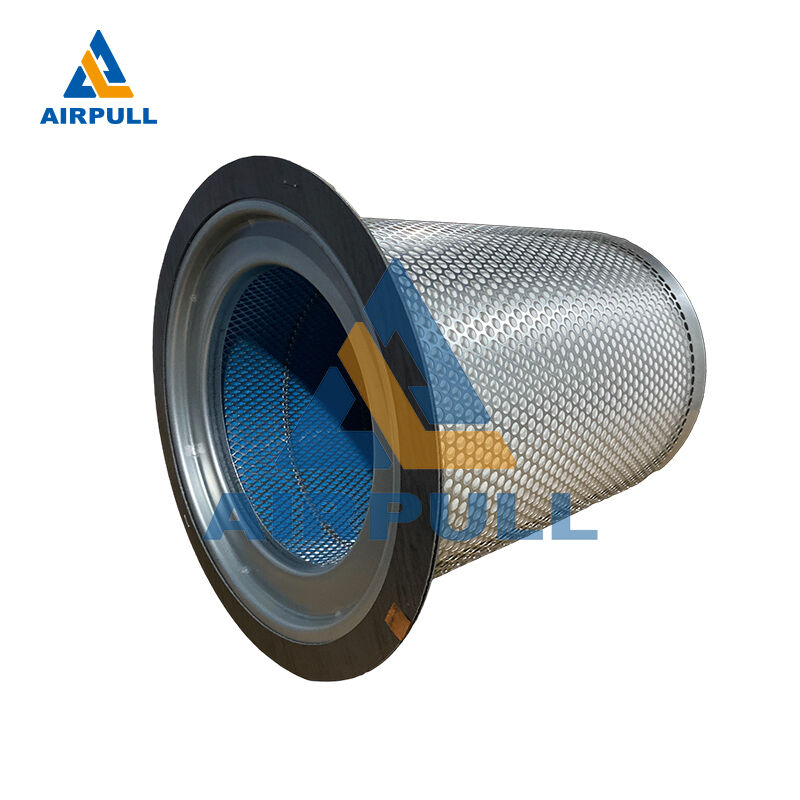
When evaluating industrial filtration solutions for machining centers, CNC equipment, and metalworking environments, the high efficiency oil mist separator stands out as one of the most critical investments a facility manager can make. These systems are engineered to capture airborne oil mist, smoke, and fine aerosol particles generated during cutting, grinding, and cooling operations — protecting both workers and equipment. As regulatory pressure increases and workplace air quality standards tighten globally, choosing the right high efficiency oil mist separator is no longer optional; it is a fundamental operational requirement.
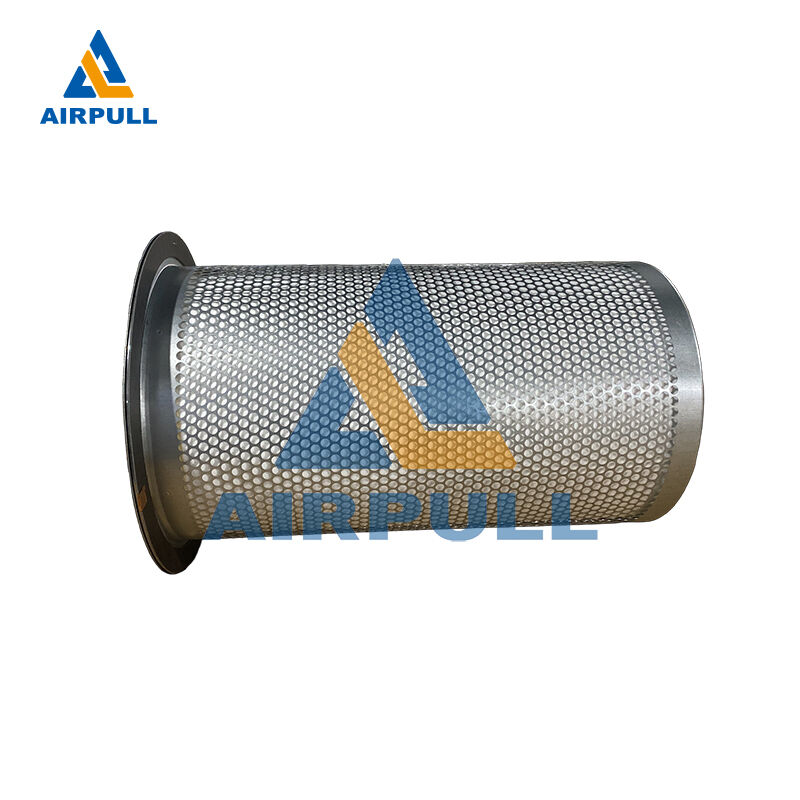
This review examines the core performance criteria, design engineering principles, filtration media quality, and operational value that define an outstanding high efficiency oil mist separator. Rather than a superficial comparison, this article delivers a thorough, criteria-driven analysis to help procurement managers, plant engineers, and facility planners make well-informed decisions. Understanding what separates a truly high-performance unit from a mediocre one is the goal — and every section of this review is built to serve that purpose.
What Makes a High Efficiency Oil Mist Separator Truly Effective
Filtration Efficiency Ratings and Standards
The most fundamental criterion for any high efficiency oil mist separator is its documented filtration efficiency. Top-tier units are designed to capture particles as small as 0.3 microns, with removal rates commonly exceeding 99% for fine oil aerosols. This performance level is measured against internationally recognized standards and provides a reliable benchmark for comparison. Without verified efficiency data, any claim about separator performance should be treated with caution.
Efficiency ratings matter because industrial machining produces oil mist particles across a wide size range. Coarser droplets are relatively easy to capture, but sub-micron particles are the most hazardous — both to human respiratory health and to sensitive electronic or precision machinery components. A genuinely high efficiency oil mist separator must address the full particle size spectrum, not just the easiest portion of it. This is what distinguishes industrial-grade units from general-purpose air filtration equipment.
When reviewing a separator's efficiency claims, buyers should request third-party test data or certificates. Reputable manufacturers back their high efficiency oil mist separator products with independent lab validation, offering transparency that lower-quality alternatives cannot match. Efficiency is not just a marketing figure — it is the technical foundation on which every other performance attribute rests.
Multi-Stage Filtration Architecture
High-performing separators rely on a multi-stage filtration architecture rather than a single filter layer. This typically involves a pre-filter stage to capture larger droplets and particulates, a coalescing or centrifugal stage to concentrate finer aerosols, and a final high-efficiency filter stage to remove residual sub-micron particles. Each stage serves a distinct function, and together they enable the system to maintain high capture efficiency while extending overall service life.
The pre-filter stage protects downstream filter media from rapid loading caused by heavy particle concentrations, reducing maintenance frequency and operational cost. The coalescing stage uses fiber or mesh media to aggregate small droplets into larger ones that can be drained by gravity — an energy-efficient method that avoids excessive pressure drop. The final stage uses densely structured filter cartridges to ensure that even the finest remaining oil mist particles are captured before clean air is recirculated or exhausted.
A well-designed high efficiency oil mist separator balances these stages so that no single component becomes a bottleneck or failure point. The integrity of this architecture is a key differentiator between separators that sustain performance over time and those that show rapid degradation. Facility engineers evaluating units should ask specifically about the number of filtration stages and the media specifications for each.
Filter Cartridge Quality and Its Role in Long-Term Performance
Material Selection and Media Engineering
The filter cartridge is the heart of any high efficiency oil mist separator, and the quality of its media directly determines both capture efficiency and service longevity. High-grade cartridges use borosilicate microfiber, synthetic nonwoven materials, or advanced composite media capable of withstanding the chemical aggressiveness of cutting oils, emulsions, and coolant mist without degradation. Inferior media materials can swell, collapse, or allow bypass channels to form — all of which compromise separator performance.
Cartridge geometry also plays a significant role. Pleated designs maximize the available filtration surface area within a compact footprint, reducing face velocity and extending service intervals. Cylindrical cartridges with deep pleat configurations are particularly effective in applications where mist loading is heavy and continuous. The structural integrity of the cartridge end caps and sealing elements is equally important — any gap or bypass path around the filter media undermines the entire filtration system.
For a high efficiency oil mist separator used in demanding industrial environments, cartridge replacements should be straightforward and cost-effective. Systems designed for tool-free cartridge change-out minimize maintenance downtime and reduce the risk of improper reassembly that could introduce bypass leakage. Selecting a separator with a robust cartridge design is an investment in both air quality and total cost of ownership.
Compatibility with Centrifuge and Rotating Equipment Applications
Industrial centrifuges, spindles, and high-speed rotating equipment generate particularly aggressive oil mist and vapor profiles. The high efficiency oil mist separator used in these applications must tolerate not only high particulate loads but also elevated temperatures, vapor-phase hydrocarbons, and variable airflow conditions. Standard separators not rated for centrifuge or rotating equipment environments may suffer rapid media saturation or structural failure under these conditions.
Cartridges engineered for centrifuge-compatible separators typically feature reinforced media layers, chemically resistant binders, and end caps rated for exposure to a broad range of lubricant chemistries. These design upgrades are not cosmetic — they are functional necessities that determine whether the separator will perform reliably over thousands of operating hours. Procurement teams sourcing a high efficiency oil mist separator for centrifuge applications should verify that the cartridge specification explicitly addresses this use context.
The integration between the separator housing and the centrifuge or machine enclosure is another consideration. Poorly sealed connections allow untreated mist to bypass the separator entirely, creating air quality problems despite the presence of a filtration system. Proper adapter fittings, flanged connections, and gasket integrity are therefore part of the overall performance equation for any high efficiency oil mist separator used with rotating equipment.
Pressure Drop Management and Energy Efficiency
Understanding Pressure Drop in Separator Design
Pressure drop — the resistance to airflow imposed by the filtration media — is a central engineering parameter for any high efficiency oil mist separator. Excessive pressure drop increases the energy consumption of the associated fan or blower, raises operating costs, and can reduce airflow through the machine enclosure to the point where it creates negative pressure imbalances. Managing pressure drop across the separator's service life is therefore as important as initial filtration efficiency.
Well-engineered separators achieve low initial pressure drop through optimized media porosity, efficient pleat geometry, and appropriately sized housing cross-sections. As the filter loads with captured oil and particulates over time, pressure drop naturally increases — but premium media designs slow this progression by enabling efficient draining of coalesced oil back through the media rather than accumulating as a blocking layer. This self-draining behavior is a hallmark of high-quality coalescing filter designs.
Monitoring pressure drop across the separator provides an objective maintenance trigger. Most high-quality high efficiency oil mist separator installations incorporate differential pressure gauges or electronic sensors that signal when cartridge replacement is warranted. Relying on time-based replacement schedules alone is less precise and can result in either premature cartridge disposal or continued operation past the point of acceptable performance.
Fan and Motor Integration for Consistent Airflow
The fan or motor assembly integrated into a high efficiency oil mist separator must be correctly matched to the system's resistance curve across the full range of expected operating conditions. Under-powered fans fail to maintain adequate airflow as filter loading increases, while over-specified fans introduce unnecessary energy consumption and acoustic noise. Variable-speed fan drives represent an advanced solution that automatically adjusts airflow to maintain target conditions regardless of filter loading state.
Bearing quality in the fan assembly is also a meaningful reliability factor. Separators operating in environments with high ambient temperatures, chemical vapors, or elevated humidity require sealed, corrosion-resistant bearings that maintain performance without frequent lubrication. Failures in the fan assembly negate the entire value of a high-quality filtration stack, so this component deserves careful evaluation when reviewing a high efficiency oil mist separator.
Energy efficiency across the complete system — including both filtration resistance and motor efficiency — should be considered when calculating total cost of ownership. A separator with a slightly higher purchase price but substantially lower operating energy draw and longer cartridge service intervals will almost always deliver better economic value over a three-to-five year evaluation horizon than a lower-cost unit with poor energy performance characteristics.
Installation, Maintenance, and Total Cost of Ownership
Installation Flexibility and Mounting Options
A high efficiency oil mist separator that offers multiple mounting configurations — ceiling-mounted, machine-top-mounted, or floor-standing — provides significantly greater installation flexibility across diverse facility layouts. Machine-top mounting is particularly space-efficient for CNC machining centers and lathes, eliminating the need for dedicated floor space or overhead structural modifications. Ceiling mounting suits open-plan facilities where multiple machines share filtration infrastructure through a ducted distribution system.
Connection compatibility with various machine enclosure types and ductwork standards simplifies installation and reduces the cost of custom fabrication. Separators designed with standardized inlet and outlet dimensions, available in multiple sizes, can be integrated into existing facilities without extensive retrofitting. This practical dimension of separator design is often undervalued during specification but becomes highly relevant during actual deployment.
Proper installation also includes attention to the oil drain path. Captured oil must be directed back to the machine sump or to a waste oil collection point without creating backpressure or pooling inside the separator housing. Systems with well-designed integral drain valves or automatic drain mechanisms minimize maintenance intervention and prevent the accumulation of collected oil that can degrade filter media or create fire hazards in high-temperature environments.
Maintenance Intervals and Cartridge Replacement Economics
The economic case for investing in a premium high efficiency oil mist separator is substantially supported by maintenance cost analysis. Extended cartridge service life, simplified change-out procedures, and durable housing construction all reduce the total maintenance burden relative to lower-cost alternatives that require more frequent intervention. Facilities running multiple shifts or continuous operations place particular value on separators with long service intervals that do not disrupt production cycles.
Cartridge availability and pricing are pragmatic considerations that should be evaluated alongside the separator hardware itself. A separator that performs excellently but relies on proprietary cartridges with limited availability or high replacement cost creates ongoing procurement risk. Specifying a high efficiency oil mist separator from a supplier with a well-established replacement parts program provides long-term assurance that maintenance consumables will remain accessible at competitive pricing.
Total cost of ownership modeling should account for energy consumption, cartridge replacement frequency and cost, maintenance labor, and the value of prevented downtime and equipment protection. When all these factors are included, the economic justification for selecting a high-performance separator over a budget alternative typically becomes clear. The upfront price premium is almost always recovered within the first one to two years of operation in a production environment.
FAQ
What is the primary function of a high efficiency oil mist separator in industrial settings?
A high efficiency oil mist separator is designed to capture and remove airborne oil mist, smoke, and aerosol particles generated by machining, grinding, and other metalworking operations. It protects worker health by maintaining clean air in the facility, prevents oil mist from settling on surfaces and equipment, and helps facilities comply with occupational air quality regulations. By returning captured oil to the machine sump, it also reduces lubricant waste and keeps floors safer.
How often should the filter cartridge in a high efficiency oil mist separator be replaced?
Replacement intervals depend on the operating environment, the volume and type of oil mist generated, and the specific cartridge design. Many industrial-grade high efficiency oil mist separator cartridges are rated for six to twelve months of service under typical machining conditions, but heavy-duty or continuous operations may require more frequent changes. The most reliable approach is to monitor differential pressure across the separator and replace the cartridge when a pre-defined pressure drop threshold is reached, rather than relying solely on calendar-based schedules.
Can a high efficiency oil mist separator be used with centrifuge equipment?
Yes, but the separator and its filter cartridges must be specifically rated for centrifuge or high-speed rotating equipment applications. These environments produce elevated oil mist concentrations, higher temperatures, and exposure to a wider range of lubricant chemistries than standard machining applications. A high efficiency oil mist separator configured for centrifuge use will incorporate reinforced media, chemically resistant sealing components, and housing designs that accommodate the higher demands of these applications. Standard office or general-purpose separators are not suitable substitutes.
What should buyers prioritize when selecting a high efficiency oil mist separator for a multi-machine facility?
For multi-machine facilities, buyers should prioritize verified filtration efficiency data, multi-stage filtration architecture, low and stable pressure drop performance, flexible mounting options, and a reliable cartridge supply program. Scalability is also important — selecting a separator platform that accommodates different airflow capacities allows the same family of equipment to serve multiple machine types and sizes. Evaluating the total cost of ownership over a three-to-five year horizon, rather than focusing solely on purchase price, will generally lead to the most economically sound decision.
Table of Contents
- What Makes a High Efficiency Oil Mist Separator Truly Effective
- Filter Cartridge Quality and Its Role in Long-Term Performance
- Pressure Drop Management and Energy Efficiency
- Installation, Maintenance, and Total Cost of Ownership
-
FAQ
- What is the primary function of a high efficiency oil mist separator in industrial settings?
- How often should the filter cartridge in a high efficiency oil mist separator be replaced?
- Can a high efficiency oil mist separator be used with centrifuge equipment?
- What should buyers prioritize when selecting a high efficiency oil mist separator for a multi-machine facility?