EN
EN



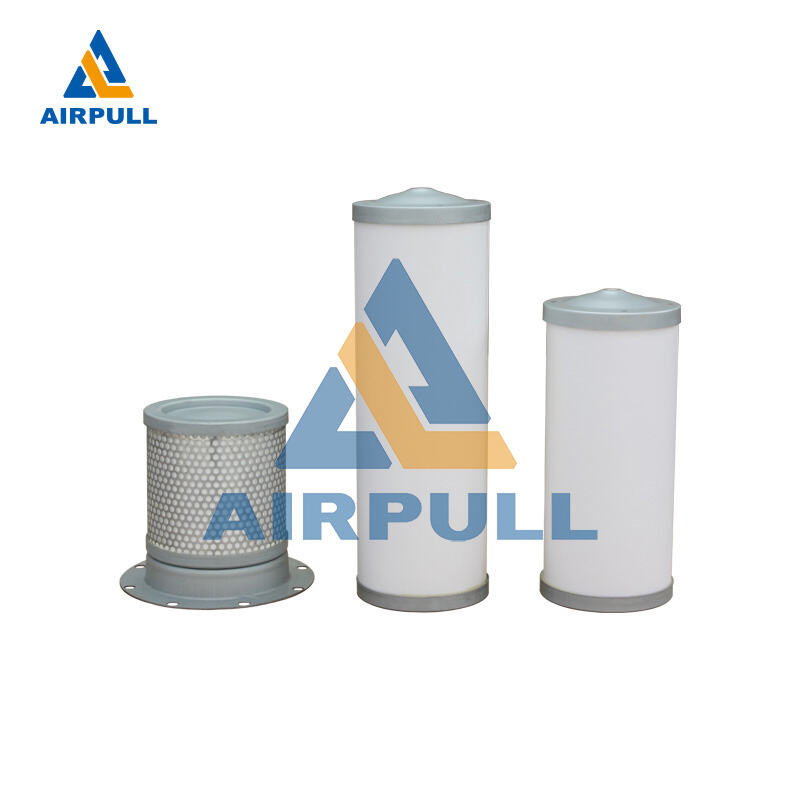
Selecting the right lube oil filter cartridge for your industrial equipment in 2026 is more critical than ever. With tighter operational tolerances, stricter maintenance standards, and the rising cost of unplanned downtime, the performance of a lube oil filter cartridge directly influences how reliably your machinery runs. Whether you manage a fleet of screw air compressors, hydraulic systems, or heavy-duty industrial drives, understanding what makes a high-quality lube oil filter cartridge worth your investment is the first step toward smarter maintenance decisions.
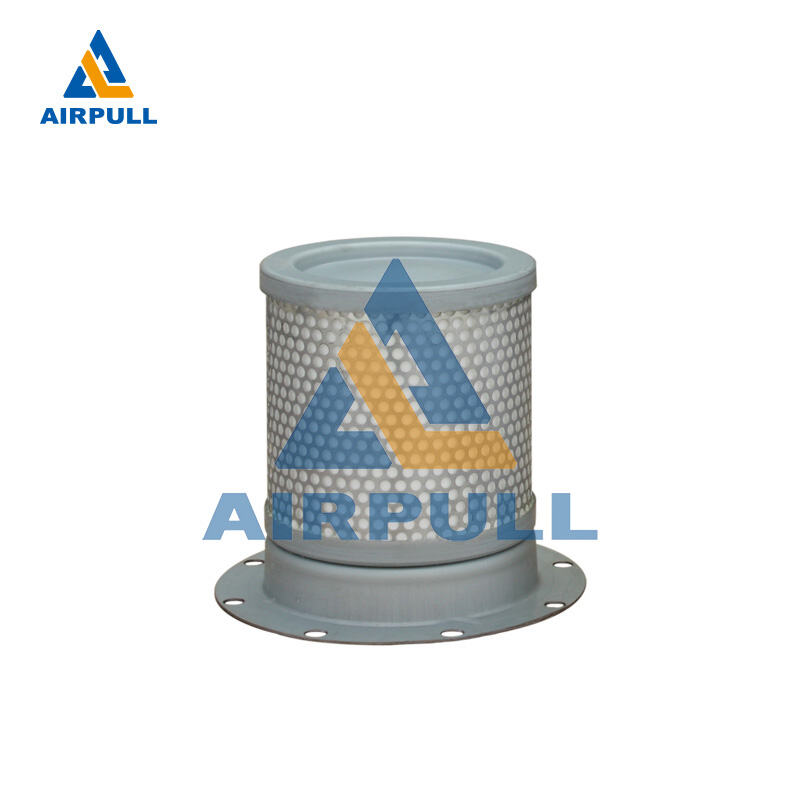
This review examines the defining characteristics of a top-performing lube oil filter cartridge in 2026, covering filtration media, structural integrity, compatibility considerations, service intervals, and what procurement professionals and maintenance engineers should prioritize when evaluating their options. Rather than listing brands, this guide focuses on what technically separates a premium lube oil filter cartridge from an average one — helping you make confident, evidence-based decisions for your facility.
What Defines a High-Performance Lube Oil Filter Cartridge in 2026
Filtration Media Quality and Efficiency Ratings
The most fundamental measure of any lube oil filter cartridge is the quality of its filtration media. In 2026, the benchmark for industrial-grade performance involves multi-layer synthetic fiber media that can achieve consistent particle removal at micron ratings between 3 and 25 microns, depending on the application. A well-engineered lube oil filter cartridge uses gradient-density media, where the outer layers capture larger particles and progressively finer inner layers handle smaller contaminants.
This layered approach extends service life significantly compared to single-layer designs, because it distributes the contamination load across the media depth rather than concentrating it on the surface. For applications such as rotary screw air compressors, where oil is continuously circulated under pressure, the media must also demonstrate high resistance to collapse under differential pressure. A lube oil filter cartridge that deforms under load loses its rated efficiency and can allow contaminated oil to bypass critical components.
Efficiency ratings in 2026 are increasingly expressed using the Beta ratio standard, which gives a more precise picture of how effectively a lube oil filter cartridge removes particles of a specific size compared to older nominal ratings. Buyers who rely solely on nominal micron ratings may find substantial variation between products with identical labels. Requesting Beta ratio test data — typically at Beta 10 or Beta 20 levels — gives a far more accurate comparison between competing cartridge options.
Structural Integrity and Pressure Resistance
A lube oil filter cartridge must maintain its physical structure throughout its rated service life, even under demanding thermal and pressure cycles. The end caps, center tube, and outer housing must be compatible with the lubricant being filtered, including synthetic oils and high-detergent formulations that can degrade lesser materials. In industrial environments, the cartridge may be exposed to repeated cold-start pressure spikes that can exceed three to four times the normal operating differential.
Quality lube oil filter cartridge designs use metal-reinforced center tubes and rigid end caps bonded with industrial adhesives or mechanically crimped to prevent separation under stress. Cartridges that use lightweight plastic cores or low-bond adhesives are more prone to telescoping or end-cap failure, both of which result in unfiltered oil reaching downstream components. For high-cycle equipment like screw compressors, this structural robustness is not optional — it is a baseline requirement.
Burst pressure ratings should be clearly specified by the manufacturer. A reliable lube oil filter cartridge designed for compressor service should offer a burst pressure at least three times the maximum working differential pressure of the application. Cartridges without published burst pressure data should be treated with caution, as this omission often reflects a lack of formal testing rather than inherently safe performance.
Key Evaluation Criteria When Reviewing a Lube Oil Filter Cartridge
Compatibility with Lubricant Types and OEM Specifications
One of the most overlooked aspects of lube oil filter cartridge selection is chemical compatibility. Not every cartridge is designed to perform equally well with mineral oils, semi-synthetic blends, and full synthetic lubricants. Synthetic lubricants, in particular, have different solvency characteristics that can degrade seal materials and adhesives found in entry-level cartridge designs. A lube oil filter cartridge intended for use with premium synthetic compressor oil must use seals and binders that are explicitly tested and rated for synthetic fluid exposure.
OEM cross-reference compatibility is another practical dimension. Many industrial operators maintain equipment from multiple manufacturers and need a lube oil filter cartridge that crosses to several OEM part numbers without performance compromise. This is common in compressor maintenance programs where a single facility may operate units from two or three different compressor brands. A high-quality aftermarket lube oil filter cartridge should provide published cross-reference data and meet or exceed the original equipment specification in terms of both filtration efficiency and physical fit.
Flow rate and bypass valve settings also need to align with the specific system. A lube oil filter cartridge with a bypass valve set too low will allow unfiltered oil to flow at normal operating viscosities, while one set too high may not provide a safety bypass during cold-start conditions. These values must match the OEM specification or be confirmed through system-specific engineering review before substitution.
Service Interval Performance and Total Cost Efficiency
The rated service interval of a lube oil filter cartridge should be considered in the context of the real-world operating environment, not just ideal laboratory conditions. Environments with higher ambient dust levels, variable load cycles, or contaminated lubricant supplies will shorten the effective service life of any lube oil filter cartridge below its rated maximum. Understanding this gap between rated and actual performance helps maintenance planners set realistic change intervals that protect equipment without incurring unnecessary consumable costs.
Total cost efficiency involves more than purchase price per unit. A lube oil filter cartridge with a longer rated service interval and superior media integrity can reduce change frequency, labor costs, and lubricant consumption — all of which contribute to lower total cost of ownership. In facilities operating dozens of compressor units, even a modest improvement in cartridge service life translates into measurable annual savings in both parts and man-hours.
Condition monitoring through differential pressure gauges or electronic sensors is increasingly used to supplement fixed-interval replacement of the lube oil filter cartridge. This approach ensures that the cartridge is changed based on actual loading rather than an assumed schedule, preventing both premature replacement and the risk of operating with a fully saturated filter. Pairing a high-quality lube oil filter cartridge with proper monitoring infrastructure represents the most cost-effective maintenance strategy available in 2026.
Construction Features That Separate Premium from Standard Cartridge Designs
Pleated Media Configuration and Surface Area
The pleated media configuration of a lube oil filter cartridge has a direct impact on its dirt-holding capacity and flow resistance. More pleats of uniform height create greater effective filtration surface area within a fixed cartridge envelope, which reduces pressure drop and extends service life before the filter reaches its differential pressure limit. A premium lube oil filter cartridge is engineered with precision-formed pleats that maintain their geometry under flow and thermal conditions, rather than collapsing or bunching.
Pleat spacing must also account for fluid viscosity. At cold-start conditions, high-viscosity oil flowing through poorly spaced pleats can create uneven flow distribution and stress concentrations in the media. Well-designed lube oil filter cartridge products use pleat spacers or embossed media patterns to maintain consistent channel spacing, ensuring even flow across the full filter surface from the first second of operation.
The outer wrap material of the lube oil filter cartridge also plays a protective role. A perforated metal outer shell provides collapse resistance while allowing unrestricted inflow, whereas a non-woven fabric wrap offers only limited structural support. For high-pressure applications or systems with frequent transient pressure spikes, a metal-wrapped lube oil filter cartridge is the more durable and predictable choice over extended service periods.
Bypass Valve Design and Anti-Drain Back Features
The bypass valve integrated into a lube oil filter cartridge serves as a fail-safe mechanism when the media becomes loaded with contaminants or when oil viscosity is unusually high during cold start. The valve must open at a precisely calibrated differential pressure — typically between 0.7 and 1.5 bar for most compressor applications — and reseat cleanly when the differential normalizes. A lube oil filter cartridge with a poorly calibrated or mechanically unreliable bypass valve provides false security, as it may either fail to open when needed or allow unacceptable bypass flow during normal operation.
Anti-drain back valves are equally important in systems where the lube oil filter cartridge is mounted in an orientation that would allow oil to drain back into the sump when the system is shut down. Without this feature, the lubrication system must refill and re-pressurize the filter on every restart, which extends the period of inadequate lubrication during initial startup. A properly functioning anti-drain back valve ensures that the lube oil filter cartridge remains primed and ready to deliver filtered oil from the first moment of operation.
Both the bypass valve and anti-drain back valve must be compatible with the lubricant type in use. Valve seat materials, spring alloys, and sealing elastomers must all be verified for compatibility when a lube oil filter cartridge is used with synthetic or specialty lubricant formulations. This compatibility review is a standard part of responsible filter specification but is frequently overlooked in price-focused procurement processes.
Application-Specific Considerations for Screw Compressor Lube Systems
The Role of the Lube Oil Filter Cartridge in Compressor Health
In rotary screw air compressors, the lube oil filter cartridge occupies a central position in the overall reliability of the machine. Compressor oil serves multiple functions simultaneously — lubricating bearings and rotors, sealing compression stages, and removing heat from the compression process. Any degradation in oil cleanliness directly impacts all three of these functions, making the condition of the lube oil filter cartridge a primary indicator of compressor health.
Wear metal particles generated by rotor tip and bearing surfaces are the primary internal contaminant that a lube oil filter cartridge must capture in compressor service. These metallic particles are abrasive and can accelerate wear in a feedback loop — contaminated oil causes more wear, which generates more particles, which further degrades oil quality. A properly sized and maintained lube oil filter cartridge interrupts this cycle by continuously removing particles before they can cause progressive damage.
Varnish and sludge formation are additional threats in compressor lube systems, particularly in machines that experience frequent stop-start cycles or operate at elevated temperatures. Some advanced lube oil filter cartridge products incorporate media with electrostatic or chemically active properties that help adsorb soluble contaminants in addition to mechanically filtering particles. While these technologies represent a premium over standard media, they can extend oil change intervals and reduce varnish-related failures in susceptible systems.
Replacement Frequency and Maintenance Best Practices
Compressor manufacturers typically specify lube oil filter cartridge replacement intervals in terms of operating hours, most commonly between 2,000 and 4,000 hours for standard service conditions. These intervals should be treated as maximum limits rather than fixed schedules, especially in environments with elevated contamination loads or when non-OEM lubricants are in use. Maintaining a change log for each lube oil filter cartridge replacement, along with oil analysis data, provides the most complete picture of filter and lubricant health over time.
Proper installation procedure is also critical to the performance of any lube oil filter cartridge. Incomplete seating, cross-threaded housings, and failure to pre-fill the cartridge before installation are all common maintenance errors that can compromise filter performance or create immediate leak points. Maintenance technicians should always follow the torque specifications provided by the cartridge manufacturer and inspect the sealing surfaces of the filter housing for damage or residue from the previous cartridge before installation.
Storing spare lube oil filter cartridge units correctly is another often-overlooked aspect of a sound maintenance program. Cartridges should be kept in their original sealed packaging, stored in a clean, dry environment away from direct sunlight and temperature extremes, and used before their stated shelf life expires. Degraded packaging or storage conditions can compromise the media and seals of a lube oil filter cartridge before it ever enters service, negating the value of selecting a high-quality product in the first place.
FAQ
How often should a lube oil filter cartridge be replaced in a screw air compressor?
Most screw air compressor manufacturers recommend replacing the lube oil filter cartridge every 2,000 to 4,000 operating hours, depending on operating conditions and lubricant type. In environments with high ambient contamination or where synthetic oils are used, the interval may differ. Always refer to the equipment manufacturer's maintenance schedule and consider oil analysis data to optimize the replacement interval for your specific application.
Can a lube oil filter cartridge affect the quality of compressed air output?
Yes, indirectly. In a rotary screw compressor, the lube oil filter cartridge maintains oil cleanliness, which directly affects how well the oil separator downstream can remove oil aerosols from the compressed air. A saturated or failed lube oil filter cartridge allows increased contaminant loading in the oil, which can shorten the service life of the oil separator and potentially lead to elevated oil carryover in the compressed air supply.
What is the difference between a nominal and absolute rated lube oil filter cartridge?
A nominal-rated lube oil filter cartridge captures a percentage of particles at a stated micron size, typically around 50 to 98 percent, though the exact percentage varies by manufacturer. An absolute-rated lube oil filter cartridge captures 99.9 percent or more of particles at the stated micron size under test conditions. For critical lubrication systems, an absolute-rated cartridge provides more predictable and consistent protection, while nominal ratings are acceptable for less sensitive applications.
Is it safe to use an aftermarket lube oil filter cartridge instead of the OEM part?
A high-quality aftermarket lube oil filter cartridge can perform equivalently to the OEM part if it is manufactured to the same dimensional specifications, uses compatible materials for the lubricant in use, and is backed by published test data showing equivalent or superior filtration efficiency. The key risk with unverified aftermarket products lies in unknown media quality, incorrect bypass valve settings, or incompatible seal materials. Always verify cross-reference data and request technical specifications before substituting any lube oil filter cartridge in critical equipment.
Table of Contents
- What Defines a High-Performance Lube Oil Filter Cartridge in 2026
- Key Evaluation Criteria When Reviewing a Lube Oil Filter Cartridge
- Construction Features That Separate Premium from Standard Cartridge Designs
- Application-Specific Considerations for Screw Compressor Lube Systems
-
FAQ
- How often should a lube oil filter cartridge be replaced in a screw air compressor?
- Can a lube oil filter cartridge affect the quality of compressed air output?
- What is the difference between a nominal and absolute rated lube oil filter cartridge?
- Is it safe to use an aftermarket lube oil filter cartridge instead of the OEM part?