EN
EN



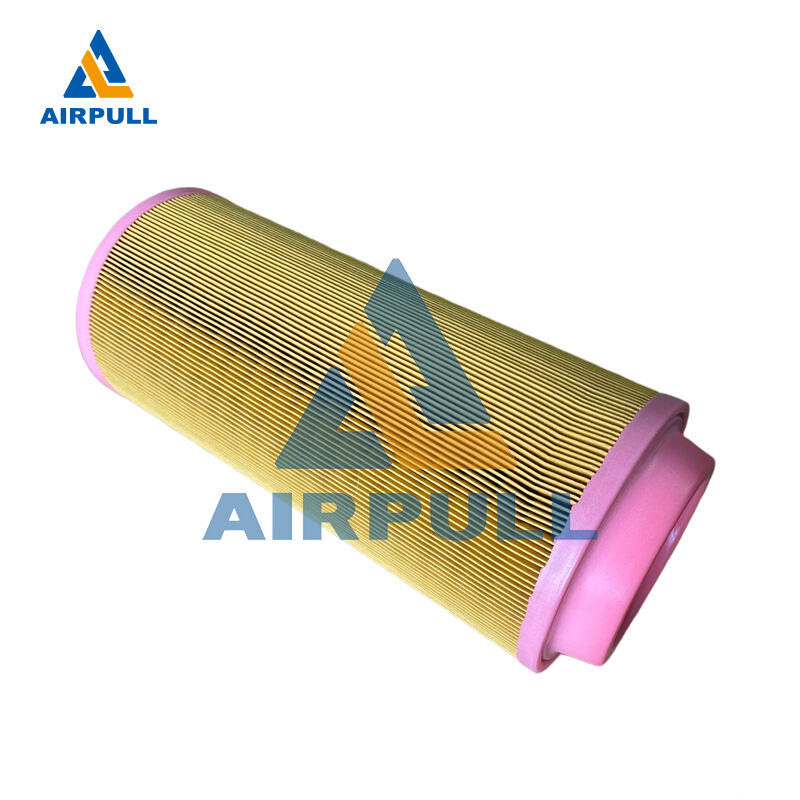
Choosing the right air compressor filter system is one of the most consequential decisions any industrial facility, workshop, or manufacturing operation can make. Compressed air, despite appearing clean and invisible, carries a hidden cocktail of contaminants — oil aerosols, water vapor, solid particles, and even microbial matter — that degrade equipment, compromise product quality, and drive up maintenance costs. A well-specified air compressor filter system intercepts these threats before they can cause damage, ensuring that the air delivered downstream meets the purity standards required by your application and industry regulations.
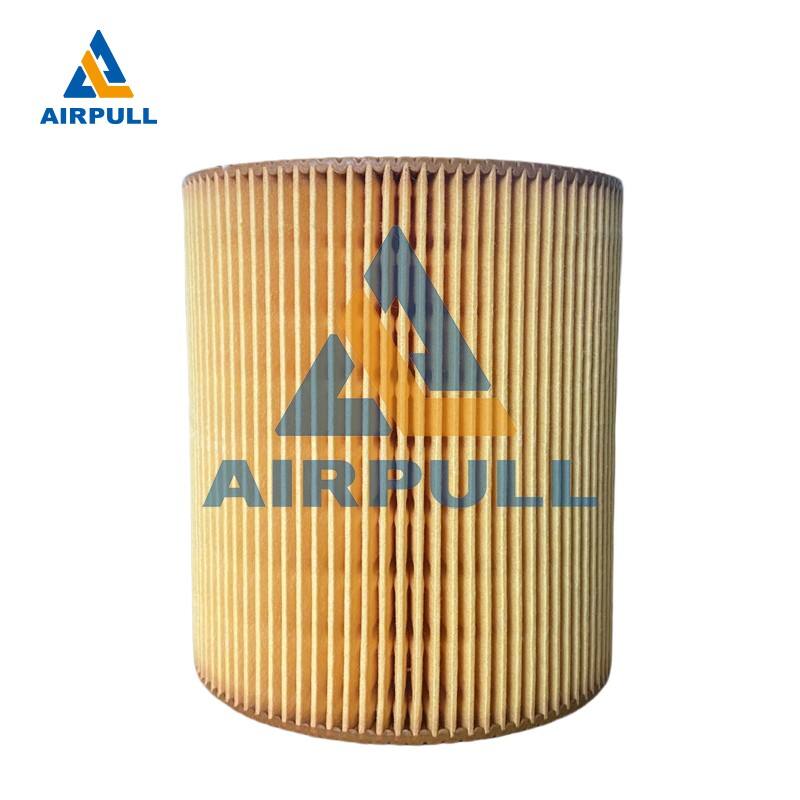
This review-driven guide cuts through the noise to help you understand what actually separates a high-performing air compressor filter system from a mediocre one. Rather than listing brand names or producing a superficial rankings chart, we focus on the mechanical principles, performance criteria, and decision logic that define quality. Whether you are evaluating filter elements for a rotary screw compressor, a reciprocating piston unit, or a large centralized compressed air network, the insights here will help you assess any air compressor filter system with confidence and precision.
Understanding What an Air Compressor Filter System Actually Does
The Contaminant Challenge in Compressed Air
Ambient air entering a compressor is far from pure. It contains atmospheric dust, pollen, humidity, and industrial particulates. Once that air is compressed, the concentration of contaminants multiplies proportionally to the compression ratio. A compressor operating at 7 bar gauge, for example, concentrates incoming contaminants by a factor of roughly eight. This means even lightly polluted intake air becomes significantly more contaminated once compressed.
Beyond intake contaminants, the compression process itself introduces lubricating oil into the airstream. In oil-injected rotary screw and piston compressors, oil is used to cool and seal the compression element. Even after passing through an oil separator, residual oil aerosol and vapor remain in the compressed air. An effective air compressor filter system must address both categories of contamination simultaneously.
Water is the third critical concern. As air is compressed and then cooled, moisture condenses out of the gas phase into liquid water. This water, if left untreated, accelerates corrosion in pipework, damages pneumatic tools, contaminates process products, and fosters microbial growth in food or pharmaceutical applications. The air compressor filter system plays a vital upstream role in managing moisture before it reaches downstream equipment.
Core Filtration Stages and Their Purpose
A properly designed air compressor filter system is rarely a single-stage device. Best practice in industrial compressed air treatment involves multiple filtration stages, each targeting a specific class or size of contaminant. The first stage is typically a coalescing pre-filter that captures bulk liquid water and large oil droplets. This protects the downstream elements from premature saturation and extends their operational life.
The second stage generally involves a finer coalescing filter capable of removing sub-micron oil aerosols and fine solid particles. This is where the majority of air purity gains are achieved. For highly sensitive applications, a third stage using activated carbon adsorption removes oil vapor and odor compounds that pass through mechanical filtration. Each stage in the air compressor filter system is engineered to complement the others, delivering cascading improvements in air quality.
Understanding this layered architecture is essential when reviewing any air compressor filter system. A system lacking a coalescing pre-filter will overload its fine-filtration stage rapidly. A system without an adsorption stage may still deliver oil-contaminated air in vapor form despite showing clean readings on particulate tests. Quality evaluation must account for the completeness of the filtration chain, not just the performance of any individual element.
Key Performance Metrics That Define Filter System Quality
Filtration Efficiency and ISO 8573 Standards
The most authoritative benchmark for evaluating any air compressor filter system is the ISO 8573 standard series. This internationally recognized framework classifies compressed air purity into defined quality classes across three contaminant categories: solid particulates, water content, and oil content. When reviewing a filter system, insisting on documented ISO 8573 performance ratings is non-negotiable for any professional procurement decision.
Filtration efficiency for particulates is typically expressed as the percentage of particles of a given size that are captured by the filter element. A high-quality coalescing element in an air compressor filter system should achieve 99.9% or greater efficiency for particles at 0.01 micron and above. Oil carryover specifications, measured in milligrams per cubic meter, determine whether the system is suitable for food-grade, pharmaceutical, or electronics manufacturing environments where oil contamination is unacceptable.
It is important to note that ISO 8573 performance ratings are only meaningful when measured under standardized test conditions. Some filter systems are rated at low flow velocities or favorable temperatures that do not reflect real-world operating conditions. When reviewing an air compressor filter system, verify that the published efficiency data corresponds to the actual flow rate and pressure conditions of your installation.
Pressure Drop and Energy Efficiency
Every filter element in an air compressor filter system introduces a pressure drop across the filtration media. This pressure drop is not merely a nuisance — it directly translates into energy cost. For every 1 bar of pressure drop in a compressed air system, the energy consumption of the compressor increases by approximately 7%. Over a year of continuous operation, a poorly designed or heavily clogged filter system can add thousands of dollars to an energy bill.
When reviewing filter systems, the initial clean pressure drop figure is important, but the rate at which that pressure drop increases over the service life of the element is equally critical. A low-quality filter element may start with an acceptable pressure drop but deteriorate rapidly as it loads with contaminants. Premium filter elements use advanced media architectures — such as borosilicate glass microfiber with graduated density layers — to maintain lower pressure drops across their entire service interval.
Pressure drop indicators, whether visual differential gauges or electronic sensors, are a valuable feature in any well-designed air compressor filter system. These indicators remove guesswork from maintenance scheduling by signaling when an element has reached end-of-life based on actual performance data rather than a fixed time interval. This capability is a meaningful differentiator when comparing filter system quality.
Filter Element Construction and Material Quality
Media Selection and Its Impact on Performance
The filter element is the heart of any air compressor filter system, and the quality of the filtration media is the primary determinant of its long-term performance. Borosilicate glass microfiber is the industry-preferred material for coalescing elements due to its exceptional oil-water separation efficiency, chemical resistance, and thermal stability. Media constructed from synthetic polymer fibers may appear similar but typically cannot match the coalescence efficiency of borosilicate glass at equivalent fiber diameters.
The media pleat configuration also matters significantly. Deep pleat designs increase the effective filtration surface area within a given housing footprint, reducing face velocity and improving both efficiency and service life. Shallow pleat designs may offer a lower initial purchase price but often fail to deliver the same airflow capacity or longevity. A well-reviewed air compressor filter system should specify the pleat geometry and explain how it contributes to the claimed performance characteristics.
End cap construction and seal integrity are frequently overlooked but critically important aspects of filter element quality. If the end caps — the structural caps that seal the element within its housing — are improperly bonded or manufactured from incompatible materials, bypass leakage can occur. Even a small bypass gap allows unfiltered air to circumvent the filtration media entirely, rendering the entire air compressor filter system ineffective regardless of the media quality.
Housing Design, Drainage, and Serviceability
The filter housing is the mechanical backbone of the air compressor filter system, and its design influences both performance and operational cost. High-quality housings are machined from aluminum or stainless steel alloys that resist corrosion from condensate and oil mixtures. Polymer housings are acceptable for low-pressure, non-critical applications but should be viewed cautiously in high-pressure industrial systems where mechanical integrity is paramount.
Automatic condensate drains are a valuable feature of any serious air compressor filter system. Manual drains require operator intervention and are frequently neglected, allowing collected liquid to re-entrain into the airstream. Automatic float-type or electronic zero-loss drains remove collected liquid continuously without operator involvement, maintaining consistent filtration performance throughout the operating day. This feature becomes increasingly important in high-humidity environments or systems with significant cooling downstream of the compressor.
Serviceability — the ease and cost of replacing filter elements — is a practical consideration that significantly affects the total cost of ownership. Filter housings with tool-free bowl removal, clearly marked element orientation, and standardized element dimensions reduce the risk of incorrect installation and minimize maintenance downtime. When reviewing any air compressor filter system, evaluate not just the initial product specifications but also the availability, pricing, and compatibility of replacement elements over the expected service life of the housing.
Application-Specific Considerations for Filter System Selection
Matching Filter Performance to Air Purity Requirements
Not all compressed air applications require the same level of filtration. A general-purpose pneumatic conveying system may function adequately with ISO 8573 Class 3 air quality, while a food packaging line or medical device manufacturing environment may require Class 1 or even Class 0 air purity. Over-specifying the air compressor filter system for a low-sensitivity application wastes capital and increases pressure drop unnecessarily. Under-specifying it for a sensitive application creates regulatory risk, product quality failures, and equipment damage.
Industries such as electronics manufacturing, pharmaceutical production, and food and beverage processing have specific regulatory and customer requirements that directly dictate the performance class of the air compressor filter system they must install. In these sectors, the filter system is not merely a maintenance convenience — it is a compliance requirement. Procurement decisions in these environments must be supported by documented performance certifications, third-party test data, and traceability documentation for filter elements.
For general industrial applications, a two-stage air compressor filter system consisting of a coalescing pre-filter and a coalescing fine filter is typically adequate. Adding an activated carbon stage is advisable whenever the compressed air will contact products, materials, or operators directly. Understanding where your application sits on the purity spectrum is the first step in making an informed filter system selection.
System Flow Rate, Operating Pressure, and Temperature Compatibility
Every air compressor filter system is rated for a maximum flow rate, typically expressed in cubic meters per hour or standard cubic feet per minute, at a reference operating pressure. Oversizing the system relative to actual flow requirements results in unnecessarily high capital expenditure. More critically, undersizing the system forces air through the filter elements at velocities that exceed the media's design parameters, dramatically reducing filtration efficiency and accelerating element degradation.
Operating temperature has a direct effect on filter performance, particularly for coalescing elements. Higher temperatures reduce the viscosity of oil aerosols, making them more difficult to coalesce and drain. Some air compressor filter system designs incorporate element media and housing materials specifically rated for elevated temperature service, an important consideration for filters installed close to the compressor discharge before an aftercooler. Always verify the temperature rating of the complete system against your actual installation conditions.
Pressure compatibility is a safety-critical specification. Filter housings must carry a maximum allowable working pressure rating that exceeds the highest pressure the system will experience, including transient pressure spikes. A quality air compressor filter system will carry clear pressure ratings stamped on the housing and supported by manufacturer documentation, providing assurance that the system will not fail under operating conditions.
Maintenance Strategy and Total Cost of Ownership
Establishing an Effective Filter Replacement Schedule
Even the best-specified air compressor filter system will fail to deliver its intended performance if the maintenance strategy is inadequate. Filter elements do not last indefinitely — they accumulate contaminants over time, and their efficiency and pressure drop characteristics change accordingly. Establishing a maintenance schedule based on a combination of time intervals, differential pressure monitoring, and operating environment data is the professional standard in compressed air system management.
Environments with high ambient particulate levels, elevated humidity, or significant oil carryover will require more frequent element changes than clean, dry environments. Many facilities make the mistake of applying a fixed annual replacement interval regardless of operating conditions. This approach either results in premature element changes — wasting money — or delayed changes — compromising air quality and energy efficiency. The air compressor filter system should be viewed as a dynamic maintenance item, not a set-and-forget component.
Keeping accurate records of element change dates, differential pressure readings, and any observed air quality anomalies creates a valuable data history that can be used to optimize future maintenance intervals. This practice also provides documentation for regulatory compliance audits in industries where compressed air purity is a controlled parameter. A systematic approach to air compressor filter system maintenance is a hallmark of operationally mature facilities.
Evaluating Long-Term Value Beyond Initial Purchase Price
The purchase price of a filter housing represents only a fraction of the total cost of ownership for an air compressor filter system. The cumulative cost of replacement elements, maintenance labor, energy consumption, and — critically — the cost of failures caused by inadequate filtration must all be factored into the economic analysis. A less expensive filter system that requires more frequent element changes, causes more pressure drop, or delivers marginally lower filtration efficiency may easily cost more over a five-year horizon than a premium alternative.
Element availability and cross-compatibility are practical cost drivers that are often overlooked in initial procurement decisions. If original replacement elements become unavailable, are discontinued, or are priced at a significant premium, the operational cost and risk profile of the air compressor filter system deteriorates sharply. Verifying that compatible, quality-equivalent elements are accessible through multiple supply channels is a prudent step in any serious filter system review.
Energy savings from low-pressure-drop filter elements can be quantified and used to justify investment in premium air compressor filter system components. For a compressor consuming significant electrical power annually, even a 0.1 bar reduction in system pressure drop translates into measurable energy cost reduction. This calculation should be part of every procurement review for compressed air filtration in energy-intensive industrial operations.
FAQ
How often should filter elements in an air compressor filter system be replaced?
Replacement intervals vary depending on operating conditions, but a common industry guideline suggests annual replacement for elements in standard environments. However, facilities with high contamination levels, elevated humidity, or heavy oil carryover should monitor differential pressure continuously and replace elements when the pressure drop reaches the manufacturer's maximum recommended value, regardless of elapsed time. Monitoring-based replacement is more accurate and cost-effective than fixed-interval replacement for most industrial applications involving an air compressor filter system.
Can a single-stage air compressor filter system provide adequate air quality for sensitive applications?
In most cases, a single-stage air compressor filter system is insufficient for applications requiring ISO 8573 Class 1 or Class 2 air purity. Single-stage coalescing filters can remove bulk liquid and larger aerosols effectively, but achieving the sub-micron particle and oil residual levels demanded by food, pharmaceutical, or electronics applications requires at minimum a two-stage coalescing configuration and often an additional activated carbon adsorption stage. Application purity requirements should always drive the stage configuration decision.
What does pressure drop tell me about the condition of my air compressor filter system?
Pressure drop is one of the most useful diagnostic indicators available for assessing the condition of an air compressor filter system. A gradual increase in differential pressure across a filter element indicates progressive contaminant loading — a normal and expected pattern. A sudden spike in pressure drop may signal element damage, media collapse, or an unusual surge in contamination entering the system. Conversely, an unexpectedly low pressure drop reading on a heavily loaded element may indicate bypass leakage, which is a serious condition requiring immediate inspection and element replacement.
Is it acceptable to use generic replacement elements in a name-brand air compressor filter system housing?
This depends entirely on the quality and dimensional accuracy of the generic replacement element. A high-quality OEM-equivalent element manufactured to the same media specifications, dimensional tolerances, and end cap sealing standards as the original can perform comparably. However, low-cost generic elements often use inferior media, imprecise dimensions, or inadequate end cap bonding that can result in bypass leakage or premature failure within the air compressor filter system housing. Verifying that any replacement element carries documented performance certifications equivalent to the original specification is essential before use in critical applications.
Table of Contents
- Understanding What an Air Compressor Filter System Actually Does
- Key Performance Metrics That Define Filter System Quality
- Filter Element Construction and Material Quality
- Application-Specific Considerations for Filter System Selection
- Maintenance Strategy and Total Cost of Ownership
-
FAQ
- How often should filter elements in an air compressor filter system be replaced?
- Can a single-stage air compressor filter system provide adequate air quality for sensitive applications?
- What does pressure drop tell me about the condition of my air compressor filter system?
- Is it acceptable to use generic replacement elements in a name-brand air compressor filter system housing?