EN
EN



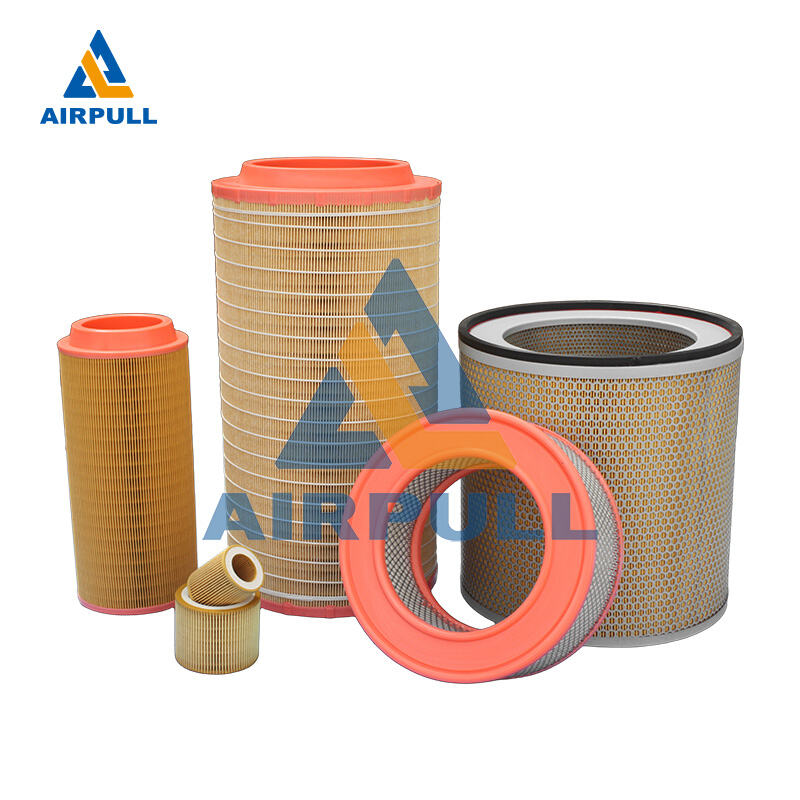
Choosing the right screw air compressor filter is one of the most consequential decisions a maintenance engineer or procurement manager will make for their compressed air system. A high-performing filter does far more than trap dust — it protects downstream equipment, preserves air quality, reduces energy waste, and extends the operational lifespan of the entire compressor unit. Yet with so many options available in the industrial market, identifying which filter truly delivers on its promises requires a methodical, criteria-driven review rather than a quick glance at a specification sheet.
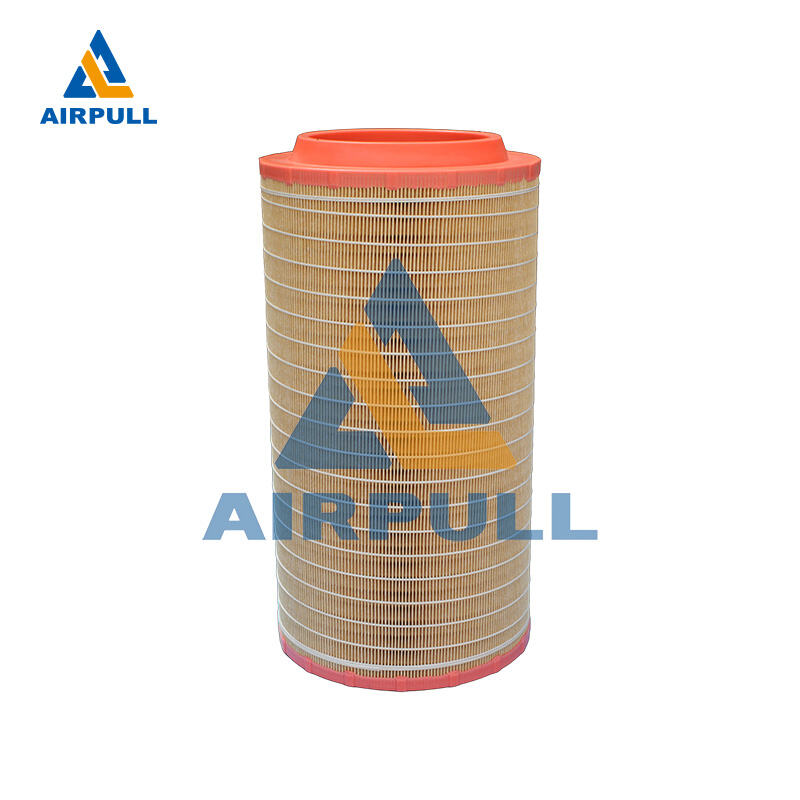
This review examines what separates a best-in-class screw air compressor filter from an average one, walking through the critical performance factors, construction standards, and real-world application considerations that matter most to B2B buyers. Whether you are managing a single rotary screw unit or an entire compressor room, the insights here are designed to help you make a more informed, confident selection and understand exactly what you are paying for when you invest in a quality filtration solution.
Understanding What a Screw Air Compressor Filter Actually Does
The Filtration Role Within a Rotary Screw System
A screw air compressor filter serves as the primary barrier between contaminants and the precision components inside a rotary screw compressor. During normal operation, ambient air drawn into the compressor carries dust particles, aerosols, moisture droplets, and oil mist — all of which are harmful to rotor surfaces, bearings, and separator elements. Without a properly rated filter, these particles accelerate wear, degrade lubrication oil faster, and ultimately compromise both output pressure and air purity.
The filter works in coordination with the compressor's oil separator and aftercooler to produce clean, dry, usable compressed air. Its efficiency directly dictates how much contamination reaches the separator, meaning a sub-standard screw air compressor filter creates a cascading maintenance burden throughout the system. In industries like food processing, pharmaceuticals, and electronics manufacturing, inadequate filtration can also result in product contamination and failed quality audits.
Understanding this foundational role is essential before reviewing filter options, because it clarifies what the performance metrics on a product datasheet actually mean in practical operation. Efficiency ratings, pressure drop figures, and service intervals are not abstract numbers — they translate directly into operational cost, reliability, and regulatory compliance.
Intake Filters Versus In-Line and Oil Separator Filters
A complete screw air compressor filter system typically involves three distinct filtration stages, each serving a different function. The intake or inlet air filter captures large particulate matter before air enters the compression chamber. It is the first line of defense and must handle high air volumes with minimal restriction to avoid starving the compressor of intake air.
In-line filters, positioned after the compressor and aftercooler, target finer aerosols, residual oil mist, and moisture carryover. These filters protect downstream tooling, pneumatic instruments, and process equipment. The oil separator filter element, meanwhile, is specifically designed to recover lubricating oil from the compressed air stream and return it to the sump, preventing oil carryover into the distribution network.
When reviewing a screw air compressor filter, it is important to identify which stage the product is designed for and whether its construction matches the demands of that stage. A filter optimized for intake duty will have fundamentally different media composition and structural requirements than one designed for oil-mist separation at elevated temperatures and pressures downstream.
Key Performance Criteria in a Screw Air Compressor Filter Review
Filtration Efficiency and Particle Capture Rating
Filtration efficiency is arguably the most scrutinized parameter when evaluating a screw air compressor filter. This metric expresses the percentage of particles of a given size that the filter captures under standardized test conditions. High-quality filters targeting compressor intake duty typically achieve efficiency ratings above 99.9% for particles at three microns and above, while fine separation elements operate at even tighter tolerances.
The underlying filter media — whether pleated synthetic fiber, glass fiber composite, or multilayer cellulose — determines how efficiently particles are captured across the full range of operating conditions, including fluctuating humidity, temperature spikes, and oil saturation. A screw air compressor filter that performs well under laboratory steady-state conditions but degrades rapidly when exposed to real-world variables provides limited practical value.
When reviewing filter options, look for products that publish efficiency data under pulsed-flow and moisture-laden conditions, not only under clean-air static testing. This gives a far more honest picture of how the filter will perform across the actual duty cycle of an industrial rotary screw compressor running one or two shifts per day.
Pressure Drop and Energy Efficiency Implications
Every screw air compressor filter introduces a degree of restriction to airflow, measured as pressure drop across the element. While some restriction is inherent and unavoidable, an excessively high pressure drop forces the compressor to work harder to maintain delivery pressure, directly increasing energy consumption. Studies in industrial compressed air management consistently show that elevated filter pressure drop is one of the leading contributors to unnecessary energy waste.
A well-designed screw air compressor filter balances high filtration efficiency with low initial pressure drop and a slow, predictable rise in differential pressure over its service life. The best products achieve this through optimized media pleat geometry, large effective filtration surface area, and structural stability that prevents media collapse under load. When reviewing filter specifications, compare the rated initial pressure drop and the maximum allowable differential pressure at which the manufacturer recommends replacement.
In facilities operating large compressor arrays, even a modest reduction in pressure drop per filter element can translate into measurable annual energy savings. This makes pressure drop performance a financially significant criterion, not merely a technical footnote, when conducting a serious screw air compressor filter review for procurement decisions.
Service Life, Maintenance Intervals, and Total Cost of Ownership
The rated service life of a screw air compressor filter is expressed in operating hours and should always be evaluated alongside the environmental conditions in which the compressor operates. A filter rated for 2,000 hours in a clean workshop environment may reach its differential pressure limit in a fraction of that time in a dusty aggregate processing plant or textile facility. Honest manufacturer specifications account for this variability by providing guidance on service interval adjustment based on ambient dust loading.
Total cost of ownership goes beyond the unit price of the filter element. It incorporates replacement frequency, the labor cost of changeovers, the energy penalty of running a clogged filter beyond its service point, and the potential repair costs triggered by contamination breakthrough when a filter is left in service too long. A screw air compressor filter that costs slightly more per element but lasts 30% longer and maintains lower pressure drop over its service life often delivers superior total value over a full procurement cycle.
Procurement teams conducting a structured screw air compressor filter review should request multi-year cost modeling data from suppliers rather than focusing exclusively on price per unit. This shifts the evaluation from a commodity purchasing mindset to a lifecycle asset management approach, which is increasingly standard practice among industrial maintenance leaders.
Construction Quality Indicators That Define Best-in-Class Filters
Media Quality and Structural Integrity
The filter media is the heart of any screw air compressor filter, and its quality is the primary determinant of long-term performance. Premium filter elements use high-grade synthetic or glass fiber media with consistent pore structure, anti-static treatment where necessary, and moisture-resistant coatings to prevent premature degradation under condensation-prone operating conditions. Lower-quality media tends to exhibit uneven pore distribution, which creates localized high-velocity zones that accelerate wear and reduce capture efficiency over time.
Equally important is the structural integrity of the filter body. The end caps, center tube, and outer wrap must withstand the mechanical stresses of pressurized operation, thermal cycling, and occasional surge events without deforming or allowing bypass leakage. A screw air compressor filter with a structurally compromised housing allows unfiltered air to circumvent the media entirely, rendering the filtration stage functionally useless regardless of the media's rated efficiency.
Best-in-class filters use high-strength polymer or metal end caps bonded with industrial adhesives rated for continuous exposure to compressor oil and elevated temperatures. The pleat spacing is precisely controlled to prevent media collapse under high differential pressure, and the outer support layer provides reinforcement without restricting airflow. These construction details are often visible upon physical inspection and represent meaningful differentiators when comparing filter elements side by side.
Dimensional Compatibility and Cross-Reference Accuracy
A screw air compressor filter must be dimensionally and functionally compatible with the specific compressor model it is installed in. Even minor deviations in outer diameter, end cap geometry, bypass valve configuration, or sealing surface finish can result in improper seating, air bypass, or premature failure. This is particularly critical in aftermarket replacement scenarios, where the filter is procured to replace an OEM element in a compressor from an established manufacturer.
Reliable aftermarket screw air compressor filter suppliers maintain precise cross-reference databases and invest in dimensional validation testing to ensure that their elements meet or exceed the fit and function standards of the original equipment specification. When reviewing aftermarket filter options, request dimensional drawings and confirm that the supplier has conducted physical fit verification on the specific compressor models you operate, not merely relied on nominal measurements.
Dimensional accuracy also matters for oil separator elements, where the bypass valve opening pressure must match the compressor control system's differential pressure monitoring thresholds. A separator element with the wrong bypass cracking pressure can trigger false maintenance alerts, mask genuine filter saturation, or prevent oil recovery at the correct differential, all of which affect system efficiency and oil consumption.
Evaluating Aftermarket Screw Air Compressor Filters for Replacement Use
What High-End Aftermarket Products Offer
The aftermarket screw air compressor filter segment has matured significantly, with specialist manufacturers now offering replacement elements that match OEM performance specifications using advanced media technologies and precision manufacturing. High-end aftermarket filters are particularly attractive for facilities managing aging compressor fleets where OEM support has become expensive, slow, or limited, and where total maintenance budget is under pressure.
A well-reviewed high-end aftermarket screw air compressor filter, such as the option available at screw air compressor filter, is engineered to deliver high-efficiency filtration, durability under continuous industrial duty, and dimensional accuracy for OEM-equivalent replacement. These products compete on a combination of technical performance, cross-reference breadth, and cost-effectiveness that pure OEM supply channels cannot always match.
When evaluating high-end aftermarket options, the most important indicators of quality are consistent media specification, traceable testing data, reliable dimensional cross-referencing, and a supplier with demonstrated industrial market experience. These factors distinguish a serious aftermarket partner from a commodity importer simply reselling generic elements at low price points.
Red Flags to Watch for When Reviewing Filter Suppliers
Not all aftermarket screw air compressor filter products are created equal, and a thorough review process includes recognizing warning signs that a product may underperform in field conditions despite attractive pricing. Vague or unverifiable efficiency claims, lack of dimensional drawings, absence of oil compatibility data, and inability to provide test certificates are all significant red flags that should give any serious buyer pause.
Another warning sign is inconsistency between batches — a problem more common in commodity filter sourcing than in established industrial supply. If filter elements vary in pleat count, media density, or end cap dimensions from one shipment to the next, installation outcomes will be unpredictable, and the entire maintenance planning framework built around filter service intervals becomes unreliable. A reputable screw air compressor filter supplier maintains strict process controls and can demonstrate batch consistency through quality documentation.
Facilities that have experienced premature compressor wear, unexplained oil consumption increases, or air quality failures after switching to a lower-cost filter supplier often trace the problem back to these construction and consistency shortcomings. The review lesson is clear: the lowest upfront cost on a screw air compressor filter can easily become the highest long-term cost when the downstream consequences are properly accounted for.
Application Matching and Installation Best Practices
Matching Filter Selection to Operating Environment
Even the highest-rated screw air compressor filter will underperform if it is mismatched to the application environment. A filter designed for standard workshop conditions installed in a quarry, cement plant, or chemical processing environment will saturate rapidly, deliver poor filtration efficiency, and require replacement at a fraction of its rated service interval. Correct application matching is therefore as important as the filter's intrinsic quality.
For high-dust environments, filters with pre-separator housings or heavy-duty media grades specifically designed for elevated particulate loading should be selected. In high-humidity or marine environments, moisture-resistant media coatings and corrosion-resistant hardware are critical. For compressors operating at elevated ambient temperatures, the filter's media binders and end cap adhesives must be rated for continuous thermal exposure without structural degradation. A comprehensive screw air compressor filter review process always incorporates an honest assessment of the actual operating environment rather than relying solely on the compressor manufacturer's standard recommendation.
Consulting with a filter supplier's technical team about your specific application conditions — including ambient dust concentration, temperature range, humidity levels, and operational duty cycle — typically yields a more accurate filter selection than relying on generic cross-reference tables alone. This technical dialogue is a hallmark of suppliers who genuinely understand industrial compressed air systems rather than simply cataloging part numbers.
Installation Practices That Affect Filter Performance
Correct installation is the final step in getting full performance from a screw air compressor filter. Even a premium filter element installed incorrectly will fail to deliver its rated efficiency. Common installation errors include over-tightening end cap connections that distort sealing surfaces, under-tightening that allows bypass leakage, and failing to clean the filter housing before installing a new element, which contaminates the fresh media immediately.
For oil separator elements, it is essential to verify that the bypass valve is correctly oriented and that the drain line and return orifice are unobstructed before starting the compressor. A blocked oil return path results in oil carryover into the downstream system regardless of the separator element's efficiency rating. Similarly, intake filter housings should be inspected for cracks, distorted gaskets, and debris accumulation at each service interval, since housing integrity is just as important as filter media integrity in maintaining the filtration chain.
Documenting installation dates, operating hours, and differential pressure readings for each screw air compressor filter element provides the data foundation for a predictive maintenance approach. Over time, this data reveals actual service intervals under your specific operating conditions, allowing maintenance schedules to be optimized rather than relying entirely on manufacturer guidelines developed under generic test conditions.
FAQ
How often should a screw air compressor filter be replaced?
The replacement interval for a screw air compressor filter depends on the filter type, compressor duty cycle, and ambient conditions. Intake filters in clean environments typically have intervals of 2,000 to 4,000 operating hours, while oil separator elements are usually replaced annually or at 2,000 to 8,000 hours depending on the compressor model and oil type. In dusty or high-humidity environments, intervals should be shortened significantly. The most reliable guide is monitoring differential pressure and replacing the filter when it reaches the manufacturer's maximum recommended pressure drop, regardless of elapsed hours.
Can a high-quality aftermarket screw air compressor filter replace an OEM element without voiding the warranty?
In many jurisdictions, using high-quality aftermarket filters that meet or exceed OEM specifications does not automatically void a compressor warranty, provided the replacement meets the dimensional and performance requirements specified by the compressor manufacturer. However, warranty terms vary by manufacturer and region, so it is advisable to review your specific warranty documentation and consult with your compressor service provider before switching to an aftermarket screw air compressor filter. Choosing a reputable aftermarket supplier who can provide technical documentation and performance certification helps support the case that the replacement meets the original specification.
What are the signs that a screw air compressor filter needs immediate replacement?
The most direct indicator is a rising differential pressure reading across the filter element, typically monitored by a gauge or electronic sensor on the compressor control panel. Other signs include a noticeable drop in outlet pressure, increased compressor cycling frequency, elevated operating temperatures, or visible oil mist in the downstream air supply. For intake filters, physical inspection revealing heavy dust loading, media discoloration, or structural damage to the element indicates that the screw air compressor filter should be replaced immediately, even if the scheduled service interval has not been reached.
Does a screw air compressor filter affect air quality certification compliance?
Yes, the performance of a screw air compressor filter is directly relevant to air quality certification compliance in regulated industries such as food and beverage, pharmaceutical manufacturing, and medical device production. Standards such as ISO 8573 classify compressed air purity into grades based on particulate, water, and oil content, and the filtration system must be capable of consistently delivering air that meets the required purity class. Using under-rated or degraded filter elements can result in air quality that falls outside the certified purity class, potentially triggering non-conformance findings during audits and requiring corrective action documentation.
Table of Contents
- Understanding What a Screw Air Compressor Filter Actually Does
- Key Performance Criteria in a Screw Air Compressor Filter Review
- Construction Quality Indicators That Define Best-in-Class Filters
- Evaluating Aftermarket Screw Air Compressor Filters for Replacement Use
- Application Matching and Installation Best Practices
-
FAQ
- How often should a screw air compressor filter be replaced?
- Can a high-quality aftermarket screw air compressor filter replace an OEM element without voiding the warranty?
- What are the signs that a screw air compressor filter needs immediate replacement?
- Does a screw air compressor filter affect air quality certification compliance?