EN
EN



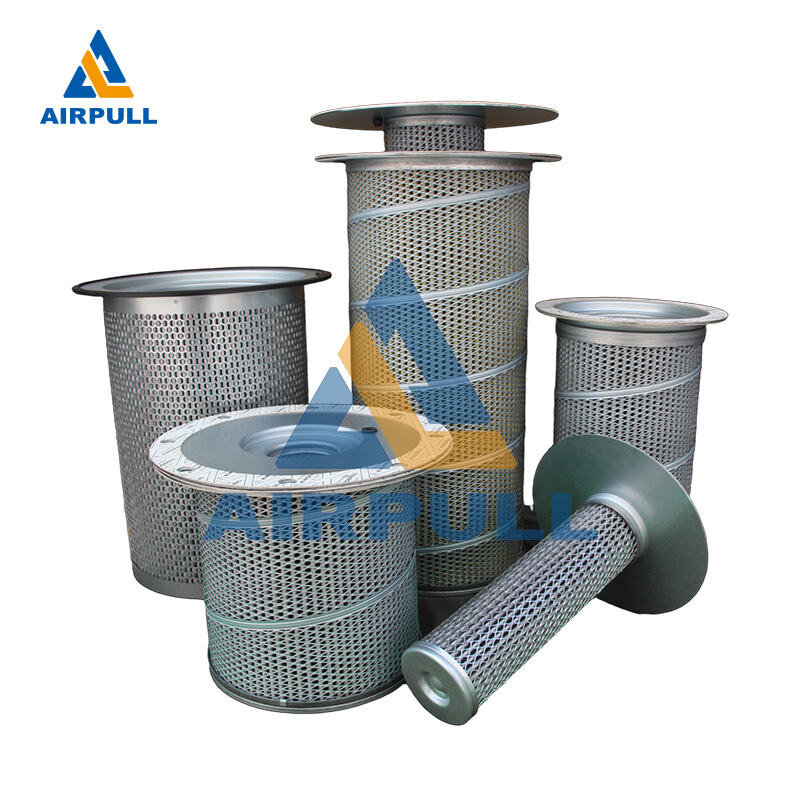
Choosing the best oil separator for air compressor systems is one of the most consequential maintenance decisions a facility manager or equipment engineer can make. This component sits at the core of compressed air quality, working continuously to strip oil aerosols from the airstream before the air reaches downstream tools, pneumatic controls, or production processes. A substandard separator leads to oil carryover, fouled equipment, and costly unplanned downtime — outcomes no serious operation can afford.
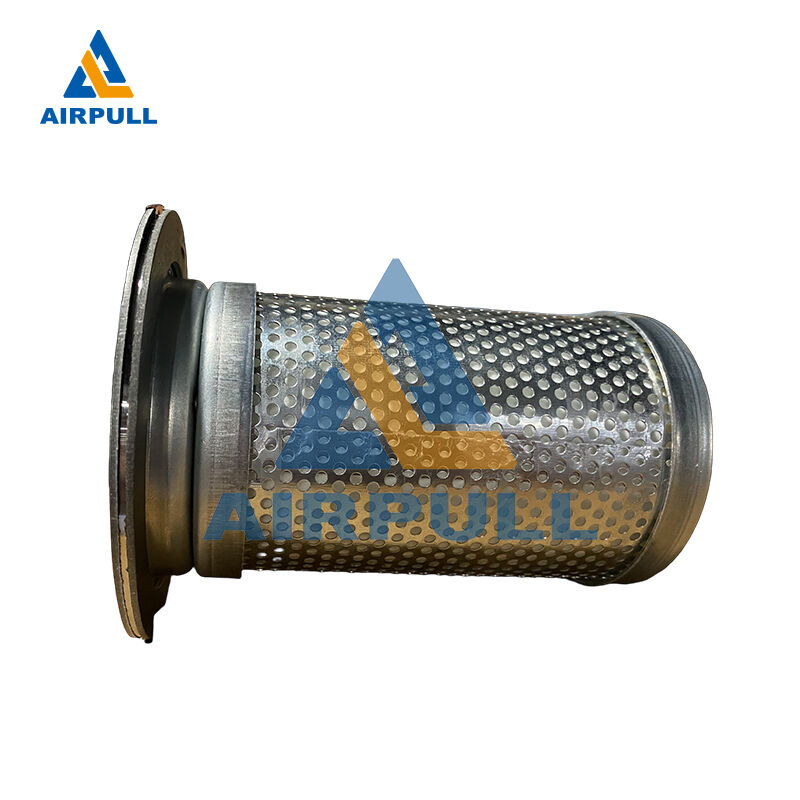
This review breaks down what actually makes an oil separator for air compressor applications perform at a high level, what specifications to scrutinize before committing to a purchase, and what operational signals indicate that your current separator may no longer be doing its job. Whether you are managing a rotary screw compressor in an industrial plant or maintaining a fleet of mobile compressed air units, this guide is designed to give you the evaluative framework needed to make a confident, well-informed decision.
What an Oil Separator for Air Compressor Systems Actually Does
The Core Filtration Mechanism
An oil separator for air compressor systems operates using a multi-stage filtration principle. As compressed air exits the compression element, it carries fine oil droplets and aerosols suspended throughout the airstream. These particles are far too small to be removed by simple mechanical barriers alone. The separator element uses a combination of inertial impaction, interception, and diffusion to progressively capture oil particles as the air passes through dense fiber layers.
In practice, larger droplets are removed in the first stage by impaction against filter fibers, while submicron aerosols are captured deeper within the media matrix. The collected oil then drains back to the compressor sump via a return line, allowing the system to recirculate lubricant without significant loss. This closed-loop behavior is what makes a high-quality oil separator for air compressor units both energy-efficient and cost-effective over the long term.
The pressure differential across the separator element is a key performance indicator. A new, clean element typically exhibits a low differential pressure, meaning the airstream passes through with minimal resistance. As the element loads with contaminants over its service life, this differential increases, signaling that replacement is approaching. Operators who monitor this metric proactively can avoid both premature replacements and the energy penalties associated with running a heavily loaded separator.
Why Oil Carryover Is a Serious Problem
When an oil separator for air compressor systems fails to perform adequately, oil migrates downstream into the compressed air network. This carryover has wide-ranging consequences depending on the application. In food-grade or pharmaceutical environments, even trace oil contamination can trigger regulatory non-compliance and product recalls. In general industrial settings, oil-laden air accelerates the degradation of pneumatic seals, valves, and actuators.
Beyond equipment damage, oil carryover represents a direct lubricant loss from the compressor itself. Over time, this depletes the oil charge faster than scheduled intervals would suggest, increasing the frequency and cost of oil top-ups. A properly functioning oil separator for air compressor equipment is therefore not just a filtration component — it is an economic safeguard that protects both the compressor and the systems it serves.
Key Performance Criteria to Evaluate in an Oil Separator for Air Compressor Use
Filtration Efficiency and Oil Residual Content
The most critical specification for any oil separator for air compressor applications is its oil residual content rating — typically expressed in parts per million (ppm) or milligrams per cubic meter (mg/m³). Top-tier separator elements deliver residual oil content at or below 1–3 ppm under rated conditions, which is sufficient for most industrial applications and meets the requirements of ISO 8573-1 Class 1 compressed air quality standards.
When reviewing separator specifications, it is important to note the test conditions under which these ratings were achieved. Flow rate, inlet oil concentration, temperature, and operating pressure all influence actual separator performance. An oil separator for air compressor systems that performs exceptionally at low flow may exhibit significantly higher carryover at peak demand conditions. Always cross-reference the rated performance against your system's actual operating envelope.
The fiber composition and density of the filter media directly determine filtration efficiency. High-quality glass fiber media with consistent fiber diameter and controlled porosity delivers superior submicron capture rates compared to lower-grade synthetic alternatives. When evaluating a new oil separator for air compressor replacement, requesting media composition data or independent test certifications is a legitimate and useful quality-assurance step.
Service Life and Replacement Intervals
Service life is one of the most practically important criteria when reviewing an oil separator for air compressor systems. Most manufacturers specify replacement intervals based on operating hours — commonly between 2,000 and 4,000 hours depending on the compressor type, oil type, and operating environment. However, these figures assume clean inlet conditions and proper compressor maintenance. In reality, elevated operating temperatures, degraded compressor oil, or increased humidity can shorten separator life considerably.
A reliable oil separator for air compressor operation should be paired with a differential pressure gauge or electronic monitor that provides real-time feedback on element condition. Relying solely on time-based replacement schedules without pressure differential validation can result in either premature element disposal — wasting usable service life — or extended use past the point of adequate performance, risking oil carryover and downstream damage.
It is also worth evaluating how easily the separator element integrates into your compressor's existing housing. Universal-fit or OEM-compatible separator elements simplify replacement procedures, reduce the risk of incorrect installation, and minimize unplanned downtime during service intervals. Compatibility with the specific compressor model should always be confirmed before procurement.
Pressure Drop and Energy Efficiency
Every oil separator for air compressor systems introduces a measurable resistance to airflow, commonly referred to as pressure drop or differential pressure. This resistance requires the compressor to work harder to maintain system pressure, directly impacting energy consumption. A high-quality separator element is engineered to minimize initial pressure drop while maintaining high filtration efficiency throughout its service life.
In energy-intensive industrial environments, even a modest reduction in separator pressure drop can translate into meaningful reductions in electricity consumption over an annual operating cycle. When reviewing separator options, comparing the initial differential pressure at rated flow — typically measured in millibar or PSI — gives a concrete basis for energy cost comparison. An oil separator for air compressor systems that combines low pressure drop with high efficiency is the most cost-effective long-term choice.
Compatibility and Installation Considerations
OEM Fit Versus Universal Replacement Elements
One of the more nuanced aspects of selecting an oil separator for air compressor applications is navigating the choice between OEM-specified elements and high-quality aftermarket alternatives. OEM elements are engineered specifically for a given compressor model, with verified dimensional tolerances, validated flow characteristics, and guaranteed compatibility. They represent a low-risk choice but often come at a premium price point.
High-quality aftermarket oil separator for air compressor elements, produced to equivalent or superior specifications, can offer significant cost advantages without compromising performance — provided they are sourced from reputable manufacturers who provide traceable quality data. The key differentiators to verify are dimensional compatibility with the separator housing, media efficiency ratings, and whether the element passes industry-standard performance tests equivalent to OEM benchmarks.
Regardless of whether you choose OEM or aftermarket, proper installation technique is critical. An incorrectly seated oil separator for air compressor equipment can develop bypass leaks that allow unfiltered air to circumvent the element entirely, rendering even the highest-quality media useless. Follow torque specifications, inspect sealing surfaces before installation, and confirm the oil return line is clear and correctly reconnected after each element change.
Environmental and Application-Specific Factors
The operating environment significantly influences what constitutes the best oil separator for air compressor performance in a specific application. High-temperature environments — such as those found in foundries, cement plants, or outdoor tropical installations — place greater thermal stress on separator media and accelerate oil degradation, which increases the particle load entering the separator. In these conditions, a separator element with enhanced thermal resistance and higher dust-holding capacity is the appropriate choice.
Similarly, applications that involve frequent compressor cycling, variable load operation, or extended shutdown periods introduce condensation and oil oxidation byproducts that can prematurely blind separator media. Selecting an oil separator for air compressor systems in these environments requires attention to drainage design within the separator housing and the selection of media that resists moisture-induced deterioration.
Maintenance Best Practices to Maximize Separator Performance
Scheduled Monitoring and Inspection Routines
Maintaining an oil separator for air compressor systems at peak performance requires a structured monitoring routine, not simply reactive replacement when problems become visible. The most important data point to track is the differential pressure across the separator element. This should be logged at consistent intervals and compared against the manufacturer's published end-of-life threshold — typically in the range of 0.8 to 1.2 bar differential pressure depending on the compressor model.
Additionally, routine oil analysis can provide early warning signals of separator degradation. If oil carryover is increasing, oil consumption between scheduled top-ups will rise noticeably. Downstream coalescing filters will also saturate more quickly when separator performance is declining. Monitoring the service life and condensate output of downstream filtration stages gives an indirect but useful indicator of oil separator for air compressor element condition.
Visual inspection during scheduled maintenance should include examination of the separator housing for corrosion, seal integrity, and confirmation that the oil return scavenge line is free of blockages. A blocked scavenge line prevents collected oil from draining back to the sump, causing oil to accumulate inside the separator housing and significantly accelerating carryover — a common root cause of apparent separator failure that is actually a maintenance issue rather than a product defect.
Extending Element Service Life Through System-Level Maintenance
The longevity of an oil separator for air compressor systems is not determined solely by the quality of the element itself. The overall condition of the compressor, particularly the quality and condition of the lubricating oil, has a direct impact on how quickly the separator element loads. Degraded compressor oil generates higher concentrations of fine oil aerosols and varnish precursors that accelerate media loading and reduce effective service life.
Adhering to compressor oil change intervals using the correct oil specification for the operating temperature and application is one of the simplest ways to extend the effective life of the oil separator for air compressor element. Clean, properly formulated oil generates fewer fine aerosols and produces less varnish contamination, reducing the burden placed on the separator media over each operating cycle.
Inlet air filtration also plays an important supporting role. When dust and particulate matter bypass or overwhelm the inlet air filter, these particles enter the compression element and ultimately contaminate the lubricating oil. This accelerated oil degradation feeds back into increased separator loading. Maintaining all upstream filtration components in good condition is therefore a system-level strategy that directly benefits oil separator for air compressor performance and longevity.
FAQ
How often should I replace the oil separator for air compressor systems?
Most manufacturers recommend replacing the oil separator for air compressor element every 2,000 to 4,000 operating hours, but this is a guideline rather than an absolute rule. The more reliable trigger for replacement is differential pressure across the element reaching the manufacturer's end-of-life threshold. Operating conditions such as elevated temperature, poor oil condition, or dusty environments can shorten service life, so monitoring differential pressure is always more reliable than calendar-based scheduling alone.
Can a low-quality oil separator for air compressor cause compressor damage?
Yes. A poorly performing oil separator for air compressor systems allows excessive oil carryover into the compressed air network, which contaminates downstream equipment and processes. It also causes the compressor to lose lubricant faster than expected, potentially leading to insufficient lubrication within the compression element if oil levels are not checked and corrected. Over time, this accelerates bearing wear and can cause premature compressor failure. Investing in a high-quality separator element is significantly less expensive than the cost of compressor repair or replacement.
What is the difference between an oil separator and an oil filter in an air compressor?
An oil filter in an air compressor cleans the lubricating oil circulating within the compressor itself, removing solid particles and contaminants before the oil re-enters the lubrication circuit. An oil separator for air compressor systems, by contrast, operates on the compressed air stream — removing oil aerosols and droplets that have been entrained in the air after compression. Both components are essential, but they serve entirely different functions within the compressor system and are not interchangeable.
How do I know if my oil separator for air compressor is failing?
The most reliable indicator of a failing oil separator for air compressor element is a rising differential pressure reading that has reached or exceeded the manufacturer's specified limit. Secondary signs include increased oil consumption between service intervals, oil staining or misting visible at downstream connections or exhaust points, and accelerated saturation of downstream coalescing filters. If multiple indicators appear simultaneously, element replacement should be performed promptly to prevent downstream damage and maintain compressed air quality.
Table of Contents
- What an Oil Separator for Air Compressor Systems Actually Does
- Key Performance Criteria to Evaluate in an Oil Separator for Air Compressor Use
- Compatibility and Installation Considerations
- Maintenance Best Practices to Maximize Separator Performance
-
FAQ
- How often should I replace the oil separator for air compressor systems?
- Can a low-quality oil separator for air compressor cause compressor damage?
- What is the difference between an oil separator and an oil filter in an air compressor?
- How do I know if my oil separator for air compressor is failing?