EN
EN


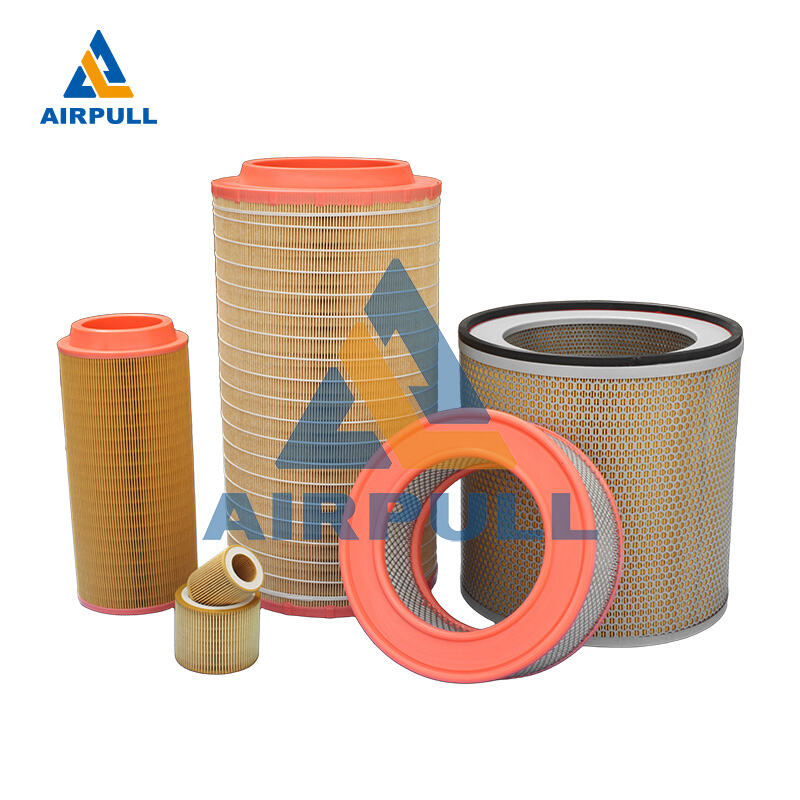
When evaluating filtration solutions for industrial and commercial settings, the air purifier self cleaning filter stands out as one of the most operationally efficient technologies available today. Unlike conventional filter media that requires scheduled manual replacement, a self cleaning design actively regenerates its filtration surface, maintaining consistent airflow and dust-capture performance without the interruptions that plague traditional maintenance cycles. For procurement managers, facility engineers, and operations teams, this distinction is not merely a feature upgrade — it represents a fundamental shift in how air quality infrastructure is managed and costed over time.
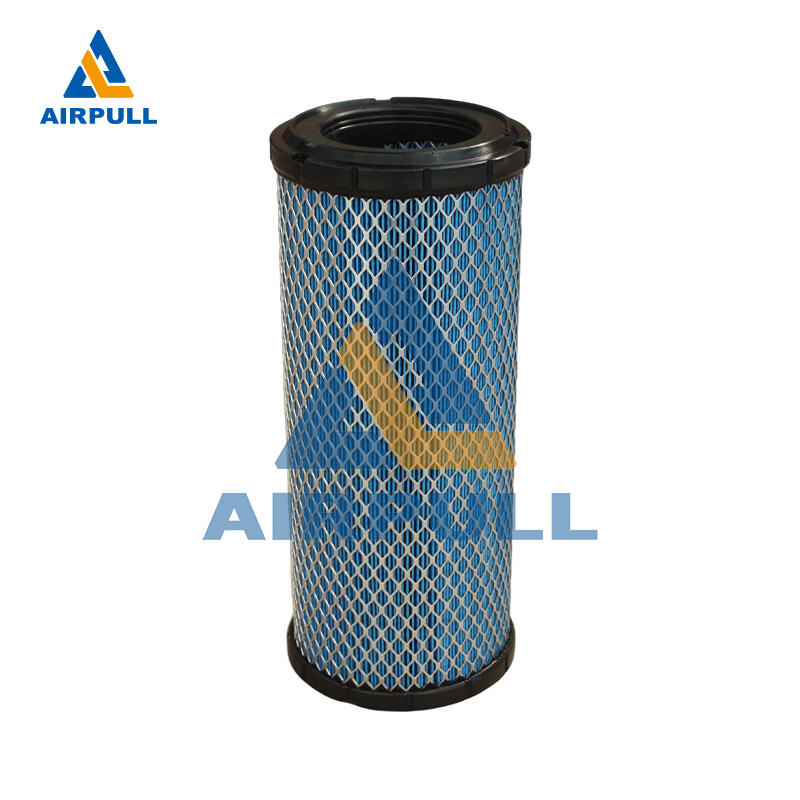
This review takes a close, structured look at what genuinely makes an air purifier self cleaning filter worth investing in. We examine the core performance criteria that separate high-quality units from underperforming ones, the industrial conditions where self cleaning technology delivers its greatest return, and the practical decision factors that should guide any serious B2B evaluation. Whether you are retrofitting existing dust collection systems or specifying filtration for a new facility, understanding these benchmarks will ensure you make a well-informed choice.
How the Self Cleaning Mechanism Actually Works
The Core Pulse-Jet Cleaning Cycle
At the heart of every capable air purifier self cleaning filter is a controlled pulse-jet cleaning mechanism. Compressed air is released in brief, high-pressure bursts directed against the inside surface of each filter element. This reversal of airflow dislodges accumulated dust cake from the outer filtration media, allowing it to fall into a hopper or collection bin below. The entire sequence typically lasts only fractions of a second per cartridge, meaning the filter remains operational throughout the cleaning cycle without shutting down the broader ventilation system.
The timing and intensity of pulse events are usually governed by a differential pressure controller. When pressure drop across the filter media reaches a preset threshold — indicating dust loading has reduced airflow efficiency — the controller triggers the cleaning sequence automatically. This demand-based approach means the system cleans only when needed, conserving compressed air energy and extending the service life of both the media and the mechanical components.
Understanding this mechanism helps evaluators assess whether a given air purifier self cleaning filter is genuinely autonomous or merely semi-automatic. True autonomy requires both reliable sensor-based triggering and robust solenoid valve performance across thousands of cleaning cycles without degradation.
Filter Media Construction and Its Role in Cleanability
Not all filter media responds equally well to pulse-jet cleaning. High-quality air purifier self cleaning filter designs use pleated polyester or PTFE-laminated media specifically engineered for repeated mechanical flexing. The pleat geometry, fiber density, and surface treatment all influence how cleanly dust releases during each pulse cycle. Media with poor release characteristics will accumulate a residual dust layer over time, gradually narrowing the effective pore structure and increasing baseline pressure drop despite regular cleaning.
Nano-fiber surface coatings represent a significant advancement in this area. By positioning an ultra-fine filtration layer on the very surface of the media — rather than relying on depth filtration through the full thickness — these coatings ensure that nearly all particulate capture occurs at the outermost layer where it is most accessible to pulse energy. The result is dramatically improved dust release efficiency and more stable long-term pressure drop performance compared to conventional depth-loading media.
When reviewing any air purifier self cleaning filter for industrial application, the media specification sheet should disclose the fiber structure, surface treatment type, and cleanability ratings under relevant test dust standards such as ISO 11057 or ASHRAE 52.2. These technical disclosures indicate whether the manufacturer has engineered the media for real-world cleaning performance or simply adapted standard filter material to a self cleaning housing.
Key Performance Criteria Worth Reviewing
Filtration Efficiency Under Sustained Load
Initial filtration efficiency figures quoted in datasheets are rarely the most meaningful metric for industrial buyers. What matters operationally is how the air purifier self cleaning filter performs after extended hours of operation, repeated cleaning cycles, and exposure to variable dust concentrations. Efficiency values should be evaluated at multiple loading stages, not just the clean and fully-loaded states, to capture the full performance curve under working conditions.
High-performing designs maintain filtration efficiency above 99.5% for particles at the most penetrating particle size (MPPS) even after several hundred cleaning cycles. This consistency is only achievable when the media retains its structural integrity and pore geometry throughout the service period. Filters that show a progressive decline in capture efficiency after repeated pulse cleaning are exhibiting media fatigue — a sign of inadequate pleat construction or inappropriate media selection for the dust type encountered.
Buyers reviewing an air purifier self cleaning filter should request third-party test data or in-house performance curves rather than relying solely on nominal efficiency classifications. The distinction between a Grade H12 and Grade H13 HEPA rating, for instance, carries significant implications for fine particulate control in pharmaceutical, food processing, or precision manufacturing environments.
Pressure Drop Stability and Energy Implications
Pressure drop across the filter media is directly tied to the energy consumed by the fan or blower driving air through the system. An air purifier self cleaning filter that maintains a consistently low and stable pressure drop after cleaning cycles will deliver lower operating costs compared to one that allows gradual pressure creep between service events. Over a year of continuous operation, even modest differences in average pressure drop translate into measurable kilowatt-hour differences in fan energy consumption.
Stable pressure drop also indicates that the cleaning mechanism is functioning as designed — that pulse energy, media release characteristics, and differential pressure control are all properly calibrated. Systems showing an upward trend in baseline pressure drop over the first few months of operation may have undersized pulse valves, incorrect solenoid timing, or media that is poorly matched to the application's dust particle size distribution.
In a thorough review of any air purifier self cleaning filter, the pressure drop profile across a representative operational period — ideally six to twelve months — is one of the most reliable indicators of real-world system value. Specifications that only report clean and fully-loaded pressure drop without presenting cleaned operating values provide an incomplete picture.
Industrial Applications Where Self Cleaning Filters Prove Most Valuable
High-Dust-Load Environments
Industries such as cement production, grain processing, metalworking, and woodworking generate continuous and heavy dust loading that would exhaust a conventional filter cartridge in a matter of days or weeks. In these environments, the air purifier self cleaning filter earns its cost premium through dramatically extended service intervals. Because the cleaning cycle continuously regenerates the filtration surface, the effective operational life of the filter element can extend to twelve months or beyond, even under aggressive particulate loading conditions.
The economic argument becomes especially compelling when total cost of ownership is calculated. Labor costs for manual filter changeouts, downtime associated with production interruption, and the procurement logistics of replacement cartridges all accumulate significantly in high-dust environments. A well-specified air purifier self cleaning filter installation typically reduces these combined operational costs far more substantially than the premium over conventional filter equipment might initially suggest.
Beyond economics, safety is a parallel benefit. In environments handling combustible dusts — such as flour, wood dust, or aluminum powder — minimizing filter handling frequency reduces worker exposure to accumulated hazardous material and lowers the frequency of procedural touchpoints where human error could create ignition risks.
Continuous-Process Operations
Any manufacturing or processing facility operating on continuous shifts — particularly those running 24 hours per day, seven days per week — faces a structural disadvantage with conventional filters because any filter maintenance event requires either a production shutdown or a bypass procedure. The self cleaning design eliminates this constraint. Because an air purifier self cleaning filter regenerates while online, the ventilation system continues operating at full capacity without scheduled interruption for filter servicing.
This capability is particularly valuable in industries where air quality standards are tied to regulatory compliance requirements. A pharmaceutical cleanroom, an electronics assembly line, or a food production facility cannot tolerate unplanned spikes in airborne particulate concentration. The continuous cleaning action of a properly designed air purifier self cleaning filter ensures that filtration performance remains within specification throughout the production cycle, not just at the start of each shift after manual filter inspection.
System integrators and facility engineers specifying filtration for continuous-process environments should prioritize self cleaning filter configurations that include remote monitoring outputs, allowing differential pressure and cleaning cycle frequency data to be logged and reviewed through building automation systems. This integration capability transforms the filter from a passive maintenance item into an active component of facility intelligence.
Evaluation Checklist for a High-Performance Self Cleaning Filter
Structural and Mechanical Durability
Durability of the housing, pulse valve assembly, and diaphragm components is a critical review dimension that often receives insufficient attention in short-term evaluations. The pulse-jet mechanism in an air purifier self cleaning filter activates thousands of times over its operational life. Solenoid valves rated for only 500,000 actuations may appear adequate on paper but will reach end-of-life within eighteen months in high-dust operations where cleaning cycles occur every few minutes.
Housing construction material should be evaluated against the specific chemical environment. Mild steel with powder coating is adequate for dry, non-corrosive dust streams. Stainless steel housings are warranted in food processing, chemical handling, or high-humidity environments. Polymer-composite housings offer weight advantages in mobile or portable installations but must be assessed for chemical compatibility with any solvents or reagents present in the exhaust stream.
A useful benchmark when reviewing an air purifier self cleaning filter is to request the manufacturer's stated pulse valve service life in actuations and cross-reference it against the expected cleaning frequency at your facility's typical dust load. This calculation reveals whether component replacement intervals align practically with your maintenance scheduling or will create unexpected servicing demands.
Control System Sophistication and Integration Readiness
The intelligence embedded in the control system significantly differentiates high-tier air purifier self cleaning filter solutions from basic models. Entry-level systems operate on fixed-interval timers — cleaning on schedule regardless of actual dust loading. This approach wastes compressed air during low-load periods and may under-clean during surge conditions. Demand-based differential pressure controllers represent a meaningful operational upgrade, triggering cleaning cycles precisely when needed and adapting automatically to variable process conditions.
Advanced systems incorporate programmable logic controllers with Modbus or BACnet communication protocols, enabling remote monitoring, fault alarming, and integration with broader SCADA or building management platforms. For large industrial facilities managing multiple filtration units, this connectivity transforms maintenance from a reactive, labor-intensive activity into a proactive, data-driven function. Reviewers evaluating an air purifier self cleaning filter for large-scale deployment should confirm protocol compatibility with existing plant communication infrastructure before finalizing specifications.
Some systems also incorporate compressed air consumption monitoring, providing visibility into the energy cost of the cleaning function itself. This level of instrumentation supports sustainability reporting requirements and allows engineering teams to optimize cleaning parameters for minimum compressed air use while maintaining target pressure drop performance. These control features are becoming increasingly standard in premium-tier products and represent a strong differentiator in any rigorous review process.
Selecting the Right Configuration for Your Application
Matching Filter Area to Airflow and Dust Loading
One of the most technically consequential decisions in specifying an air purifier self cleaning filter system is the air-to-cloth ratio — the relationship between volumetric airflow and total filter media area. Under-sizing the filter area leads to excessive face velocity across the media, which accelerates dust cake compression, increases cleaning cycle frequency, and shortens media service life. Conversely, over-sizing adds unnecessary capital cost without proportional performance benefit.
Industry guidelines typically recommend air-to-cloth ratios between 2:1 and 6:1 cubic feet per minute per square foot of filter area, with the appropriate value depending on the specific dust type, particle size distribution, and required outlet emission standard. Finer dusts with high static charge — such as carbon black or titanium dioxide — require lower face velocities to prevent media blinding and maintain acceptable cleaning efficiency. Coarser granular dusts tolerate higher face velocities without the same risk.
Suppliers offering competent technical support should be able to perform an air-to-cloth ratio calculation based on your documented process parameters. Proposals that specify an air purifier self cleaning filter without referencing this calculation or without requesting process airflow and dust loading data should be viewed with caution — it may indicate a catalogue-selection approach rather than genuine application engineering.
Maintenance Accessibility and Total Cost of Ownership
Even a self cleaning filter requires periodic manual intervention — typically for media inspection, pulse valve diaphragm replacement, and hopper cleanout. The physical design of the unit should facilitate these tasks with minimal tool use and without requiring confined space entry or elevated work platforms. Filter cartridge extraction direction, access panel placement, and hopper discharge valve positioning are all design details that influence real-world maintenance burden over the equipment's service life.
Total cost of ownership modeling for an air purifier self cleaning filter should encompass capital cost, installation cost, compressed air consumption, replacement parts pricing, expected media change interval, and estimated labor for all scheduled maintenance activities. This comprehensive view frequently reveals that a higher initial investment in a well-engineered system delivers a lower annualized cost than a less expensive unit with more frequent media replacement requirements and higher compressed air consumption.
For facilities with sustainability or carbon-reduction commitments, the energy efficiency dimension of total cost of ownership carries additional strategic value. Lower pressure drop and optimized cleaning cycles in a premium air purifier self cleaning filter directly reduce facility electricity consumption, contributing to corporate environmental targets and potentially qualifying for utility incentive programs in some jurisdictions.
FAQ
How often does an air purifier self cleaning filter actually need manual maintenance?
In most industrial applications, an air purifier self cleaning filter requires minimal manual intervention when operating within its designed parameters. Routine tasks such as compressed air system inspection, solenoid valve check, and hopper cleanout are typically scheduled quarterly or semi-annually depending on dust loading. Filter media itself may only require physical replacement once every twelve to twenty-four months in moderate-duty applications, which is a dramatic reduction compared to conventional cartridge filter systems that may require monthly or bimonthly changeouts.
Can a self cleaning filter handle both dry and sticky dust types effectively?
An air purifier self cleaning filter performs best with dry, free-flowing dusts where the pulse-jet cleaning mechanism can reliably dislodge accumulated material. Sticky, hygroscopic, or oily dusts present more challenging cleaning conditions because they tend to adhere strongly to the media surface and resist pulse energy. For these dust streams, media with PTFE surface laminates and specifically designed anti-adhesive coatings are recommended. In highly adhesive applications, the cleaning cycle frequency and compressed air pressure parameters may also need adjustment, and some cases may require supplementary offline cleaning or more frequent manual inspection intervals.
What compressed air quality and pressure requirements are typical for self cleaning filter systems?
Most industrial air purifier self cleaning filter systems require compressed air at pressures between 5 and 7 bar (72–100 psi) at the inlet to the pulse valve manifold. Critically, the compressed air must be dry and oil-free, as moisture or oil contamination will damage diaphragm membranes in pulse valves and can cause localized media degradation where wet pulses contact the filter cartridge surface. Facilities without dedicated clean dry air systems should install appropriate drying and filtration equipment upstream of the pulse cleaning manifold to protect long-term system reliability.
Is an air purifier self cleaning filter suitable for ATEX or explosive dust environments?
Yes, air purifier self cleaning filter technology can be designed and certified for use in ATEX-classified zones where combustible or explosive dusts are present, but the standard commercial specification is not automatically ATEX-compliant. Specific design features required for explosive dust applications include grounded and anti-static filter media, spark-resistant housing construction, explosion vent or suppression panels, and rotary valve or airtight discharge systems to prevent flame propagation through the hopper outlet. Buyers specifying filtration for combustible dust environments must verify that the specific unit configuration carries the relevant ATEX equipment category certification and that installation fully complies with applicable local safety standards and codes of practice.
Table of Contents
- How the Self Cleaning Mechanism Actually Works
- Key Performance Criteria Worth Reviewing
- Industrial Applications Where Self Cleaning Filters Prove Most Valuable
- Evaluation Checklist for a High-Performance Self Cleaning Filter
- Selecting the Right Configuration for Your Application
-
FAQ
- How often does an air purifier self cleaning filter actually need manual maintenance?
- Can a self cleaning filter handle both dry and sticky dust types effectively?
- What compressed air quality and pressure requirements are typical for self cleaning filter systems?
- Is an air purifier self cleaning filter suitable for ATEX or explosive dust environments?