EN
EN


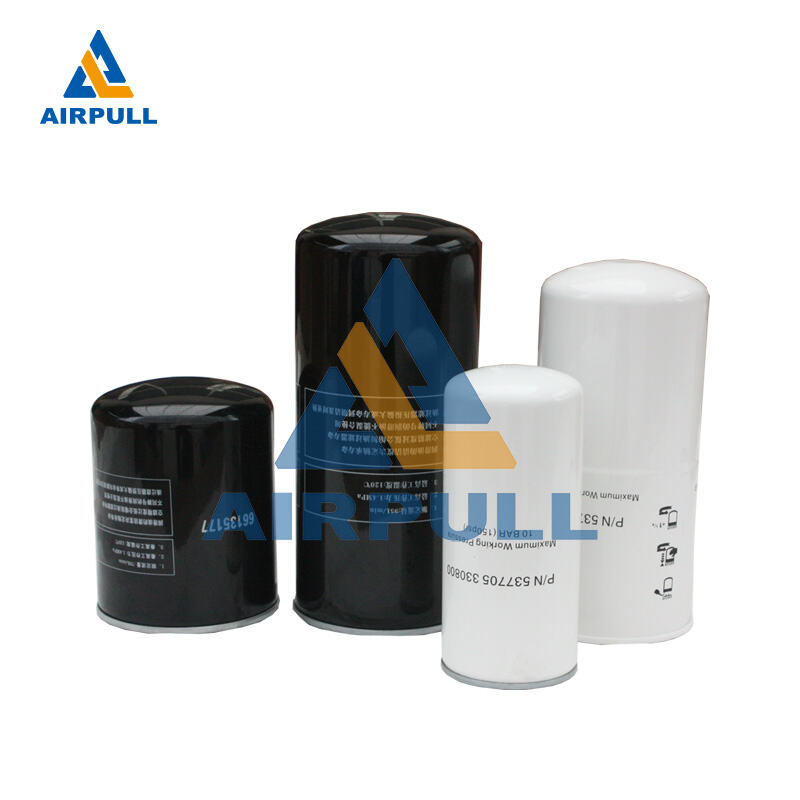
Choosing between an industrial and a standard air filter is one of those decisions that looks simple on the surface but carries significant long-term consequences for equipment health, operational efficiency, and total cost of ownership. When you are managing high-demand machinery, harsh environments, or continuous production cycles, the distinction becomes far more than a matter of preference. Understanding what separates the best industrial air filter from a conventional off-the-shelf unit is essential for any operations or procurement professional who wants to protect critical assets and avoid unplanned downtime.
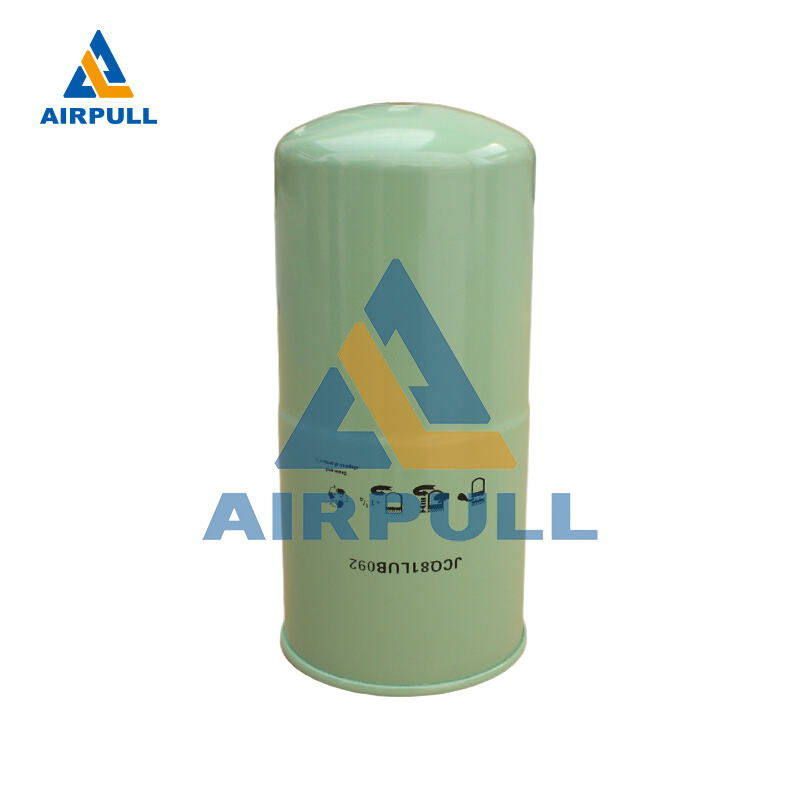
Standard air filters are designed with everyday residential or light commercial use in mind — moderate dust loads, relatively clean ambient environments, and infrequent replacement cycles. Industrial environments demand something categorically different. The best industrial air filter is engineered to handle extreme particulate concentrations, chemical exposure, temperature fluctuations, and continuous operating cycles without sacrificing filtration efficiency. This article breaks down the key differences so you can make an informed, technically sound selection for your specific application.
Understanding the Core Differences in Design and Construction
Material Engineering and Filter Media
One of the most fundamental differences between the best industrial air filter and a standard unit lies in the filter media itself. Standard filters typically use fiberglass or basic synthetic materials designed to capture larger dust particles within light-traffic air streams. These materials are cost-effective but not built to sustain prolonged exposure to high-volume particulate matter.
Industrial-grade filters utilize multi-layer media constructions, often incorporating cellulose-polyester blends, nanofiber coatings, or depth-loading synthetic fibers. These materials are designed specifically to achieve higher filtration efficiency — often rated at MERV 13 or above — while maintaining low pressure drop over extended service intervals. The structural integrity of the media matters as much as its porosity, because industrial applications often involve surging airflow and mechanical vibration that would compromise lesser materials over time.
The housing and frame construction also differs significantly. The best industrial air filter options feature reinforced metal or heavy-duty polymer frames that resist deformation under elevated differential pressure. Standard residential filters, by contrast, use lightweight cardboard or thin plastic frames that are simply not rated for demanding mechanical environments.
Filtration Efficiency Ratings and Particulate Classes
When comparing filter efficiency, the rating system tells most of the story. Standard filters are typically rated using consumer-oriented MERV scales at the lower end — capturing coarse dust, lint, and pollen — which is adequate for HVAC systems in offices or homes. However, industrial processes generate a far more complex mixture of airborne contaminants, including fine metallic particles, abrasive dusts, oil mists, and chemical vapors.
The best industrial air filter solutions are tested against more rigorous classification standards such as ISO 16890 or EN 779, which evaluate performance across a broader spectrum of particle sizes and at varying air velocities. High-efficiency industrial filters can achieve particulate separation efficiencies exceeding 99.9% for submicron particles, which is a threshold that standard filters simply cannot approach. This level of performance is non-negotiable in industries like pharmaceutical manufacturing, electronics production, food processing, and heavy machinery operation.
Application-Specific Performance in Industrial Environments
Handling Heavy Dust Loads and Continuous Operation
Industrial plants, mining operations, cement facilities, and metalworking shops all share one common challenge: the ambient air is continuously loaded with high concentrations of particulate matter. A standard filter placed in such an environment would clog within hours, create damaging pressure restrictions across the air intake system, and ultimately lead to equipment failure or fire risk. The best industrial air filter is designed with high dust-holding capacity as a core design parameter.
Self-cleaning industrial air filters are a prime example of purpose-built engineering. These systems use pulse-jet or reverse-flow cleaning mechanisms to periodically purge accumulated dust from the filter surface, extending service life dramatically while maintaining consistent airflow resistance. This self-regenerating capability is entirely absent from standard filter designs, which rely solely on manual replacement to restore performance. For facilities running 24-hour production schedules, that difference translates directly into maintenance labor costs and process continuity.
Dust-holding capacity is typically measured in grams of synthetic test dust a filter can retain while maintaining an acceptable pressure drop. Premium industrial filters may hold several kilograms of particulate before requiring servicing, while a comparable-sized standard filter would reach critical pressure drop after absorbing a fraction of that load. This capacity gap is one of the clearest measurable arguments for investing in the best industrial air filter your application demands.
Thermal and Chemical Resistance
Industrial environments frequently expose filtration components to elevated temperatures, humidity extremes, and chemically aggressive atmospheres. Foundries, power generation facilities, chemical processing plants, and automotive manufacturing lines all present conditions that would cause rapid degradation in standard filter materials. The best industrial air filter integrates thermally stable media — sometimes utilizing glass fiber or ceramic-reinforced materials — capable of withstanding continuous operating temperatures well above what residential filters can tolerate.
Chemical resistance is equally critical. Exposure to oils, solvents, acids, and alkalis in ambient air can dissolve adhesives, weaken media fibers, or degrade polymer frames in standard filters within days of installation. Industrial-grade alternatives use chemical-resistant binders, treated media surfaces, and sealed frame constructions that maintain structural and functional integrity across these aggressive conditions. When selecting the best industrial air filter for a chemically demanding process, always verify the filter's documented chemical compatibility with your specific contaminant profile.
Economic and Operational Justification for Industrial-Grade Selection
Total Cost of Ownership versus Purchase Price
A common mistake in procurement is evaluating air filters purely on unit purchase price. While a standard filter carries a lower acquisition cost, it offers no real economic advantage in an industrial context. Frequent replacement cycles, increased labor for changeouts, potential downstream contamination damage, and compressor or turbine efficiency losses driven by elevated pressure drop all accumulate into a total cost that far exceeds the modest savings on the filter itself.
The best industrial air filter is typically designed for much longer service intervals, meaning fewer annual replacements, less maintenance labor, and more predictable maintenance scheduling. In high-particulate environments, the difference in service life between industrial and standard filters can be dramatic — sometimes tenfold or greater. When you multiply that across a facility with dozens of filter positions, the financial case for industrial-grade filtration becomes compelling very quickly.
Beyond replacement frequency, consider the cost of what happens when a filter fails prematurely. A compromised filter allows contaminated air to reach sensitive equipment components — compressor valves, turbine blades, pneumatic actuators, or precision measurement instruments — leading to accelerated wear and unscheduled downtime. The best industrial air filter is an investment that protects far more expensive assets downstream.
Maintenance Scheduling and Predictive Serviceability
Advanced industrial filtration systems are often equipped with differential pressure indicators or electronic monitoring ports that allow maintenance teams to assess filter loading status in real time. This capability supports condition-based maintenance strategies, where filter replacement is triggered by actual performance data rather than arbitrary time intervals. Standard filters offer no such diagnostic capability — they are replaced on a schedule or, more dangerously, when equipment problems already become apparent.
The best industrial air filter configurations integrate seamlessly into modern industrial maintenance management workflows. Compatibility with SCADA systems, remote pressure monitoring, and smart maintenance platforms allows facilities to optimize both filter life and equipment protection simultaneously. This level of operational intelligence is entirely outside the scope of what standard filtration products can provide.
Selecting the Right Industrial Air Filter for Your Specific Application
Key Selection Criteria for Industrial Environments
Selecting the best industrial air filter for your operation requires a systematic evaluation that starts with your contamination profile. What particle sizes are present in the ambient air? What concentrations are typical during peak production? Are there oil aerosols, moisture, or chemical vapors co-existing with particulate matter? The answers to these questions define the minimum performance specification your filter must meet before any other criteria are considered.
Airflow volume and velocity are the next critical parameters. Every industrial air filter is rated for a specific face velocity range — operating outside that range either reduces filtration efficiency or increases pressure drop to damaging levels. Sizing the filter correctly relative to the actual airflow of your equipment is a fundamental engineering step that cannot be bypassed by simply selecting a filter with the highest efficiency rating available.
Housing compatibility, mounting orientation, sealing integrity, and bypass leakage prevention are equally important considerations. Even the best industrial air filter media will underperform if the installation allows unfiltered air to bypass the filter element through inadequate sealing or poorly fitted housings. Ensure that your filter selection process includes a review of the full filtration assembly, not just the replaceable element.
Industrial Applications Where Upgrading from Standard Filters Is Critical
Certain industries and applications represent scenarios where using standard filters instead of the best industrial air filter available is not merely suboptimal — it is operationally hazardous. Gas turbine air intake systems are a clear example. Turbine blades operate with micrometer-level clearances, and even fine particulate ingestion causes measurable erosion and efficiency loss over time. Industrial turbine inlet filters are engineered to a completely different performance level than any standard filter could match.
Similarly, pharmaceutical cleanrooms, semiconductor fabrication facilities, and food processing lines operate under regulatory compliance frameworks that mandate specific air quality standards. The best industrial air filter solution in these contexts must meet documented certification requirements — not just marketing claims — to satisfy both internal quality assurance and external regulatory audits. Standard filters are not tested against these standards and would expose facilities to serious compliance risk if deployed in classified or regulated spaces.
Compressed air systems, pneumatic tool networks, and spray finishing booths also demand industrial-grade filtration to prevent oil mist, moisture, and particulate contamination from affecting product quality, tool longevity, and finish consistency. In each of these scenarios, the best industrial air filter is a technical necessity, not an optional upgrade.
FAQ
What makes an industrial air filter different from a standard air filter?
An industrial air filter is built with higher-grade filter media, reinforced structural components, greater dust-holding capacity, and resistance to thermal and chemical stress — all of which are absent or significantly limited in standard filters designed for light residential or commercial use. The best industrial air filter is engineered to perform reliably under continuous operation and demanding ambient conditions that would cause rapid degradation in standard alternatives.
How do I know if my application requires the best industrial air filter or if a standard filter is sufficient?
If your equipment operates in environments with elevated dust concentrations, chemical exposure, high temperatures, or continuous duty cycles, industrial-grade filtration is necessary. Standard filters are appropriate only for light-duty, clean-environment applications such as residential HVAC. Any application involving production machinery, compressed air systems, turbines, or regulated manufacturing processes should be evaluated against industrial filter specifications to ensure adequate protection.
Can using a standard air filter instead of an industrial one damage my equipment?
Yes. Using an undersized or underpowered filter in an industrial application can lead to premature filter clogging, increased pressure drop across the intake system, reduced airflow to critical components, and ultimately accelerated equipment wear or failure. The best industrial air filter is selected specifically to match the contamination profile and airflow demands of each application, providing the protection level that standard filters structurally cannot deliver.
How does a self-cleaning industrial air filter extend service life compared to standard designs?
Self-cleaning industrial air filters use automated pulse-jet or reverse-airflow mechanisms to periodically remove accumulated dust from the filter surface, restoring airflow resistance to near-original levels without requiring manual filter replacement. This extends the usable service life of the filter element significantly — often by months or even years in high-dust environments — while maintaining consistent filtration efficiency. Standard filters have no comparable regeneration mechanism and must be physically replaced as soon as they approach their dust-holding capacity limit.
Table of Contents
- Understanding the Core Differences in Design and Construction
- Application-Specific Performance in Industrial Environments
- Economic and Operational Justification for Industrial-Grade Selection
- Selecting the Right Industrial Air Filter for Your Specific Application
-
FAQ
- What makes an industrial air filter different from a standard air filter?
- How do I know if my application requires the best industrial air filter or if a standard filter is sufficient?
- Can using a standard air filter instead of an industrial one damage my equipment?
- How does a self-cleaning industrial air filter extend service life compared to standard designs?