EN
EN



Troubleshooting starts with one clear principle: a compressed air filter system fails in patterns, not in random events. When pressure drop climbs, downstream tools foul, or moisture appears where it should not, the compressed air filter system is signaling a specific fault chain. In most plants, delays happen because teams replace elements first and diagnose later, which restores flow briefly but leaves the root cause active. A better approach is to inspect the compressed air filter system in sequence, linking symptoms to loading behavior, condensate management, and installation conditions.
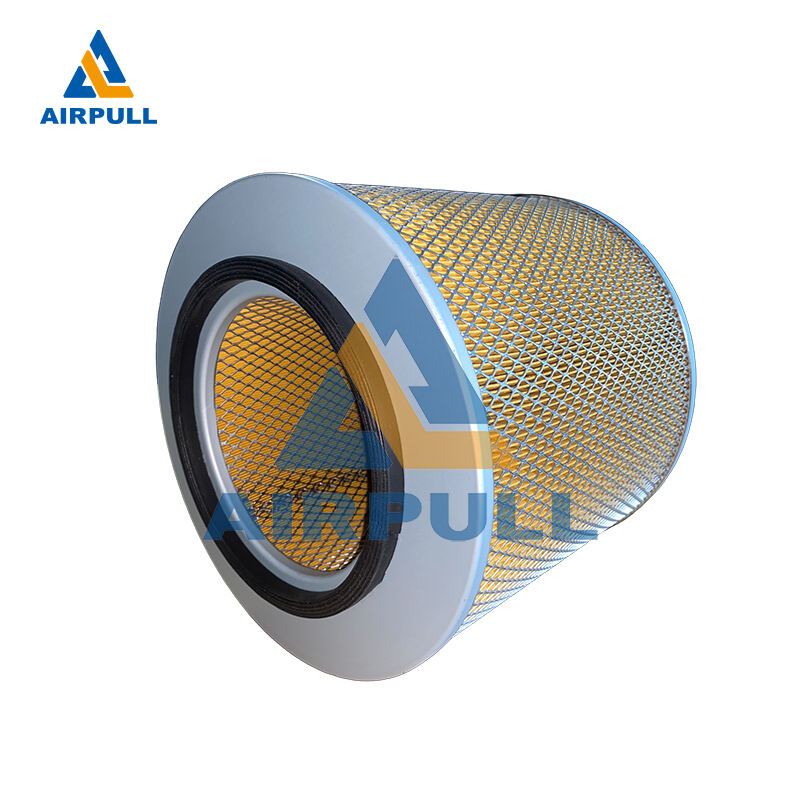
This guide explains how to troubleshoot a compressed air filter system step by step so maintenance teams can isolate causes faster and avoid repeated downtime. The focus is practical: what to check first, how to verify each finding, and how to decide whether the issue is element condition, housing performance, or upstream compressor behavior. By using a structured method, the compressed air filter system can return to stable differential pressure, cleaner air quality, and predictable service intervals instead of emergency replacements.
Start With Symptom Mapping and Baseline Checks
Translate Operating Symptoms Into Testable Clues
Before touching the housing, document what changed in production. A compressed air filter system with rising pressure drop usually points to element loading, oil aerosol carryover, or blocked drain paths, while sudden contamination downstream can indicate seal bypass or incorrect element grade. If pneumatic valves stick after maintenance, the compressed air filter system may have been reassembled with misaligned O-rings or damaged end caps. Each symptom narrows the search and prevents random part swapping.
Capture three baseline values immediately: inlet pressure, outlet pressure, and dew point or moisture observation at the point of use. The pressure delta across the compressed air filter system is the primary health signal, but trend direction matters more than a single reading. A stable but high delta suggests overdue replacement; a fast-rising delta suggests abnormal loading from upstream events. This baseline lets technicians confirm whether corrective actions actually restore the compressed air filter system.
Confirm Instrument Accuracy Before Deep Diagnosis
Many false diagnoses come from faulty gauges or plugged pressure ports. If the compressed air filter system appears to have extreme drop, verify gauges against a known reference and inspect sensing lines for blockage. An inaccurate indicator can lead to unnecessary element changes and missed root causes. Quick instrument validation protects both maintenance budget and uptime.
Check flow conditions during measurement. A compressed air filter system at low load may appear healthy, then exceed acceptable drop at peak demand, so readings should be taken at representative operating flow. Also compare present conditions to historical records at similar demand windows. Troubleshooting decisions become much more reliable when the compressed air filter system is evaluated under real production load.
Inspect Filter Elements, Seals, and Housing Integrity
Evaluate Element Loading, Damage, and Grade Fit
Open the housing only after isolation and depressurization, then inspect the element for loading pattern. Uniform darkening suggests normal capture, while localized streaking often indicates channeling or bypass in the compressed air filter system. Crushed media, torn layers, or collapsed cores point to differential pressure stress beyond design limits. In those cases, replacing the element alone will not stabilize the compressed air filter system unless upstream pressure events are controlled.
Element grade mismatch is another frequent problem. If the compressed air filter system protects sensitive instruments, a coarser grade may allow aerosols through even when pressure drop looks acceptable. If the grade is too fine for the duty, loading accelerates and service life becomes erratic. Troubleshooting should verify that the compressed air filter system uses a grade aligned with contamination profile and quality targets.
Check O-Rings, End Caps, and Internal Seating Surfaces
Seal condition determines whether captured contaminants stay captured. A compressed air filter system with flattened O-rings, nicks, or chemical swelling can bypass internally without obvious external leaks. Inspect O-ring grooves, end-cap interfaces, and seating shoulders for scratches or debris that prevent full contact. Small defects can produce large downstream quality issues.
During reassembly, torque consistency and alignment matter as much as parts quality. A compressed air filter system assembled under time pressure may leave the element slightly tilted, creating a preferential flow path around the seal. After assembly, recheck pressure drop and downstream cleanliness to confirm that sealing integrity is restored. For replacement components, use specification-matched parts such as compressed air filter system elements designed for the housing and duty class.
Trace Upstream and Downstream Causes That Trigger Repeat Failures
Identify Upstream Contamination Surges
A compressed air filter system often fails early because the real source is upstream. Compressor oil carryover spikes, intake contamination events, or malfunctioning separators can flood the first stage and overload downstream stages rapidly. If replacement intervals suddenly shorten across multiple lines, the compressed air filter system is likely reacting to an upstream shift rather than isolated local wear. Review compressor condition, lubricant behavior, and separator performance as part of troubleshooting.
Temperature swings also change contaminant behavior. A hot discharge stream can keep oil vapor suspended until cooling occurs downstream, where the compressed air filter system then sees sudden aerosol condensation and heavy capture burden. In these cases, improving aftercooling and moisture removal upstream can normalize loading and extend life. Without that correction, the compressed air filter system will continue cycling through premature fouling.
Verify Downstream Demand Profile and Piping Effects
Downstream dynamics can mask as filter faults. Intermittent high-flow tools, undersized headers, or pressure-sensitive process steps may make the compressed air filter system appear unstable even when element condition is acceptable. Compare event timing between production cycles and pressure drop spikes. When peaks align with specific equipment starts, the issue may be transient flow stress rather than a defective compressed air filter system.
Piping layout matters too. Long dead legs, low points without drainage, or incorrect filter placement relative to dryers can reintroduce liquid and solids into the compressed air filter system. Inspect line slope, condensate traps, and bypass paths that may allow untreated air migration during maintenance states. A troubleshooting conclusion is only complete when both the compressed air filter system and connected piping behavior are verified together.
Stabilize Performance With Corrective Actions and Verification
Apply Corrective Actions in a Defined Order
Effective recovery follows sequence: fix measurement reliability, restore seal integrity, correct element grade, then address source contamination. Jumping steps can hide the real problem and make the compressed air filter system look solved for a short period. After each corrective action, record pressure delta, drain behavior, and downstream quality observations under comparable load. This method shows which change produced the performance recovery.
Drain management deserves special attention. A compressed air filter system with blocked or failed automatic drains accumulates liquid, reduces effective area, and increases carryover risk. Test drains manually, inspect discharge lines, and ensure contaminants are actually removed from the housing rather than recirculated. Restoring dependable drainage often delivers immediate stabilization of the compressed air filter system.
Build a Repeatable Monitoring Routine
Troubleshooting is complete only when recurrence risk is reduced. Set alarm thresholds for differential pressure trend rate, not just absolute value, so the compressed air filter system is serviced before quality loss reaches production. Pair this with scheduled visual checks of seals and housing interiors during planned stops. Consistent monitoring converts the compressed air filter system from reactive maintenance into controlled reliability.
Keep a failure log tied to operating context. When technicians record flow demand, ambient conditions, compressor status, and maintenance actions, patterns emerge quickly and the next compressed air filter system issue is diagnosed faster. Over time, this data supports better interval planning and parts strategy without over-replacement. The result is lower lifecycle cost and fewer quality disruptions linked to the compressed air filter system.
FAQ
How often should a compressed air filter system be inspected during normal operation?
In most industrial settings, a compressed air filter system should be checked visually each shift for obvious drain or leak issues and reviewed weekly for pressure differential trends. Monthly detailed inspection is common when loads are stable, while high-contamination environments require tighter intervals. The key is trend consistency rather than fixed calendar replacement. A compressed air filter system operating under variable demand benefits from inspection intervals tied to runtime and contamination load.
Why does pressure drop stay high after replacing the filter element?
A compressed air filter system can retain high differential pressure when root causes remain unresolved, such as inaccurate gauges, blocked ports, drain malfunction, or upstream oil surge. It can also happen when the replacement grade is too fine for the duty or when seals are misseated during assembly. Confirm instrument accuracy first, then recheck internal seating and drain performance. Persistent high drop usually means the compressed air filter system problem is structural or operational, not just consumable wear.
Can moisture downstream always be blamed on the filter housing?
No, moisture at points of use does not automatically mean the compressed air filter system housing is defective. In many cases, upstream cooling, dryer performance, and piping low points are the dominant contributors. The filter can only remove what reaches it in removable form, and condensate can re-form later if temperature and line conditions change. Troubleshooting should treat the compressed air filter system as one control stage within a full air treatment chain.
What is the fastest way to reduce repeat failures in a compressed air filter system?
The fastest path is disciplined sequence and documentation. Validate gauges, verify seals, confirm element grade, test drains, and then trace upstream contamination drivers while recording results at comparable load. This removes guesswork and prevents repetitive part changes that do not solve the cause. When this routine becomes standard, compressed air filter system reliability improves quickly and service intervals become more predictable.
Table of Contents
- Start With Symptom Mapping and Baseline Checks
- Inspect Filter Elements, Seals, and Housing Integrity
- Trace Upstream and Downstream Causes That Trigger Repeat Failures
- Stabilize Performance With Corrective Actions and Verification
-
FAQ
- How often should a compressed air filter system be inspected during normal operation?
- Why does pressure drop stay high after replacing the filter element?
- Can moisture downstream always be blamed on the filter housing?
- What is the fastest way to reduce repeat failures in a compressed air filter system?